Wang Suhuai, Li Jingjie, Sun Lin, Cai Jianing, Wang Shihui, Zeng Linwen, Sun Shaoqing
Department of Cardiology, The First Affiliated Hospital of Harbin Medical University, 122 Postal Street, Nangang District, Harbin City, Heilongjiang Province, China.
BMC Med Inform Decis Mak. 2021 Nov 2;21(1):301. doi: 10.1186/s12911-021-01667-8.
Early identification of the occurrence of arrhythmia in patients with acute myocardial infarction plays an essential role in clinical decision-making. The present study attempted to use machine learning (ML) methods to build predictive models of arrhythmia after acute myocardial infarction (AMI).
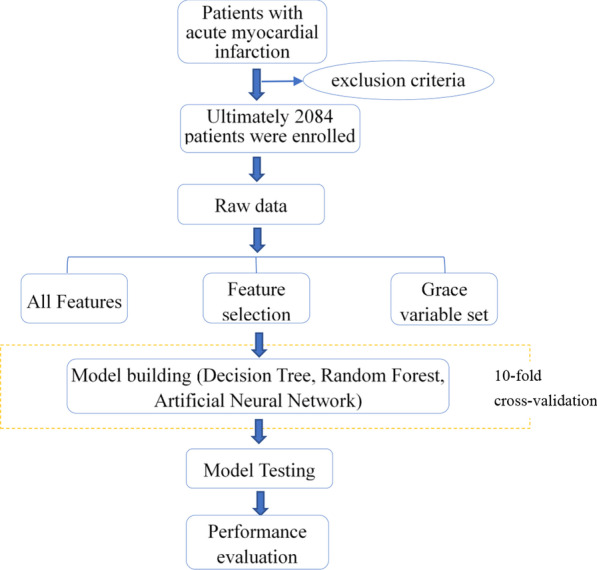
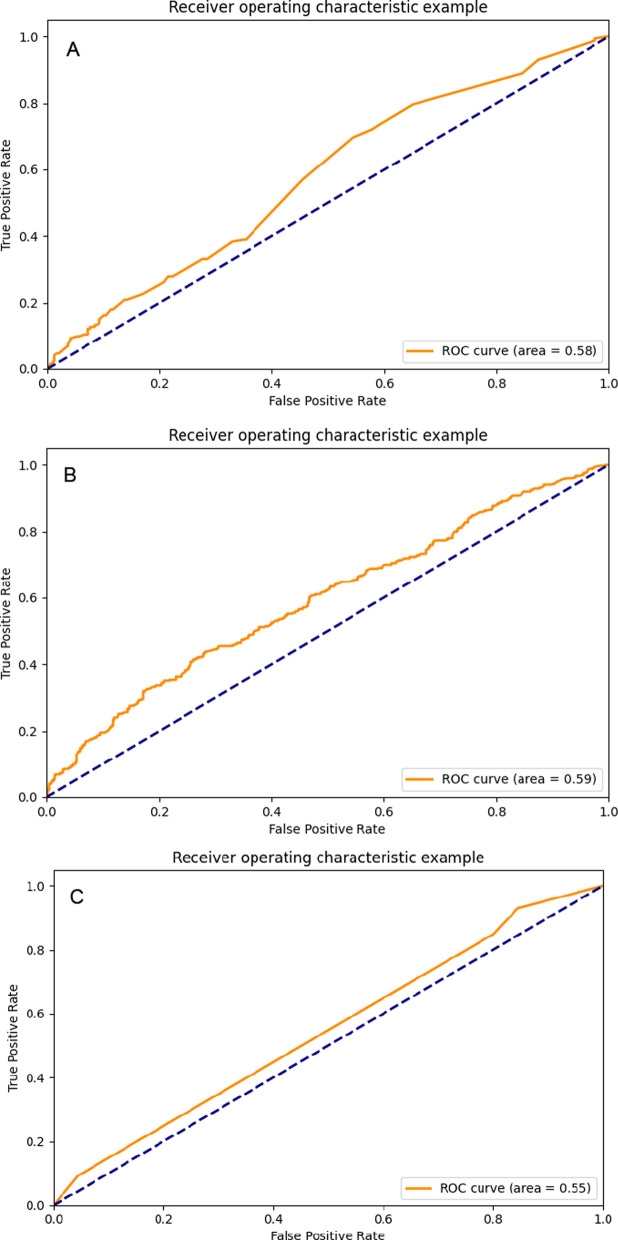
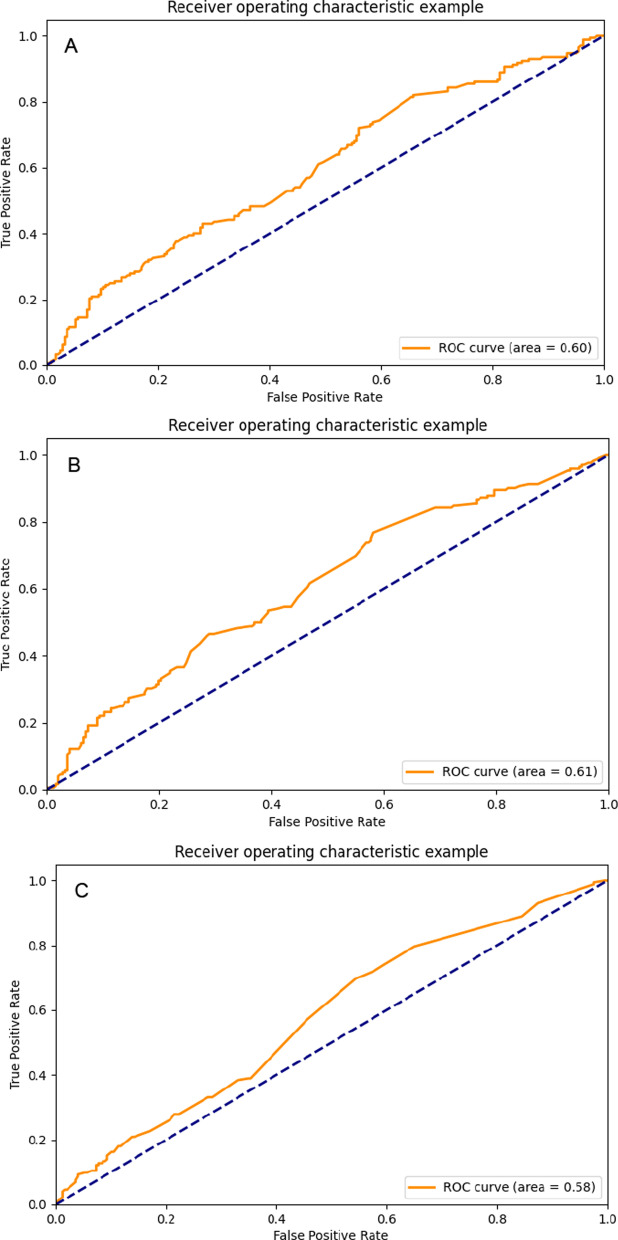
A total of 2084 patients with acute myocardial infarction were enrolled in this study. (All data is available on Github: https://github.com/wangsuhuai/AMI-database1.git) . The primary outcome is whether tachyarrhythmia occurred during admission containing atrial arrhythmia, ventricular arrhythmia, and supraventricular tachycardia. All data is randomly divided into a training set (80%) and an internal testing set (20%). Apply three machine learning algorithms: decision tree, random forest (RF), and artificial neural network (ANN) to learn the training set to build a model, then use the testing set to evaluate the prediction performance, and compare it with the model built by the Global Registry of Acute Coronary Events (GRACE) risk variable set.
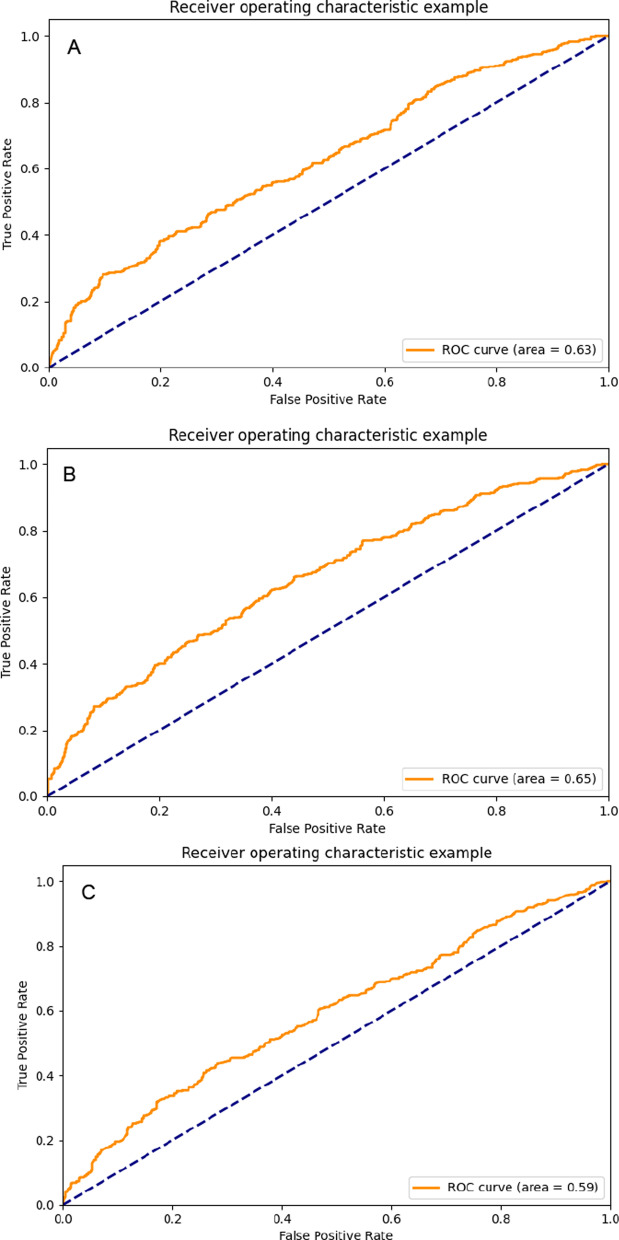
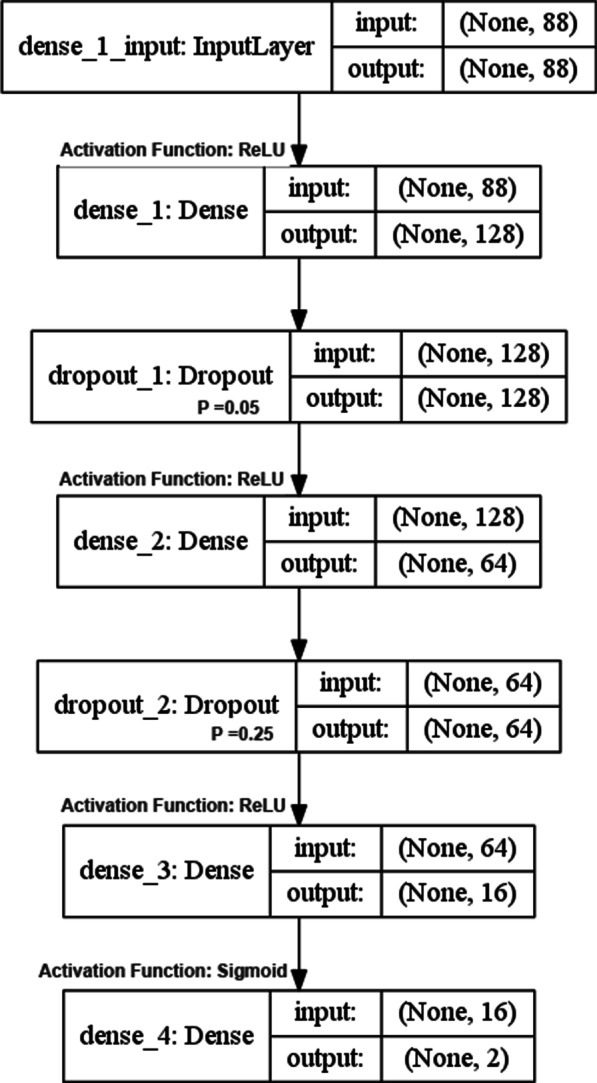
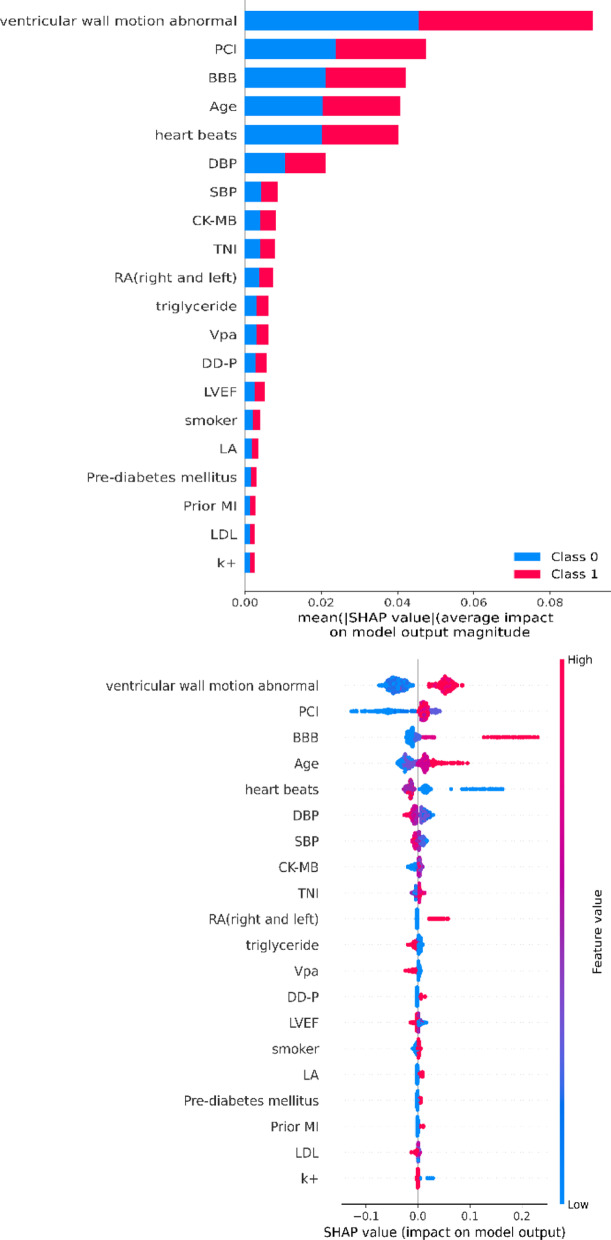
Three ML models predict the occurrence of tachyarrhythmias after AMI. After variable selection, the artificial neural network (ANN) model has reached the highest accuracy rate, which is better than the model constructed using the Grace variable set. After applying SHapley Additive exPlanations (SHAP) to make the model interpretable, the most important features are abnormal wall motion, lesion location, bundle branch block, age, and heart rate. Among them, RBBB (odds ratio [OR]: 4.21; 95% confidence interval [CI]: 2.42-7.02), ≥ 2 ventricular walls motion abnormal (OR: 3.26; 95% CI: 2.01-4.36) and right coronary artery occlusion (OR: 3.00; 95% CI: 1.98-4.56) are significant factors related to arrhythmia after AMI.
We used advanced machine learning methods to build prediction models for tachyarrhythmia after AMI for the first time (especially the ANN model that has the best performance). The current study can supplement the current AMI risk score, provide a reliable evaluation method for the clinic, and broaden the new horizons of ML and clinical research. Trial registration Clinical Trial Registry No.: ChiCTR2100041960.
急性心肌梗死患者心律失常发生情况的早期识别在临床决策中起着至关重要的作用。本研究试图使用机器学习(ML)方法构建急性心肌梗死后心律失常的预测模型。
本研究共纳入2084例急性心肌梗死患者。(所有数据可在Github上获取:https://github.com/wangsuhuai/AMI-database1.git)。主要结局是入院期间是否发生快速性心律失常,包括房性心律失常、室性心律失常和室上性心动过速。所有数据随机分为训练集(80%)和内部测试集(20%)。应用三种机器学习算法:决策树、随机森林(RF)和人工神经网络(ANN)对训练集进行学习以构建模型,然后使用测试集评估预测性能,并与由急性冠状动脉事件全球注册研究(GRACE)风险变量集构建的模型进行比较。
三种ML模型可预测急性心肌梗死后快速性心律失常的发生。经过变量选择,人工神经网络(ANN)模型达到了最高准确率,优于使用Grace变量集构建的模型。应用SHapley加性解释(SHAP)使模型具有可解释性后,最重要的特征是室壁运动异常、病变部位、束支传导阻滞、年龄和心率。其中,右束支传导阻滞(优势比[OR]:4.21;95%置信区间[CI]:2.42 - 7.02)、≥2个室壁运动异常(OR:3.26;95%CI:2.01 - 4.36)和右冠状动脉闭塞(OR:3.00;95%CI:1.98 - 4.56)是急性心肌梗死后与心律失常相关的显著因素。
我们首次使用先进的机器学习方法构建急性心肌梗死后快速性心律失常的预测模型(尤其是性能最佳的ANN模型)。本研究可以补充当前的急性心肌梗死风险评分,为临床提供可靠的评估方法,并拓宽机器学习与临床研究的新视野。试验注册 临床试验注册号:ChiCTR2100041960。