Central laboratory, Cancer Hospital of Shantou University Medical College, 7 Raoping Road, Shantou, 515041, China.
Faculty of Health science, Hull York Medical School, University of Hull, Hull, UK, HU6 7RX.
Cell Death Dis. 2021 Nov 2;12(11):1042. doi: 10.1038/s41419-021-04338-8.
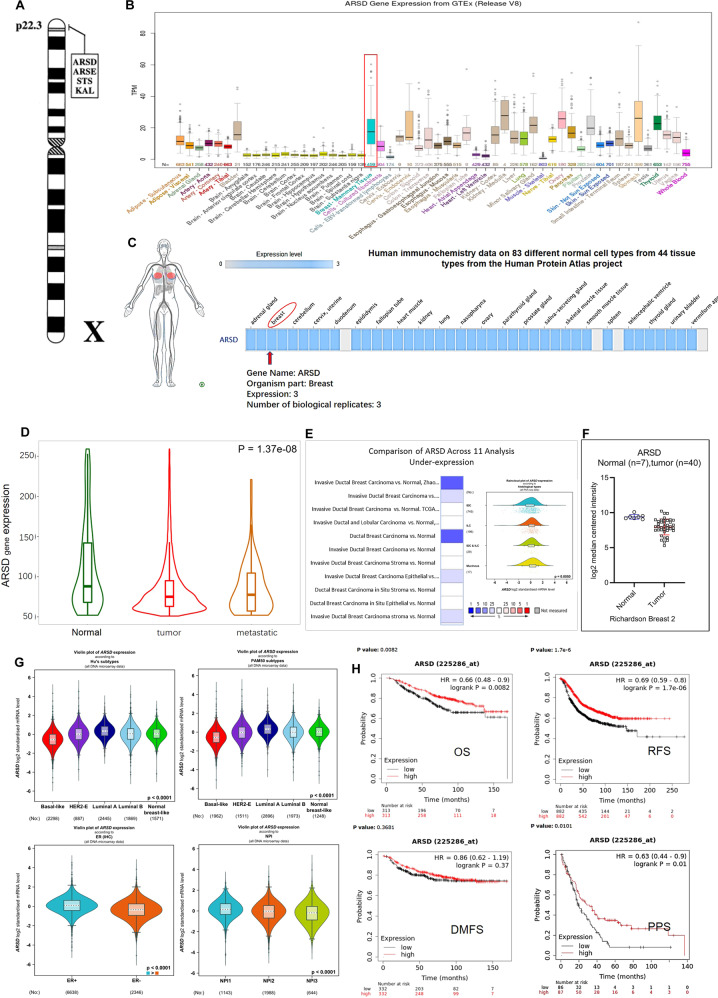
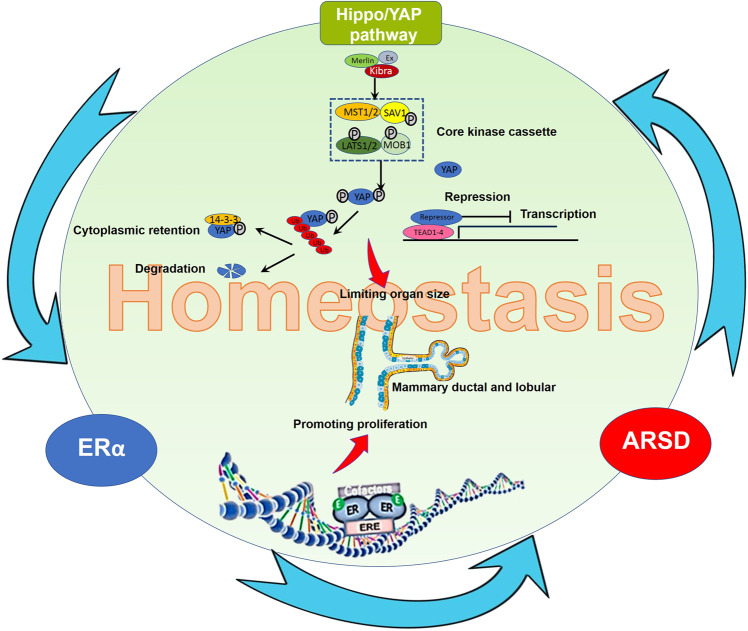
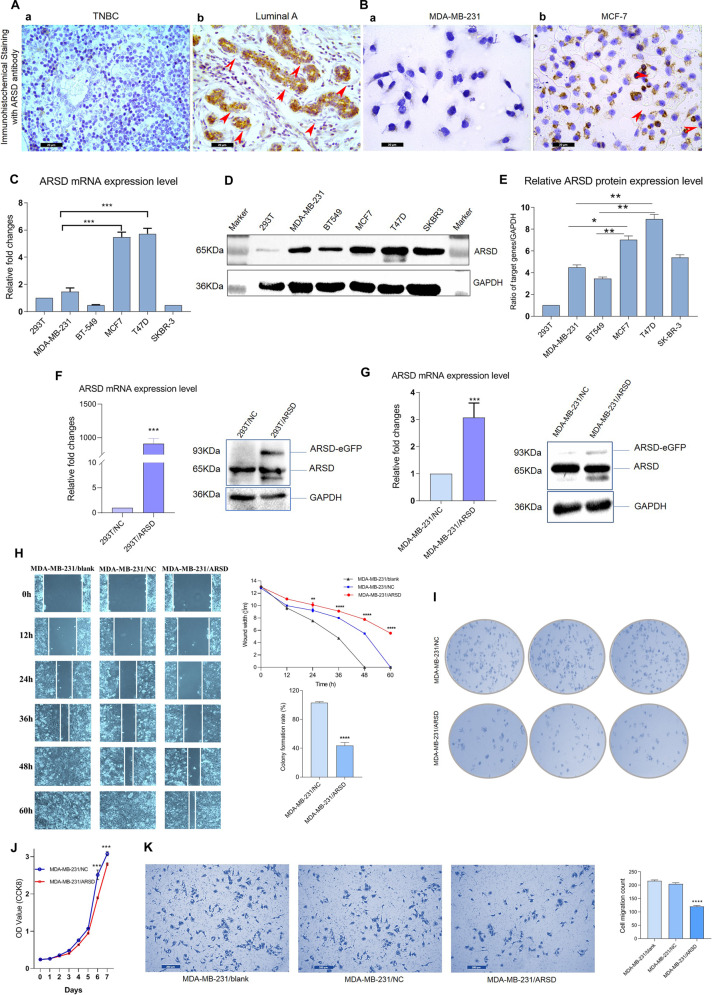
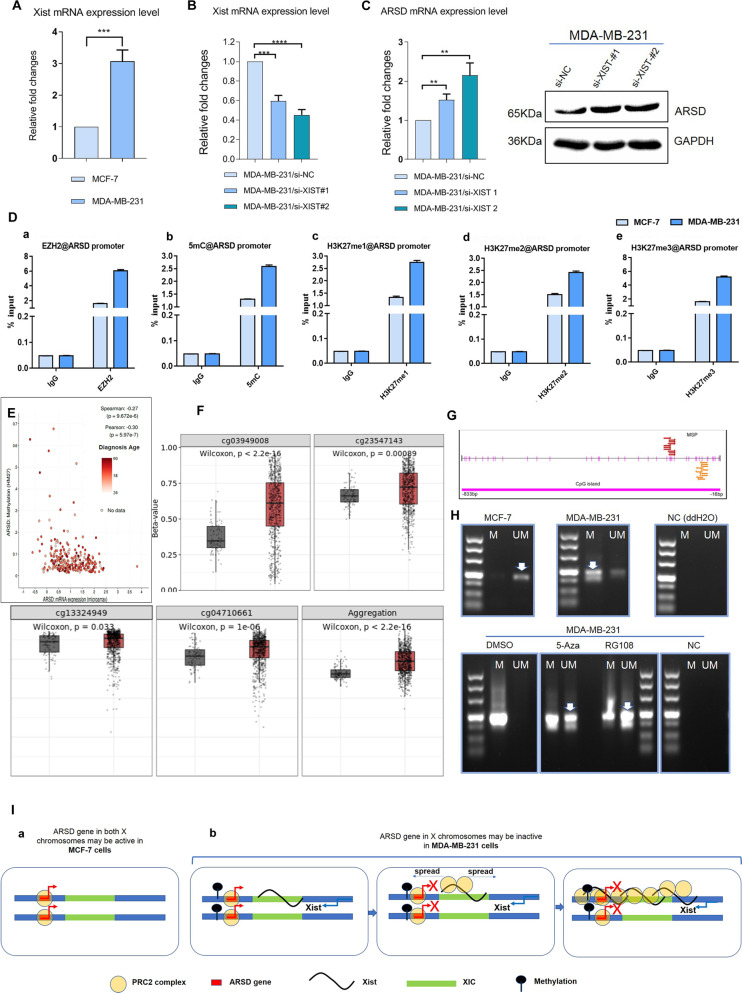
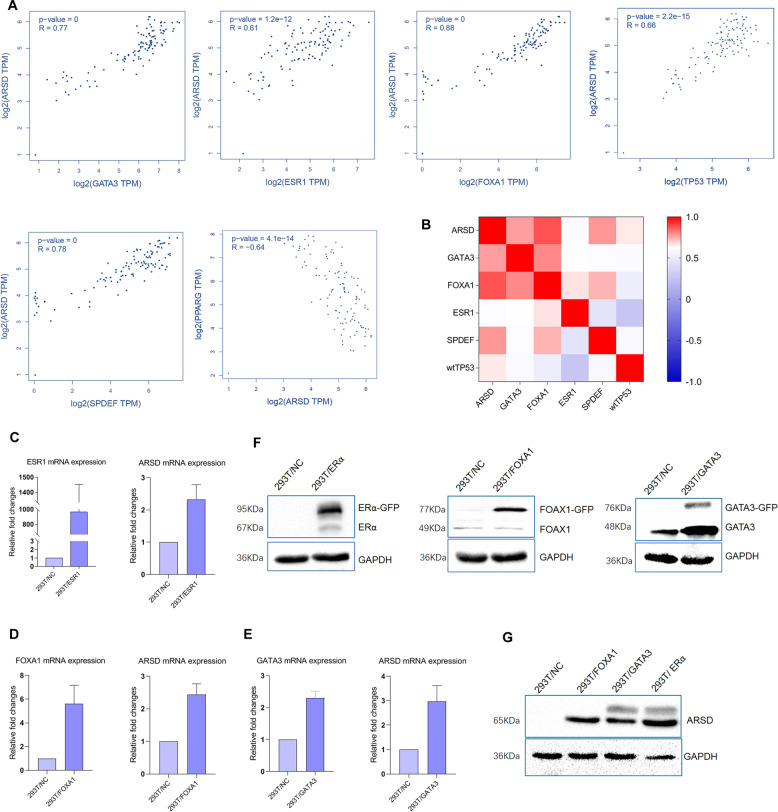
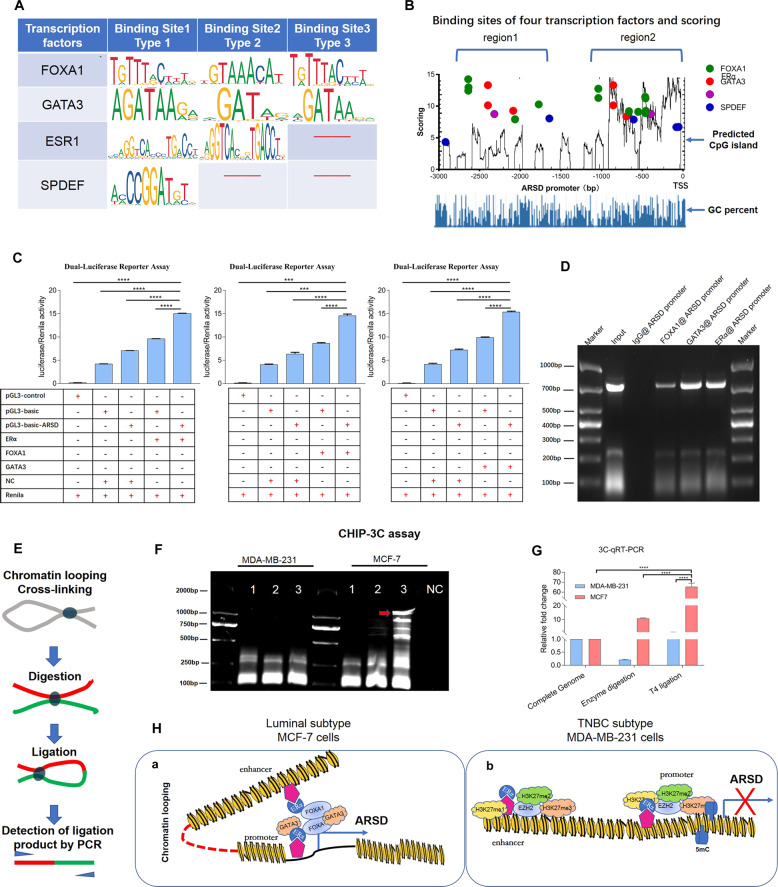
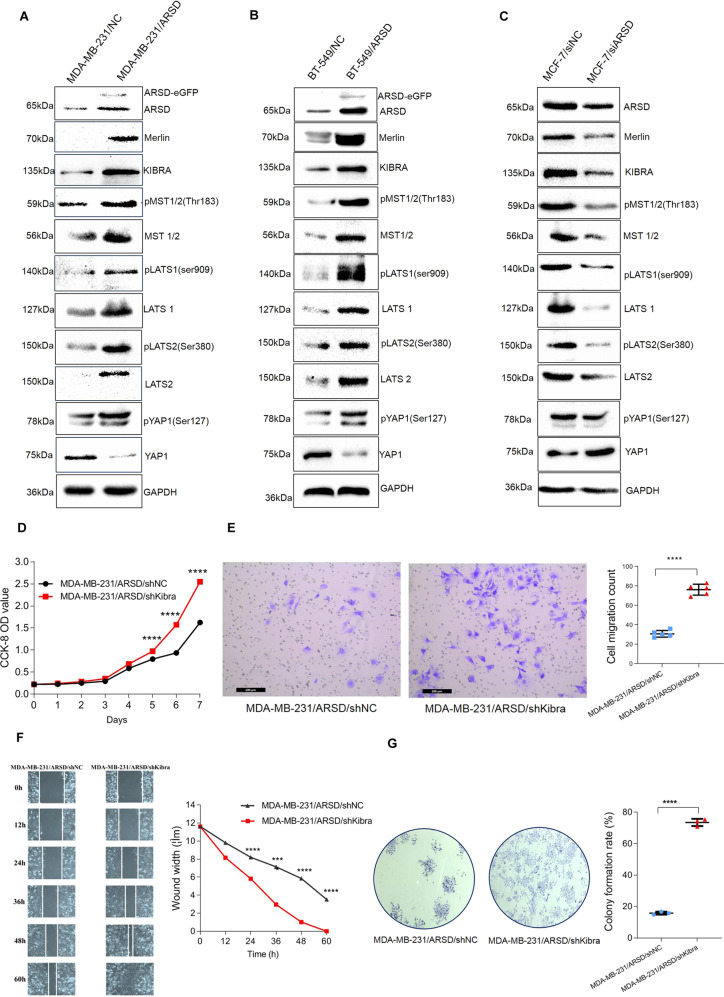
Advanced breast cancer (BC), especially basal like triple-negative BC (TNBC), is a highly malignant tumor without viable treatment option, highlighting the urgent need to seek novel therapeutic targets. Arylsulfatase D (ARSD), localized at Xp22.3, is a female-biased gene due to its escaping from X chromosome inactivation (XCI). Unfortunately, no systematic investigation of ARSD on BC has been reported. In this study, we observed that ARSD expression was positively related to ERα status either in BC cells or tissue specimens, which were associated with good prognosis. Furthermore, we found a set of hormone-responsive lineage-specific transcription factors, FOXA1, GATA3, ERα, directly drove high expression of ARSD through chromatin looping in luminal subtype BC cells. Opposingly, ARSD still subjected to XCI in TNBC cells mediated by Xist, CpG islands methylation, and inhibitory histone modification. Unexpectedly, we also found that ectopic ARSD overexpression could inhibit proliferation and migration of TNBC cells by activating Hippo/YAP pathway, indicating that ARSD may be a molecule brake on ERα signaling pathway, which restricted ERα to be an uncontrolled active status. Combined with other peoples' researches that Hippo signaling maintained ER expression and ER + BC growth, we believed that there should exist a regulative feedback loop formation among ERα, ARSD, and Hippo/YAP pathway. Collectively, our findings will help filling the knowledge gap about the influence of ARSD on BC and providing evidence that ARSD may serve as a potential marker to predict prognosis and as a therapeutic target.
晚期乳腺癌(BC),尤其是基底样三阴性乳腺癌(TNBC),是一种高度恶性肿瘤,目前尚无可行的治疗方法,这突显了迫切需要寻求新的治疗靶点。芳基硫酸酯酶 D(ARSD)位于 Xp22.3,由于逃避 X 染色体失活(XCI),是一个偏向女性的基因。不幸的是,目前尚未有关于 ARSD 在 BC 中作用的系统研究。在这项研究中,我们观察到 ARSD 的表达与 BC 细胞或组织标本中的 ERα 状态呈正相关,这与预后良好相关。此外,我们发现一组激素反应谱系特异性转录因子,FOXA1、GATA3、ERα,通过染色质环化直接驱动腔型 BC 细胞中 ARSD 的高表达。相反,ARSD 在 TNBC 细胞中仍受到 Xist、CpG 岛甲基化和抑制性组蛋白修饰介导的 XCI。出乎意料的是,我们还发现过表达 ARSD 可以通过激活 Hippo/YAP 通路抑制 TNBC 细胞的增殖和迁移,表明 ARSD 可能是 ERα 信号通路的分子制动器,限制 ERα 处于不受控制的激活状态。结合其他人的研究表明 Hippo 信号通路维持 ER 表达和 ER+BC 的生长,我们认为 ERα、ARSD 和 Hippo/YAP 通路之间应该存在一个调节反馈环。总之,我们的研究结果将有助于填补 ARSD 对 BC 影响的知识空白,并提供证据表明 ARSD 可能作为预测预后的潜在标志物和治疗靶点。