Parks David A, Griffiths Peter R, Weakley Andrew T, Miller Arthur L
National Institute for Occupational Safety and Health (NIOSH), Spokane, Washington, USA.
Griffiths Consulting, San Marcos, Texas, USA.
Aerosol Sci Technol. 2021 May 9;55(9):1-14. doi: 10.1080/02786826.2021.1917764.
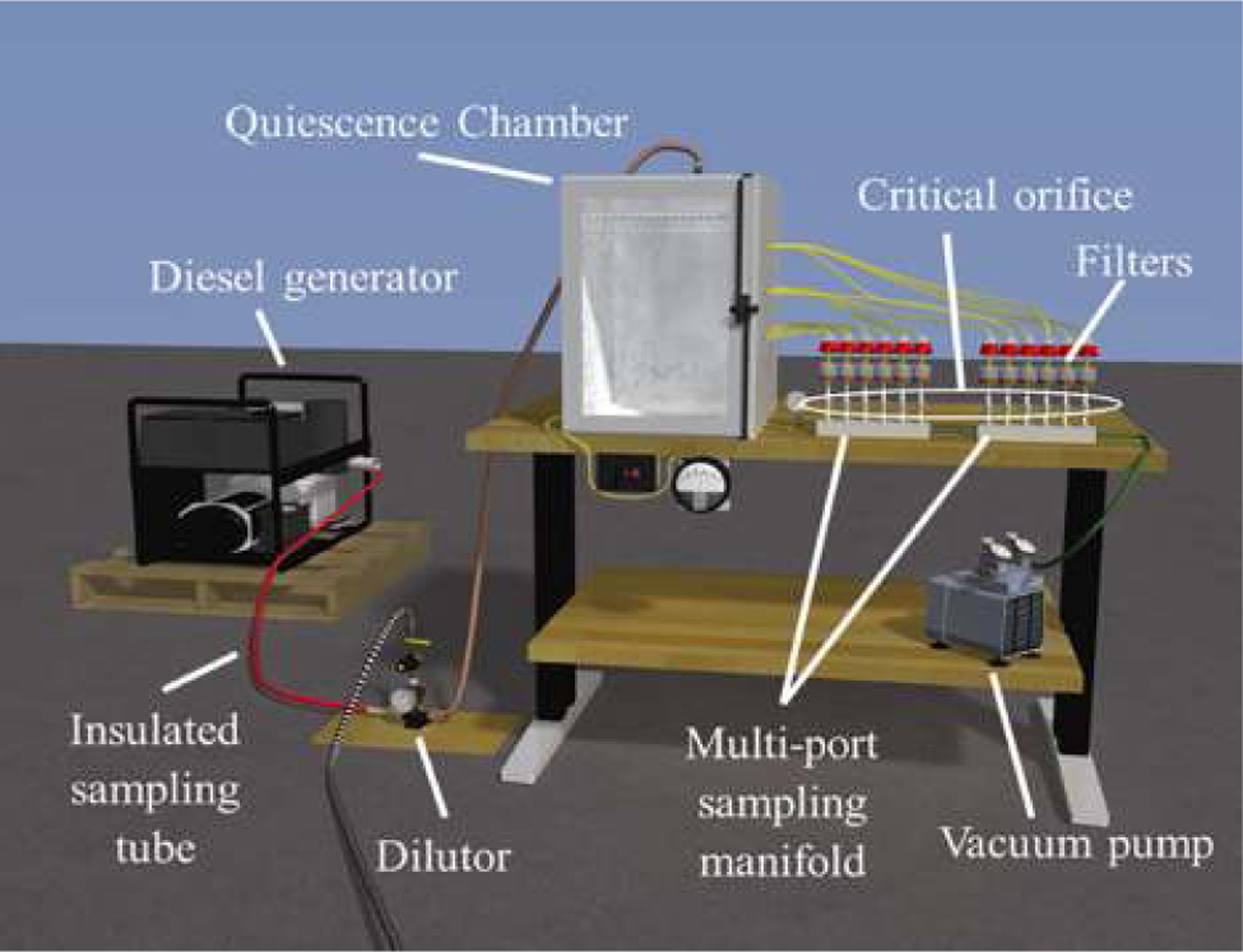
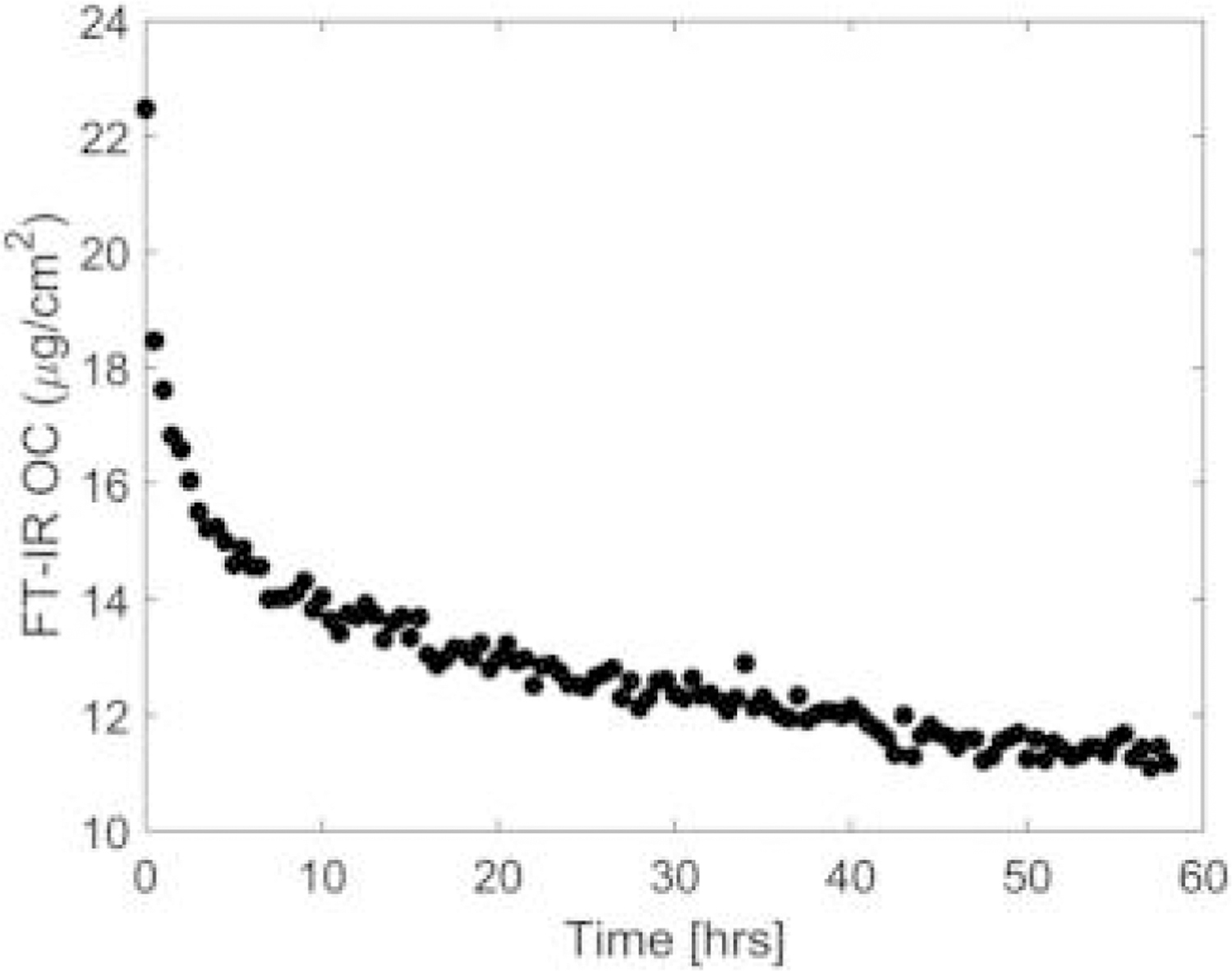
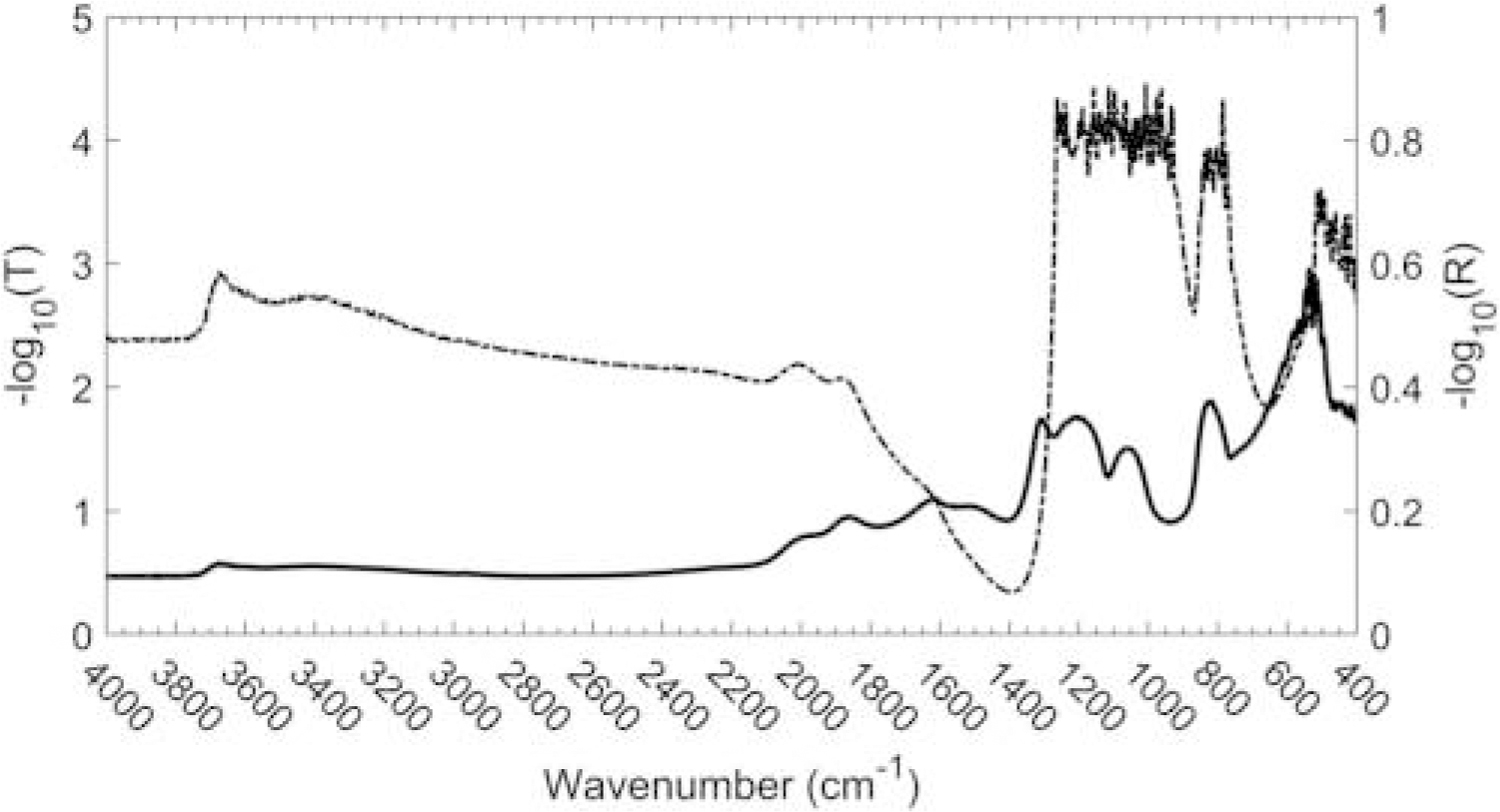
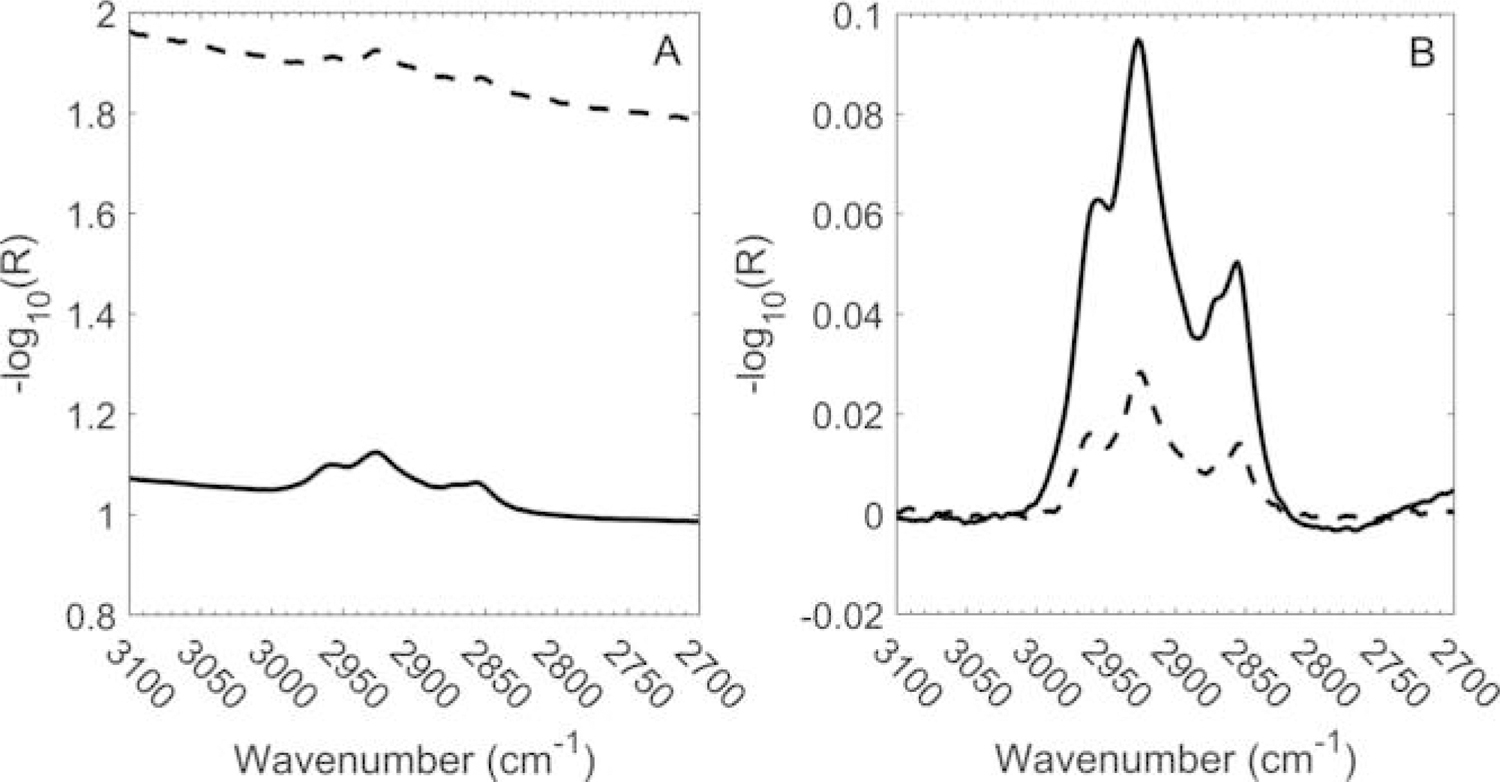
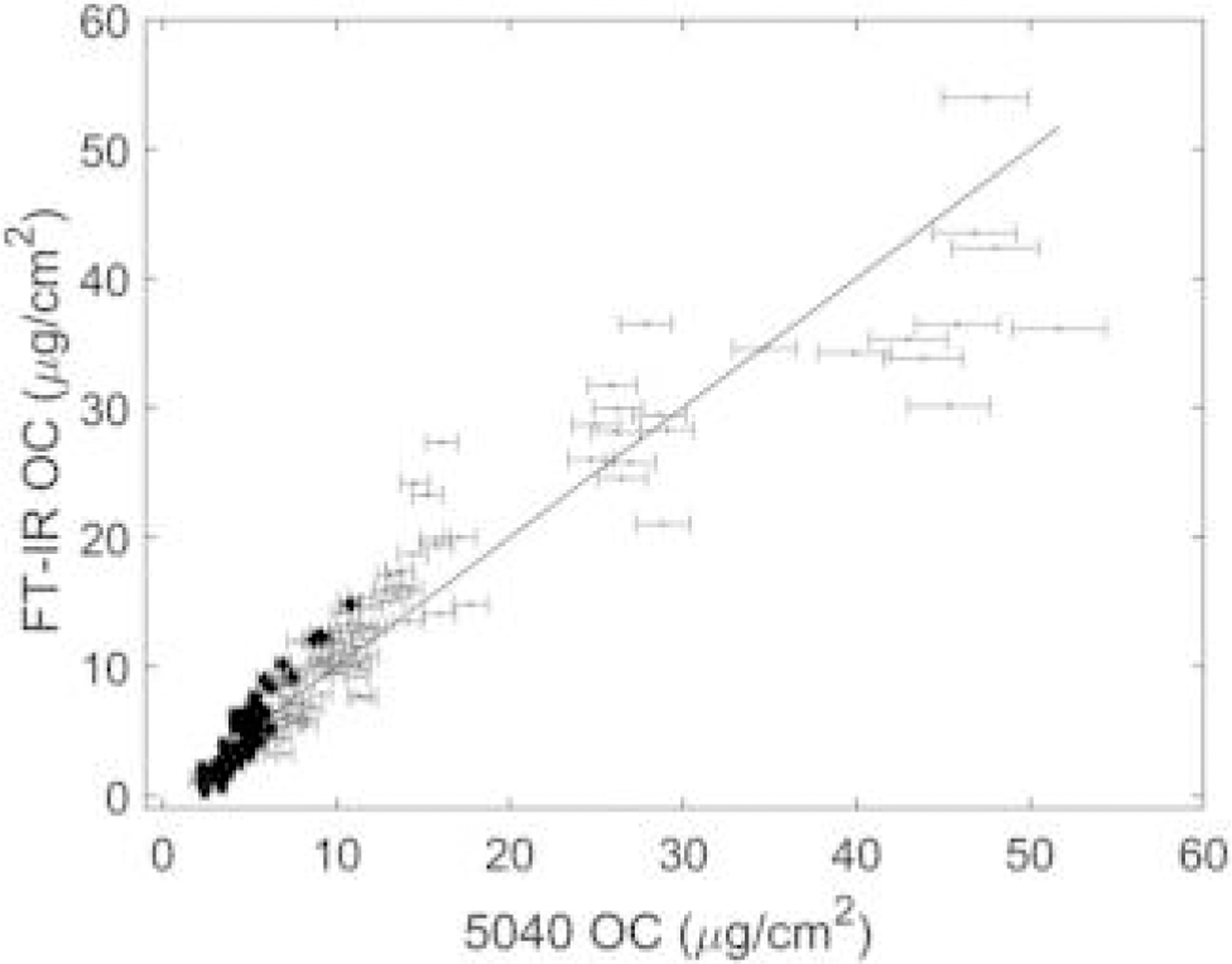
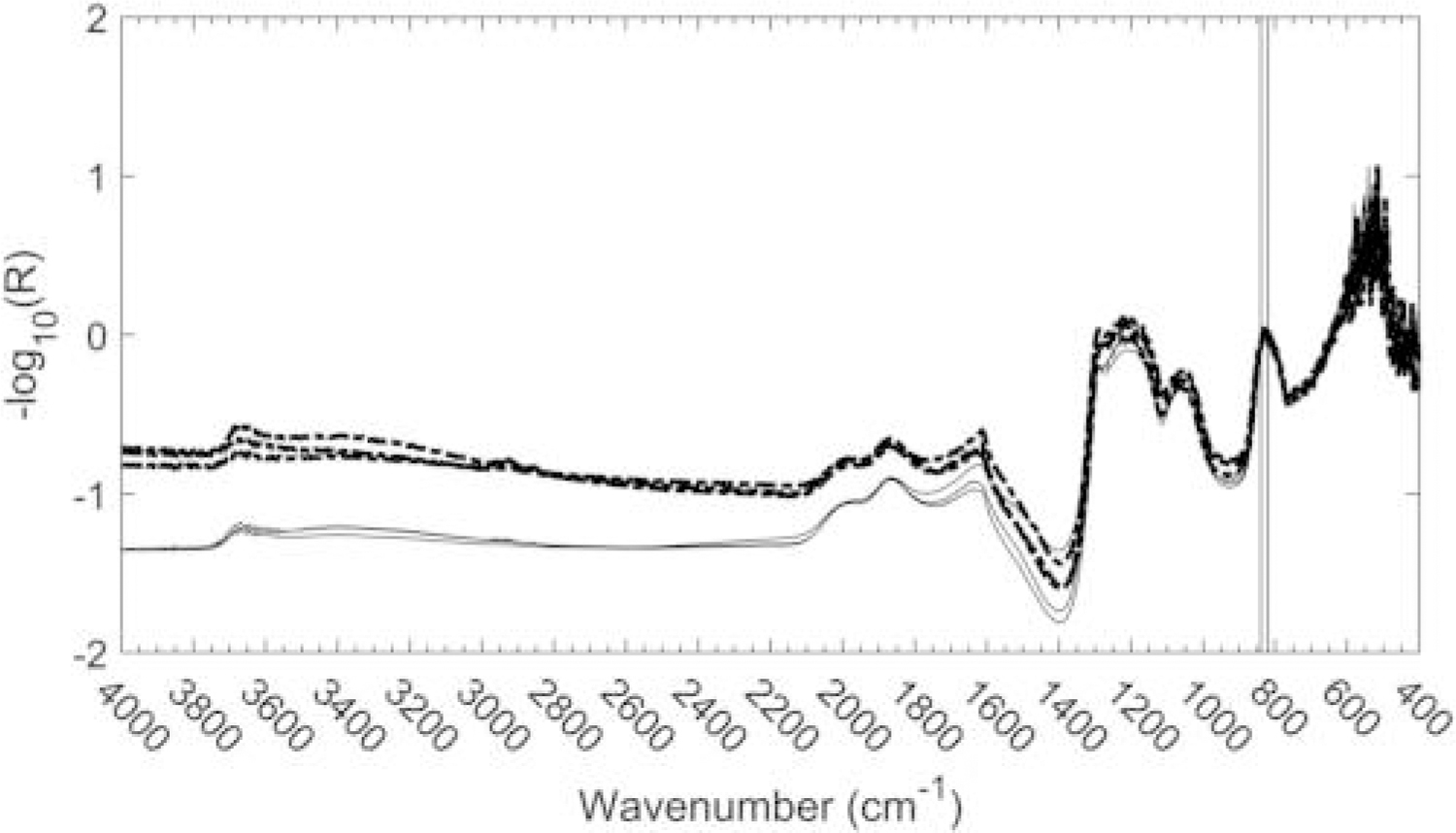
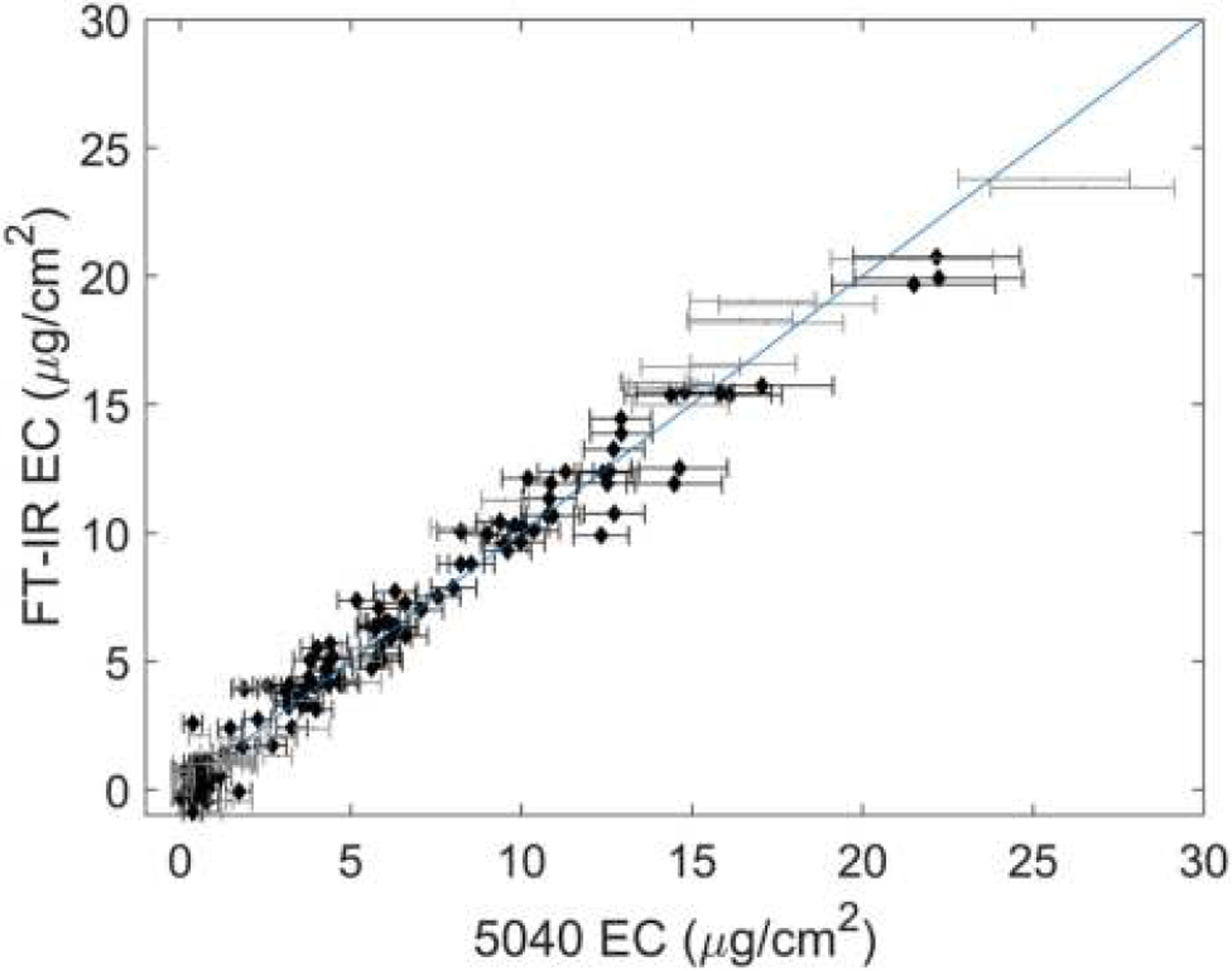
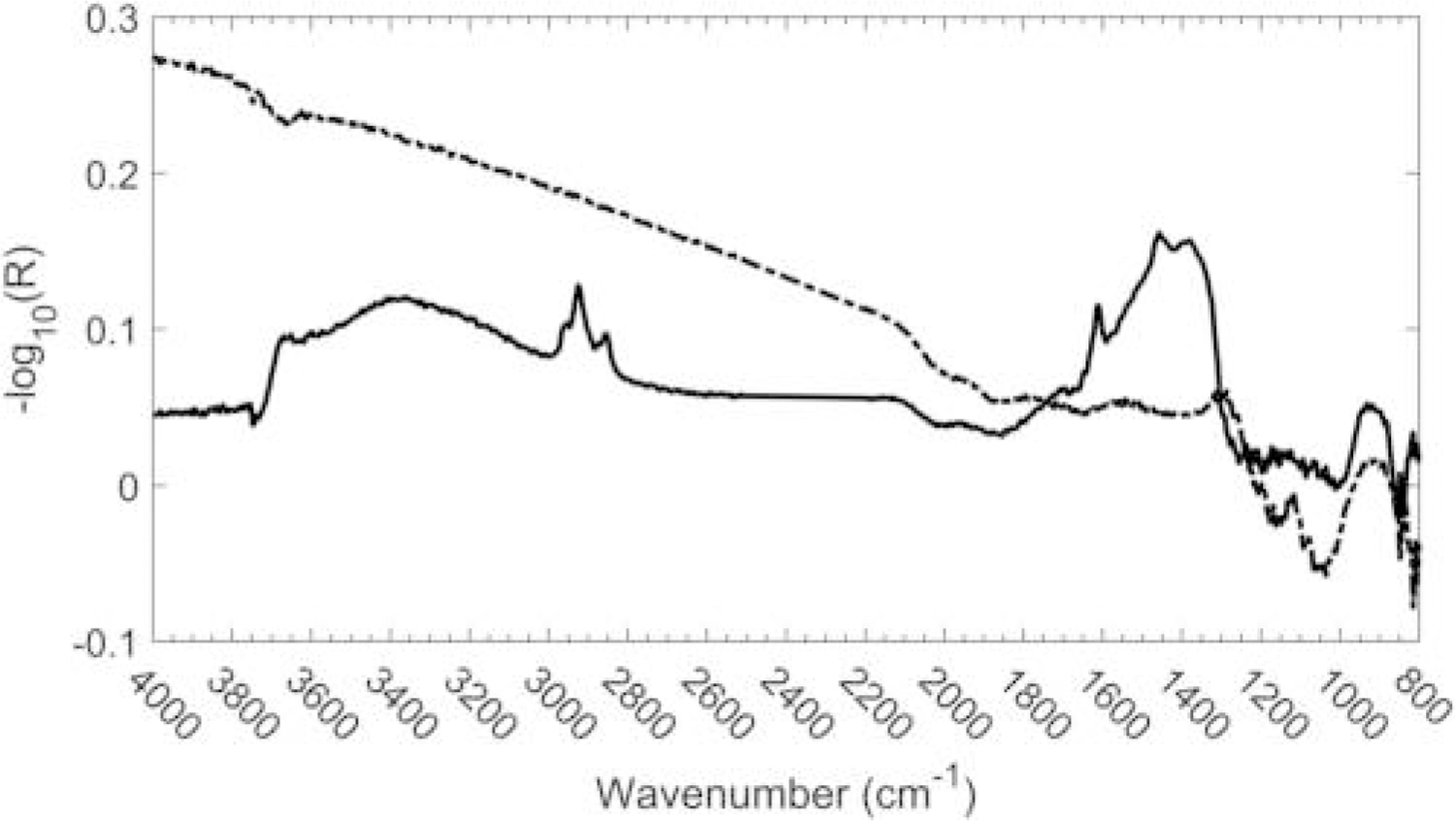
A method for the quantification of airborne organic carbon (OC) and elemental carbon (EC) within aerosolized diesel particulate matter (DPM) is described in this article. DPM is a known carcinogen encountered in many industrial workplaces (notably mining) and in the ambient atmosphere. The method described here collects DPM particles onto a quartz fiber filter, after which reflection-mode infrared spectra are measured on a mid-infrared Fourier transform (FT-IR) spectrometer. Several infrared absorption bands are investigated for their efficacy in quantifying OC and EC. The thermo-optical (T-O) method is used to calibrate a linear regression model to predict OC and EC from the infrared spectra. The calibrated model, generated from laboratory DPM samples, is then utilized to quantify OC and EC in mine samples obtained from two metal mine locations under a variety of operating conditions. The feasibility of further improving these results by partial least squares (PLS) regression was investigated. A single calibration that is broadly applicable would be considered an improvement over currently available portable instruments, which require aerosol-specific calibration.
本文描述了一种定量分析雾化柴油颗粒物(DPM)中空气传播有机碳(OC)和元素碳(EC)的方法。DPM是一种在许多工业工作场所(尤其是采矿行业)以及环境大气中存在的已知致癌物。这里所描述的方法是将DPM颗粒收集到石英纤维滤膜上,然后在中红外傅里叶变换(FT-IR)光谱仪上测量反射模式红外光谱。研究了几个红外吸收带在定量OC和EC方面的有效性。采用热光(T-O)方法校准线性回归模型,以便从红外光谱预测OC和EC。由实验室DPM样品生成的校准模型随后用于定量分析在各种操作条件下从两个金属矿场位置采集的矿山样品中的OC和EC。研究了通过偏最小二乘法(PLS)回归进一步改善这些结果的可行性。一个广泛适用的单一校准方法将被视为相对于目前可用的便携式仪器的一种改进,目前的便携式仪器需要针对特定气溶胶进行校准。