Wetland Ecology Research Group, Institute of Aquatic Ecology, Centre for Ecological Research, Debrecen, Hungary.
Department of Evolutionary Zoology and Human Biology, University of Debrecen, Debrecen, Hungary.
J Ethnobiol Ethnomed. 2021 Nov 4;17(1):63. doi: 10.1186/s13002-021-00489-2.
Documenting local ecological knowledge (LEK) has recently become a topic of considerable interest. LEK can contribute to various areas of ecology, including habitat management and conservation biology. It has been recently revealed that recreational fishers' ecological knowledge (FEK) can also provide valuable information about different organisms and habitats, while recreational fishers' ecological knowledge is understudied in many aspects and regions of the world.
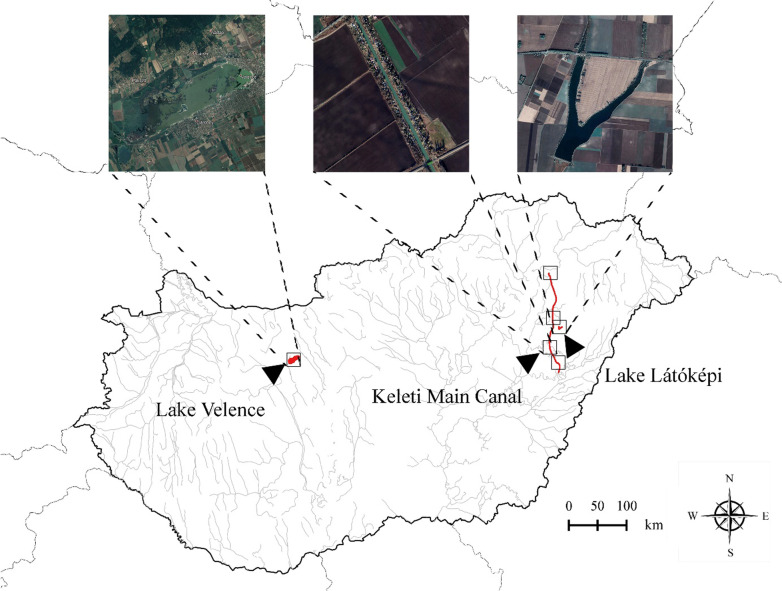
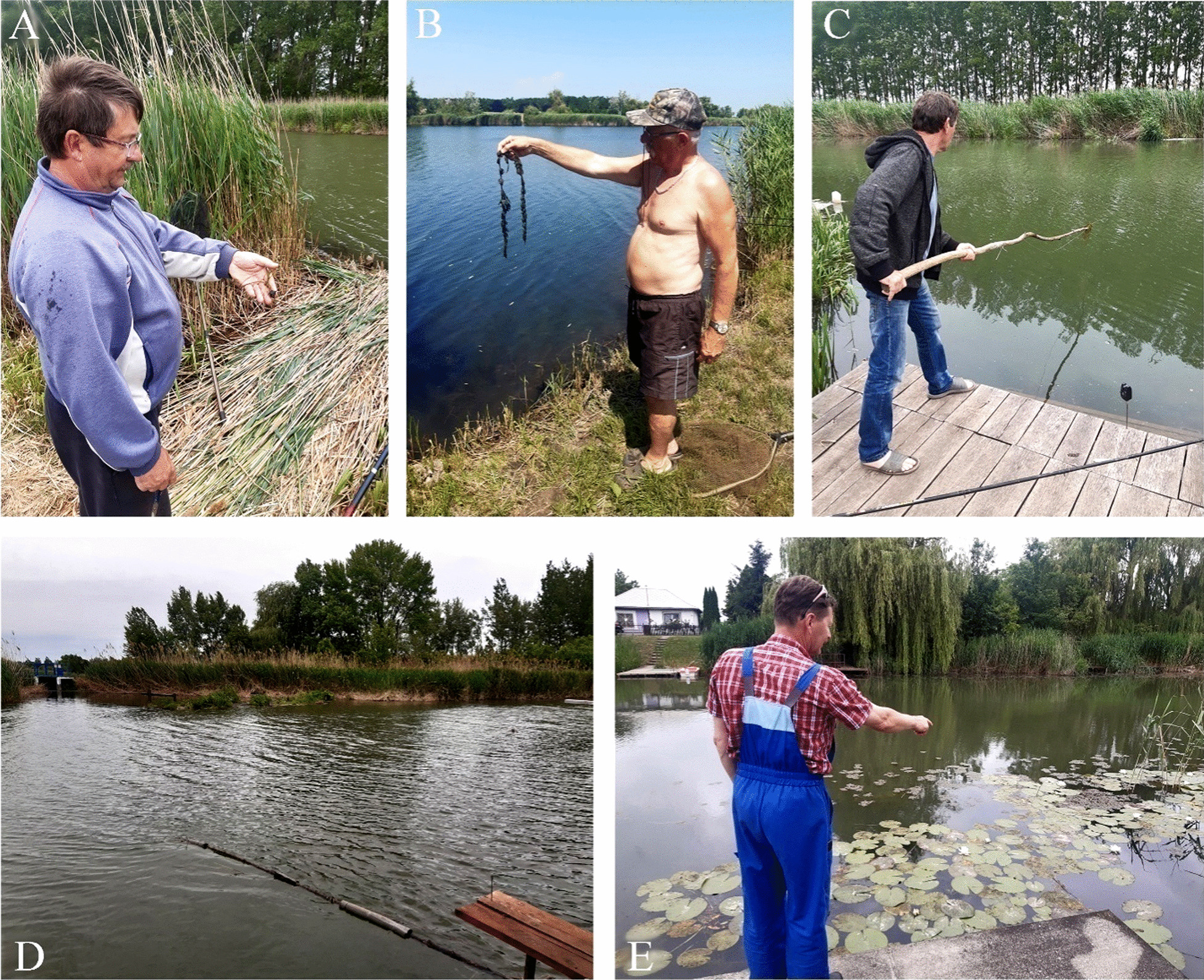
We aimed to record Hungarian recreational FEK on plant species related to freshwater habitats. Our research was conducted in three regularly fished water bodies in Hungary, namely Lake Velence, Keleti Main Canal, and Lake Látóképi, where a total of 72 interviews were conducted with recreational anglers. During interviews, 24 plant species occurring at freshwater habitats with common or sporadic distribution were shown to anglers as single species or in congeneric pairs. Miscellaneous plant-related knowledge of anglers was also collected.
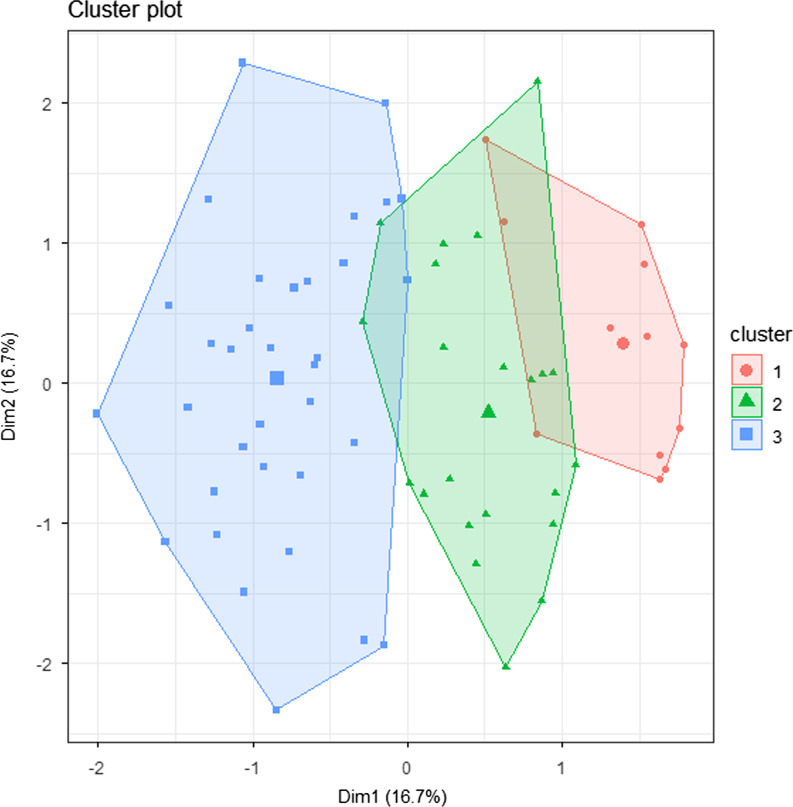
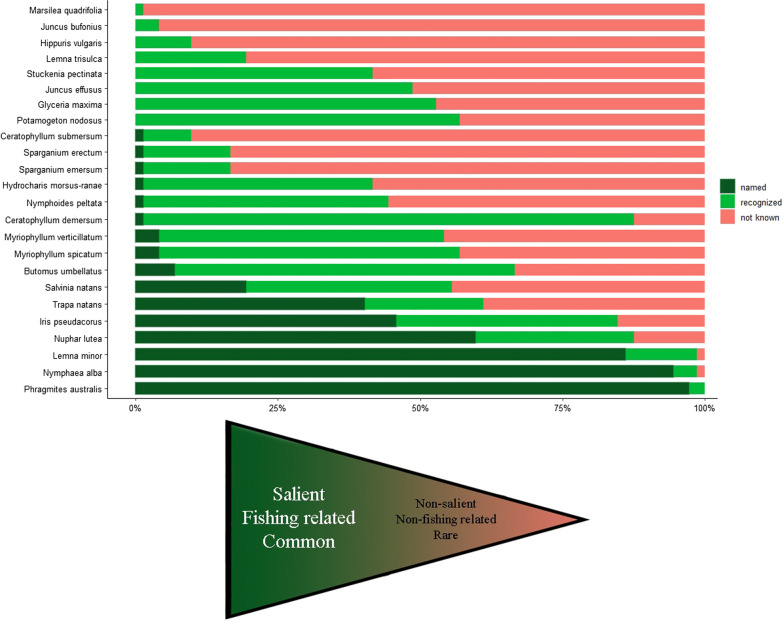
Anglers identified a total of 16 plant species. They used 45 botanical or folk names. An angler knew the name of 4.6 plants on average and recognized 7.4 other species without naming it. According to our detailed analysis, anglers were able to name or at least recognize those plant species which are somehow related to fishing activities, are salient, and/or common. Moreover, anglers at Lake Velence recognized less plant species; however, they also had less years of fishing experience compared to anglers of the other two locations.
We found that recreational FEK exists even in the case of freshwater plants which are not the main focus of anglers. It is highly presumable that recreational fishers would be able to provide reliable ecologically related data for scientific research establishing future citizen science projects of nature conservation.
记录当地生态知识(LEK)最近成为一个相当热门的话题。LEK 可以为生态学的各个领域做出贡献,包括生境管理和保护生物学。最近发现,休闲垂钓者的生态知识(FEK)也可以提供有关不同生物和栖息地的有价值信息,而休闲垂钓者的生态知识在世界许多地区和领域都没有得到充分研究。
我们旨在记录与淡水生境有关的植物物种的匈牙利休闲 FEK。我们的研究在匈牙利的三个经常被钓鱼的水体中进行,即 Velence 湖、Keleti 主运河和 Látóképi 湖,在那里共对 72 名休闲垂钓者进行了采访。在采访中,向垂钓者展示了在淡水生境中分布普遍或稀疏的 24 种植物物种,这些物种是单独物种或在同属对中展示的。还收集了垂钓者的各种与植物有关的知识。
垂钓者总共识别出 16 种植物。他们使用了 45 个植物学或民间名称。垂钓者平均知道 4.6 种植物的名称,并且能够识别出 7.4 种其他没有命名的植物。根据我们的详细分析,垂钓者能够命名或至少识别那些与钓鱼活动有关、突出或常见的植物物种。此外,Velence 湖的垂钓者识别出的植物种类较少;然而,与其他两个地点的垂钓者相比,他们的钓鱼经验也较少。
我们发现,即使是休闲垂钓者不太关注的淡水植物,休闲垂钓者的生态知识也存在。可以推测,休闲垂钓者能够为未来的自然保护公民科学项目提供可靠的与生态相关的数据,以支持科学研究。