Department of Prosthodontics, School of Dentistry, Chonnam National University, Gwangju, Republic of Korea.
Optoelectronics Convergence Research Center, Chonnam National University, Gwangju, 61186, Republic of Korea.
Int J Nanomedicine. 2021 Oct 28;16:7307-7317. doi: 10.2147/IJN.S311872. eCollection 2021.
This paper presents a technique for developing a novel surface for dental implants using a combination of nitriding and anodic oxidation, followed by the deposition of graphene oxide using atmospheric plasma. The effects of various surface treatments on bacterial adhesion and osteoblast activation were also evaluated.
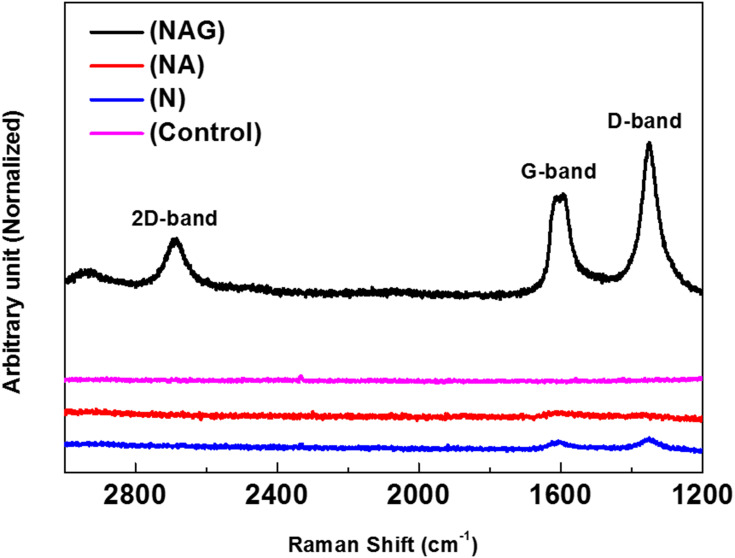
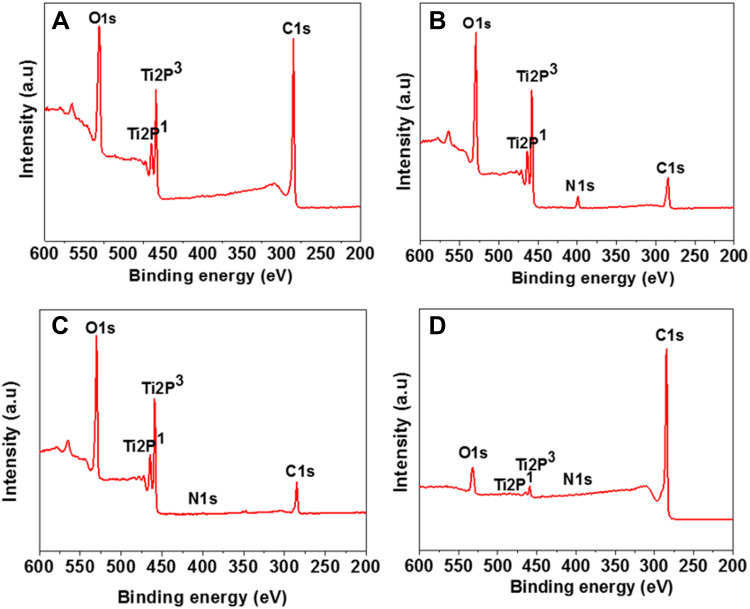
CP titanium (control) was processed into disk-shaped specimens. Nitriding was conducted using vacuum nitriding, followed by anodic oxidation, which was performed in an electrolyte using a DC power supply, to form the novel "mulberry surface." Graphene oxide deposition was performed using atmospheric plasma with an inflow of carbon sources. After analyzing the sample surfaces, antibacterial activity was evaluated using and bacteria. The viability, adhesion, proliferation, and differentiation of osteoblasts were also assessed. Analysis of variance (ANOVA) with Tukey's post-hoc test was used to calculate statistical differences.
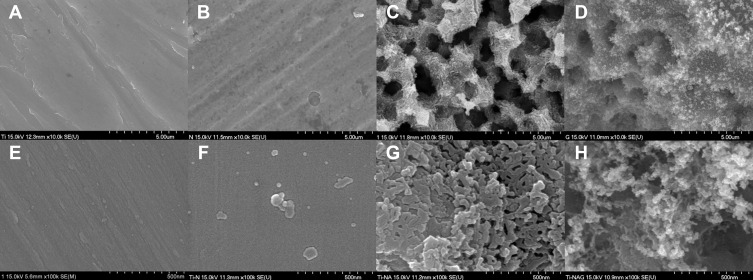
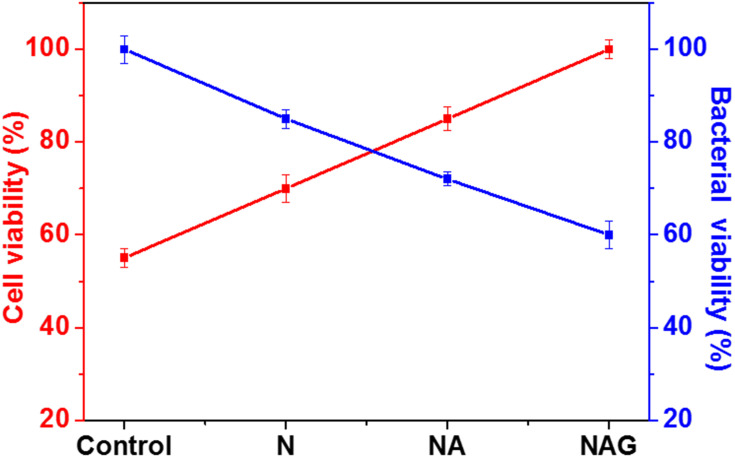
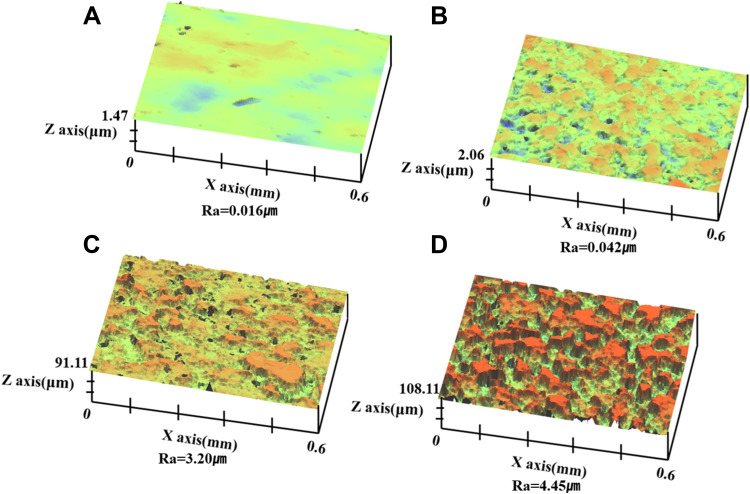
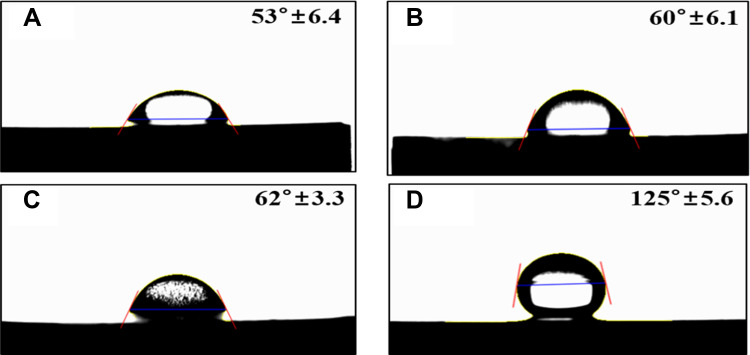
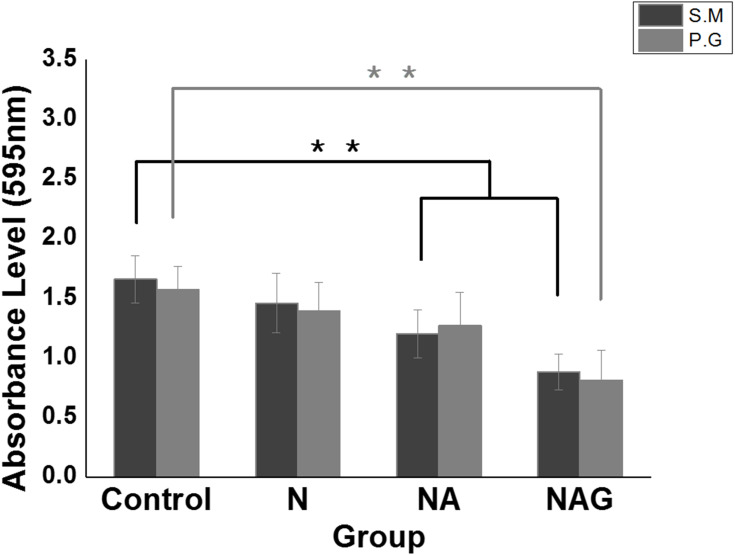
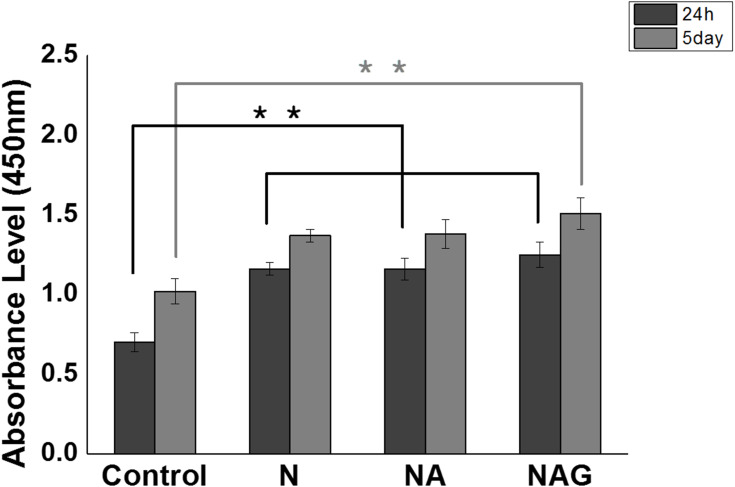
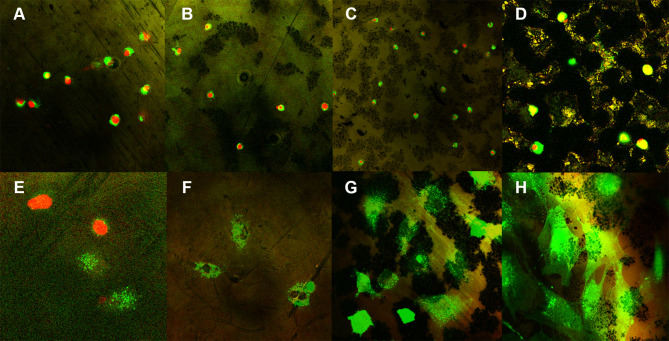
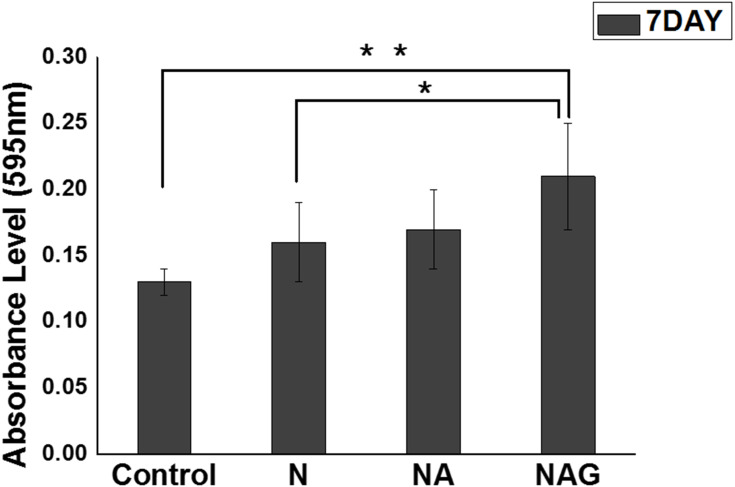
We observed that the mulberry surface was formed on samples treated with nitriding and anodic oxidation, and these samples exhibited more effective antibacterial activity than the control. We also found that the samples with additional graphene oxide deposition exhibited better biocompatibility, which was validated by osteoblast adhesion, proliferation, and differentiation.
The development of the mulberry surface along with graphene oxide deposition inhibits bacterial adhesion to the implant and enhances the adhesion, proliferation, and differentiation of osteoblasts. These results indicate that the mulberry surface and graphene oxide deposition together can inhibit peri-implantitis and promote osseointegration.
本研究采用氮化和阳极氧化相结合的方法,在钛表面制备新型表面,随后采用常压等离子体在其表面沉积氧化石墨烯。评估了不同表面处理对细菌黏附及成骨细胞激活的影响。
将商用纯钛(对照)加工成圆盘状试件。真空氮化后进行阳极氧化,在电解质中采用直流电源形成新型“桑椹状表面”。采用碳源输入的常压等离子体进行氧化石墨烯沉积。对样品表面进行分析后,采用 和 细菌评估抗菌活性。还评估了成骨细胞的活力、黏附、增殖和分化。采用方差分析(ANOVA)和 Tukey 事后检验计算统计学差异。
观察到氮化和阳极氧化处理后的样品形成了桑椹状表面,这些样品的抗菌活性明显优于对照。进一步发现,具有额外氧化石墨烯沉积的样品表现出更好的生物相容性,这通过成骨细胞黏附、增殖和分化得到了验证。
桑椹状表面与氧化石墨烯沉积的共同作用抑制了种植体表面细菌黏附,促进了成骨细胞的黏附、增殖和分化。这些结果表明,桑椹状表面和氧化石墨烯沉积可以协同抑制种植体周围炎,促进骨整合。