Department of Colorectal Surgery, The Second Affiliated Hospital of Zhejiang University School of Medicine, Zhejiang, China.
Department of Electrical Engineering, Tunghai University, Taichung, Taiwan, China.
BMC Bioinformatics. 2021 Nov 8;22(Suppl 5):94. doi: 10.1186/s12859-021-04003-z.
Differentiating and counting various types of white blood cells (WBC) in bone marrow smears allows the detection of infection, anemia, and leukemia or analysis of a process of treatment. However, manually locating, identifying, and counting the different classes of WBC is time-consuming and fatiguing. Classification and counting accuracy depends on the capability and experience of operators.
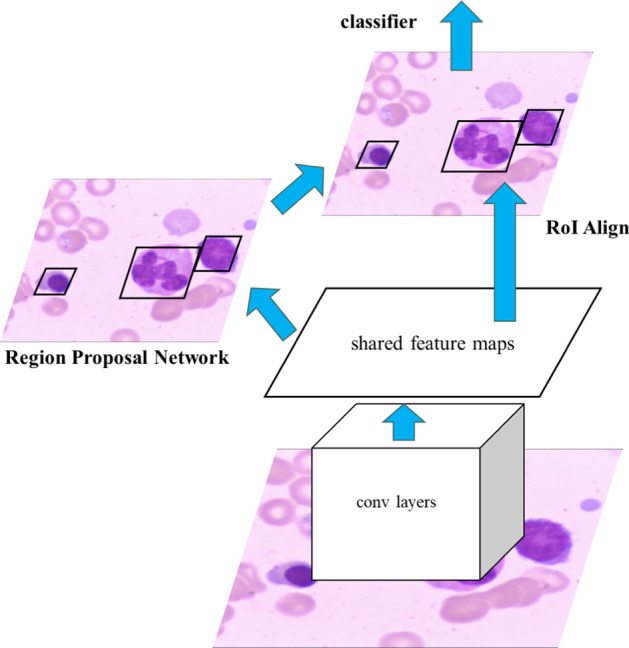
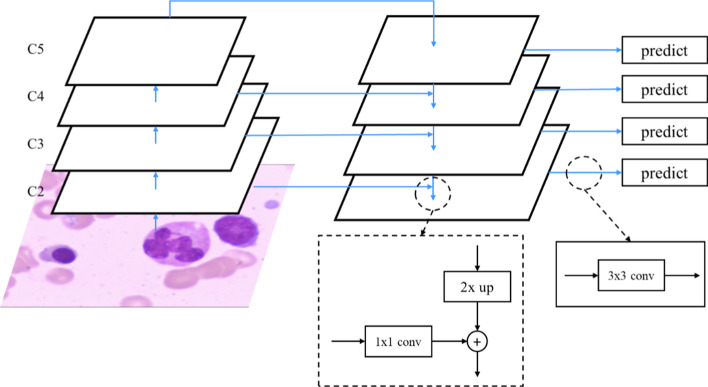
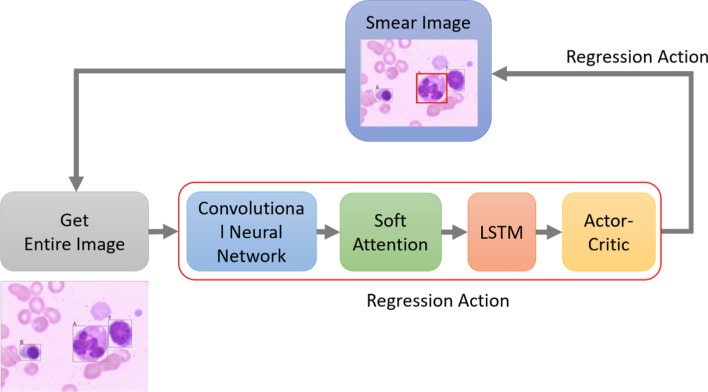
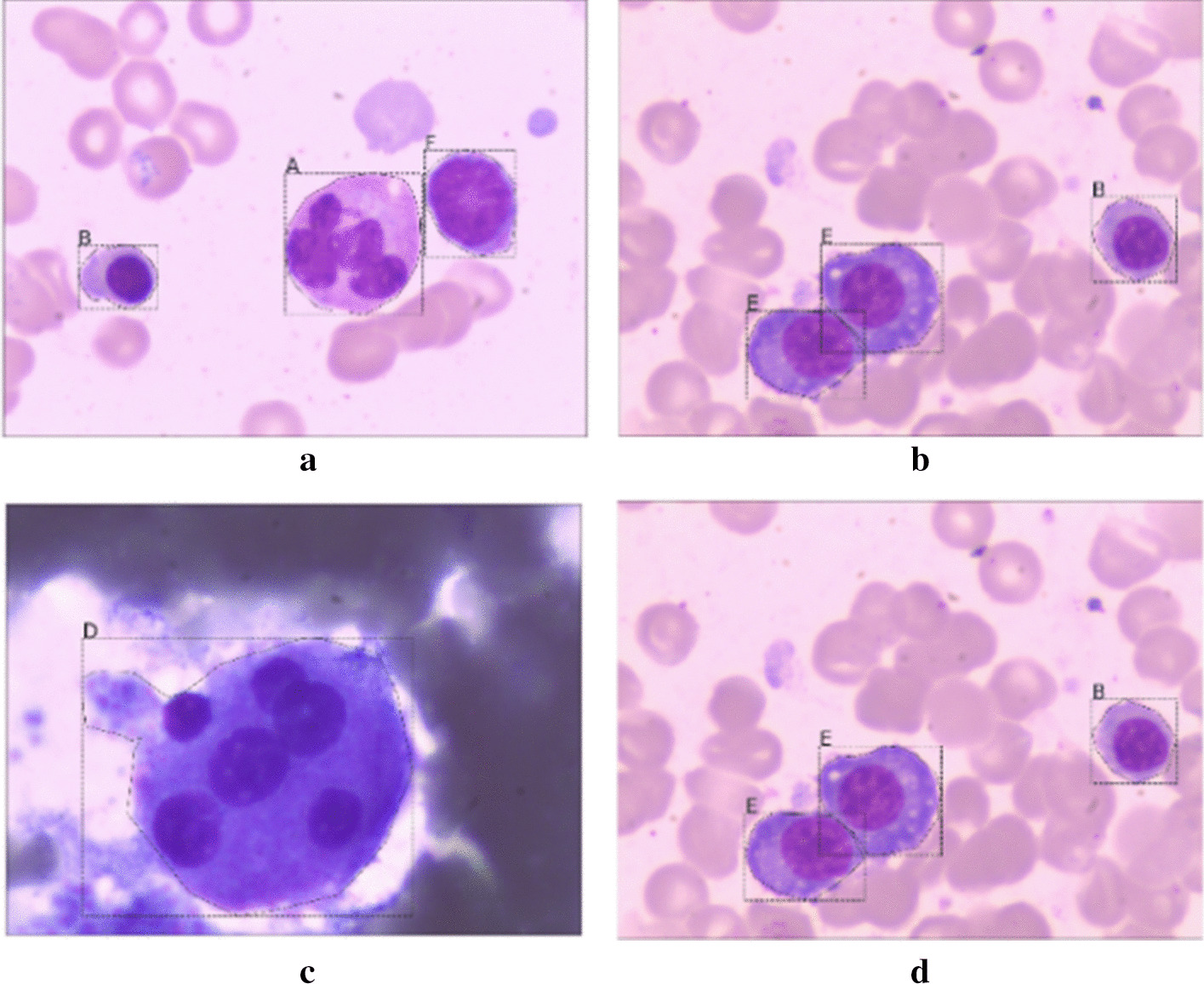
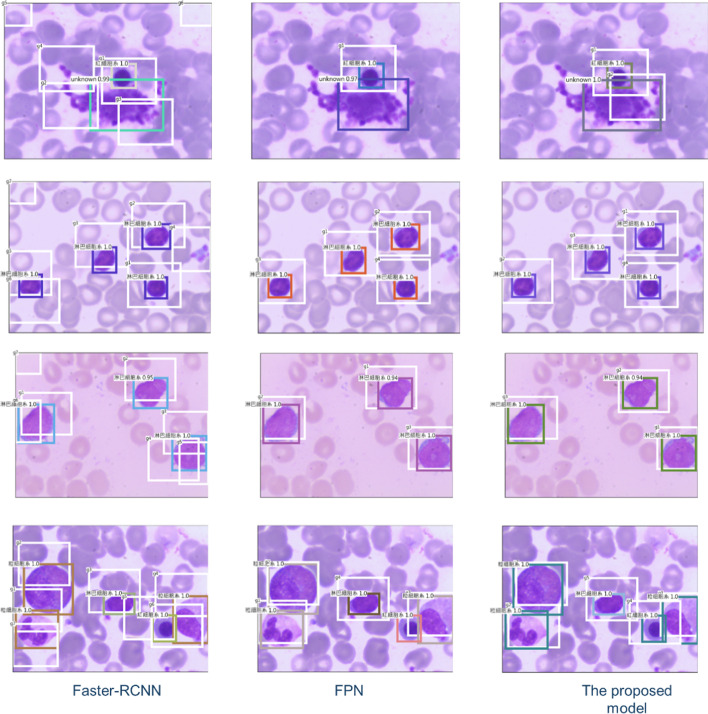
This paper uses a deep learning method to count cells in color bone marrow microscopic images automatically. The proposed method uses a Faster RCNN and a Feature Pyramid Network to construct a system that deals with various illumination levels and accounts for color components' stability. The dataset of The Second Affiliated Hospital of Zhejiang University is used to train and test.
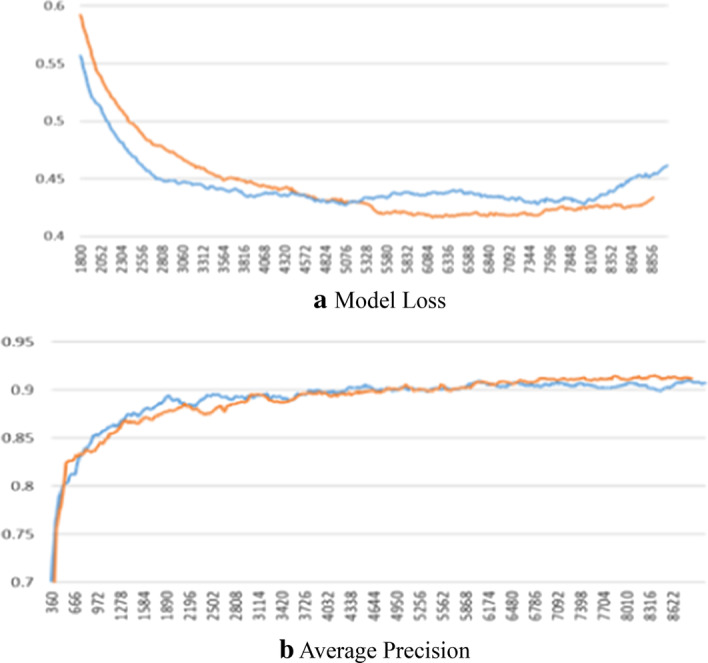
The experiments test the effectiveness of the proposed white blood cell classification system using a total of 609 white blood cell images with a resolution of 2560 × 1920. The highest overall correct recognition rate could reach 98.8% accuracy. The experimental results show that the proposed system is comparable to some state-of-art systems. A user interface allows pathologists to operate the system easily.
区分和计数骨髓涂片上的各种类型的白细胞(WBC)可以检测感染、贫血和白血病,或分析治疗过程。然而,手动定位、识别和计数不同类别的 WBC 既耗时又费力。分类和计数的准确性取决于操作人员的能力和经验。
本文使用深度学习方法自动对彩色骨髓显微镜图像中的细胞进行计数。该方法使用 Faster RCNN 和特征金字塔网络构建了一个系统,该系统可以处理各种光照水平,并考虑颜色成分的稳定性。使用浙江大学第二附属医院的数据集进行训练和测试。
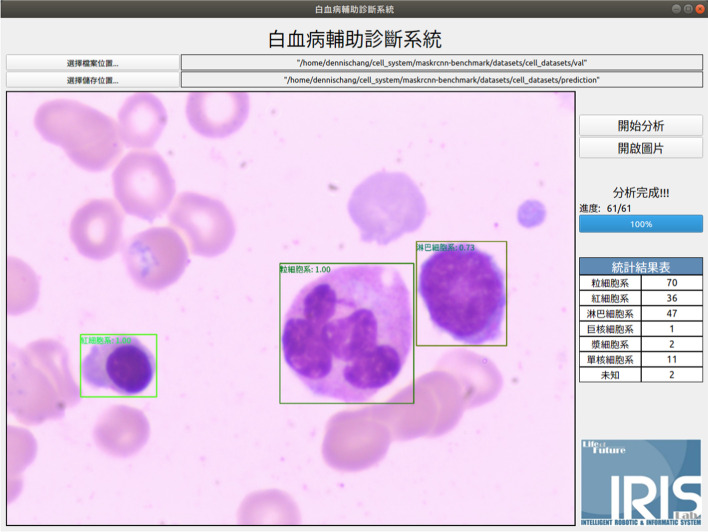
该实验使用分辨率为 2560×1920 的总共 609 张白细胞图像测试了所提出的白细胞分类系统的有效性。最高的整体正确识别率可达 98.8%的准确率。实验结果表明,所提出的系统可与一些最先进的系统相媲美。一个用户界面允许病理学家轻松操作该系统。