Appleton Institute, CQUniversity, Adelaide, Australia.
Appleton Institute, CQUniversity, Adelaide, Australia.
Accid Anal Prev. 2022 Feb;165:106398. doi: 10.1016/j.aap.2021.106398. Epub 2021 Oct 28.
Fatigue Risk Management Systems (FRMS) are a data-driven set of management practices for identifying and managing fatigue-related safety risks. This approach also considers sleep and work time, and is based on ongoing risk assessment and monitoring. This narrative review addresses the effectiveness of FRMS, as well as barriers and enablers in the implementation of FRMS. Furthermore, this review draws on the literature to provide evidence-based policy guidance regarding FRMS implementation.
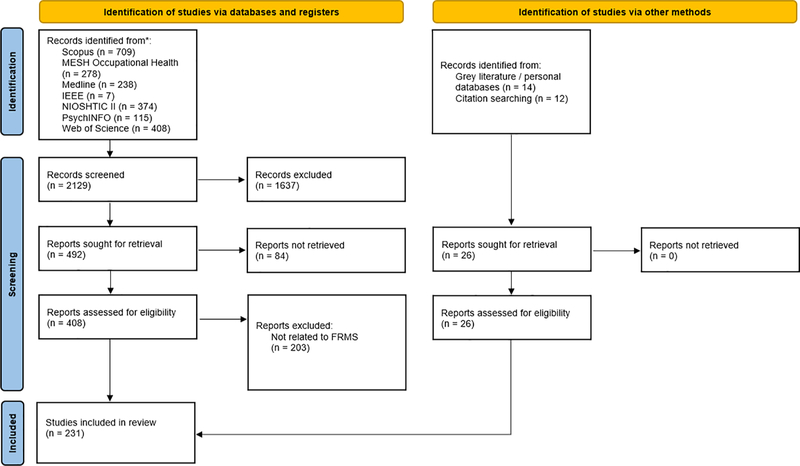
Seven databases were drawn on to identify relevant peer-reviewed literature. Relevant grey literature was also reviewed based on the authors' experience in the area. In total, 2129 records were screened based on the search strategy, with 231 included in the final review.
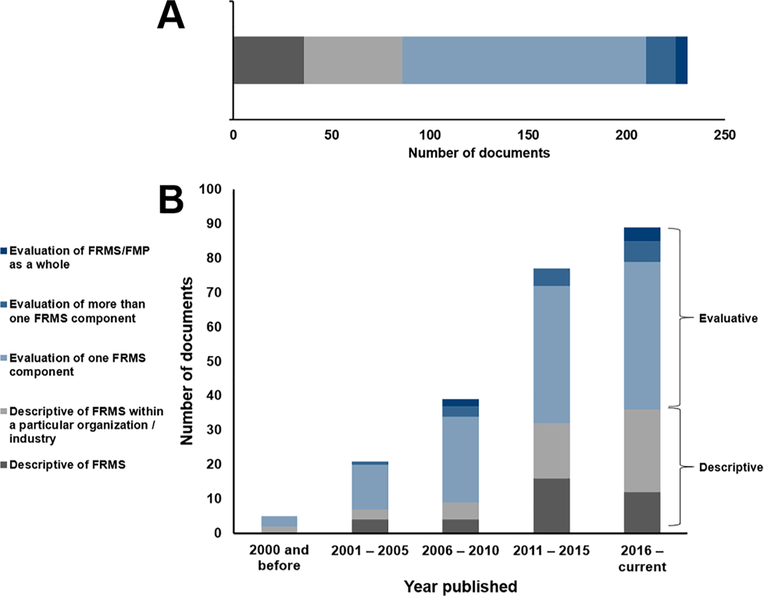
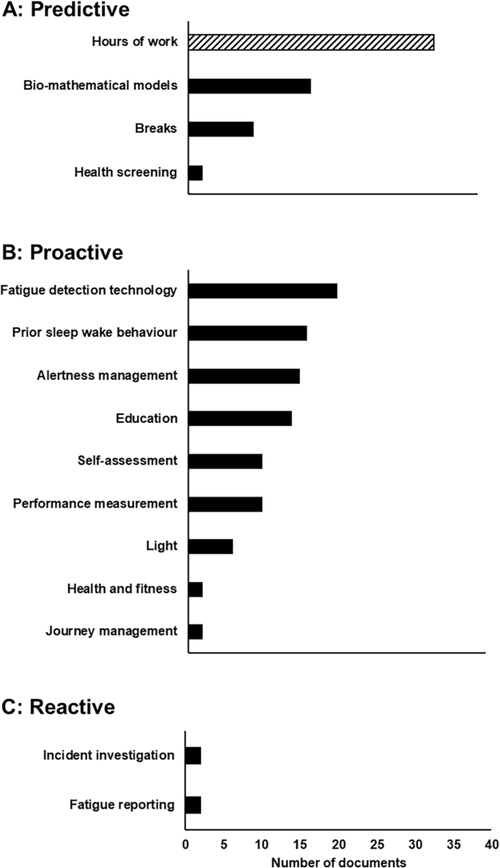
Few studies provide an evidence-base for the effectiveness of FRMS as a whole. However, FRMS components (e.g., bio-mathematical models, self-report measures, performance monitoring) have improved key safety and fatigue metrics. This suggests FRMS as a whole are likely to have positive safety outcomes. Key enablers of successful implementation of FRMS include organisational and worker commitment, workplace culture, and training.
While FRMS are likely to be effective, in organisations where safety cultures are insufficiently mature and resources are less available, these systems may be challenging to implement successfully. We propose regulatory bodies consider a hybrid model of FRMS, where organisations could choose to align with tight hours of work (compliance) controls. Alternatively, where organisational flexibility is desired, a risk-based approach to fatigue management could be implemented.
疲劳风险管理系统(FRMS)是一套基于数据的管理实践,用于识别和管理与疲劳相关的安全风险。这种方法还考虑了睡眠和工作时间,并且基于持续的风险评估和监测。本叙述性综述探讨了 FRMS 的有效性,以及 FRMS 实施中的障碍和促进因素。此外,本综述还借鉴了文献,为 FRMS 实施提供了循证政策指导。
从七个数据库中提取相关同行评议文献。根据作者在该领域的经验,还对相关灰色文献进行了审查。总共根据搜索策略筛选了 2129 条记录,最终审查中纳入了 231 条记录。
很少有研究为 FRMS 作为一个整体的有效性提供证据基础。然而,FRMS 组件(例如,生物数学模型、自我报告措施、性能监测)已经改善了关键的安全和疲劳指标。这表明 FRMS 作为一个整体可能会产生积极的安全结果。成功实施 FRMS 的关键促进因素包括组织和工人的承诺、工作场所文化和培训。
虽然 FRMS 可能有效,但在安全文化不够成熟和资源较少的组织中,这些系统可能难以成功实施。我们建议监管机构考虑 FRMS 的混合模式,其中组织可以选择遵守严格的工作时间(合规)控制。或者,如果需要组织灵活性,可以实施基于风险的疲劳管理方法。