UIRFIDE (Sport Performance and Physical Fitness Research Group), Department of Physical and Sports Education, Faculty of Physical Activity and Sports Science, University of Valencia, 46010 Valencia, Spain.
Department of Physical Education and Sports, Institute of Physical Education, University of Antioquia, Medellín 050010, Colombia.
Int J Environ Res Public Health. 2021 Oct 30;18(21):11441. doi: 10.3390/ijerph182111441.
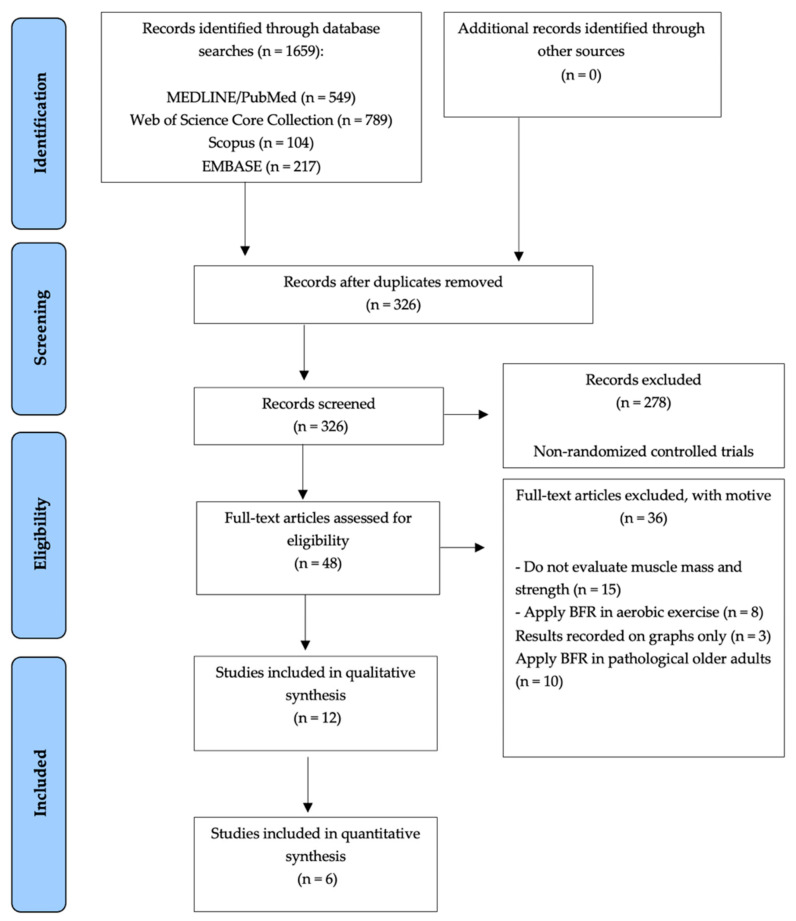
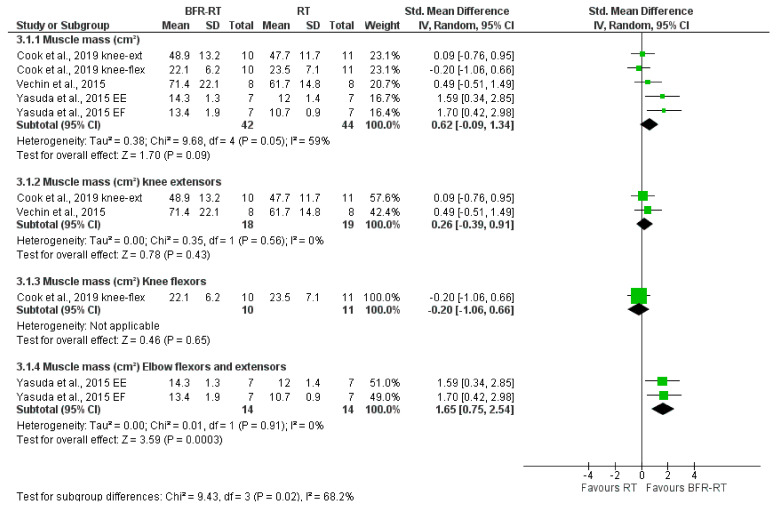
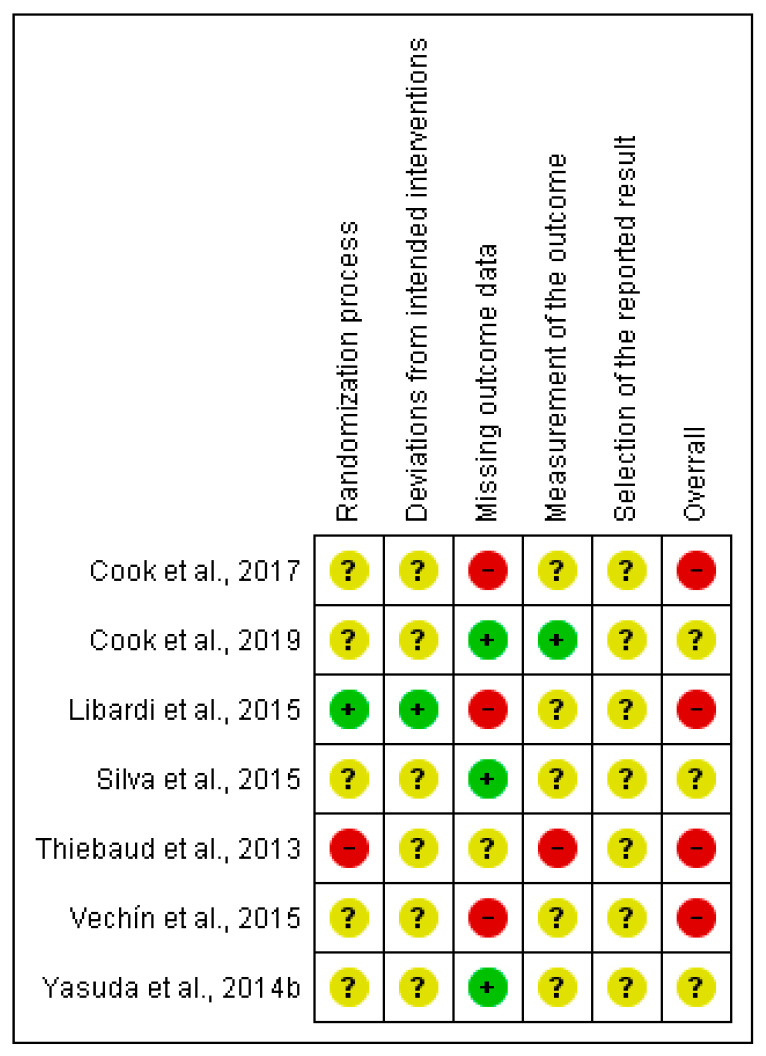
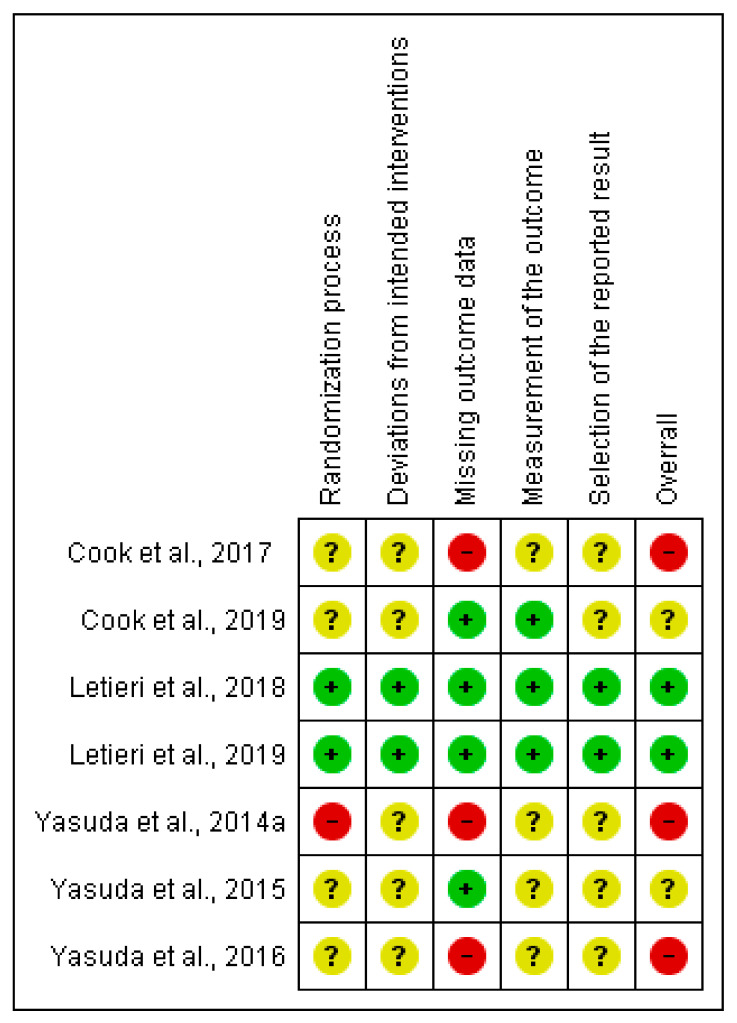
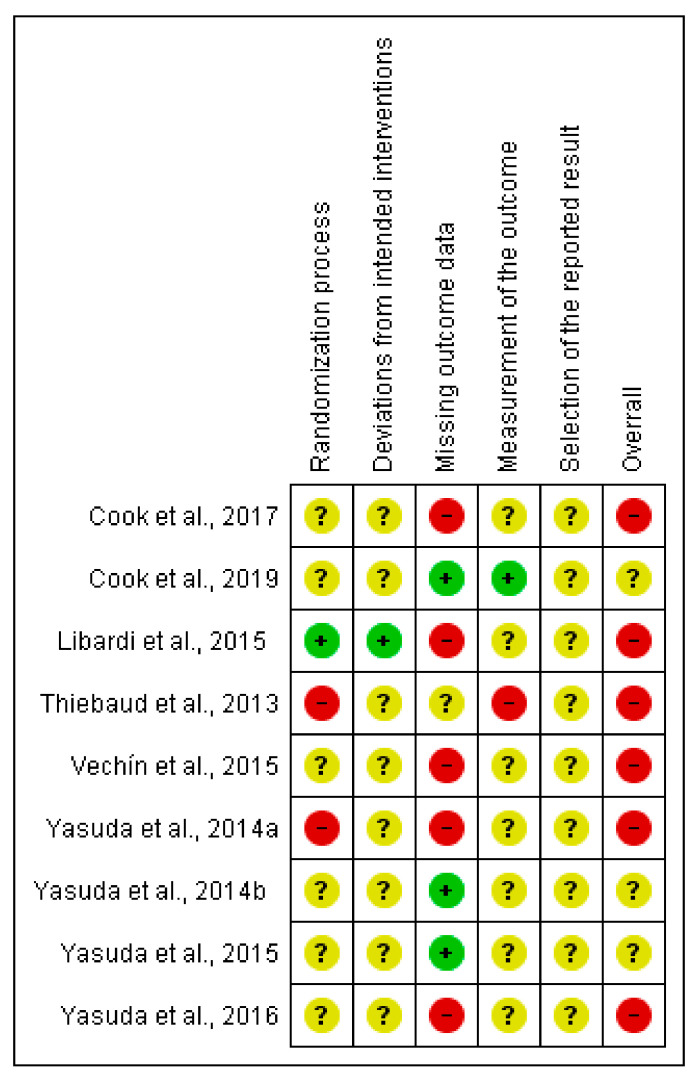
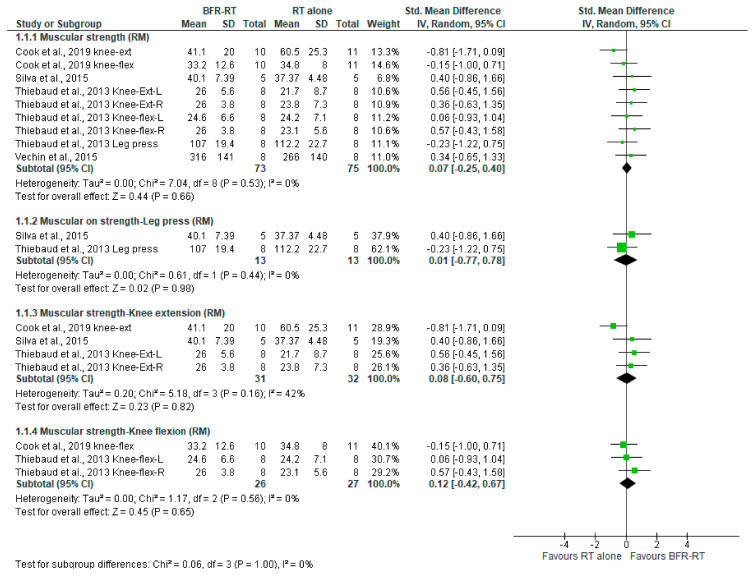
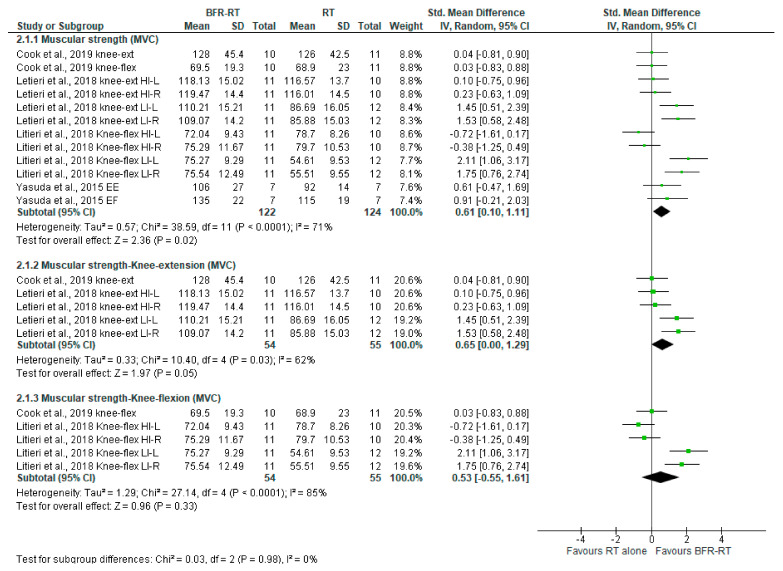
Low-intensity training with blood flow restriction (LI-BFR) has been suggested as an alternative to high-intensity resistance training for the improvement of strength and muscle mass, becoming advisable for individuals who cannot assume such a load. The systematic review aimed to determine the effectiveness of the LI-BFR compared to dynamic high-intensity resistance training on strength and muscle mass in non-active older adults. A systematic review was conducted according to the Cochrane Handbook and reportedly followed the PRISMA statement. MEDLINE, EMBASE, Web of Science Core Collection, and Scopus databases were searched between September and October 2020. Two reviewers independently selected the studies, extracted data, assessed the risk of bias and the quality of evidence using the GRADE approach. Twelve studies were included in the qualitative synthesis. Meta-analysis pointed out significant differences in maximal voluntary contraction (MVC): SMD 0.61, 95% CI [0.10, 1.11], = 0.02, I 71% < 0.0001; but not in the repetition maximum (RM): SMD 0.07, 95% CI [-0.25, 0.40], = 0.66, I 0% < 0.53; neither in the muscle mass: SMD 0.62, 95% CI [-0.09, 1.34], = 0.09, I 59% = 0.05. Despite important limitations such as scarce literature regarding LI-BFR in older adults, the small sample size in most studies, the still differences in methodology and poor quality in many of them, this systematic review and meta-analysis revealed a positive benefit in non-active older adults. LI- BFR may induce increased muscular strength and muscle mass, at least at a similar extent to that in the traditional high-intensity resistance training.
低强度训练结合血流限制(LI-BFR)已被提议作为高强度抗阻训练的替代方法,用于改善力量和肌肉质量,对于无法承受这种负荷的个体来说是一种可行的选择。本系统评价旨在确定 LI-BFR 与动态高强度抗阻训练相比,在非活跃老年人群中对力量和肌肉质量的有效性。系统评价按照 Cochrane 手册进行,并按照 PRISMA 声明进行报告。2020 年 9 月至 10 月期间,检索了 MEDLINE、EMBASE、Web of Science 核心合集和 Scopus 数据库。两名评审员独立选择研究、提取数据、使用 GRADE 方法评估偏倚风险和证据质量。纳入了 12 项研究进行定性综合。荟萃分析表明,最大自主收缩(MVC)存在显著差异:SMD 0.61,95%CI [0.10, 1.11], = 0.02,I 71% < 0.0001;但在重复最大(RM)方面无显著差异:SMD 0.07,95%CI [-0.25, 0.40], = 0.66,I 0% < 0.53;在肌肉质量方面也无显著差异:SMD 0.62,95%CI [-0.09, 1.34], = 0.09,I 59% = 0.05。尽管存在一些重要限制,例如关于 LI-BFR 在老年人中的文献较少、大多数研究的样本量较小、方法学上仍存在差异以及许多研究的质量较差,但本系统评价和荟萃分析显示,LI-BFR 对非活跃老年人有积极的益处。LI-BFR 可能会引起肌肉力量和肌肉质量的增加,至少在与传统高强度抗阻训练相似的程度上。