Department of Applied Physics, University of Granada, Av. Severo Ochoa s/n, 18071 Granada, Spain.
Department of Building Construction, University of Granada, Av. Severo Ochoa s/n, 18071 Granada, Spain.
Sensors (Basel). 2021 Oct 30;21(21):7223. doi: 10.3390/s21217223.
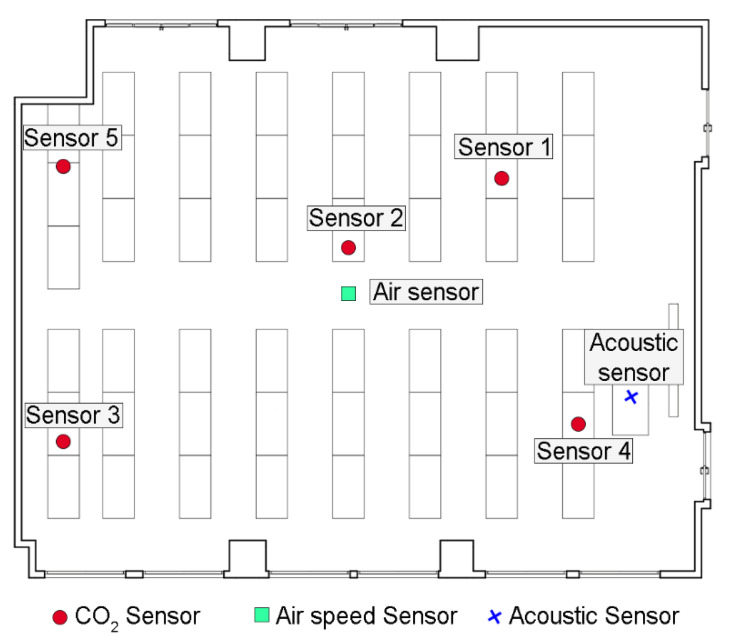
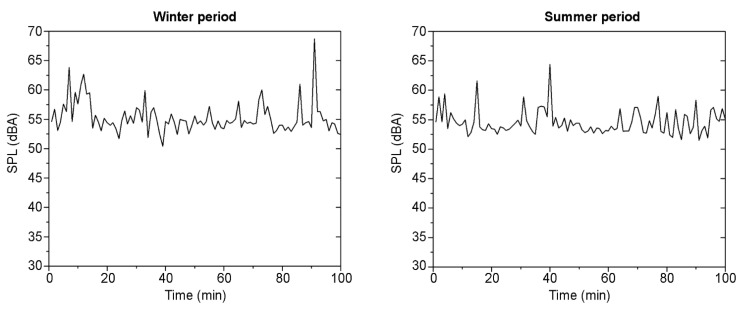
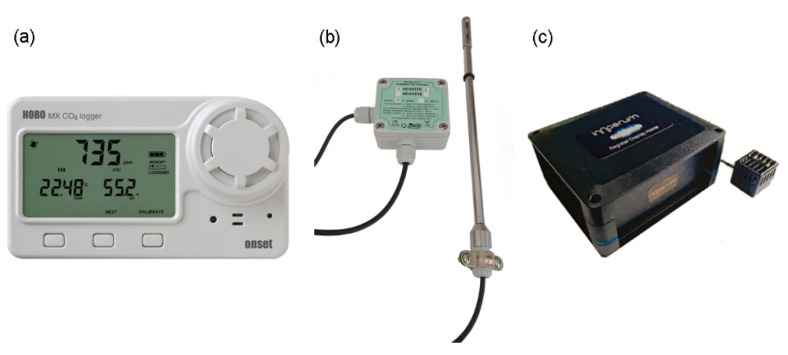
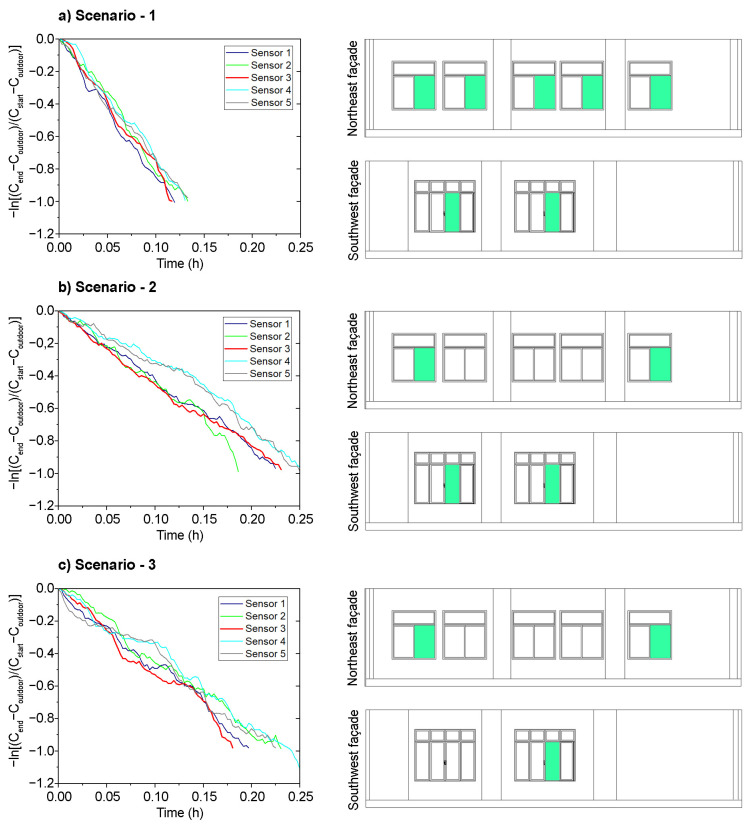
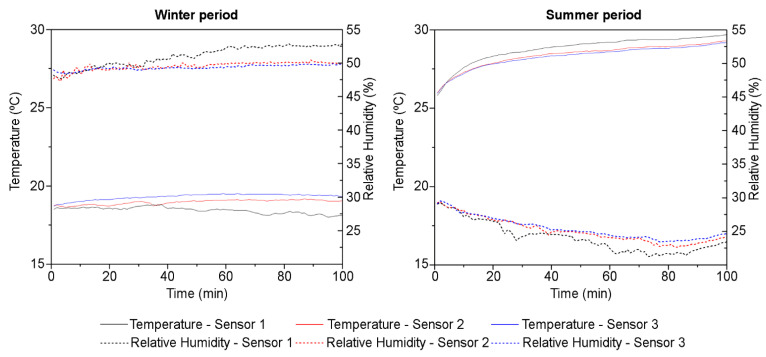
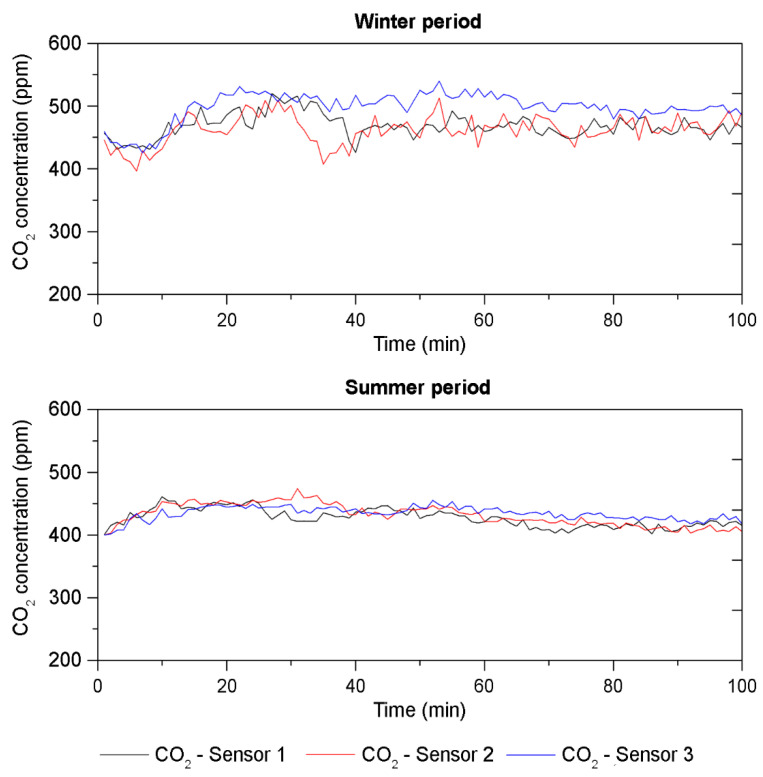
Since students and teachers spend much of their time in educational buildings, it is critical to provide good levels of indoor environmental quality (IEQ). The current COVID-19 pandemic has shown that maintaining a good indoor air quality level is an effective measure to control the transmission of the SARS-CoV-2 virus. This study used sensors to monitor key IEQ factors and assess several natural ventilation scenarios in a classroom of the University of Granada. Subsequently, the IEQ factors (temperature, relative humidity, CO concentration, acoustic environment, and air velocity) were evaluated for the selected ventilation scenarios in the occupied classroom, and the field monitoring was carried out in two different assessment periods, winter and summer. The obtained results show that the CO concentration levels were well below the recommended limits. However, the maintenance of the recommended thermal and acoustic IEQ factors was significantly affected by the natural ventilation strategies (temperature and relative humidity values were very close to the outside values, and the background sound pressure level was over 35 dBA during the entire assessment). The proper measurements and careful selection of the appropriate ventilation scenarios become of utmost importance to ensure that the ventilation rates required by the health authorities are achieved.
由于学生和教师在很大程度上把时间花在教育建筑内,因此为他们提供良好的室内环境质量(IEQ)至关重要。当前的 COVID-19 大流行表明,保持良好的室内空气质量水平是控制 SARS-CoV-2 病毒传播的有效措施。本研究使用传感器监测关键的 IEQ 因素,并评估了格拉纳达大学一间教室中的几种自然通风方案。随后,针对选定的通风方案在有人占用的教室中评估了 IEQ 因素(温度、相对湿度、CO 浓度、声环境和气流速度),并在两个不同的评估期(冬季和夏季)进行了现场监测。获得的结果表明,CO 浓度水平远低于建议的限值。然而,自然通风策略显著影响了推荐的热和声学 IEQ 因素的维持(温度和相对湿度值非常接近室外值,整个评估期间背景声压级超过 35 dBA)。适当的测量和仔细选择适当的通风方案变得至关重要,以确保达到卫生当局要求的通风率。