Pistelli Mirco, Natalucci Valentina, Scortichini Laura, Agostinelli Veronica, Lenci Edoardo, Crocetti Sonia, Merloni Filippo, Bastianelli Lucia, Taus Marina, Fumelli Daniele, Giulietti Gloria, Cola Claudia, Capecci Marianna, Serrani Roberta, Ceravolo Maria Gabriella, Ricci Maurizio, Nicolai Albano, Barbieri Elena, Nicolai Giulia, Ballatore Zelmira, Savini Agnese, Berardi Rossana
Department of Medical Oncology, Università Politecnica delle Marche, AOU Ospedali Riuniti di Ancona, 60126 Ancona, Italy.
Department of Biomolecular Sciences, University of Urbino Carlo Bo, 61029 Urbino, Italy.
Cancers (Basel). 2021 Nov 4;13(21):5539. doi: 10.3390/cancers13215539.
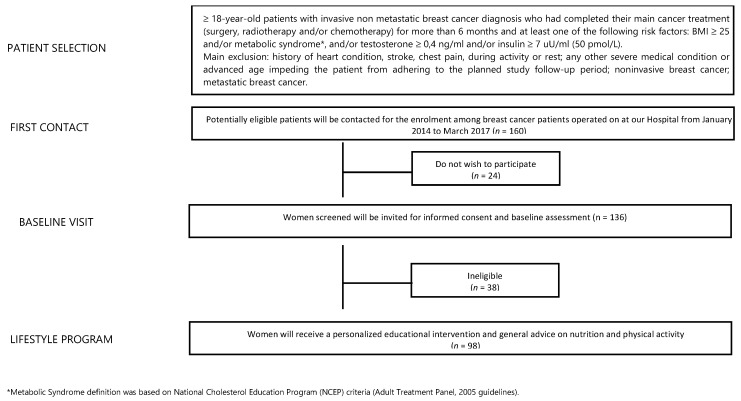
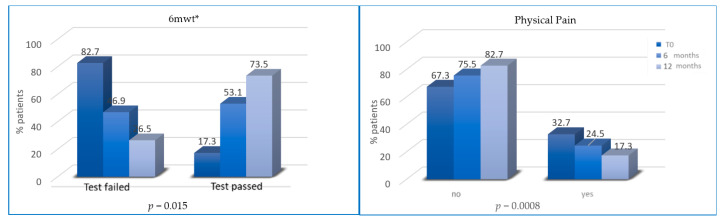
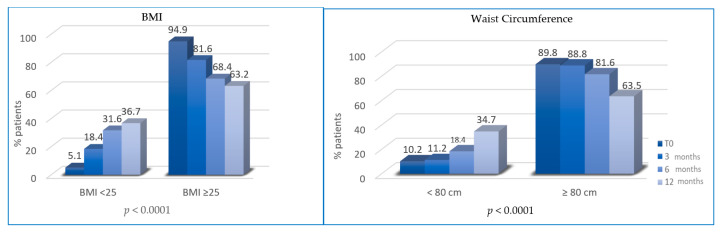
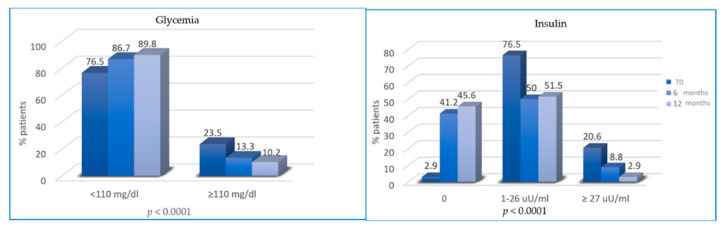
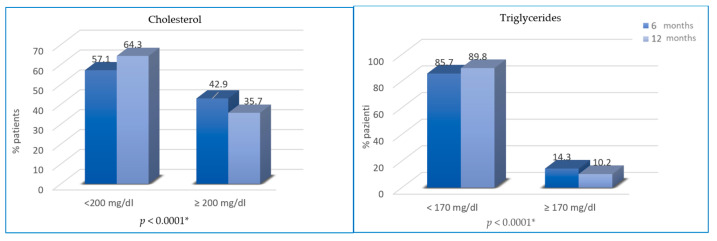
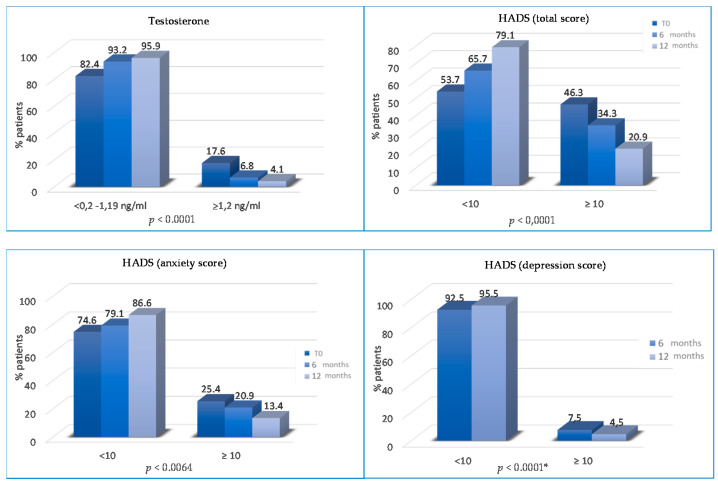
A healthy lifestyle plays a strategic role in the prevention of BC. The aim of our prospective study is to evaluate the effects of a lifestyle interventions program based on special exercise and nutrition education on weight, psycho-physical well-being, blood lipid and hormonal profile among BC patients who underwent primary surgery. From January 2014 to March 2017, a multidisciplinary group of oncologists, dieticians, physiatrists and an exercise specialist evaluated 98 adult BC female patients at baseline and at different time points. The patients had at least one of the following risk factors: BMI ≥ 25 kg/m, high testosterone levels, high serum insulin levels or diagnosis of MS. Statistically significant differences are shown in terms of BMI variation with the lifestyle interventions program, as well as in waist circumference and blood glucose, insulin and testosterone levels. Moreover, a statistically significant difference was reported in variations of total Hospital Anxiety and Depression Scale (HADS) score, in the anxiety HADS score and improvement in joint pain. Our results suggested that promoting a healthy lifestyle in clinical practice reduces risk factors involved in BC recurrence and ensures psycho-physical well-being.
健康的生活方式在乳腺癌预防中起着关键作用。我们前瞻性研究的目的是评估一项基于特殊运动和营养教育的生活方式干预计划对接受初次手术的乳腺癌患者的体重、身心健康、血脂和激素水平的影响。2014年1月至2017年3月,一个由肿瘤学家、营养师、物理治疗师和运动专家组成的多学科团队在基线和不同时间点对98名成年乳腺癌女性患者进行了评估。这些患者至少有以下风险因素之一:体重指数(BMI)≥25kg/m²、睾酮水平高、血清胰岛素水平高或患有代谢综合征(MS)。生活方式干预计划在BMI变化、腰围、血糖、胰岛素和睾酮水平方面显示出统计学上的显著差异。此外,在医院焦虑抑郁量表(HADS)总分变化、焦虑HADS评分以及关节疼痛改善方面也报告了统计学上的显著差异。我们的结果表明,在临床实践中推广健康的生活方式可降低乳腺癌复发相关的风险因素,并确保身心健康。