Graduate School of Pharmaceutical Sciences, The University of Tokyo, Tokyo, 113-0033, Japan.
Institute for Frontier Life and Medical Sciences, Kyoto University, Kyoto, 606-8507, Japan.
Nat Commun. 2021 Nov 12;12(1):6562. doi: 10.1038/s41467-021-26605-0.
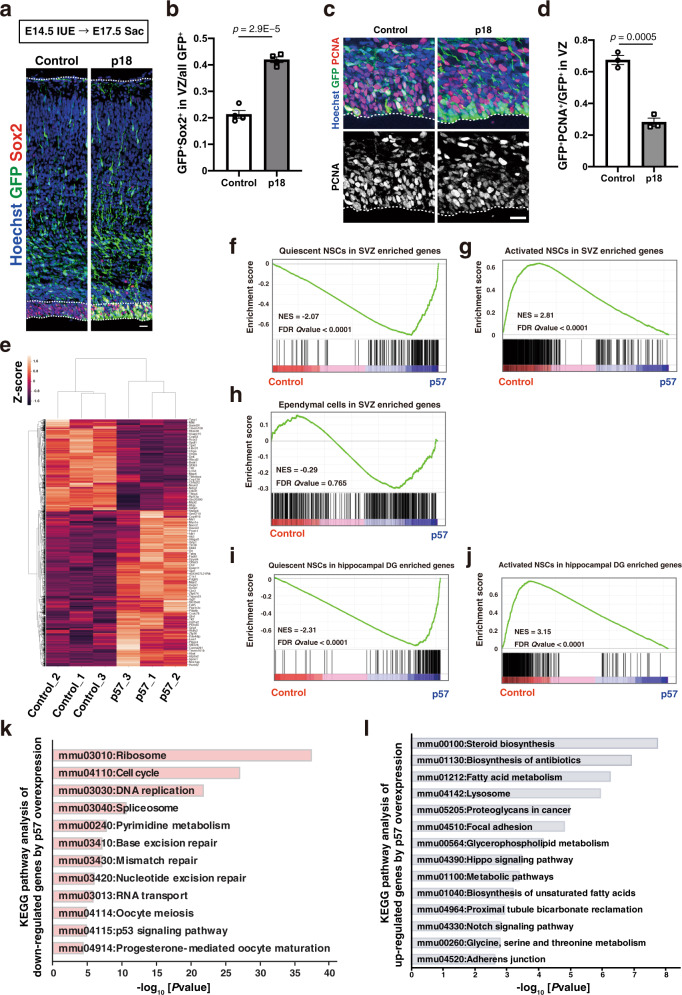
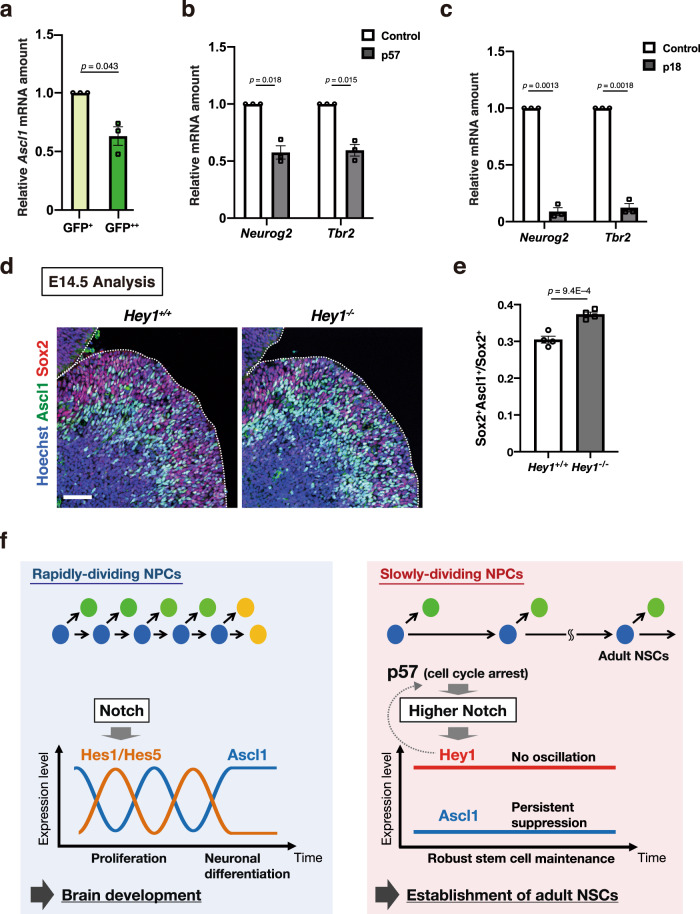
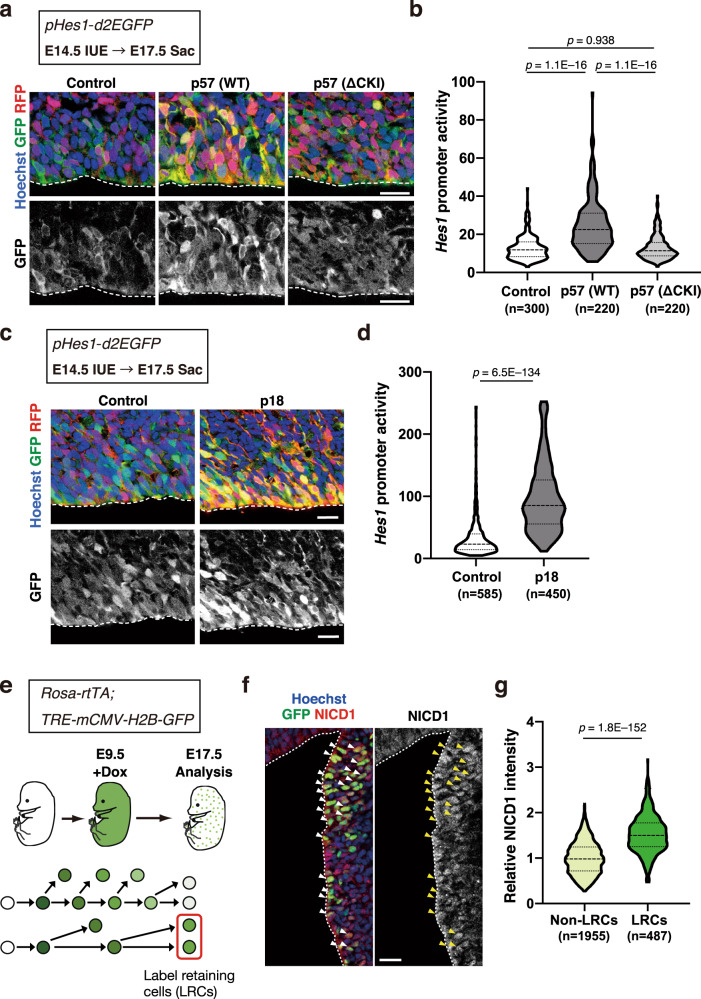
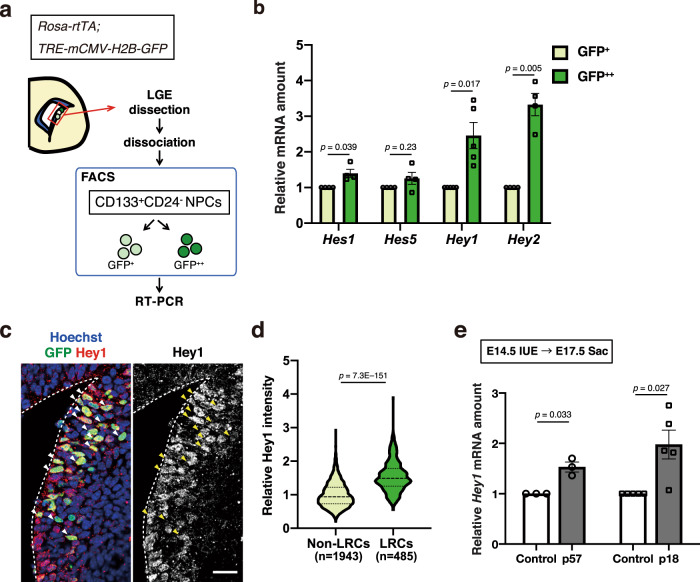
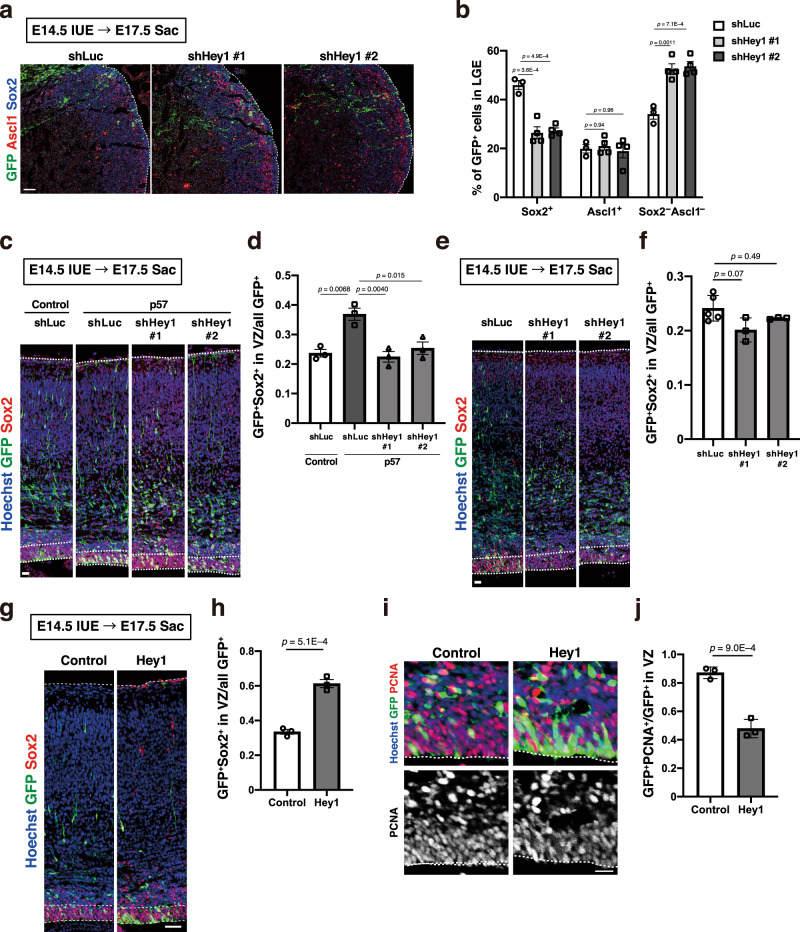
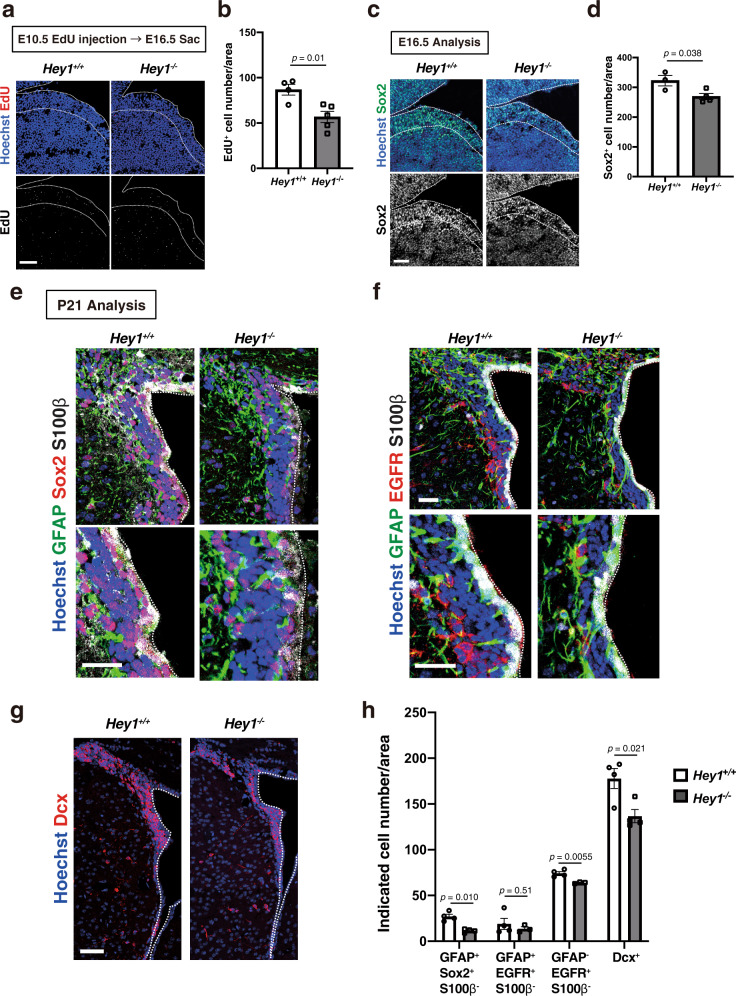
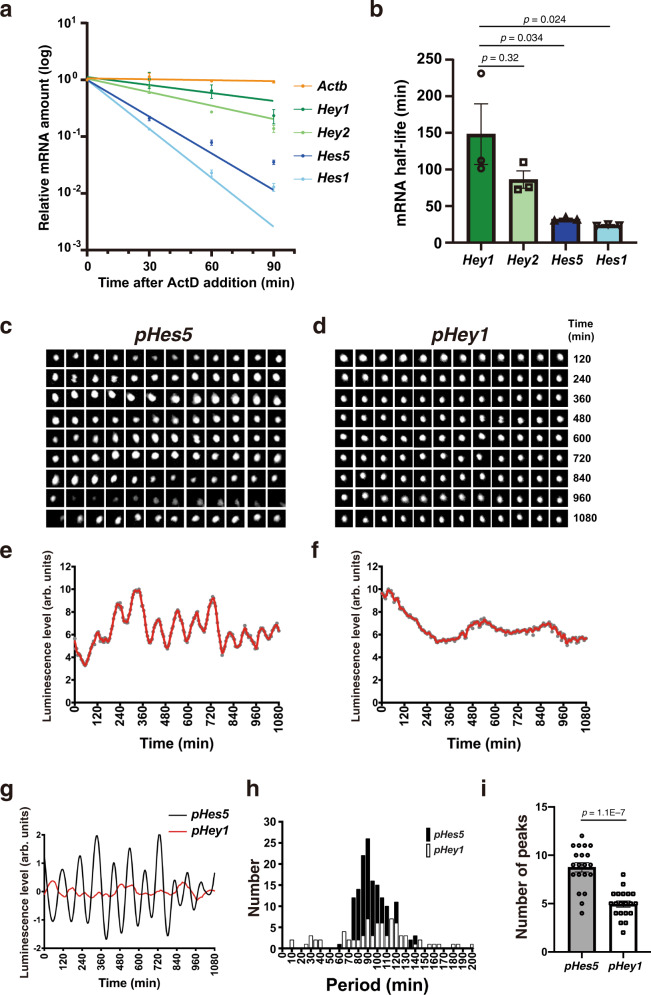
Quiescent neural stem cells (NSCs) in the adult mouse brain are the source of neurogenesis that regulates innate and adaptive behaviors. Adult NSCs in the subventricular zone are derived from a subpopulation of embryonic neural stem-progenitor cells (NPCs) that is characterized by a slower cell cycle relative to the more abundant rapid cycling NPCs that build the brain. Yet, how slow cell cycle can cause the establishment of adult NSCs remains largely unknown. Here, we demonstrate that Notch and an effector Hey1 form a module that is upregulated by cell cycle arrest in slowly dividing NPCs. In contrast to the oscillatory expression of the Notch effectors Hes1 and Hes5 in fast cycling progenitors, Hey1 displays a non-oscillatory stationary expression pattern and contributes to the long-term maintenance of NSCs. These findings reveal a novel division of labor in Notch effectors where cell cycle rate biases effector selection and cell fate.
静息神经干细胞(NSCs)是调节先天和适应性行为的神经发生的来源。成年小鼠脑室内的 NSCs 来源于胚胎神经干细胞-祖细胞(NPCs)的一个亚群,其细胞周期比构成大脑的更丰富的快速循环 NPCs 更慢。然而,慢细胞周期如何导致成年 NSCs 的建立在很大程度上仍是未知的。在这里,我们证明 Notch 和其效应因子 Hey1 形成了一个模块,该模块在缓慢分裂的 NPC 中被细胞周期阻滞上调。与快速分裂祖细胞中 Notch 效应物 Hes1 和 Hes5 的振荡表达相反,Hey1 表现出非振荡的固定表达模式,并有助于 NSCs 的长期维持。这些发现揭示了 Notch 效应物中一种新的分工方式,其中细胞周期率偏向于效应物的选择和细胞命运。