Fleites Yoel A, Aguiar Jorge, Cinza Zurina, Bequet Monica, Marrero Elieser, Vizcaíno Maritania, Esquivel Idelsis, Diaz Marisol, Sin-Mayor Adriana, Garcia Maura, Martinez Sara M, Beato Abrahan, Galarraga Ana G, Mendoza-Mari Yssel, Valdés Iris, García Gerardo, Lemos Gilda, González Isabel, Canaán-Haden Camila, Figueroa Nelvis, Oquendo Rachel, Akbar Sheikh Mf, Mahtab Mamun A, Uddin Mohammad H, Guillén Gerardo E, Muzio Verena L, Pentón Eduardo, Aguilar Julio C
Department of Clinical Trials, Luis Diaz Soto Hospital, Havana, Cuba.
Department of Vaccines, Biomedical Research Direction, Center for Genetic Engineering and Biotechnology, Havana, Cuba.
Euroasian J Hepatogastroenterol. 2021 Jul-Dec;11(2):59-70. doi: 10.5005/jp-journals-10018-1344.
More than 180 million people have been infected by severe acute respiratory syndrome coronavirus 2 (SARS-CoV-2) and more than 4 million coronavirus disease-2019 (COVID-19) patients have died in 1.5 years of the pandemic. A novel therapeutic vaccine (NASVAC) has shown to be safe and to have immunomodulating and antiviral properties against chronic hepatitis B (CHB).
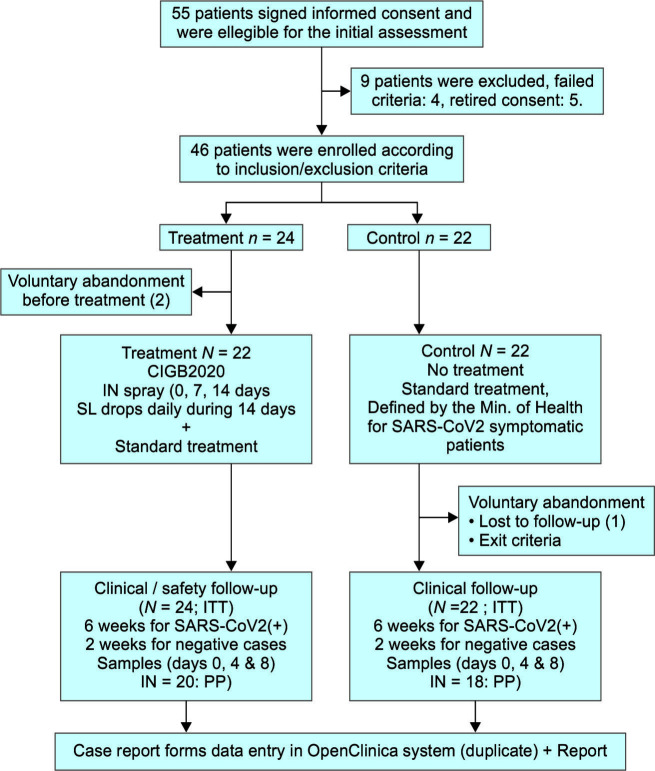
A phase I/II, open-label controlled and randomized clinical trial of NASVAC as a postexposure prophylaxis treatment was designed with the primary aim of assessing the local and systemic immunomodulatory effect of NASVAC in a cohort of suspected and SARS-CoV-2 risk-contact patients. A total of 46 patients, of both sexes, 60 years or older, presenting with symptoms of COVID-19 were enrolled in the study. Patients received NASVAC (100 μg per Ag per dose) via intranasal at days 1, 7, and 14 and sublingual, daily for 14 days.
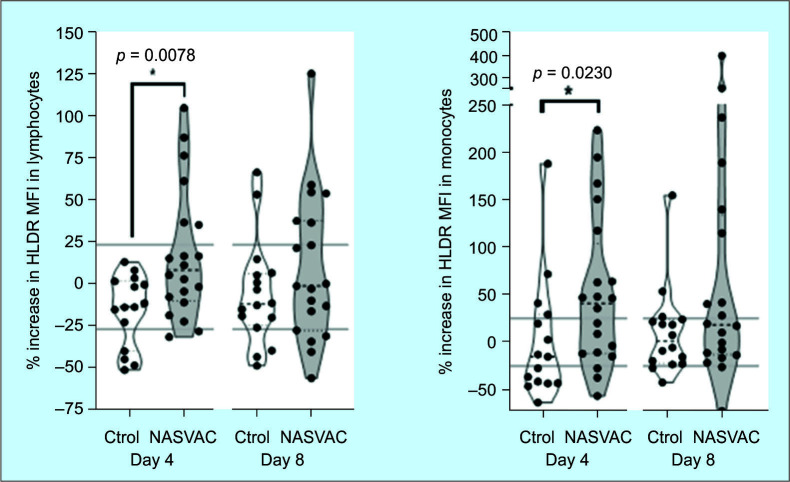
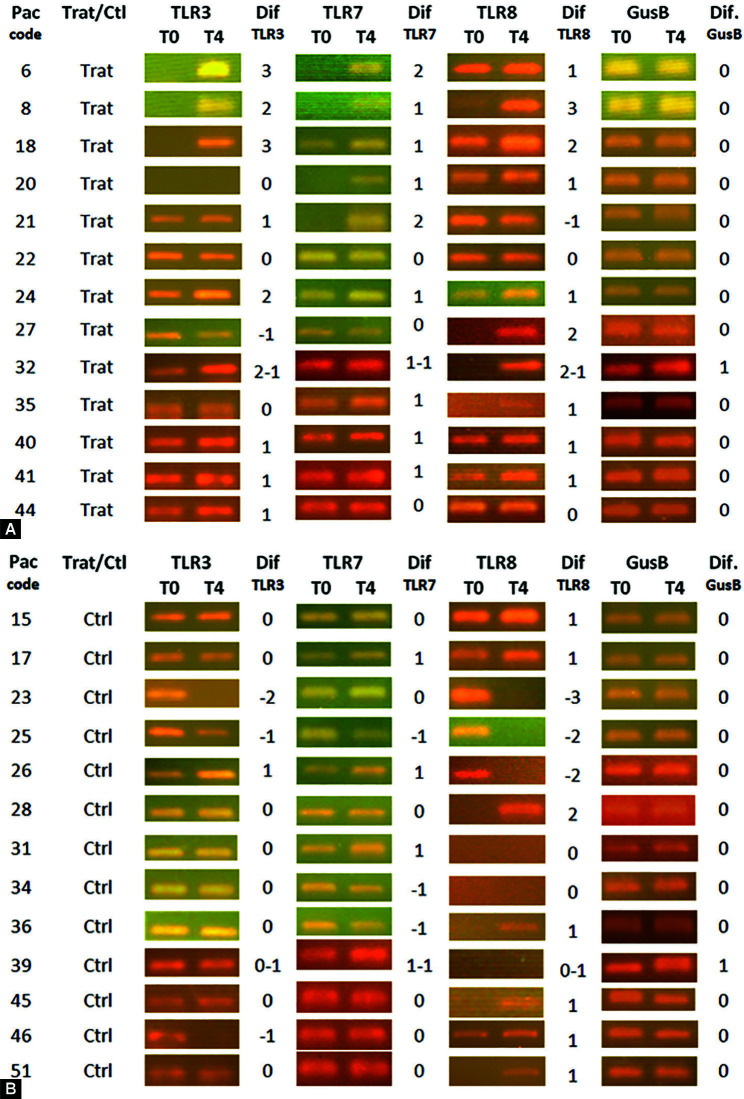
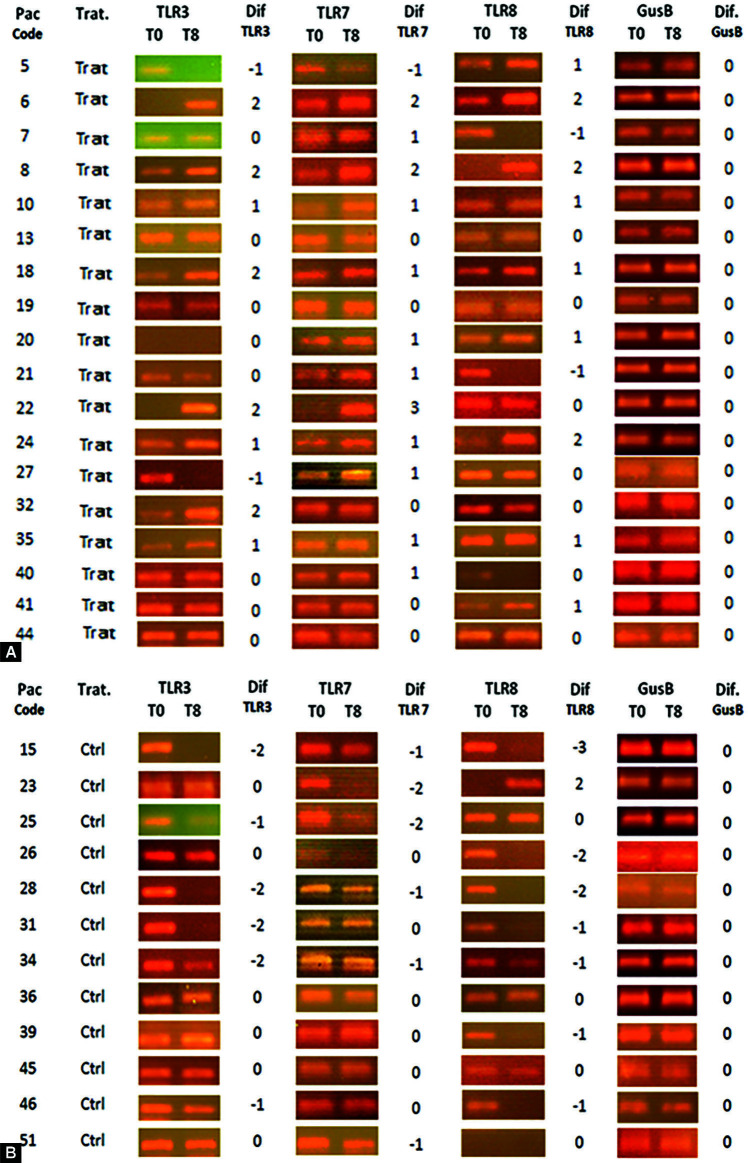
The present study detected an increased expression of toll-like receptors (TLR)-related genes in nasopharyngeal tonsils, a relevant property considering these are surrogate markers of SARS protection in the mice model of lethal infection. The HLA-class II increased their expression in peripheral blood mononuclear cell's (PBMC's) monocytes and lymphocytes, which is an attractive property taking into account the functional impairment of innate immune cells from the periphery of COVID-19-infected subjects. NASVAC was safe and well tolerated by the patients with acute respiratory infections and evidenced a preliminary reduction in the number of days with symptoms that needs to be confirmed in larger studies.
Our data justify the use of NASVAC as preemptive therapy or pre-/postexposure prophylaxis of SARS-CoV-2 and acute respiratory infections in general. The use of NASVAC or their active principles has potential as immunomodulatory prophylactic therapies in other antiviral settings like dengue as well as in malignancies like hepatocellular carcinoma where these markers have shown relation to disease progression.
Fleites YA, Aguiar J, Cinza Z, HeberNasvac, a Therapeutic Vaccine for Chronic Hepatitis B, Stimulates Local and Systemic Markers of Innate Immunity: Potential Use in SARS-CoV-2 Postexposure Prophylaxis. Euroasian J Hepato-Gastroenterol 2021;11(2):59-70.
在新冠疫情的1.5年时间里,超过1.8亿人感染了严重急性呼吸综合征冠状病毒2(SARS-CoV-2),超过400万2019冠状病毒病(COVID-19)患者死亡。一种新型治疗性疫苗(NASVAC)已被证明对慢性乙型肝炎(CHB)安全且具有免疫调节和抗病毒特性。
设计了一项NASVAC作为暴露后预防治疗的I/II期、开放标签对照和随机临床试验,主要目的是评估NASVAC在一组疑似和SARS-CoV-2风险接触患者中的局部和全身免疫调节作用。共有46名60岁及以上的男女COVID-19症状患者纳入研究。患者在第1、7和14天通过鼻内给药接受NASVAC(每剂每种抗原100μg),并舌下给药,每天1次,共14天。
本研究检测到鼻咽扁桃体中 toll 样受体(TLR)相关基因的表达增加,考虑到这些是致死性感染小鼠模型中SARS保护的替代标志物,这是一个相关特性。HLA-II类分子在外周血单核细胞(PBMC)的单核细胞和淋巴细胞中表达增加,鉴于COVID-19感染患者外周先天免疫细胞的功能受损,这是一个有吸引力的特性。NASVAC对急性呼吸道感染患者安全且耐受性良好,并初步证明症状持续天数有所减少,这需要在更大规模的研究中得到证实。
我们的数据证明NASVAC可作为SARS-CoV-2和一般急性呼吸道感染的抢先治疗或暴露前/后预防。NASVAC或其活性成分在其他抗病毒环境如登革热以及在恶性肿瘤如肝细胞癌中作为免疫调节预防性治疗具有潜力,在这些疾病中这些标志物已显示与疾病进展有关。
Fleites YA, Aguiar J, Cinza Z, 用于慢性乙型肝炎的治疗性疫苗HeberNasvac刺激先天免疫的局部和全身标志物:在SARS-CoV-2暴露后预防中的潜在应用。欧亚肝脏胃肠病学杂志2021;11(2):59 - 70。