Howard Candace M, Bush Stephen, Zgheib Nadim Bou, Lirette Seth T, Cortese Antonio, Mollo Antonio, Valluri Jagan, Claudio Pier Paolo
Department of Radiology, University of Mississippi Medical Center, Jackson, MS, USA.
Gynecologic Oncology, Charleston Area Medical Center Hospital, Charleston, WV, USA.
HSOA J Stem Cells Res Dev Ther. 2021;7(3). doi: 10.24966/srdt-2060/100076. Epub 2021 Sep 9.
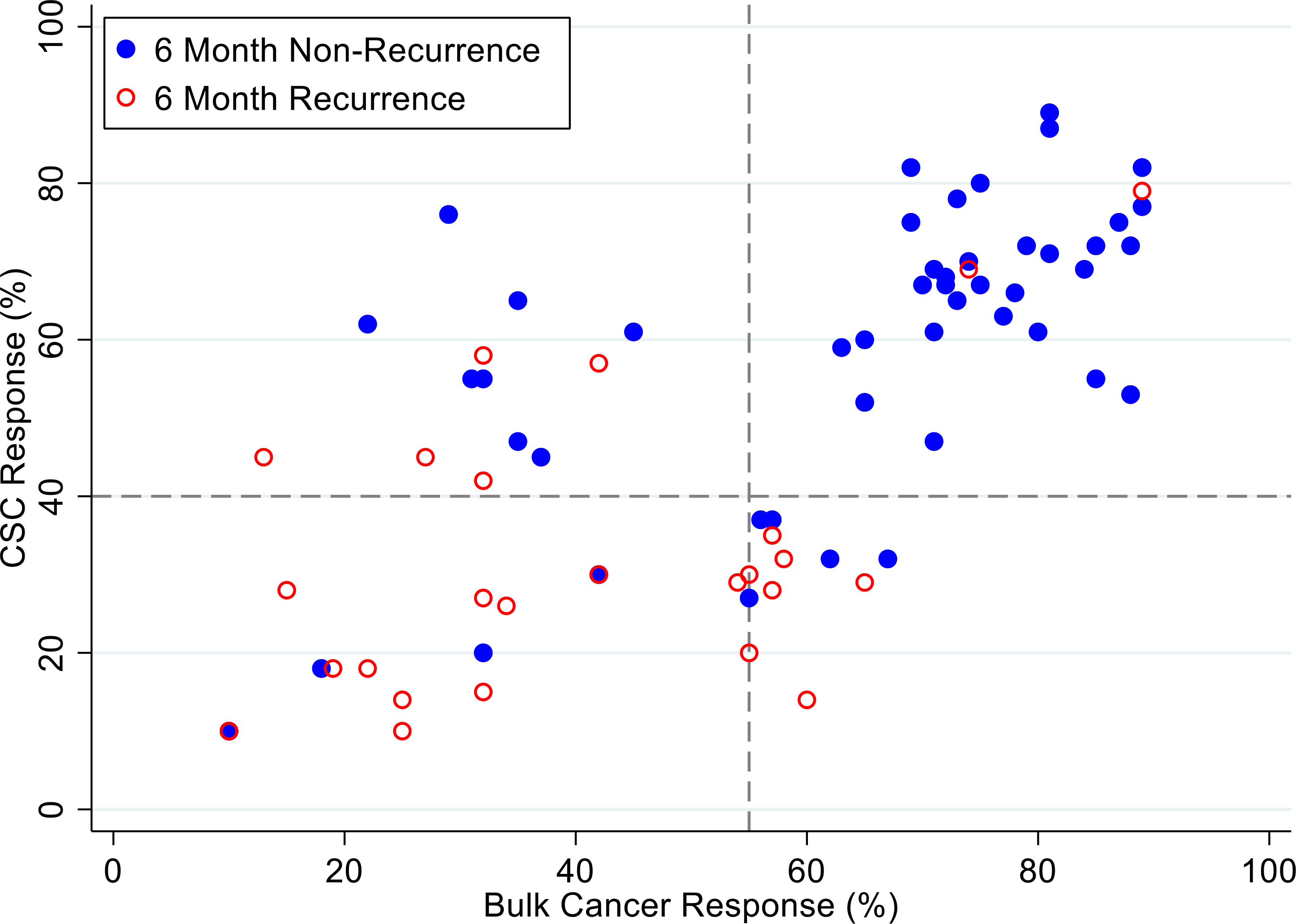
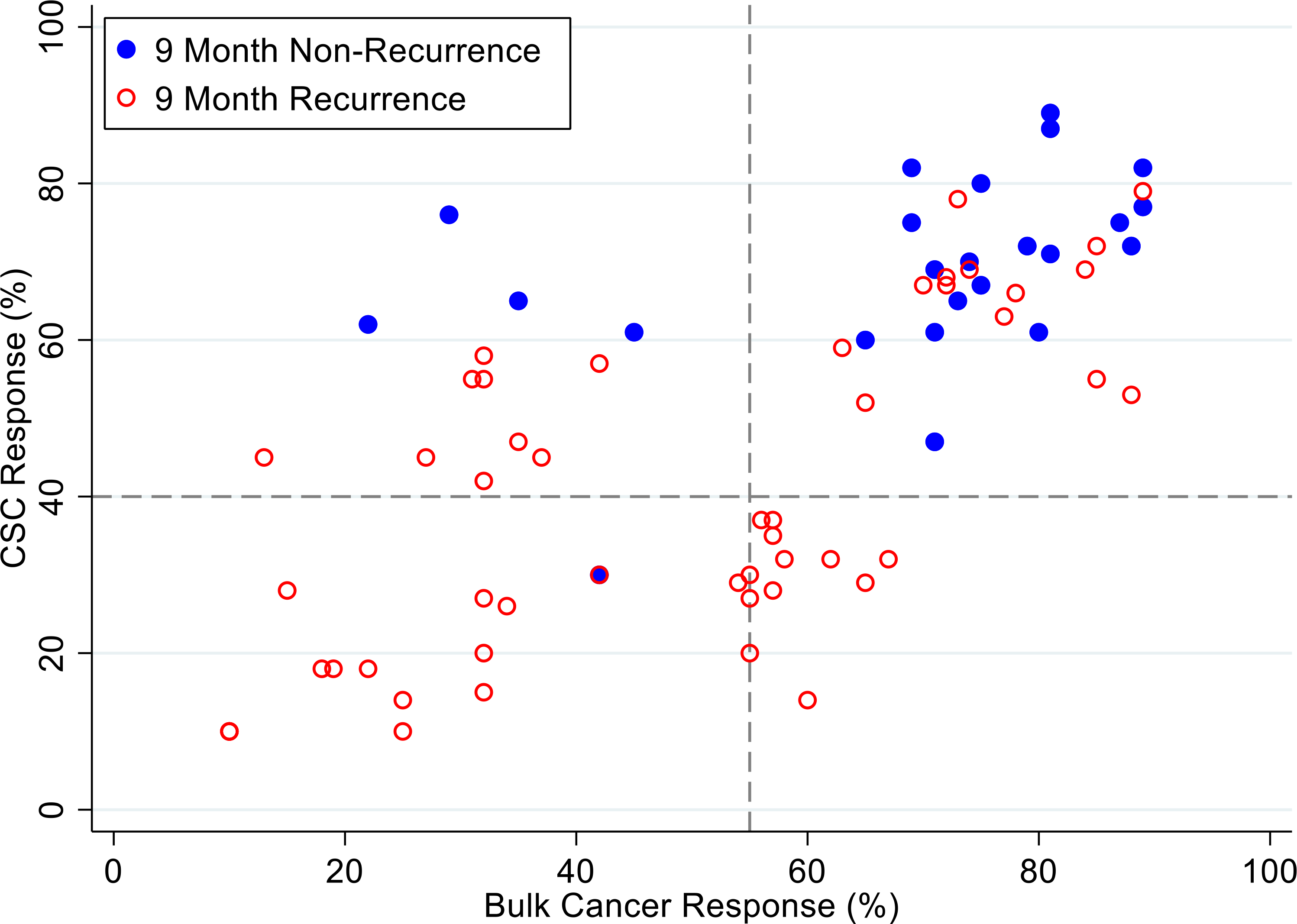
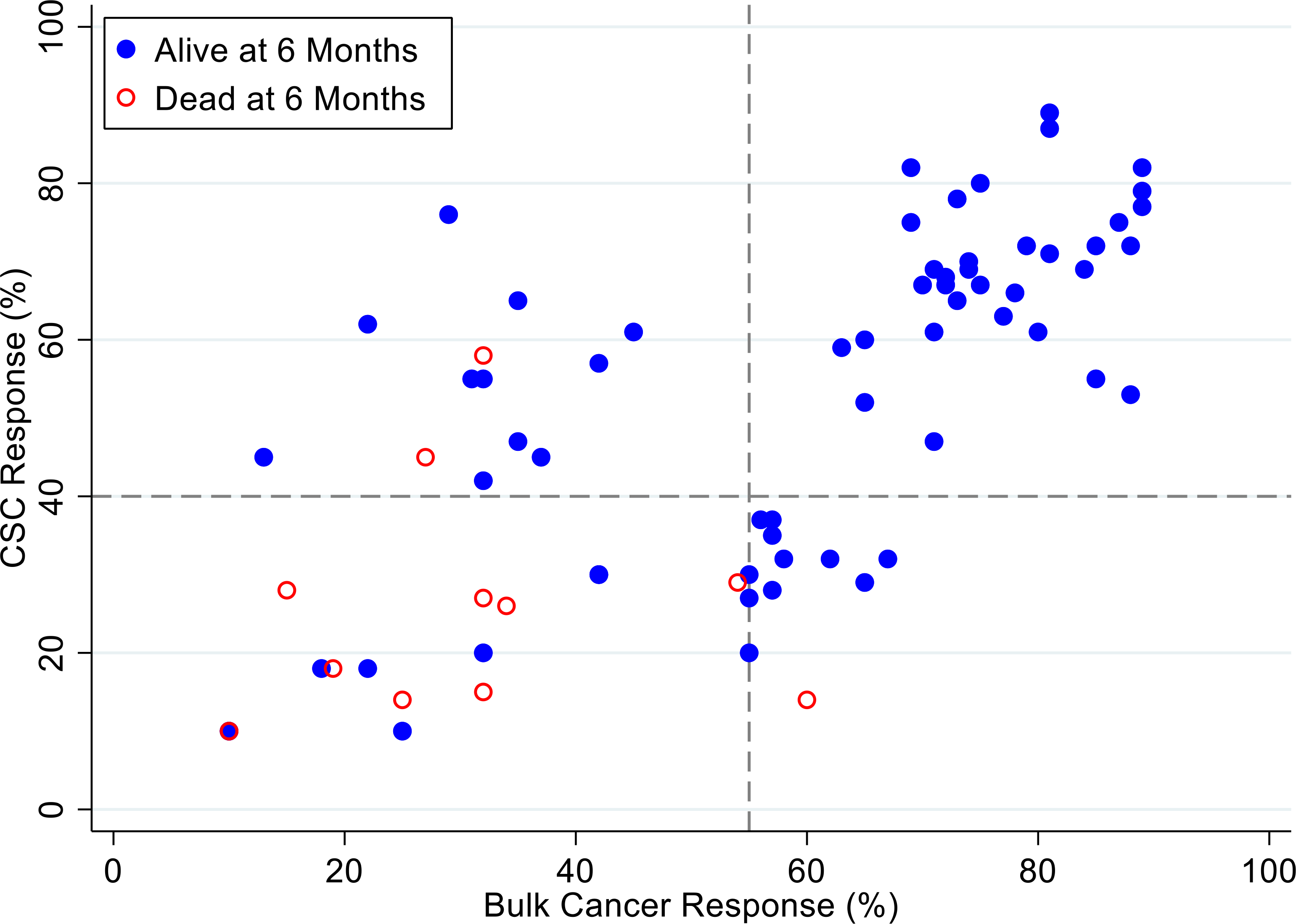
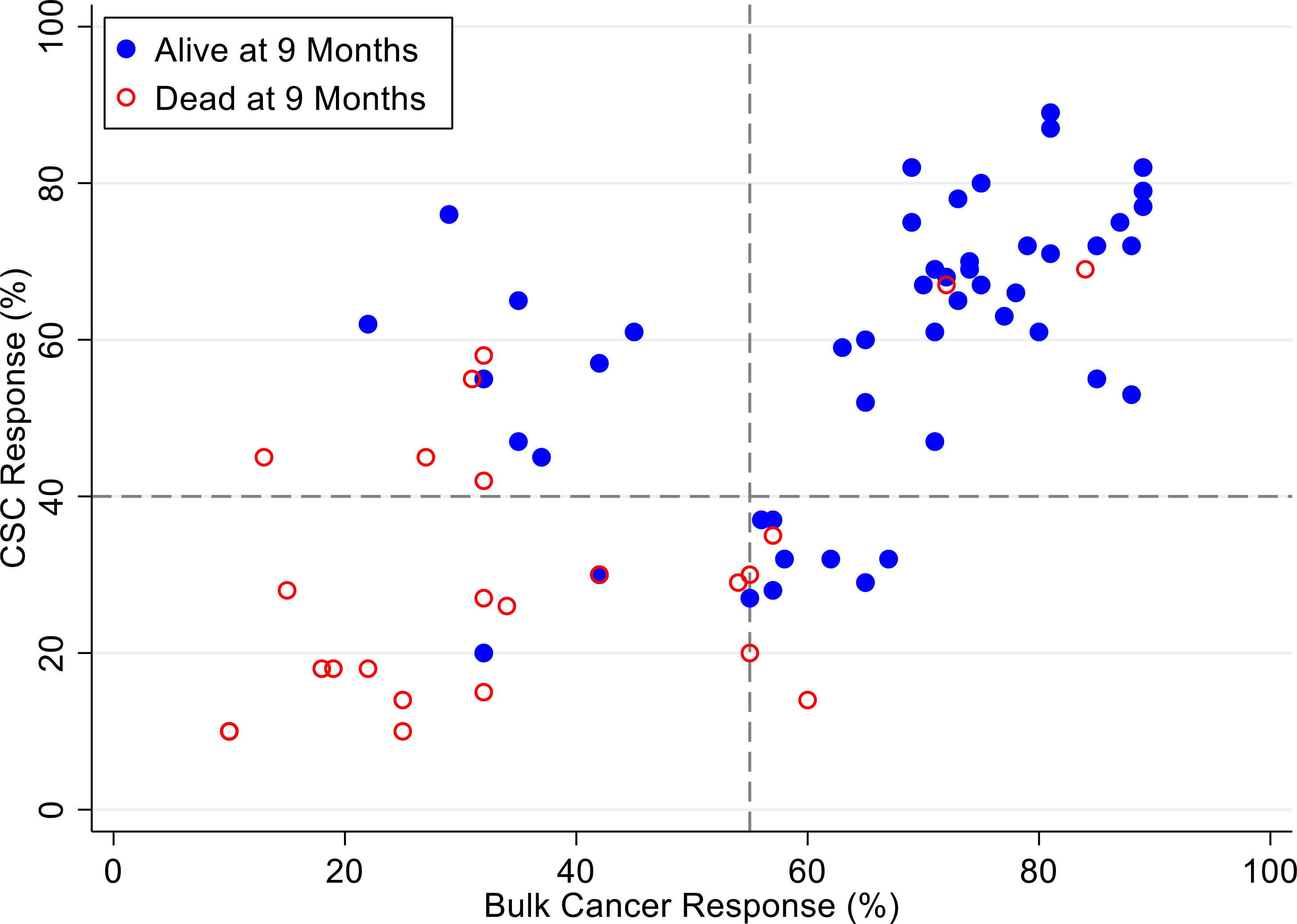
Disease recurrence and progression of ovarian cancer is a common event, which is accompanied by the development of platinum-resistant or refractory disease. The presence of chemo-resistant Cancer Stem Cells (CSCs) contribute to tumor propagation, maintenance, and treatment resistance of this difficult to treat disease. We have developed ChemoID, a cytotoxic synergy assay against CSCs that identifies the most effective chemotherapy treatment from a panel of FDA-approved chemotherapies using fresh cancer biopsies.
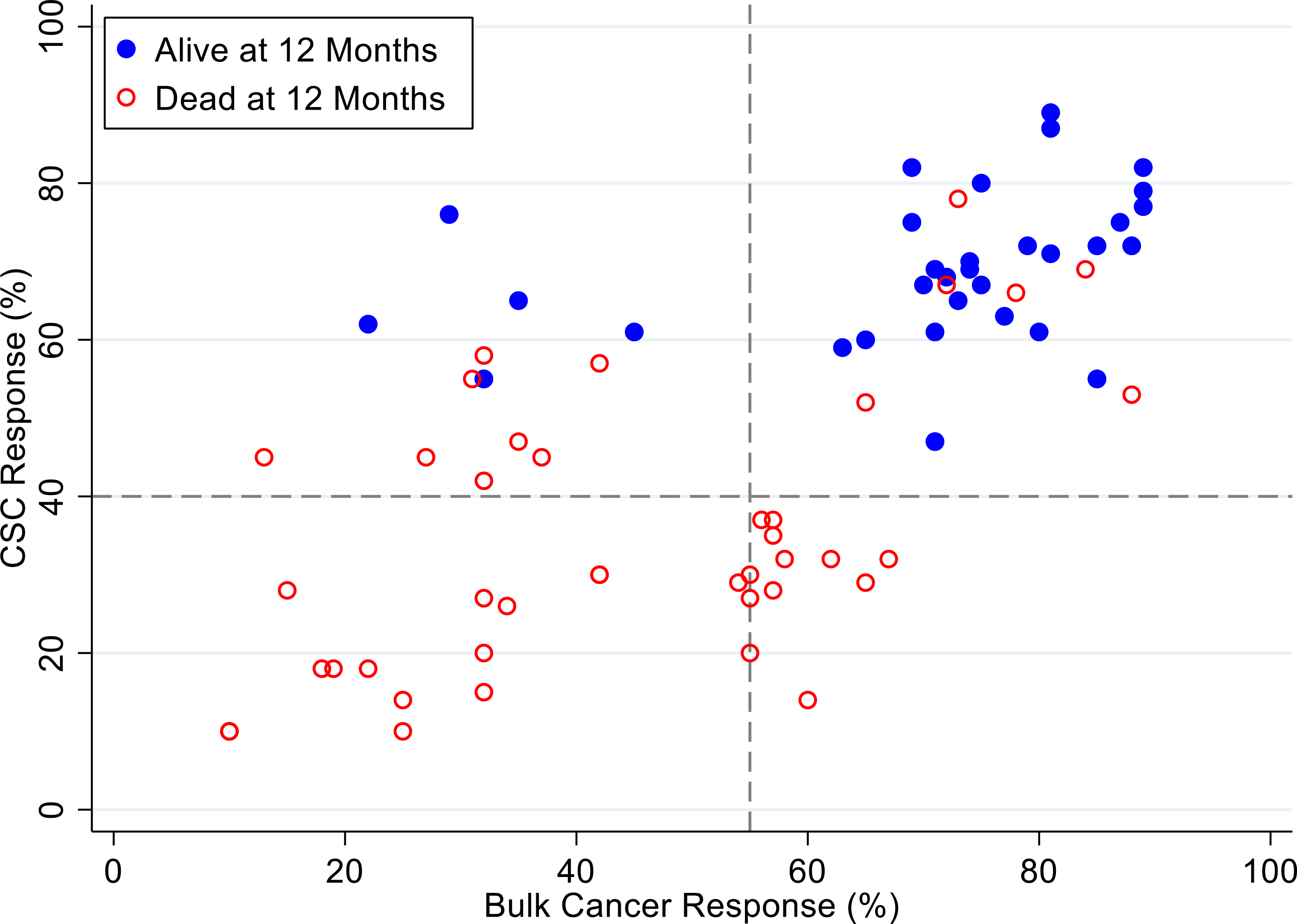
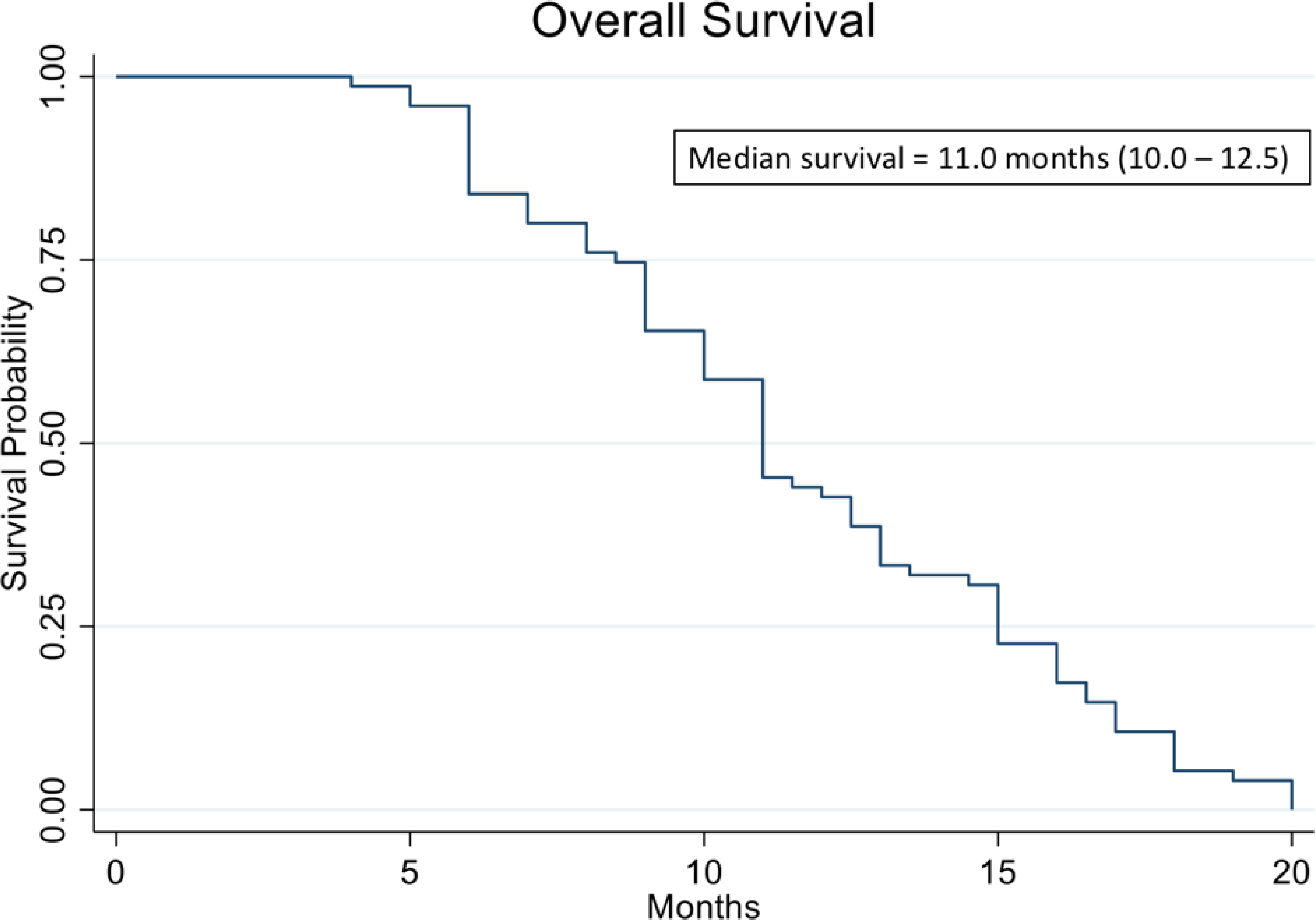
Ascites or interventional radiology biopsies were collected under physician order from 78 consecutive patients affected by 3 relapsed ovarian cancer. Test results from the assay were used when possible to treat patients with the highest cell kill drugs, taking into consideration their health status and using dose reductions, if needed. A chart analysis and review of CT and PET scans were performed to determine patients' outcomes for tumor response, Progression-Free Survival (PFS), and Overall Survival (OS).
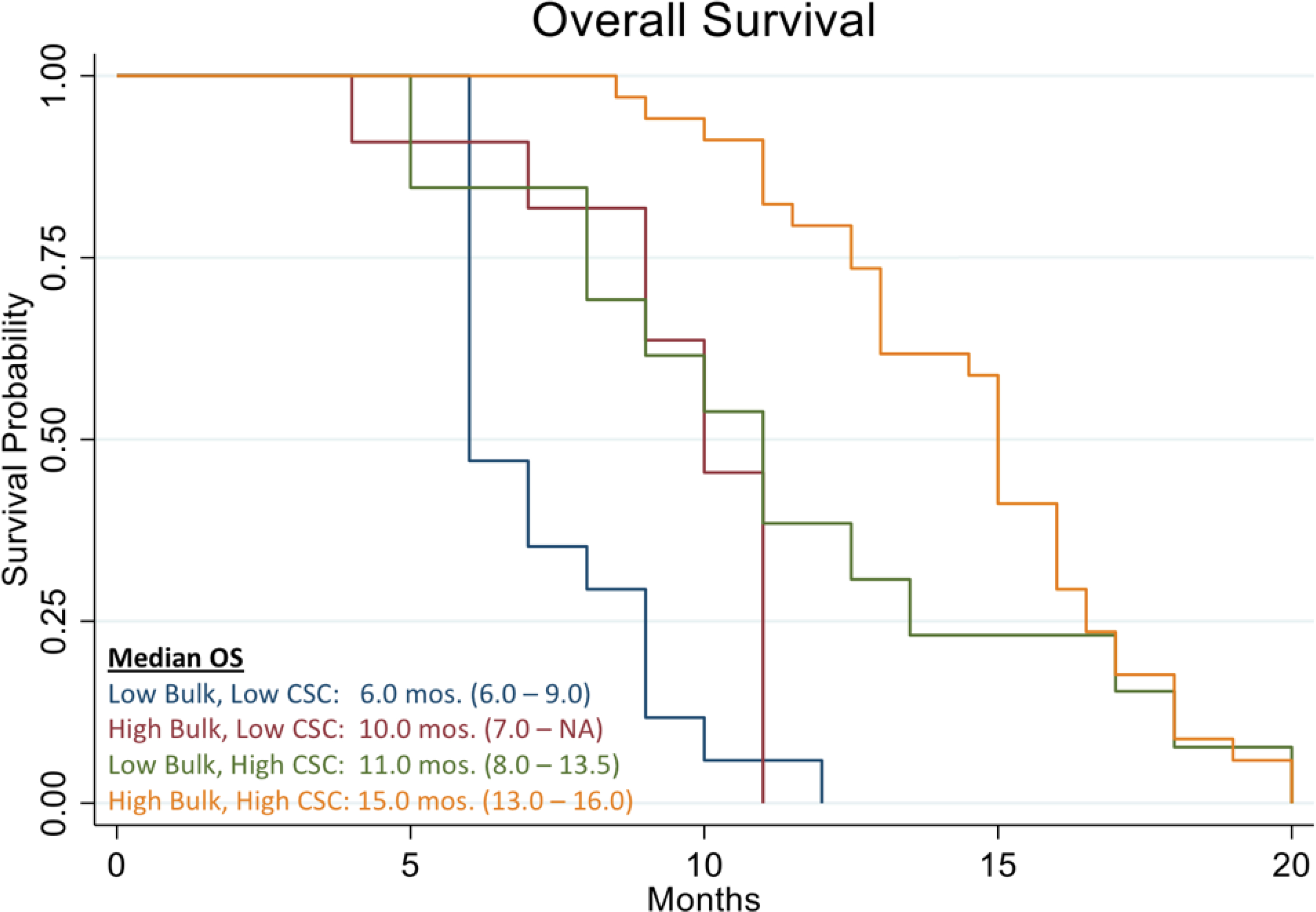
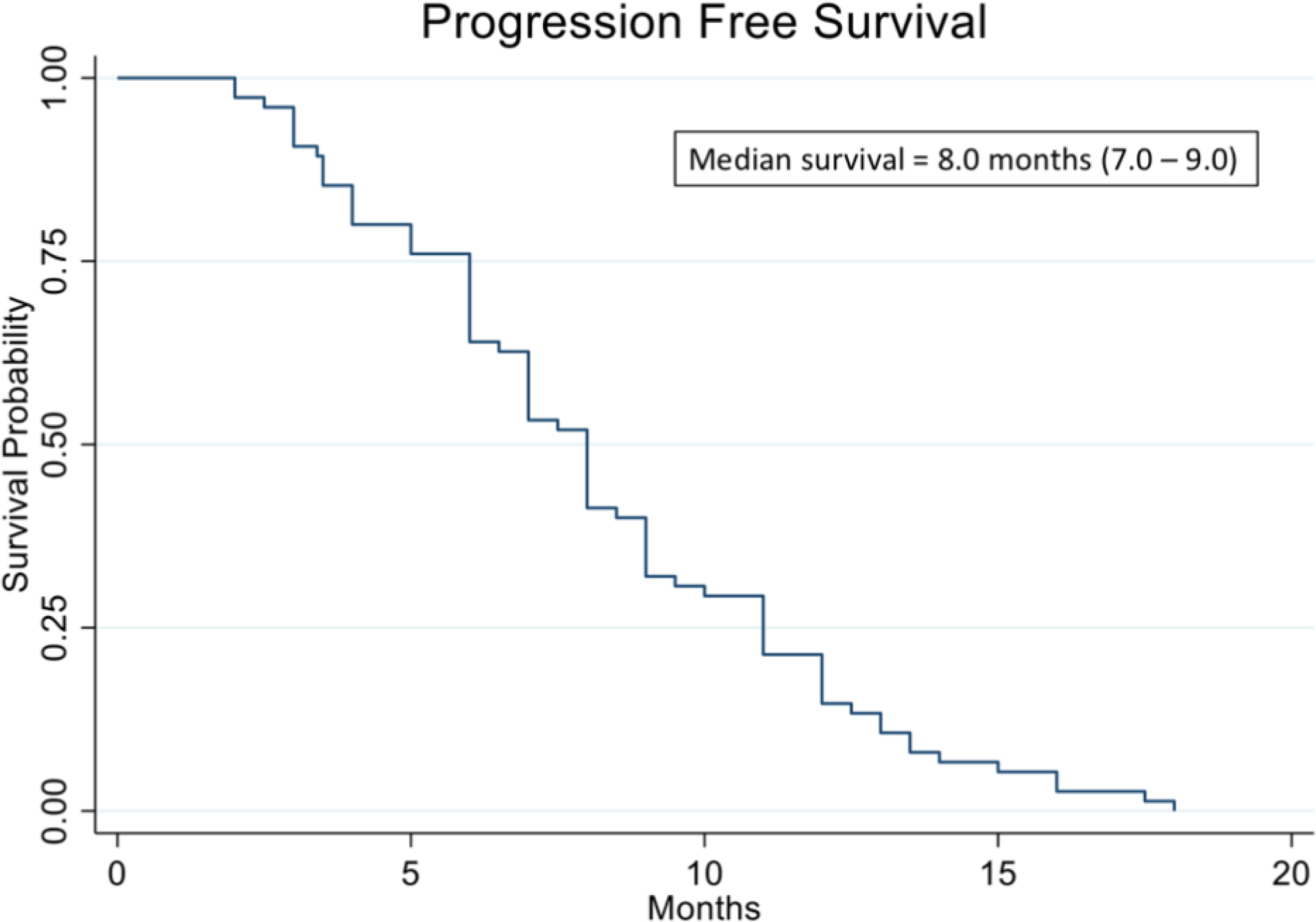
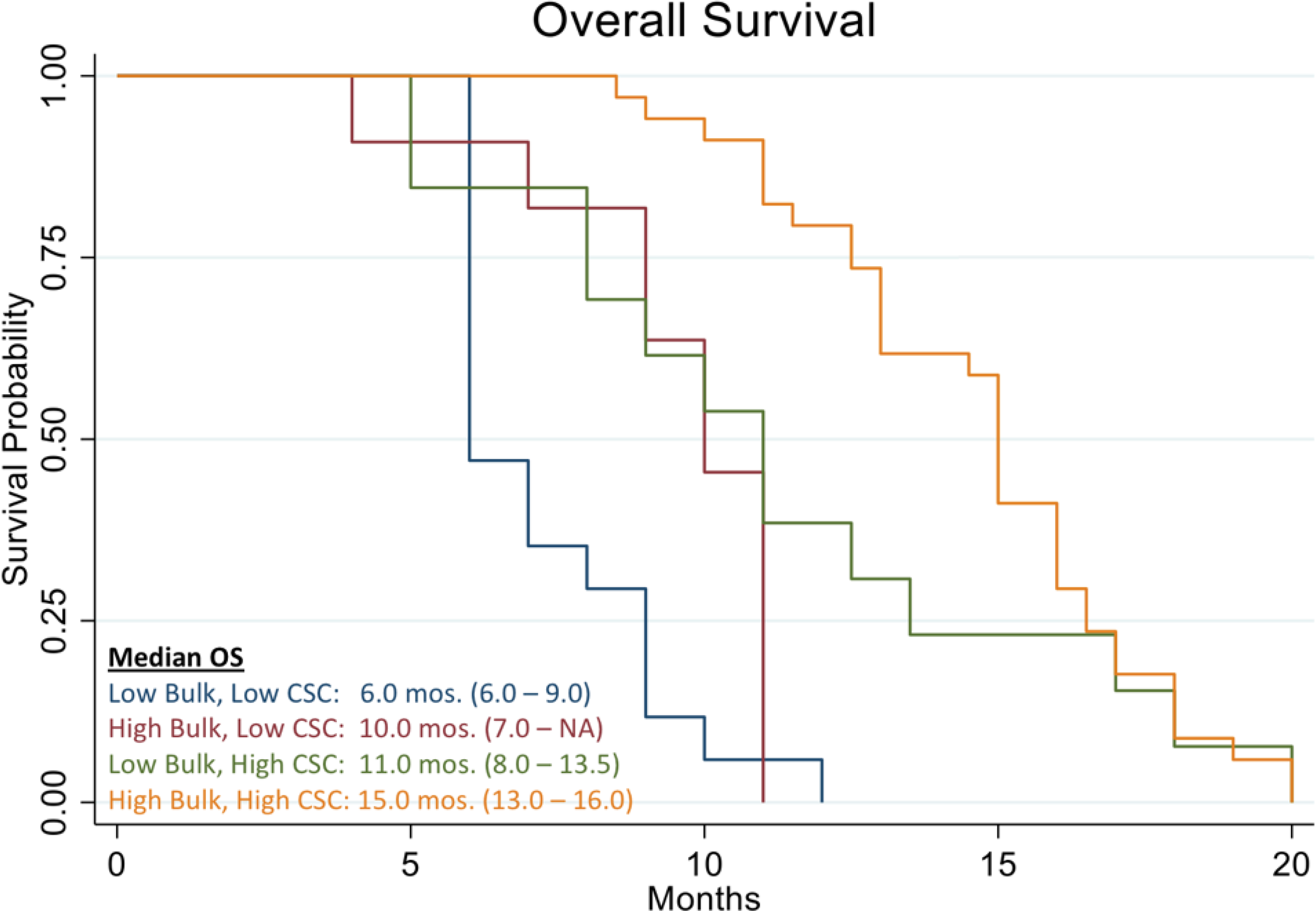
We observed that recurrent ovarian cancer patients treated with high-cell kill chemotherapy agents guided by the CSCs drug response assay had an improvement in their median PFS and OS when compared to historical median PFS and OS and/or when compared to patients who could not receive high cell kill chemotherapies (PFS low cell kill 3.5 months vs. high cell kill 12.0 months; OS low cell kill 6.0 months vs. high cell kill 15.0 months).
This data indicates that the drug cytotoxicity assay aimed at targeting CSCs may be a useful tool for optimizing treatment selection when first-line therapy fails, and when there are multiple clinically-acceptable and -equivalent treatments available.
卵巢癌的疾病复发和进展是常见现象,同时伴有铂耐药或难治性疾病的发生。化疗耐药的癌症干细胞(CSCs)的存在促进了这种难治性疾病的肿瘤增殖、维持和治疗抵抗。我们开发了ChemoID,这是一种针对CSCs的细胞毒性协同检测方法,可使用新鲜癌组织活检从一组FDA批准的化疗药物中识别出最有效的化疗方案。
根据医生的医嘱,从78例连续复发的3期卵巢癌患者中收集腹水或经皮穿刺活检组织。在可能的情况下,利用检测结果为患者选择细胞杀伤率最高的药物进行治疗,同时考虑患者的健康状况,必要时减少剂量。通过图表分析以及对CT和PET扫描结果的回顾来确定患者的肿瘤反应、无进展生存期(PFS)和总生存期(OS)。
我们观察到,与历史PFS和OS中位数相比,以及与无法接受高细胞杀伤化疗的患者相比,接受基于CSCs药物反应检测指导的高细胞杀伤化疗药物治疗的复发性卵巢癌患者的PFS和OS中位数有所改善(PFS低细胞杀伤组为3.5个月,高细胞杀伤组为12.0个月;OS低细胞杀伤组为6.0个月,高细胞杀伤组为15.0个月)。
该数据表明,当一线治疗失败且有多种临床可接受且等效的治疗方案可供选择时,针对CSCs的药物细胞毒性检测可能是优化治疗选择的有用工具。