Feng Shanshan, Jin Zhen
School of Data Science and TechnologyNorth University of China Taiyuan 030051 China.
Complex Systems Research CenterShanxi University Taiyuan 030006 China.
IEEE Access. 2020 Aug 12;8:153425-153435. doi: 10.1109/ACCESS.2020.3016016. eCollection 2020.
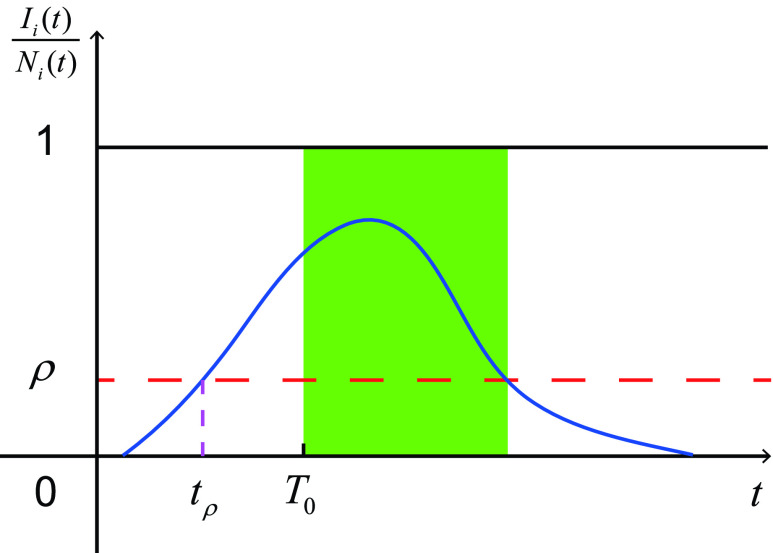
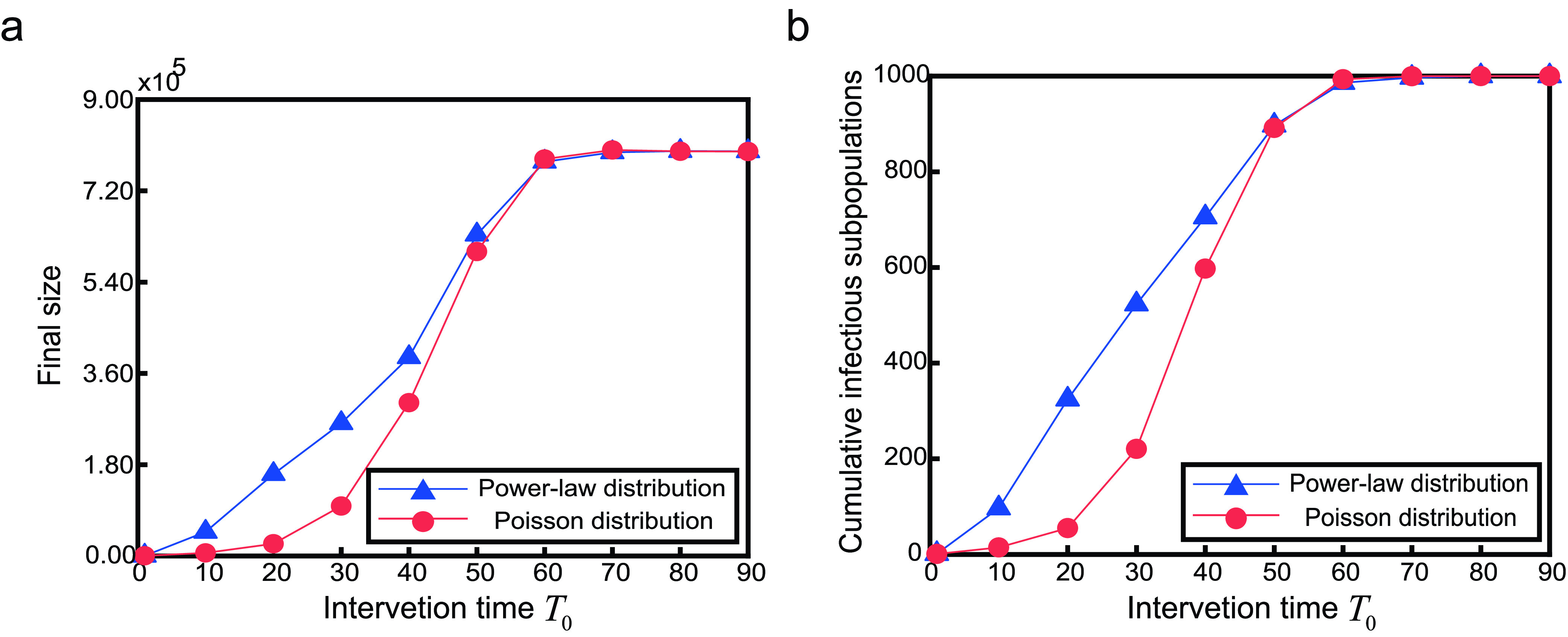
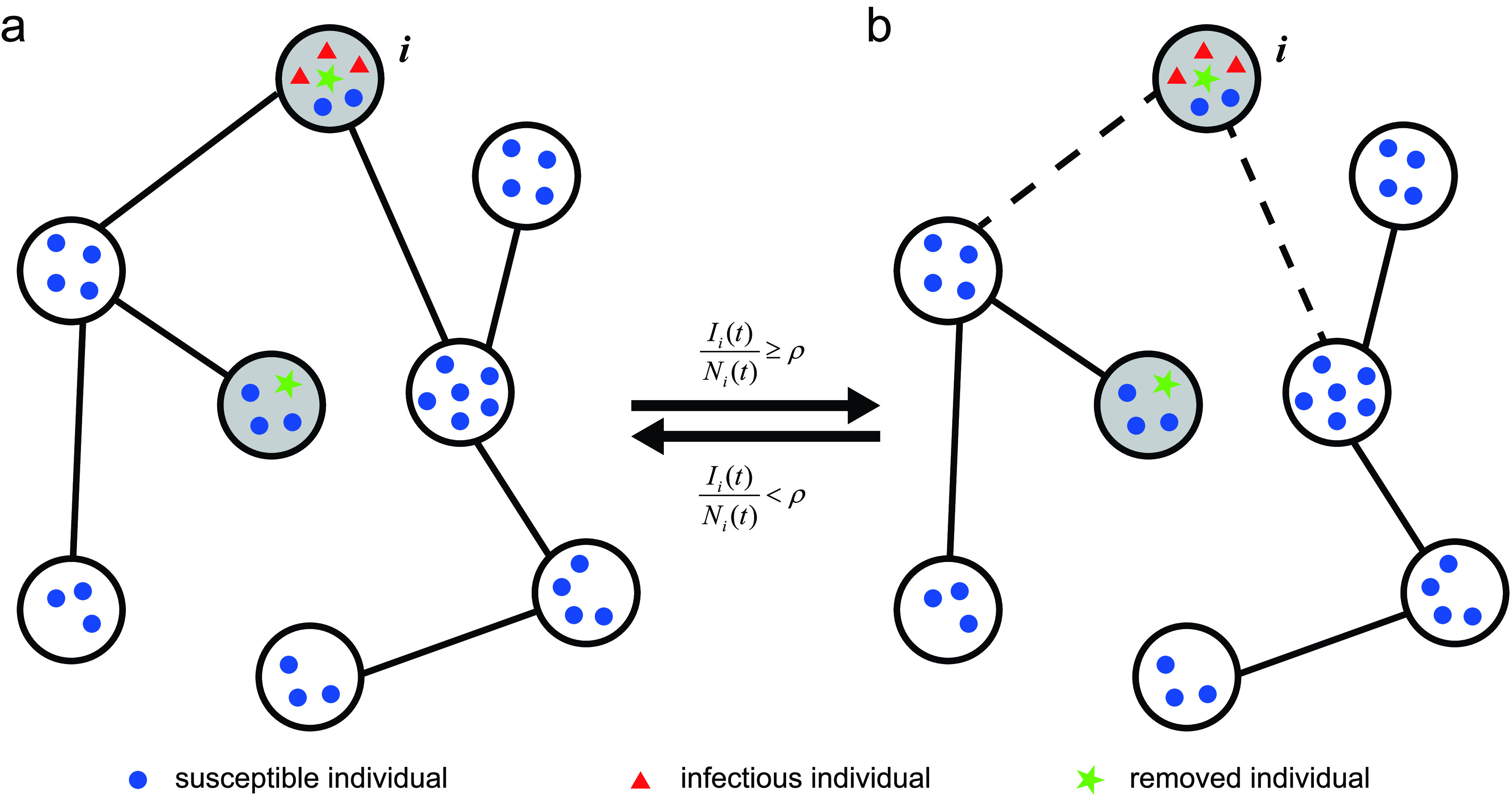
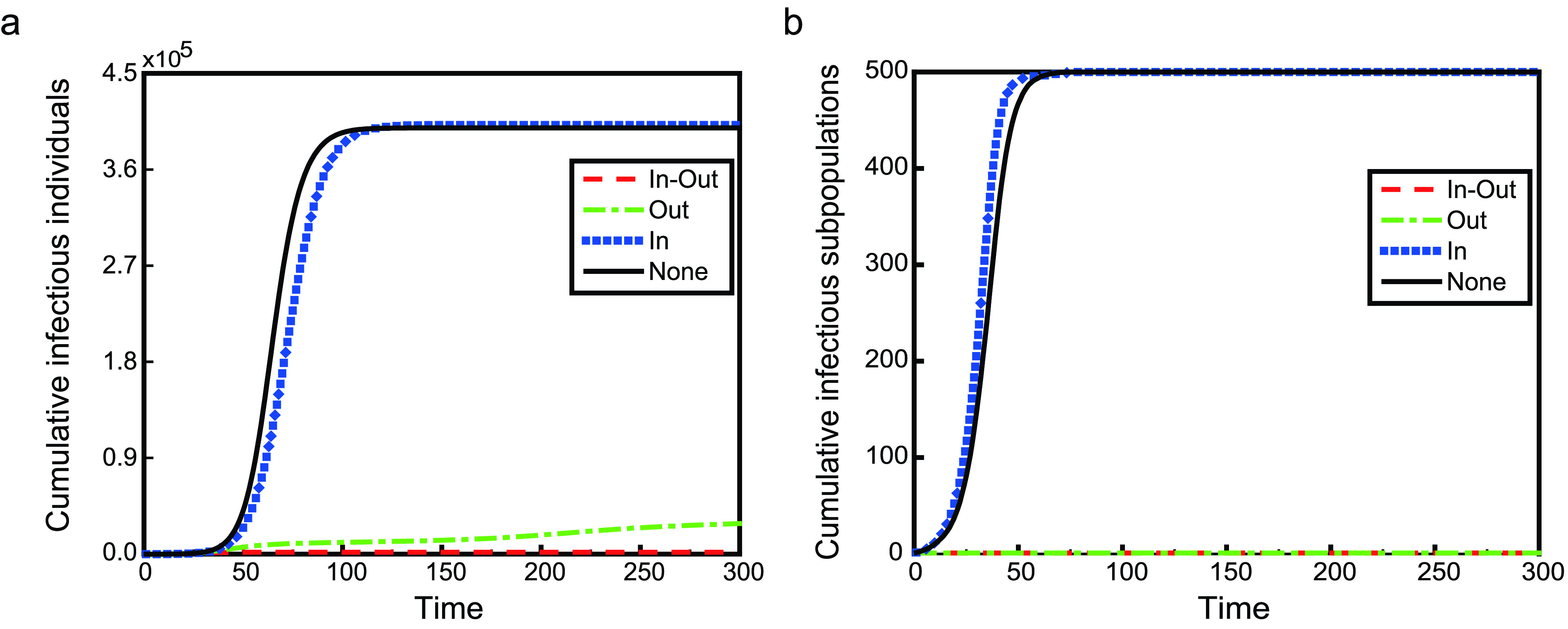
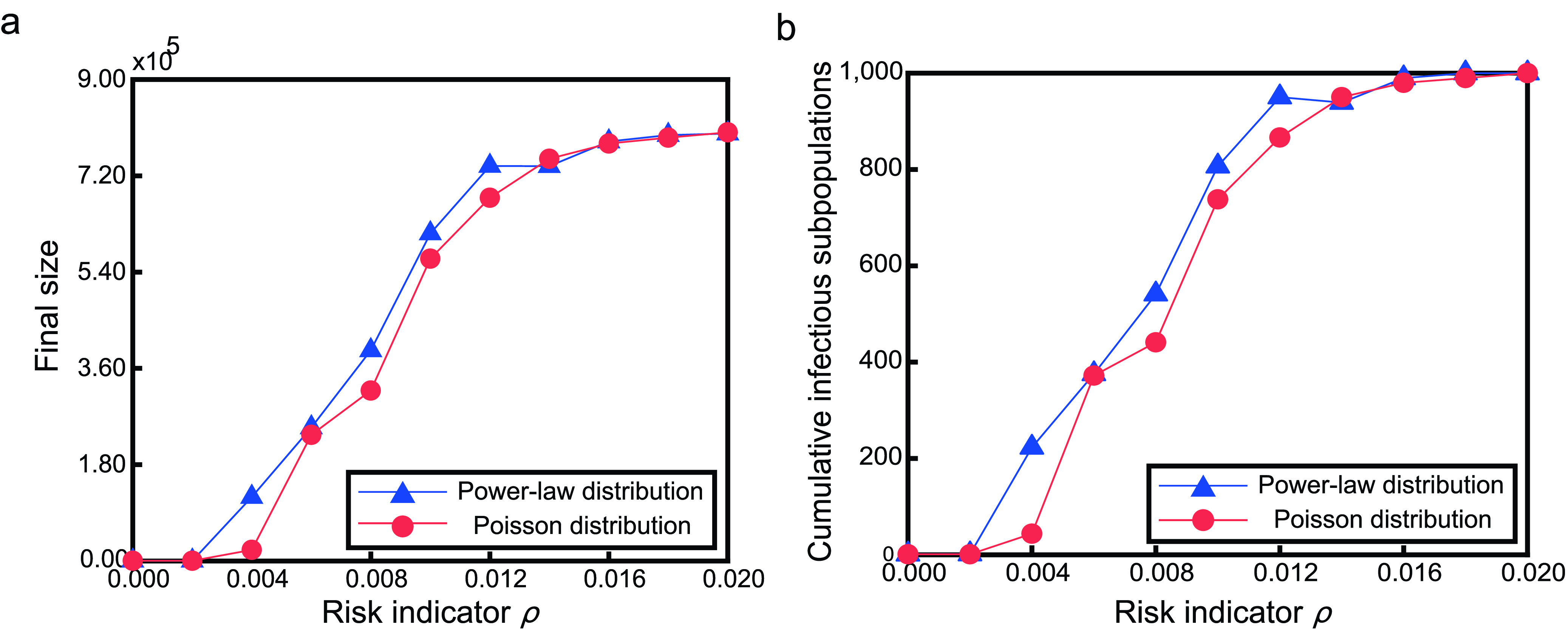
When an emerging acute infectious disease occurs, travel restrictions, one-way or two-way, are often taken to prevent its global spread. In order to investigate the impact of two-way travel restrictions in the global spread of infectious diseases, this paper defines a risk indicator according to the relative infection density. Based on this risk indicator and an intervention time on two-way travel restrictions, we define an adaptive metapopulation network. Then a susceptible-infectious-removed (SIR) metapopulation model on this network is proposed. The mathematical analysis shows that the basic reproduction number is independent of human mobility. Furthermore, this essay compares the effects of one-way travel restrictions and two-way travel restrictions on the global spread of infectious diseases. It is shown that the adaptive metapopulation network under two-way travel restrictions can effectively suppress the global spread of infectious diseases. We also obtain a threshold of risk indicator to prevent the global spread of infectious diseases by simulations. The earlier the intervention time on two-way travel restriction is, the better to curb the global spread of the disease. Even if two-way travel restrictions are not implemented, controlling the mobility of infectious persons would help prevent the global spread of the disease. This work will throw lights on the prevention and control of the globally spreading of an emerging infectious disease.
当一种新出现的急性传染病发生时,通常会采取单向或双向的旅行限制措施来防止其在全球传播。为了研究双向旅行限制对传染病全球传播的影响,本文根据相对感染密度定义了一个风险指标。基于该风险指标和双向旅行限制的干预时间,我们定义了一个自适应集合种群网络。然后在此网络上提出了一个易感-感染-移除(SIR)集合种群模型。数学分析表明,基本再生数与人类流动性无关。此外,本文比较了单向旅行限制和双向旅行限制对传染病全球传播的影响。结果表明,双向旅行限制下的自适应集合种群网络能够有效抑制传染病的全球传播。我们还通过模拟得到了一个防止传染病全球传播的风险指标阈值。双向旅行限制的干预时间越早,越有利于遏制疾病的全球传播。即使不实施双向旅行限制,控制感染者的流动性也有助于防止疾病的全球传播。这项工作将为新兴传染病全球传播的防控提供启示。