Institute of Biomedicine & Department of Cell Biology, College of Life Science and Technology, Jinan University; Guangdong Province Key Laboratory of Bioengineering Medicine; Guangdong Provincial biotechnology drug & Engineering Technology Research Center; National Engineering Research Center of Genetic Medicine, Guangzhou, Guangdong, 510632, P. R. China.
Guangdong-Hong Kong-Macau Institute of CNS Regeneration, Ministry of Education CNS Regeneration Collaborative Joint Laboratory, Jinan University, Guangzhou, Guangdong 510632, China.
Theranostics. 2021 Nov 2;11(20):10125-10147. doi: 10.7150/thno.62525. eCollection 2021.
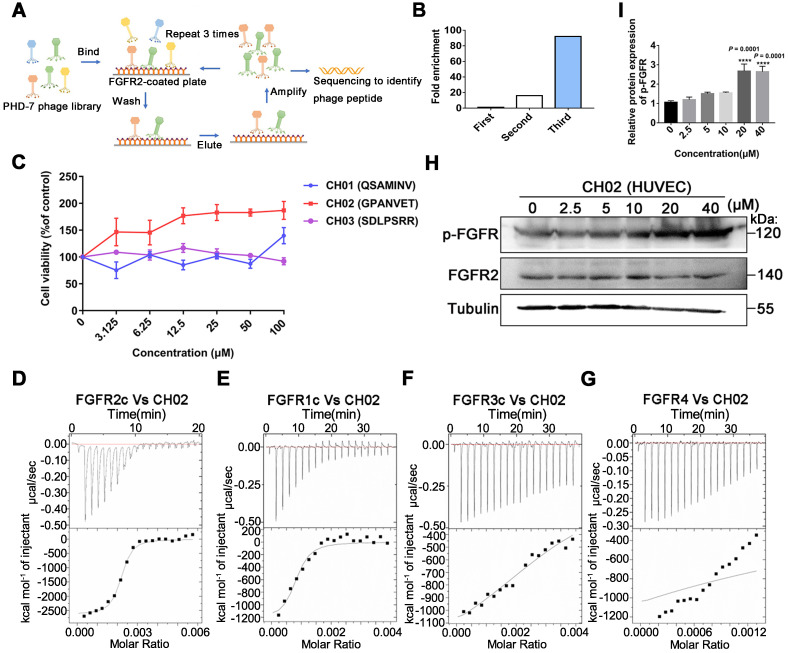
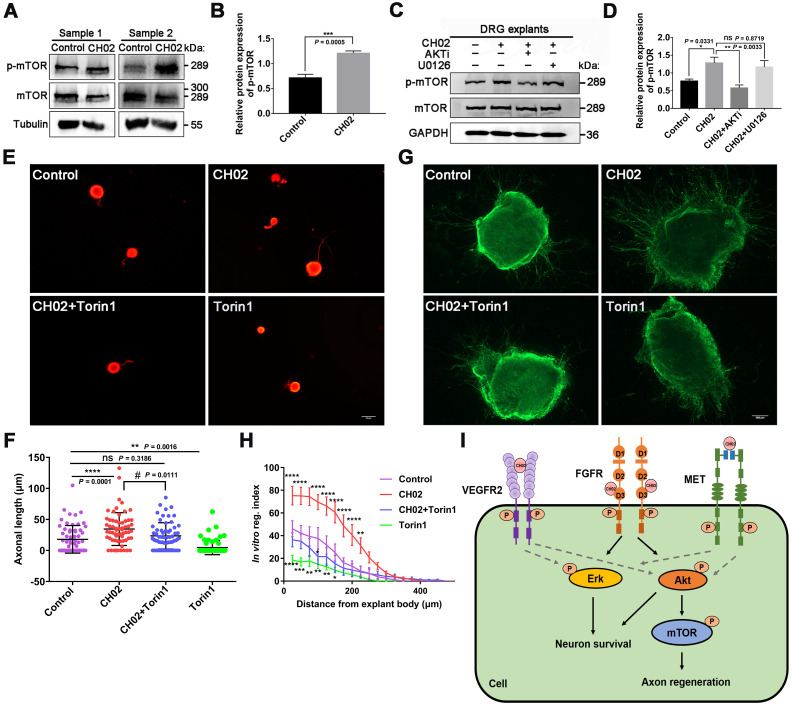
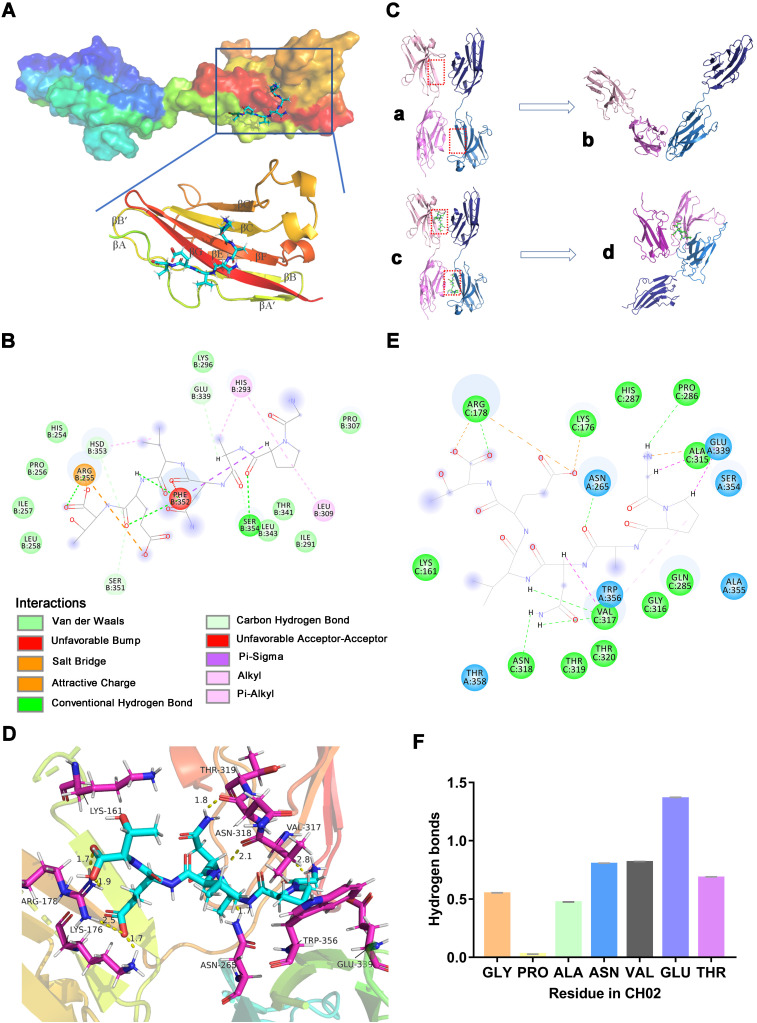
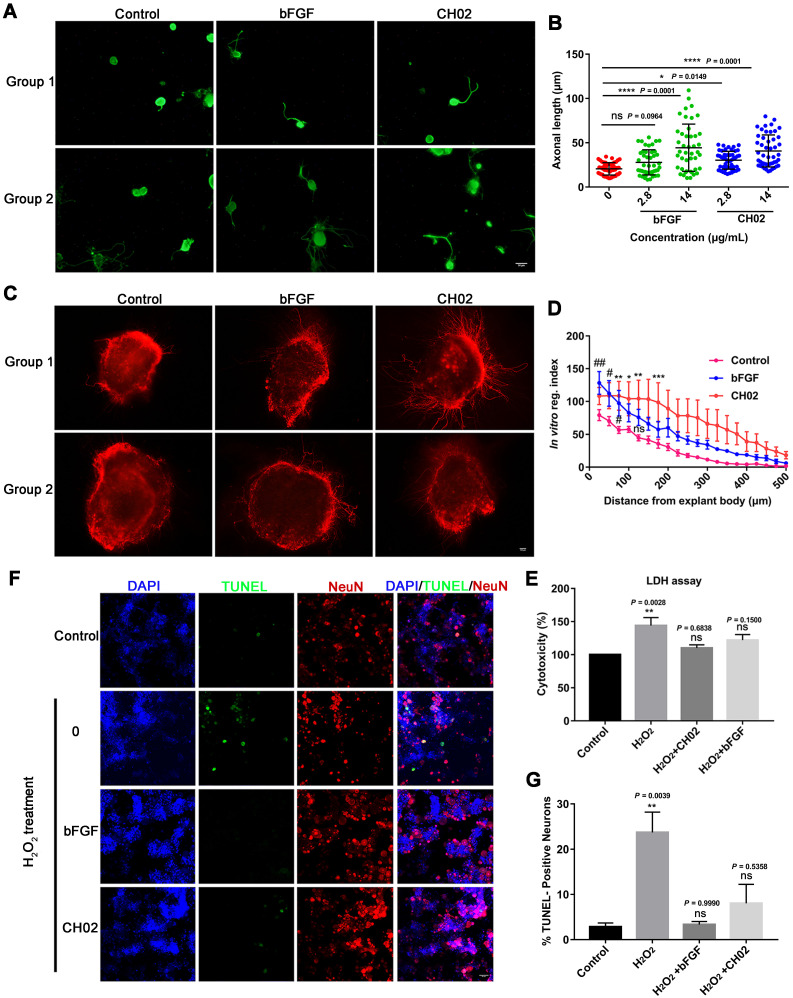
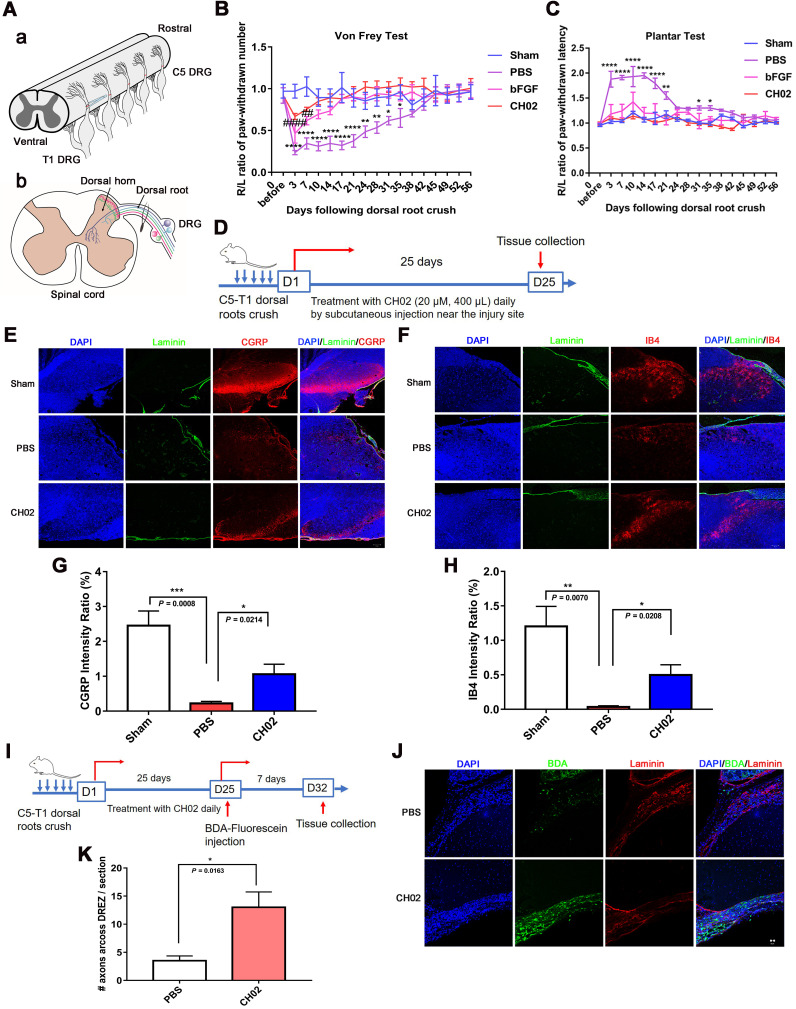
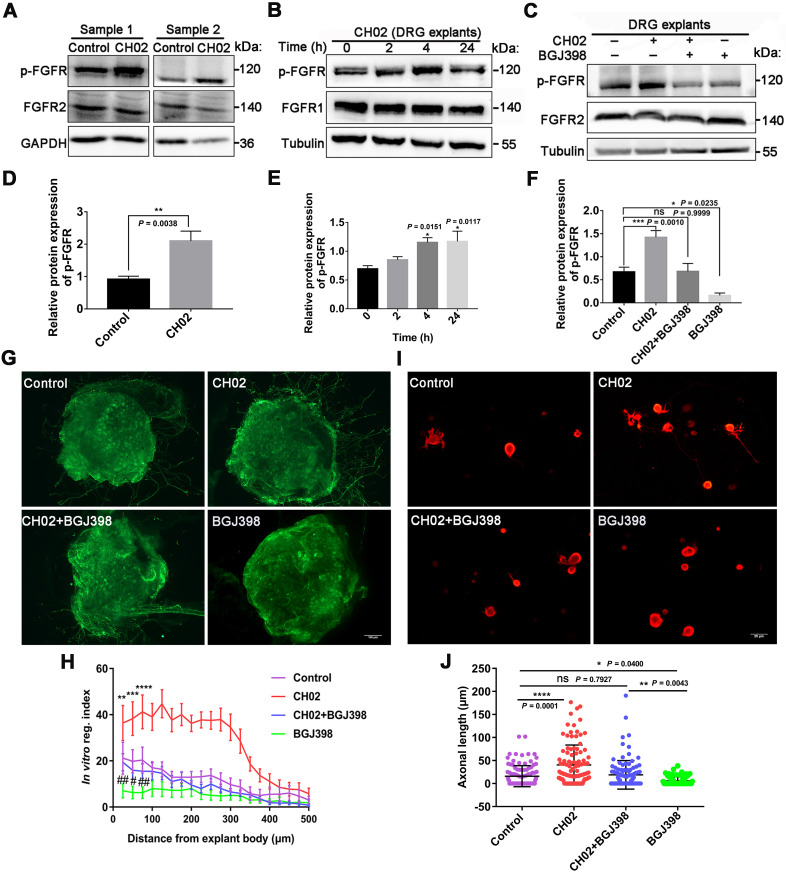
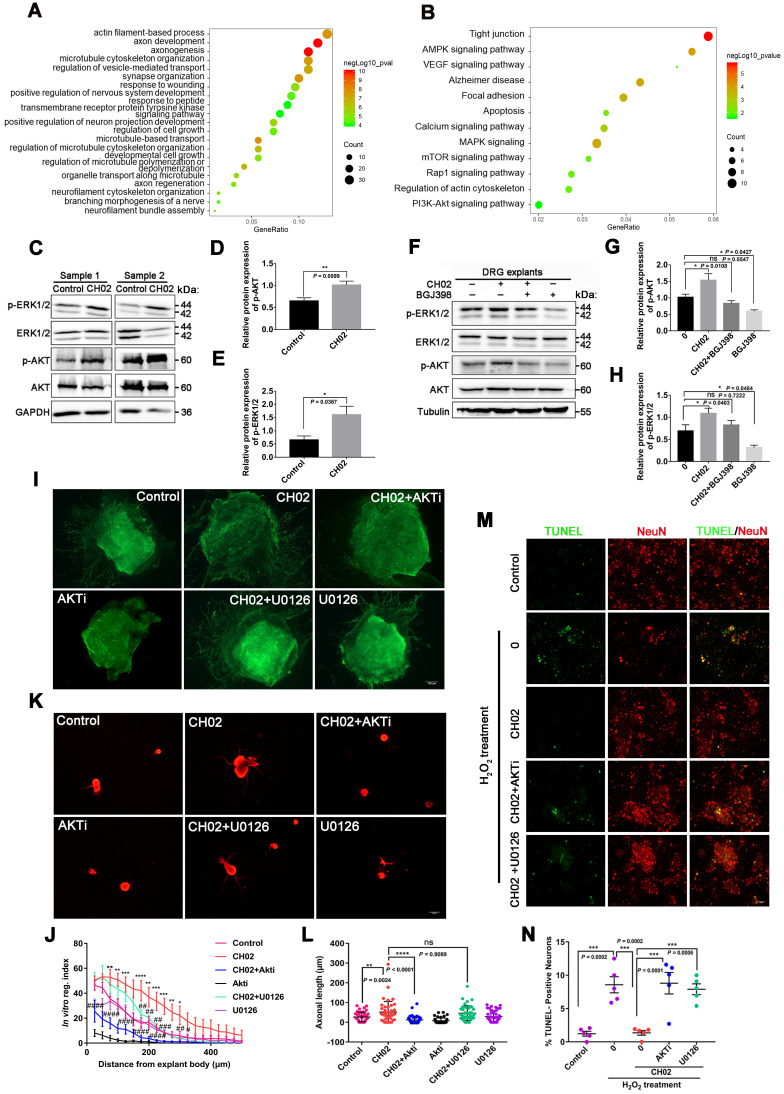
Fibroblast growth factor receptors (FGFRs) are key targets for nerve regeneration and repair. The therapeutic effect of exogenous recombinant FGFs is limited due to their high molecular weight. Small peptides with low molecular weight, easy diffusion, low immunogenicity, and nontoxic metabolite formation are potential candidates. The present study aimed to develop a novel low-molecular-weight peptide agonist of FGFR to promote nerve injury repair. Phage display technology was employed to screen peptide ligands targeting FGFR2. The peptide ligand affinity for FGFRs was detected by isothermal titration calorimetry. Structural biology-based computer virtual analysis was used to characterize the interaction between the peptide ligand and FGFR2. The peptide ligand effect on axon growth, regeneration, and behavioral recovery of sensory neurons was determined in the primary culture of sensory neurons and dorsal root ganglia (DRG) explants and a rat spinal dorsal root injury (DRI) model . The peptide ligand binding to other membrane receptors was characterized by surface plasmon resonance (SPR) and liquid chromatography-mass spectrometry (LC-MS)/MS. Intracellular signaling pathways primarily affected by the peptide ligand were characterized by phosphoproteomics, and related pathways were verified using specific inhibitors. We identified a novel FGFR-targeting small peptide, CH02, with seven amino acid residues. CH02 activated FGFR signaling through high-affinity binding with the extracellular segment of FGFRs and also had an affinity for several receptor tyrosine kinase (RTK) family members, including VEGFR2. In sensory neurons cultured , CH02 maintained the survival of neurons and promoted axon growth. Simultaneously, CH02 robustly enhanced nerve regeneration and sensory-motor behavioral recovery after DRI in rats. CH02-induced activation of FGFR signaling promoted nerve regeneration primarily via AKT and ERK signaling downstream of FGFRs. Activation of mTOR downstream of AKT signaling augmented axon growth potential in response to CH02. Our study revealed the significant therapeutic effect of CH02 on strengthening nerve regeneration and suggested a strategy for treating peripheral and central nervous system injuries.
成纤维细胞生长因子受体(FGFRs)是神经再生和修复的关键靶点。由于外源性重组 FGFs 分子量较高,其治疗效果有限。低分子量的小肽具有分子量低、易于扩散、免疫原性低和无毒代谢产物形成等特点,是潜在的候选药物。本研究旨在开发一种新型的 FGFR 低分子量肽激动剂,以促进神经损伤修复。噬菌体展示技术用于筛选靶向 FGFR2 的肽配体。采用等温滴定量热法检测肽配体与 FGFRs 的亲和力。基于结构生物学的计算机虚拟分析用于表征肽配体与 FGFR2 的相互作用。采用感觉神经元和背根神经节(DRG)外植体的原代培养以及大鼠脊髓背根损伤(DRI)模型,研究肽配体对感觉神经元轴突生长、再生和行为恢复的影响。采用表面等离子体共振(SPR)和液相色谱-质谱(LC-MS)/MS 技术研究肽配体与其他膜受体的结合。采用磷酸化蛋白质组学技术研究主要受肽配体影响的细胞内信号通路,并使用特异性抑制剂验证相关通路。我们鉴定出一种新型的靶向 FGFR 的小肽 CH02,其由七个氨基酸残基组成。CH02 通过与 FGFR 细胞外段的高亲和力结合激活 FGFR 信号通路,同时对包括 VEGFR2 在内的几种受体酪氨酸激酶(RTK)家族成员也具有亲和力。在培养的感觉神经元中,CH02 维持神经元存活并促进轴突生长。同时,CH02 可显著增强大鼠 DRI 后的神经再生和感觉运动行为恢复。CH02 诱导的 FGFR 信号通路激活主要通过 FGFR 下游的 AKT 和 ERK 信号通路促进神经再生。AKT 信号通路下游的 mTOR 激活增强了 CH02 诱导的轴突生长潜力。本研究揭示了 CH02 对增强神经再生的显著治疗效果,并提出了一种治疗周围和中枢神经系统损伤的策略。