Research Center of Smart City, Nanjing Tech University, Nanjing, China.
Department of Construction and Real Estate, School of Civil Engineering, Southeast University, Nanjing, China.
Front Public Health. 2021 Nov 8;9:764069. doi: 10.3389/fpubh.2021.764069. eCollection 2021.
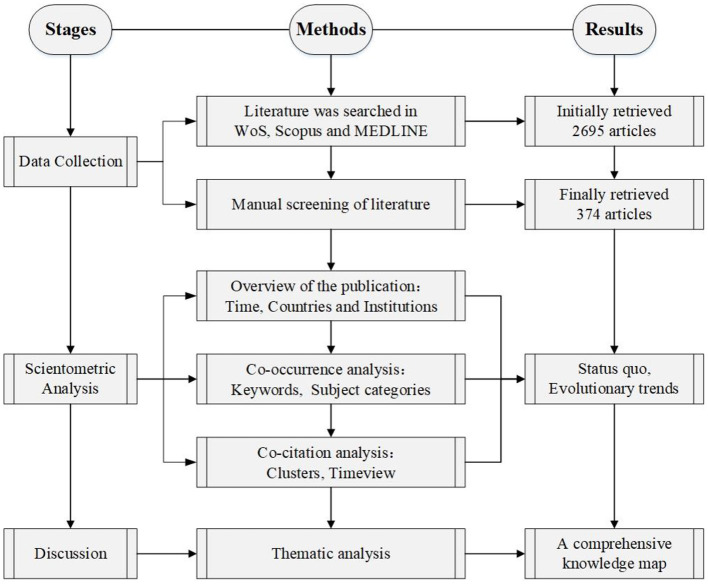
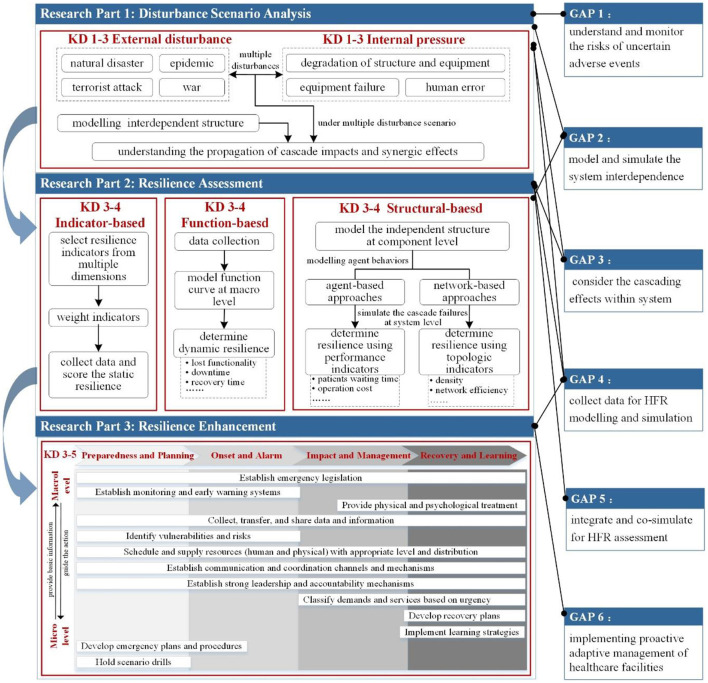
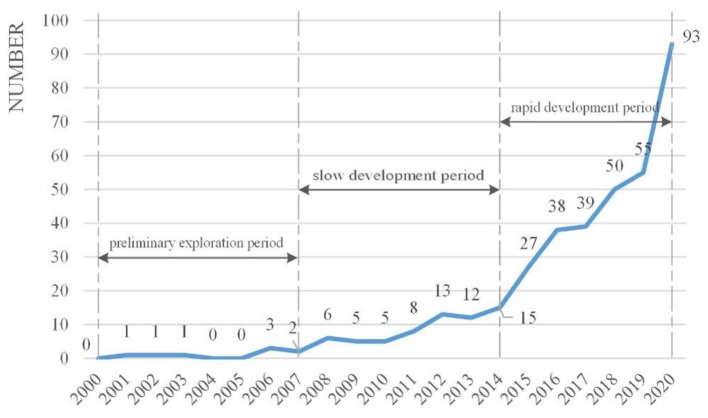
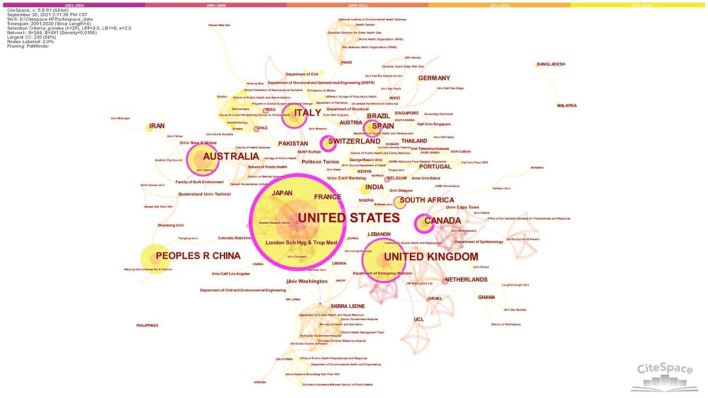
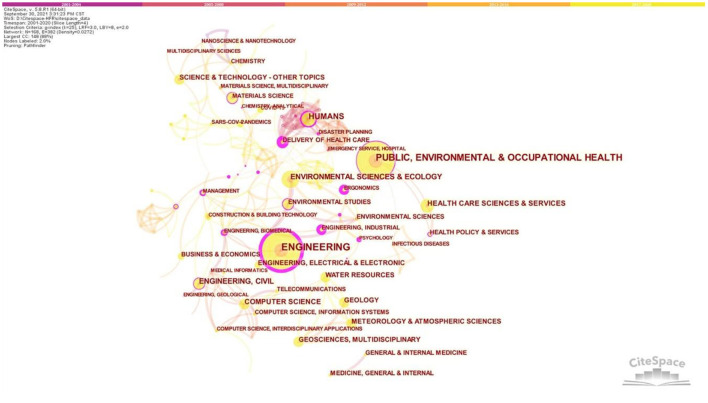
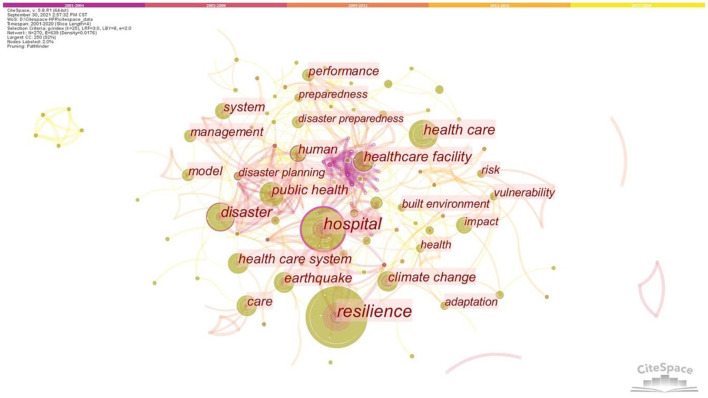
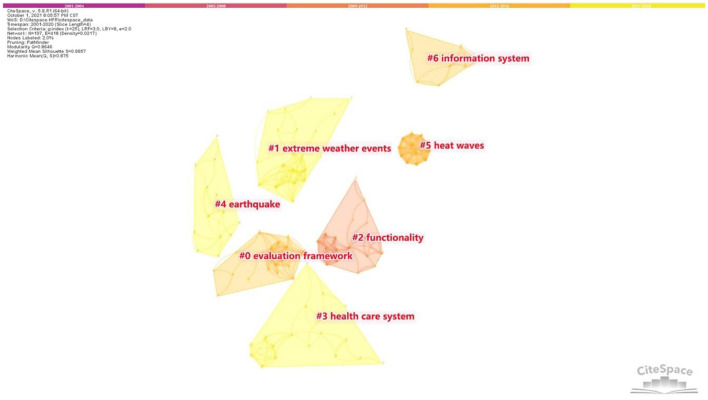
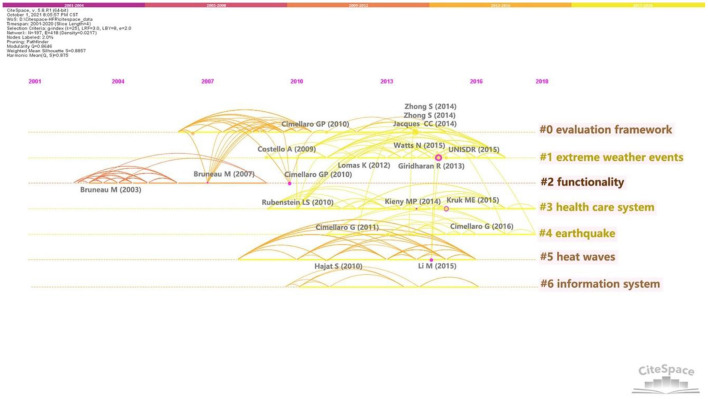
In contemporary "high-risk" society, unexpected disasters (epidemics and extreme weather) and chronic pressures (aging problems) put tremendous pressure on healthcare facilities. Enhancing the healthcare facilities' resilience ability to resist, absorb, and respond to disaster disruptions is urgent. This study presents a scientometric review for healthcare facility resilience research. A total of 374 relevant articles published between 2000 and 2020, collected from Web of Science (WoS) core collection database, Scopus database and MEDLINE database were reviewed and analyzed. The results indicated that research on resilience in healthcare facilities went through three development periods, and the research involved countries or institutions that are relatively scattered. The studies have been focused on the subject categories of engineering, public, environmental, and occupational health. The keywords of "resilience," "hospital," "disaster," "healthcare," and "healthcare facility" had the most frequency. Furthermore, based on the literature co-citation networks and content analysis, the detected seven co-citation clusters were grouped into four knowledge domains: climate change impact, strengthening resilience in response to war and epidemic, resilience assessment of healthcare facility, and the applications of information system. Moreover, the timeline view of literature reflected the evolution of each domain. Finally, a knowledge map for resilience of healthcare facilities was put forward, in which critical research contents, current knowledge gaps, and future research work were discussed. This contribution will promote researchers and practitioners to detect the hot topics, fill the knowledge gaps, and extend the body of research on resilience of healthcare facilities.
在当代“高风险”社会中,突发灾害(疫情和极端天气)和慢性压力(老龄化问题)给医疗设施带来了巨大压力。增强医疗设施抵御、吸收和应对灾害破坏的弹性能力迫在眉睫。本研究对医疗设施弹性研究进行了科学计量学综述。共检索了 2000 年至 2020 年期间发表在 Web of Science(WoS)核心合集数据库、Scopus 数据库和 MEDLINE 数据库中的 374 篇相关文章,并对其进行了回顾和分析。结果表明,医疗设施弹性研究经历了三个发展阶段,涉及的研究国家或机构相对分散。研究集中在工程、公共、环境和职业健康等学科领域。“弹性”、“医院”、“灾害”、“医疗保健”和“医疗设施”等关键词出现频率最高。此外,基于文献共被引网络和内容分析,检测到的 7 个共被引聚类被分为四个知识领域:气候变化影响、加强应对战争和疫情的弹性、医疗设施弹性评估以及信息系统的应用。此外,文献时间线视图反映了每个领域的演变。最后,提出了医疗设施弹性知识图谱,讨论了关键研究内容、当前知识空白和未来研究工作。本研究将促进研究人员和实践者发现热点主题、填补知识空白,并扩展医疗设施弹性研究领域。