Gabriely Galina, Ma Duanduan, Siddiqui Shafiuddin, Sun Linqing, Skillin Nathaniel P, Abou-El-Hassan Hadi, Moreira Thais G, Donnelly Dustin, da Cunha Andre P, Fujiwara Mai, Walton Lena R, Patel Amee, Krishnan Rajesh, Levine Stuart S, Healy Brian C, Rezende Rafael M, Murugaiyan Gopal, Weiner Howard L
Ann Romney Center for Neurologic Diseases, Evergrande Center for Immunologic Diseases, Brigham and Women's Hospital, Harvard Medical School, Boston, MA 02115, USA.
Jounce Therapeutics Inc, Cambridge, MA 02139, USA.
iScience. 2021 Oct 27;24(11):103347. doi: 10.1016/j.isci.2021.103347. eCollection 2021 Nov 19.
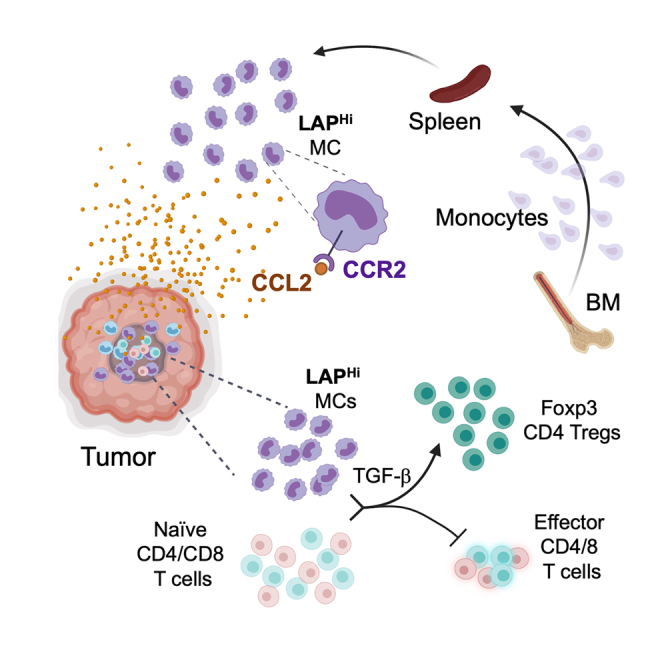
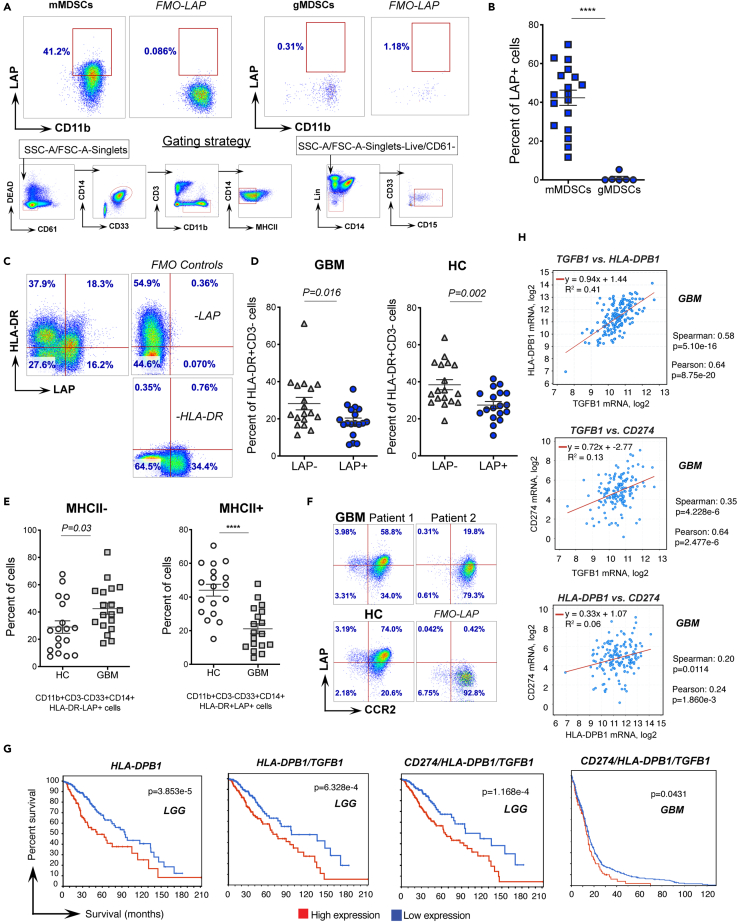
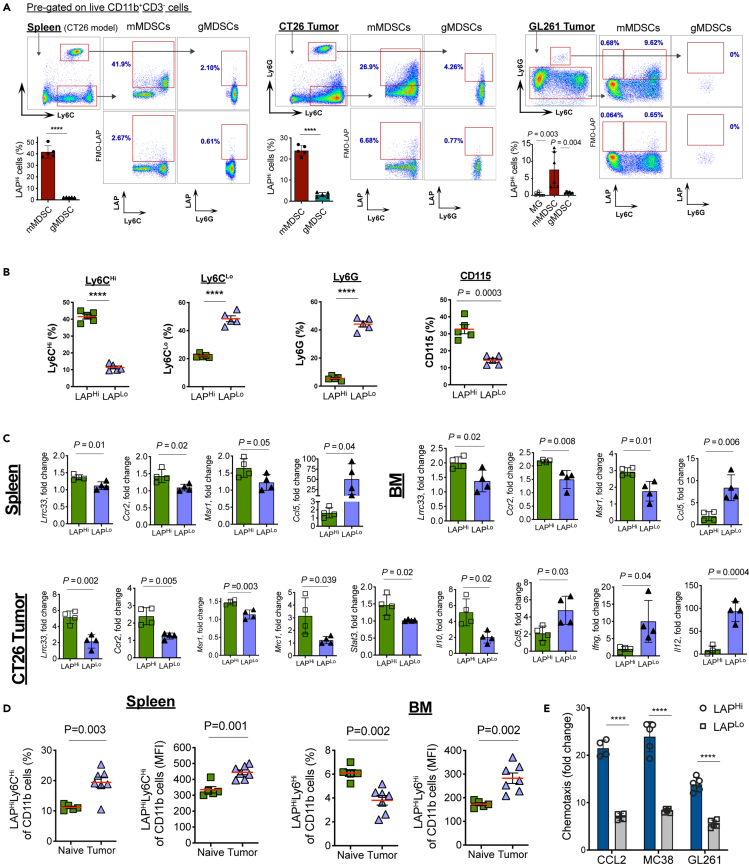
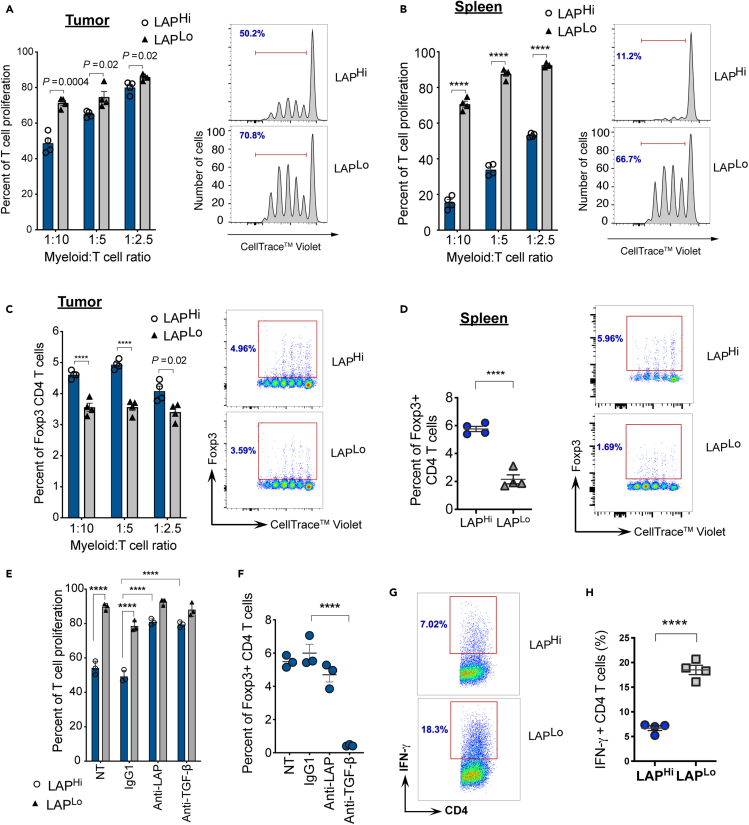
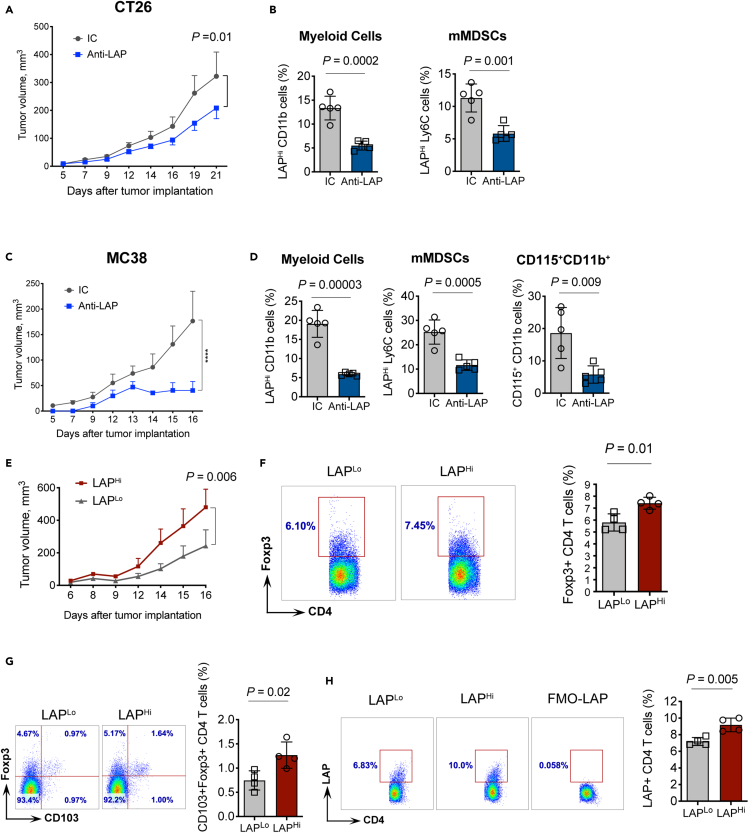
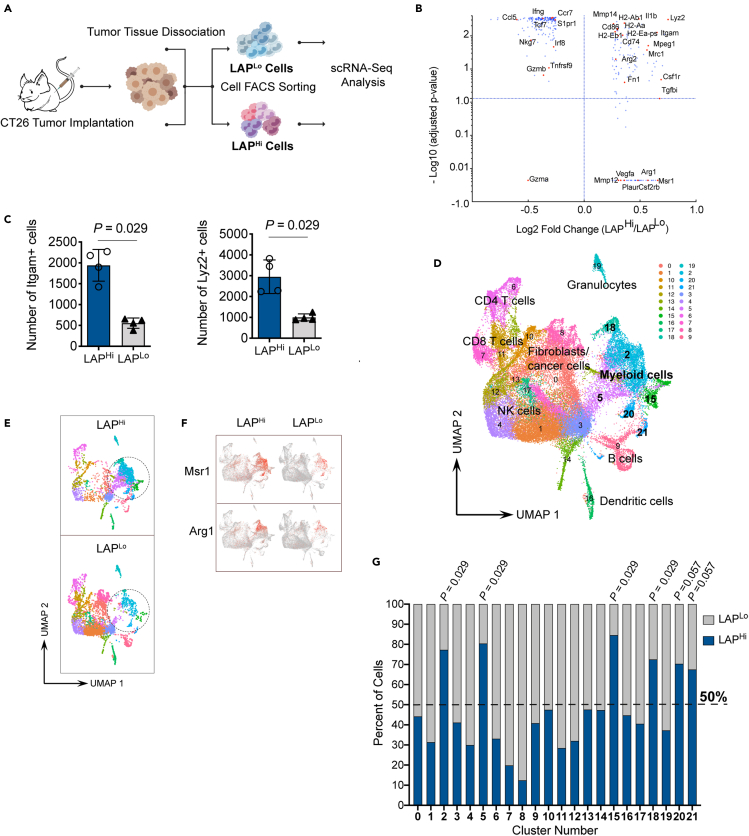
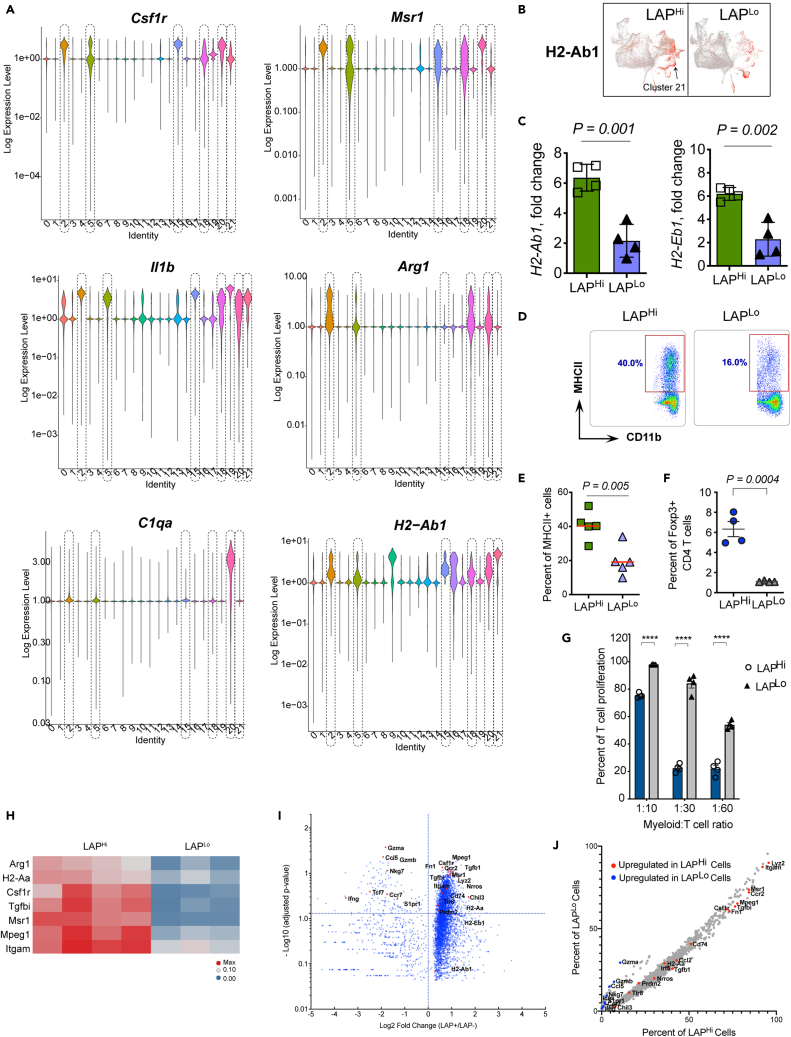
Myeloid suppressor cells promote tumor growth by a variety of mechanisms which are not fully characterized. We identified myeloid cells (MCs) expressing the latency-associated peptide (LAP) of TGF-β on their surface and LAP MCs that stimulate Foxp3 Tregs while inhibiting effector T cell proliferation and function. Blocking TGF-β inhibits the tolerogenic ability of LAP MCs. Furthermore, adoptive transfer of LAP MCs promotes Treg accumulation and tumor growth . Conversely, anti-LAP antibody, which reduces LAP MCs, slows cancer progression. Single-cell RNA-Seq analysis on tumor-derived immune cells revealed LAP dominated cell subsets with distinct immunosuppressive signatures, including those with high levels of MHCII and PD-L1 genes. Analogous to mice, LAP is expressed on myeloid suppressor cells in humans, and these cells are increased in glioma patients. Thus, our results identify a previously unknown function by which LAP MCs promote tumor growth and offer therapeutic intervention to target these cells in cancer.
髓系抑制细胞通过多种尚未完全明确的机制促进肿瘤生长。我们鉴定出表面表达转化生长因子-β(TGF-β)潜伏相关肽(LAP)的髓系细胞(MCs),以及刺激Foxp3调节性T细胞(Tregs)同时抑制效应T细胞增殖和功能的LAP⁺ MCs。阻断TGF-β可抑制LAP⁺ MCs的致耐受性能力。此外,过继转移LAP⁺ MCs可促进Tregs积累和肿瘤生长。相反,可减少LAP⁺ MCs的抗LAP抗体可减缓癌症进展。对肿瘤来源免疫细胞的单细胞RNA测序分析揭示了具有不同免疫抑制特征的LAP⁺主导细胞亚群,包括那些MHCII和PD-L1基因水平较高的亚群。与小鼠类似,LAP在人类髓系抑制细胞上表达,且这些细胞在胶质瘤患者中增多。因此,我们的结果确定了LAP⁺ MCs促进肿瘤生长的一种此前未知的功能,并为在癌症中靶向这些细胞提供了治疗干预措施。