Institute Leloir Foundation- IIBBA-CONICET, Buenos Aires, Argentina.
CONICET and Laboratorio de Medicina Experimental "Dr. J Toblli", Hospital Alemán, Buenos Aires, Argentina.
Stem Cell Res Ther. 2021 Nov 25;12(1):590. doi: 10.1186/s13287-021-02658-2.
Self-limited Childhood Epilepsies are the most prevalent epileptic syndrome in children. Its pathogenesis is unknown. In this disease, symptoms resolve spontaneously in approximately 50% of patients when maturity is reached, prompting to a maturation problem. The purpose of this study was to understand the molecular bases of this disease by generating and analyzing induced pluripotent stem cell-derived neurons from a family with 7 siblings, among whom 4 suffer from this disease.
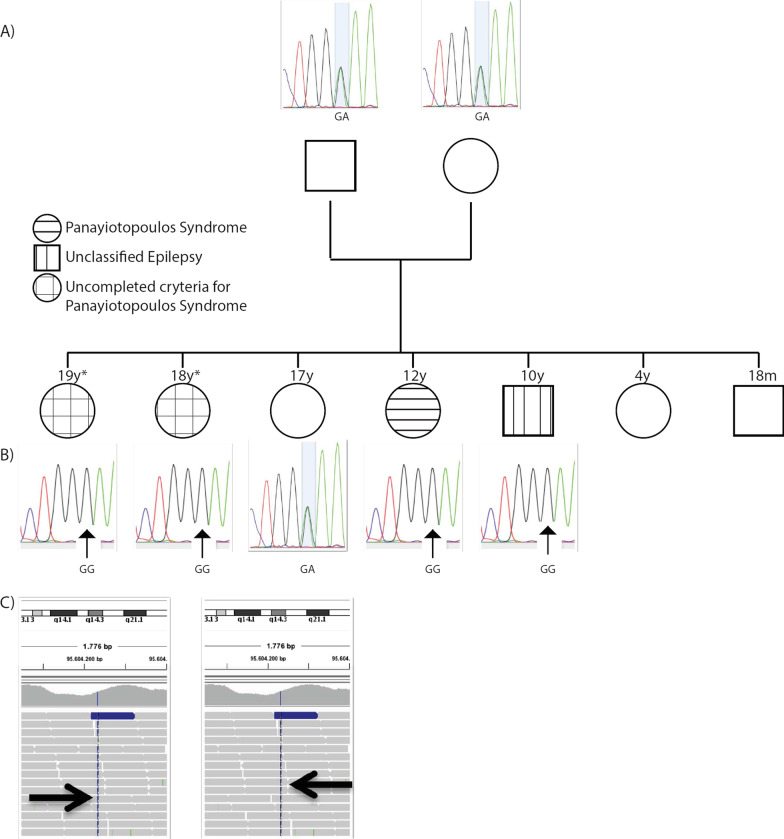
Two affected siblings and, as controls, a healthy sister and the unaffected mother of the family were studied. Using exome sequencing, a homozygous variant in the FYVE, RhoGEF and PH Domain Containing 6 gene was identified in the patients as a putative genetic factor that could contribute to the development of this familial disorder. After informed consent was signed, skin biopsies from the 4 individuals were collected, fibroblasts were derived and reprogrammed and neurons were generated and characterized by markers and electrophysiology. Morphological, electrophysiological and gene expression analyses were performed on these neurons.
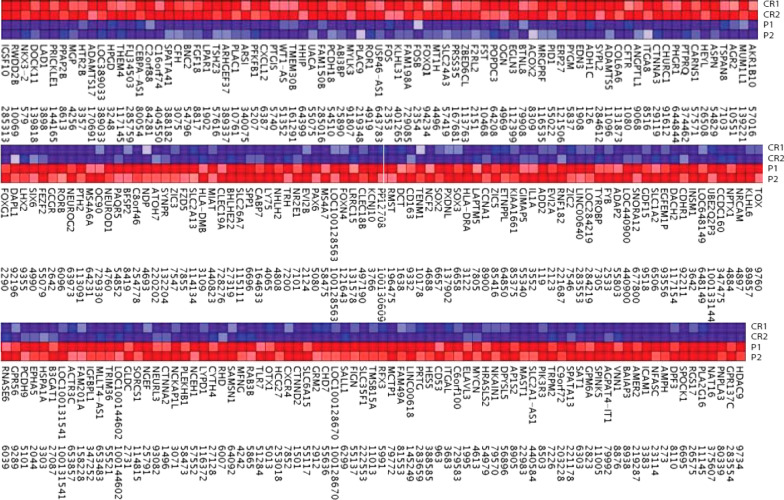
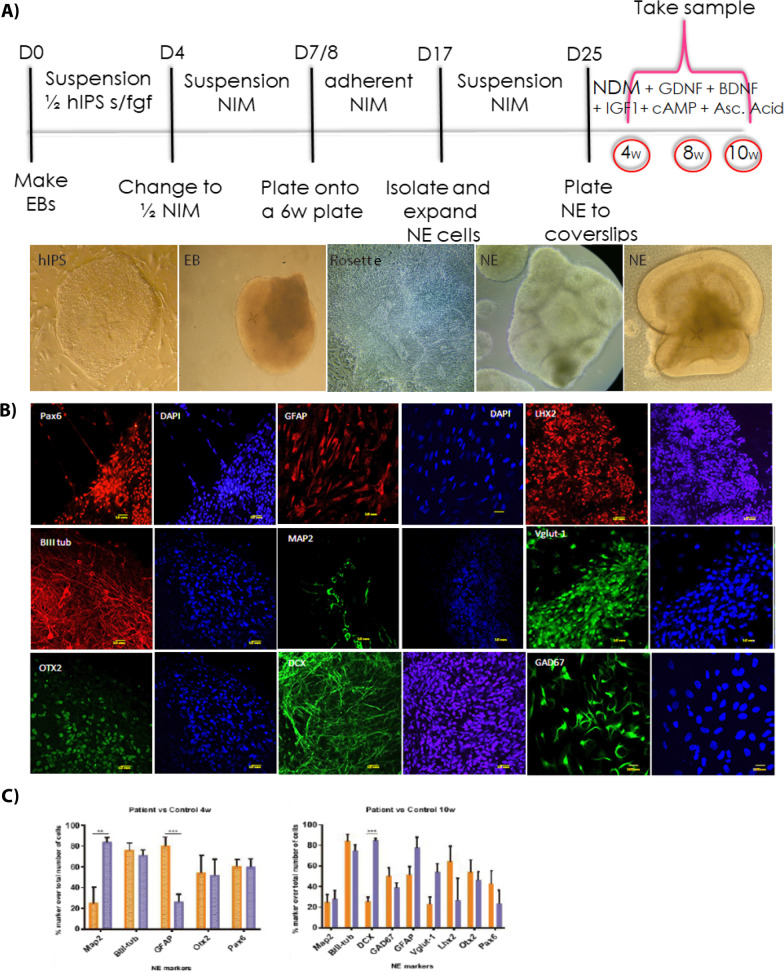
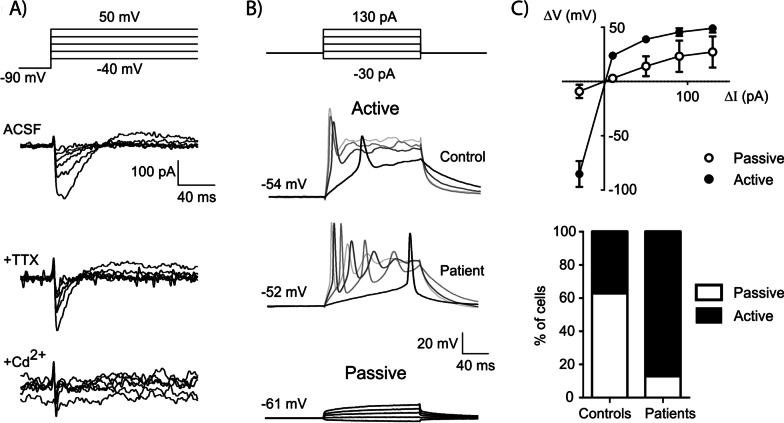
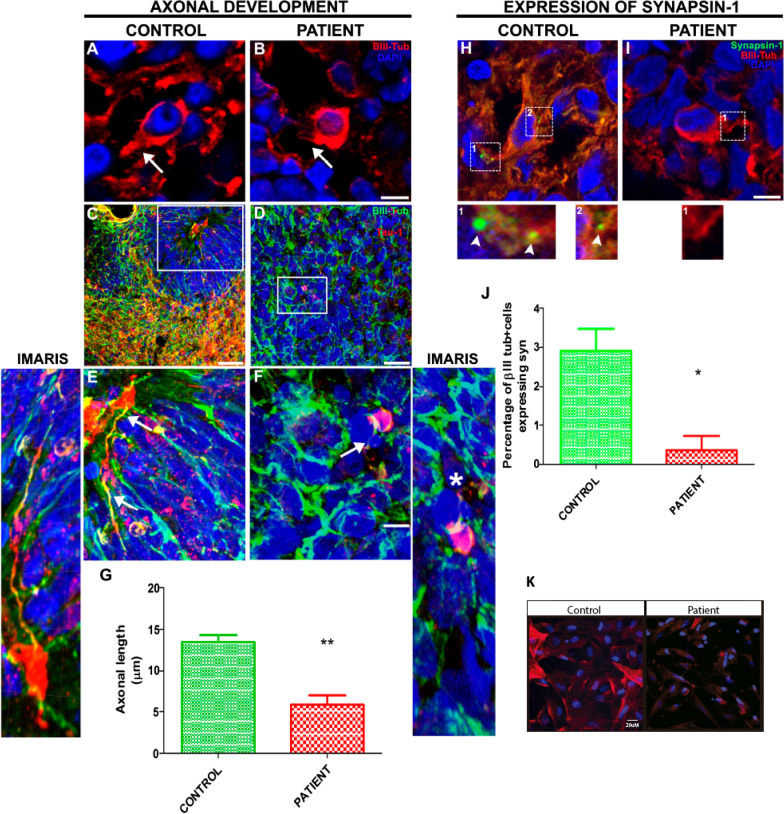
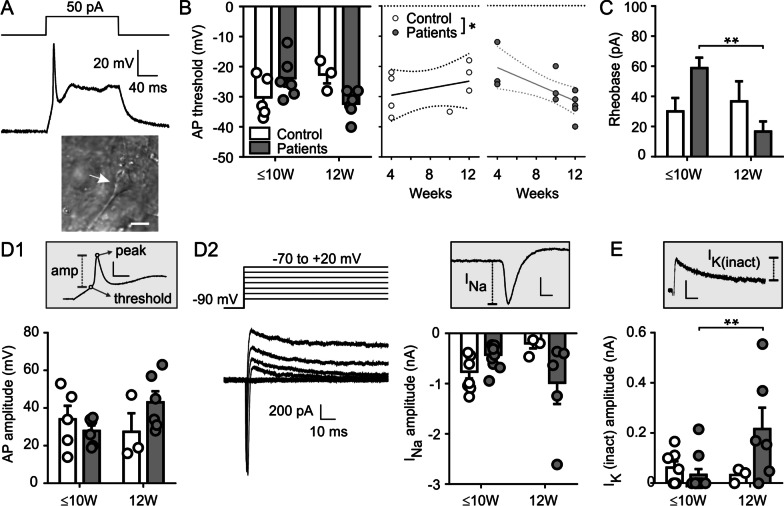
Bona fide induced pluripotent stem cells and derived neurons could be generated in all cases. Overall, there were no major shifts in neuronal marker expression among patient and control-derived neurons. Compared to two familial controls, neurons from patients showed shorter axonal length, a dramatic reduction in synapsin-1 levels and cytoskeleton disorganization. In addition, neurons from patients developed a lower action potential threshold with time of in vitro differentiation and the amount of current needed to elicit an action potential (rheobase) was smaller in cells recorded from NE derived from patients at 12 weeks of differentiation when compared with shorter times in culture. These results indicate an increased excitability in patient cells that emerges with the time in culture. Finally, functional genomic analysis showed a biased towards immaturity in patient-derived neurons.
We are reporting the first in vitro model of self-limited childhood epilepsy, providing the cellular bases for future in-depth studies to understand its pathogenesis. Our results show patient-specific neuronal features reflecting immaturity, in resonance with the course of the disease and previous imaging studies.
自限性儿童癫痫是儿童中最常见的癫痫综合征。其发病机制尚不清楚。在这种疾病中,大约 50%的患者在成熟时会自发缓解症状,这提示存在成熟问题。本研究的目的是通过生成和分析来自一个有 7 个兄弟姐妹的家庭的诱导多能干细胞衍生神经元,来了解这种疾病的分子基础,其中 4 个患有这种疾病。
对 2 名受影响的兄弟姐妹,以及作为对照的 1 名健康姐妹和家庭中未受影响的母亲进行了研究。通过外显子组测序,在患者中发现 FYVE、RhoGEF 和 PH 结构域包含 6 基因的纯合变异,这可能是导致这种家族性疾病的潜在遗传因素。在获得知情同意后,从 4 个人采集皮肤活检,提取成纤维细胞并进行重编程,生成神经元并通过标志物和电生理学进行特征分析。对这些神经元进行形态学、电生理学和基因表达分析。
在所有病例中均能生成可靠的诱导多能干细胞和衍生神经元。总的来说,患者和对照衍生神经元之间的神经元标志物表达没有重大变化。与两个家族对照相比,患者的神经元轴突长度更短,突触素-1 水平显著降低,细胞骨架紊乱。此外,与较短的培养时间相比,患者来源的神经元在体外分化 12 周时,其动作电位阈值随时间降低,诱发动作电位所需的电流(阈电流)更小,这表明患者细胞的兴奋性随着培养时间的增加而增加。最后,功能基因组分析显示患者来源的神经元向不成熟状态倾斜。
我们报告了首例自限性儿童癫痫的体外模型,为未来深入研究其发病机制提供了细胞基础。我们的研究结果显示,患者来源的神经元具有特定的不成熟特征,与疾病的病程和先前的影像学研究一致。