Vargas Ivan, Howie Erin Kaye, Muench Alexandria, Perlis Michael L
Department of Psychological Science, University of Arkansas, 310 Memorial Hall, Fayetteville, AR 72701, USA.
Department of Health, Human Performance and Recreation, University of Arkansas, Fayetteville, AR 72701, USA.
Brain Sci. 2021 Oct 30;11(11):1449. doi: 10.3390/brainsci11111449.
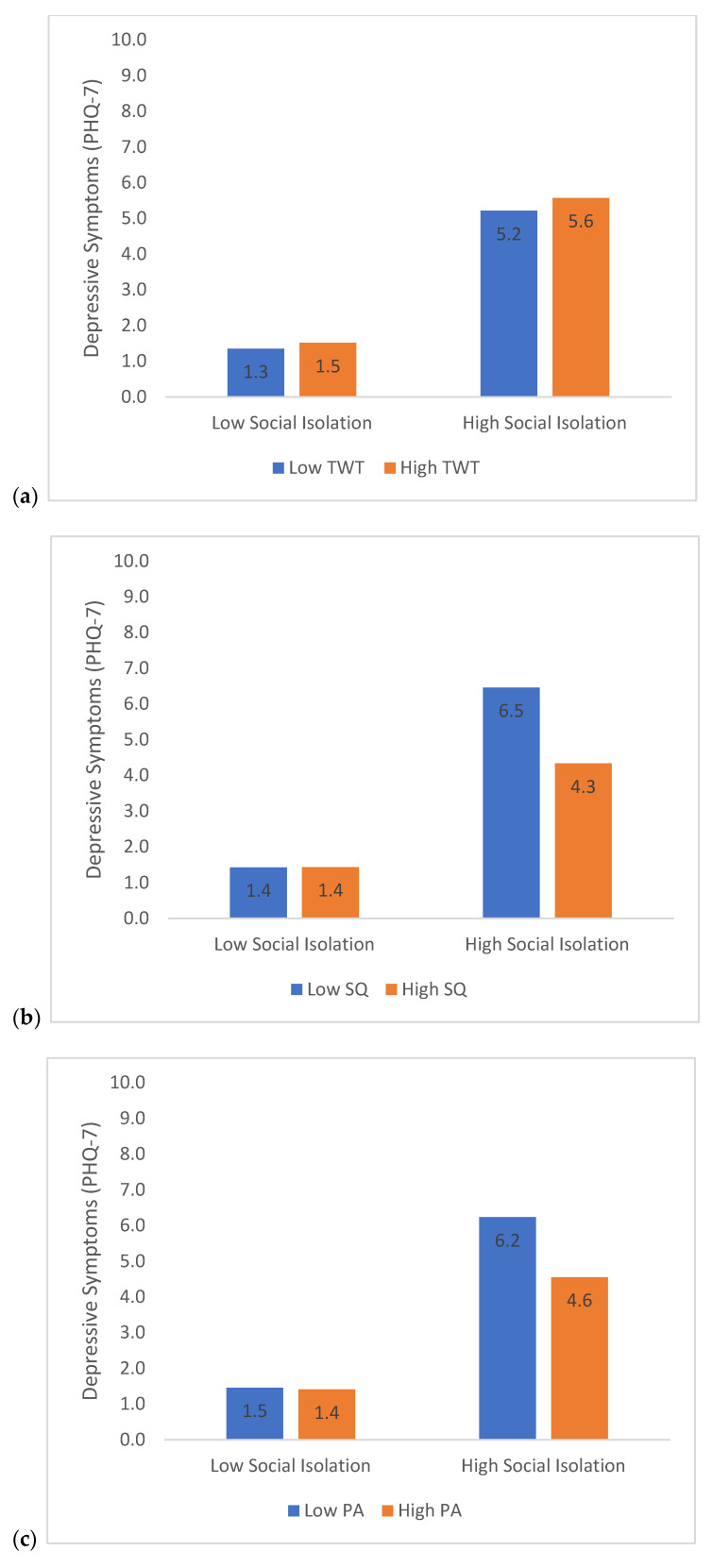
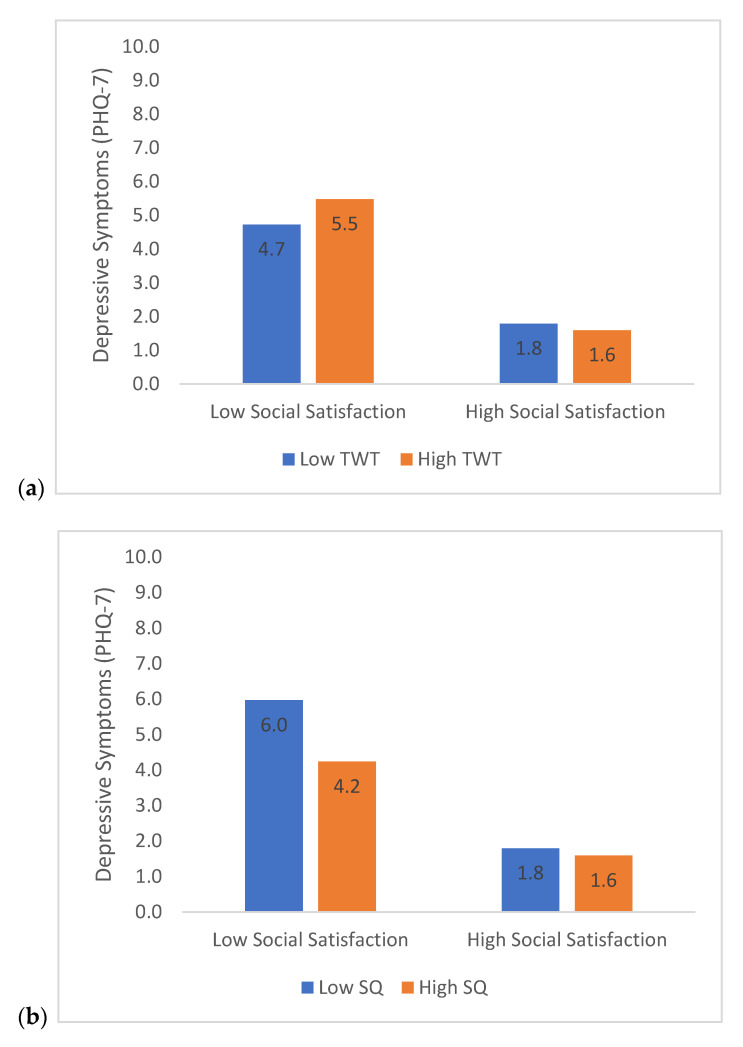
Social distancing was universally implemented to reduce the spread of the COVID-19 virus. Long-term social distancing can lead to increased feelings of social isolation or dissatisfaction with one's daily interpersonal interactions, which can subsequently result in reduced psychological health (e.g., greater depression). The present study quantified this association, and the extent to which it was moderated by measures of sleep and physical activity, by surveying 3658 adults (mean age = 46.0 years) from across the United States. Participants answered questions related to their social experiences, sleep, physical activity, and depressive symptoms during the early stages of the pandemic (March-June 2020). Results showed that social isolation and social dissatisfaction were associated with greater depressive symptoms. As predicted, self-reported sleep quality and physical activity moderated these associations, such that lower sleep quality and physical activity exacerbated their effect on depressive symptoms.
普遍实施社交距离措施以减少新冠病毒的传播。长期的社交距离会导致社交隔离感增强或对日常人际互动的不满,进而导致心理健康状况下降(例如,抑郁加剧)。本研究通过对来自美国各地的3658名成年人(平均年龄 = 46.0岁)进行调查,量化了这种关联以及睡眠和身体活动测量指标对其的调节程度。参与者回答了与疫情早期阶段(2020年3月至6月)他们的社交经历、睡眠、身体活动和抑郁症状相关的问题。结果表明,社交隔离和社交不满与更严重的抑郁症状相关。正如预期的那样,自我报告的睡眠质量和身体活动调节了这些关联,即睡眠质量和身体活动较低会加剧它们对抑郁症状的影响。