Di Cicco Maria E, Bizzoco Francesca, Morelli Elena, Seccia Veronica, Ragazzo Vincenzo, Peroni Diego G, Comberiati Pasquale
Department of Clinical and Experimental Medicine, University of Pisa, Via Roma n. 55, 56126 Pisa, Italy.
Allergology Section, Pediatrics Unit, Pisa University Hospital, Via Roma n. 67, 56126 Pisa, Italy.
Children (Basel). 2021 Nov 2;8(11):997. doi: 10.3390/children8110997.
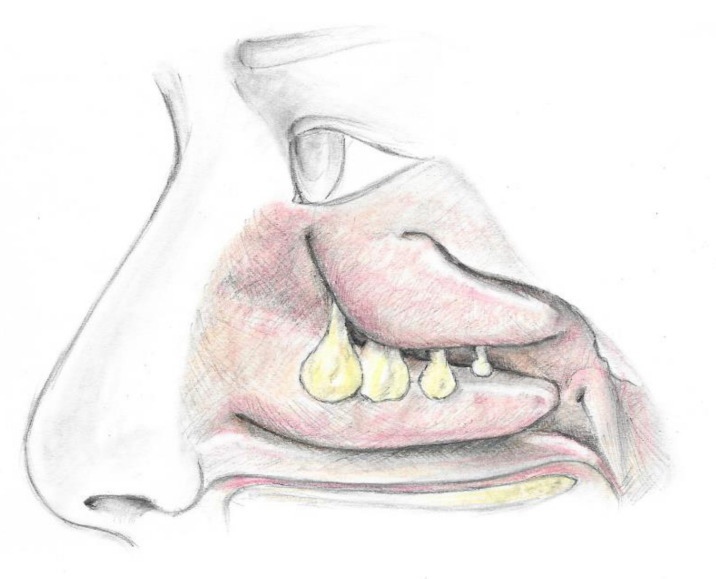
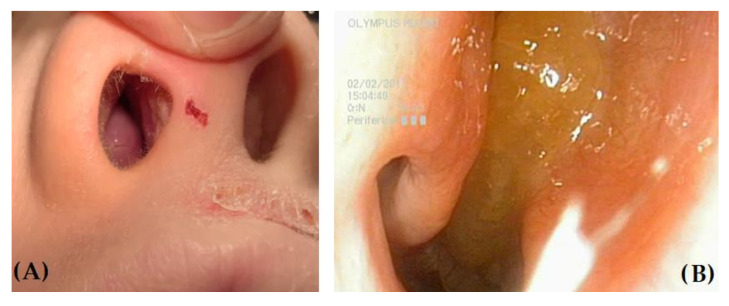
Nasal polyps (NPs) are benign inflammatory masses causing chronic nasal obstruction, usually associated with underlying chronic rhinosinusitis (CRS), which are rarely reported in childhood. The interest in NPs has recently increased due to new therapeutic options, namely biological agents, such as dupilumab, and an update of the European position paper on this topic was released in 2020, providing a detailed classification for these lesions and also discussing diagnostic and therapeutic approaches also in children. In childhood, NPs usually represent red flags for systemic diseases, such as cystic fibrosis and immunodeficiencies. This review outlines the recent data on NPs in childhood, focusing on predisposing factors for CRS as well as on the potential endotypes in this particular age group, for which further studies are required in order to better clarify their pathogenesis and to identify molecular biomarkers that could help achieve more personalized treatments.
鼻息肉(NPs)是引起慢性鼻阻塞的良性炎性肿物,通常与潜在的慢性鼻-鼻窦炎(CRS)相关,在儿童期很少见。由于新的治疗选择,即生物制剂,如度普利尤单抗,最近对鼻息肉的关注度有所增加,并且2020年发布了关于该主题的欧洲立场文件更新版,为这些病变提供了详细分类,还讨论了儿童的诊断和治疗方法。在儿童期,鼻息肉通常是全身性疾病的警示信号,如囊性纤维化和免疫缺陷。本综述概述了儿童鼻息肉的最新数据,重点关注慢性鼻-鼻窦炎的易感因素以及该特定年龄组的潜在内型,为了更好地阐明其发病机制并识别有助于实现更个性化治疗的分子生物标志物,还需要对这些方面进行进一步研究。