Wang Jieyong, Dai Chun
Institute of Geographic Sciences and Natural Resources Research, Chinese Academy of Sciences, Beijing 100101, China.
Key Laboratory of Regional Sustainable Development Modeling, Chinese Academy of Sciences, Beijing 100101, China.
Foods. 2021 Nov 2;10(11):2657. doi: 10.3390/foods10112657.
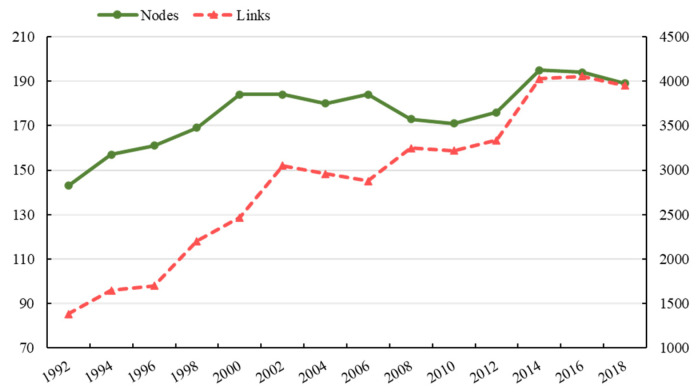
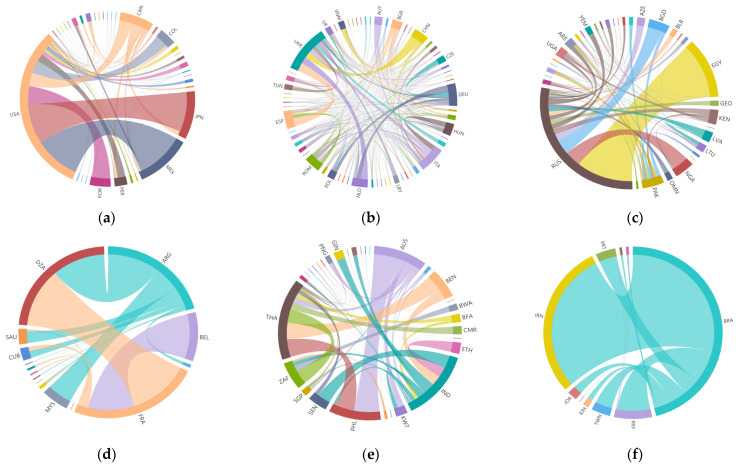
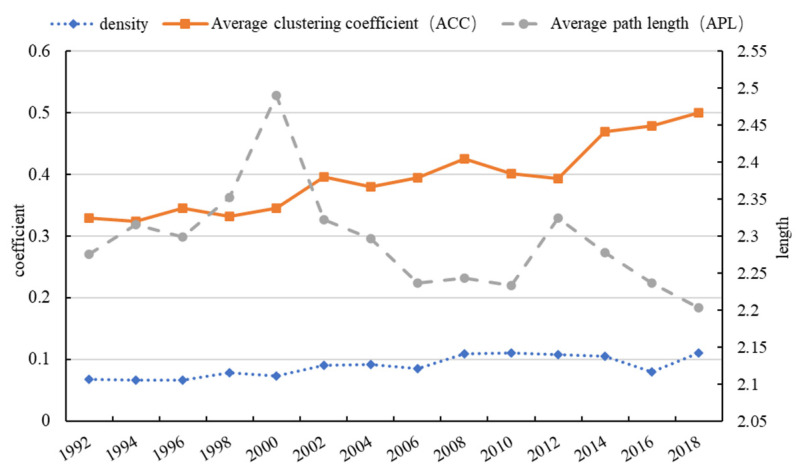
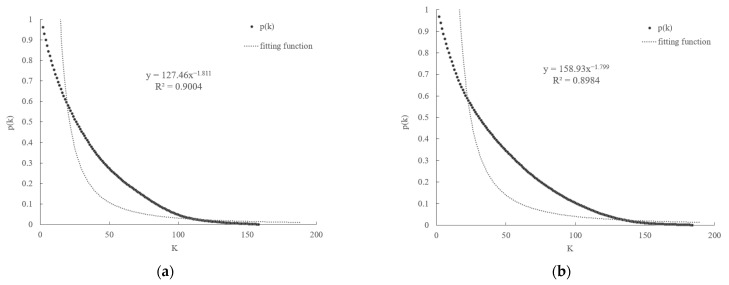
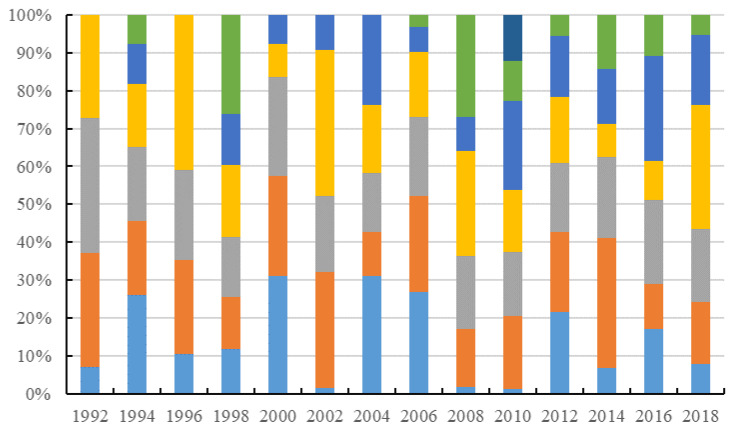
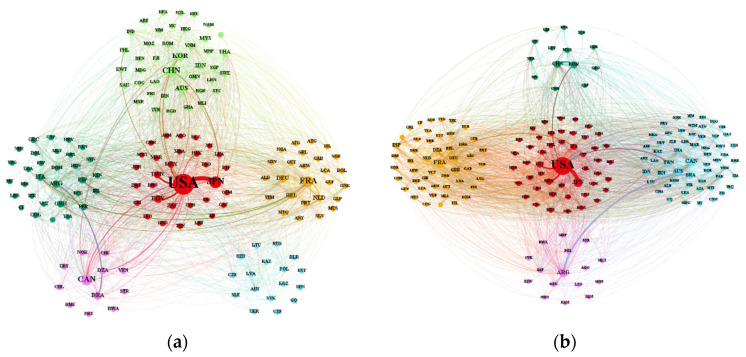
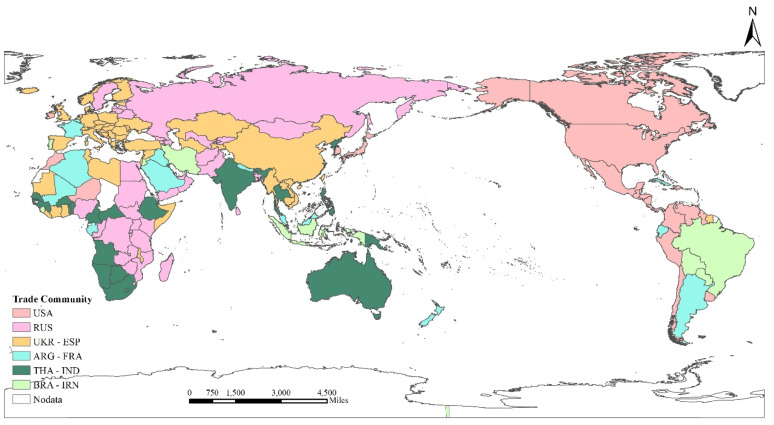
Global food trade is an integral part of the food system, and plays an important role in food security. Based on complex network analyses, this paper analyzed the global food trade network (FTN) and its evolution from 1992 to 2018. The results show that: (1) food trade relations have increased and global FTN is increasingly complex, efficient, and tighter. (2) Global food trade communities have become more stable and the trade network has evolved from "unipolar" to "multipolar". (3) Over the nearly 30-year period, the core exporting countries have been stable and concentrated, while the core importing countries are relatively dispersed. The increasingly complex food trade network improves food availability and nutritional diversity; however, the food trade system, led by several large countries, has increased the vulnerability of some countries' food systems and brings about unsafe factors, such as global natural disasters and political instability. It is supposed to establish a food security community to protect the global food trade market, address multiple risks, and promote global food security.
全球粮食贸易是粮食系统的一个组成部分,在粮食安全方面发挥着重要作用。基于复杂网络分析,本文分析了1992年至2018年全球粮食贸易网络(FTN)及其演变。结果表明:(1)粮食贸易关系增加,全球FTN日益复杂、高效且紧密。(2)全球粮食贸易群落变得更加稳定,贸易网络已从“单极”演变为“多极”。(3)在近30年期间,核心出口国一直稳定且集中,而核心进口国则相对分散。日益复杂的粮食贸易网络提高了粮食可得性和营养多样性;然而,由几个大国主导的粮食贸易体系增加了一些国家粮食系统的脆弱性,并带来了诸如全球自然灾害和政治不稳定等不安全因素。应该建立一个粮食安全共同体来保护全球粮食贸易市场,应对多重风险,并促进全球粮食安全。