Brancaccio Mariarita, Mennitti Cristina, Cesaro Arturo, Monda Emanuele, D'Argenio Valeria, Casaburi Giorgio, Mazzaccara Cristina, Ranieri Annaluisa, Fimiani Fabio, Barretta Ferdinando, Uomo Fabiana, Caiazza Martina, Lioncino Michele, D'Alicandro Giovanni, Limongelli Giuseppe, Calabrò Paolo, Terracciano Daniela, Lombardo Barbara, Frisso Giulia, Scudiero Olga
Department of Molecular Medicine and Medical Biotechnology, University of Naples Federico II, 80131 Naples, Italy.
Department of Translational Medical Sciences, Università degli Studi della Campania "Luigi Vanvitelli", 80138 Naples, Italy.
Diagnostics (Basel). 2021 Nov 19;11(11):2144. doi: 10.3390/diagnostics11112144.
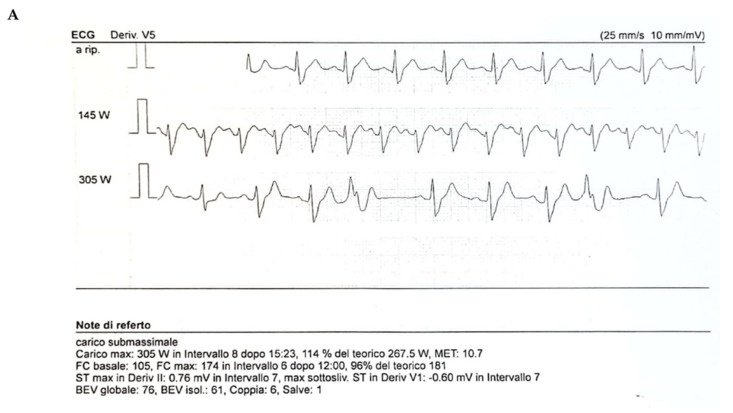
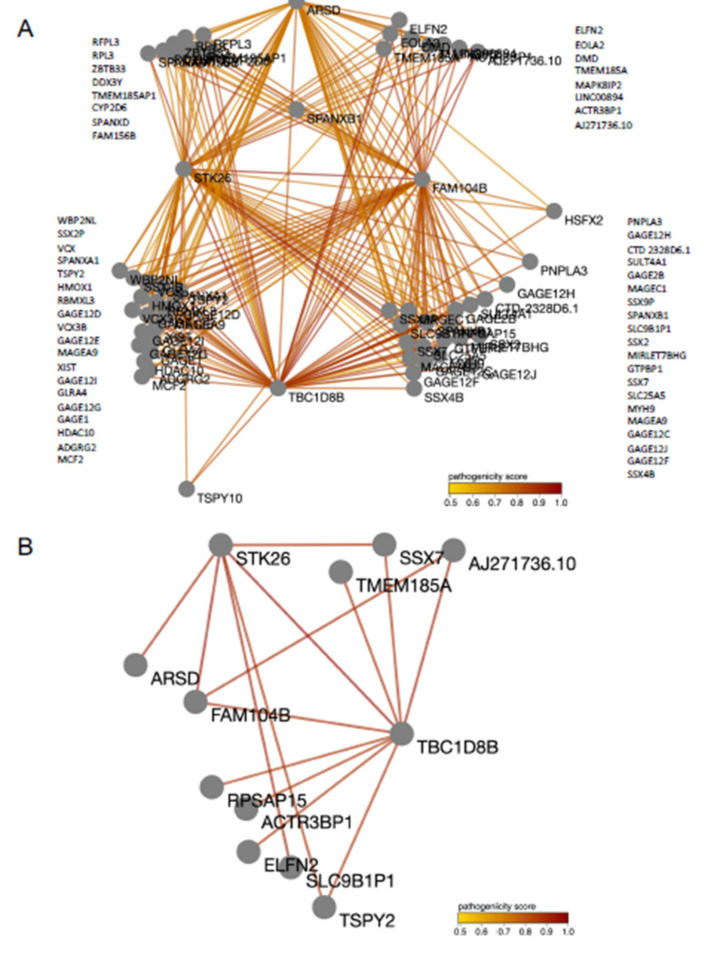
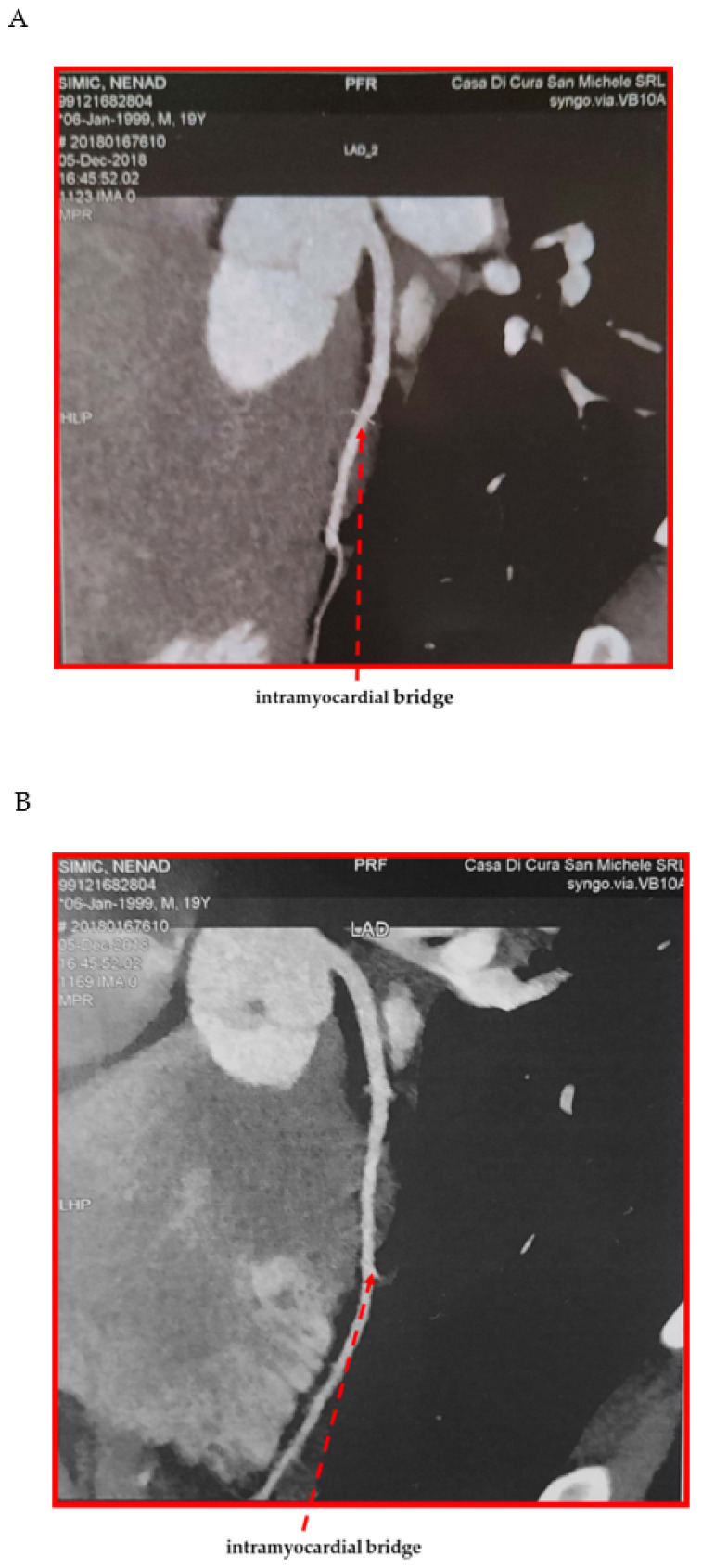
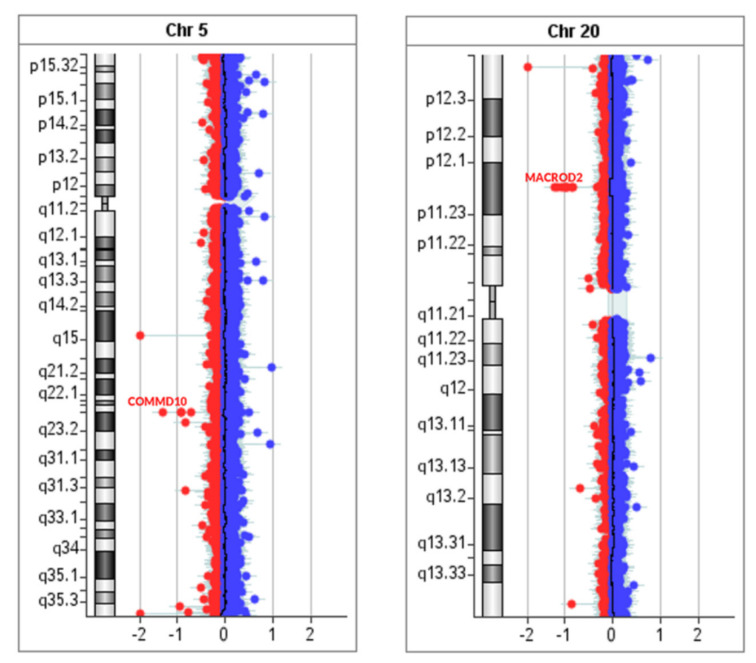
Laboratory medicine, along with genetic investigations in sports medicine, is taking on an increasingly important role in monitoring athletes' health conditions. Acute or intense exercise can result in metabolic imbalances, muscle injuries or reveal cardiovascular disorders. This study aimed to monitor the health status of a basketball player with an integrated approach, including biochemical and genetic investigations and advanced imaging techniques, to shed light on the causes of recurrent syncope he experienced during exercise. Biochemical analyses showed that the athlete had abnormal iron, ferritin and bilirubin levels. Coronary Computed Tomographic Angiography highlighted the presence of an intramyocardial bridge, suggesting this may be the cause of the observed syncopes. The athlete was excluded from competitive activity. In order to understand if this cardiac malformation could be caused by an inherited genetic condition, both array-CGH and whole exome sequencing were performed. Array-CGH showed two intronic deletions involving and genes, which could be related to a congenital heart defect; whole exome sequencing highlighted the genotype compatible with Gilbert syndrome. However, no clear pathogenic mutations related to the patient's cardiological phenotype were detected, even after applying machine learning methods. This case report highlights the importance and the need to provide exhaustive personalized diagnostic work up for the athletes in order to cover the cause of their malaise and for safeguarding their health. This multidisciplinary approach can be useful to create ad personam training and treatments, thus avoiding the appearance of diseases and injuries which, if underestimated, can become irreversible disorders and sometimes can result in the death of the athlete.
检验医学,连同运动医学中的基因研究,在监测运动员健康状况方面正发挥着越来越重要的作用。急性或剧烈运动可能导致代谢失衡、肌肉损伤或揭示心血管疾病。本研究旨在采用综合方法监测一名篮球运动员的健康状况,包括生化和基因研究以及先进的成像技术,以阐明他在运动期间反复出现晕厥的原因。生化分析表明,该运动员的铁、铁蛋白和胆红素水平异常。冠状动脉计算机断层血管造影显示存在心肌内桥,提示这可能是观察到的晕厥的原因。该运动员被禁止参加竞技活动。为了了解这种心脏畸形是否可能由遗传基因状况引起,进行了阵列比较基因组杂交(array-CGH)和全外显子组测序。阵列比较基因组杂交显示涉及 和 基因的两个内含子缺失,这可能与先天性心脏缺陷有关;全外显子组测序突出显示了与吉尔伯特综合征相容的基因型。然而,即使应用机器学习方法,也未检测到与患者心脏表型相关的明确致病突变。本病例报告强调了为运动员提供详尽的个性化诊断检查的重要性和必要性,以便查明他们不适的原因并保护他们的健康。这种多学科方法有助于制定个性化的训练和治疗方案,从而避免疾病和损伤的出现,这些疾病和损伤如果被低估,可能会变成不可逆转的疾病,有时甚至会导致运动员死亡。