Liu Zijing, Dong Lihua, Zheng Zhuangzhuang, Liu Shiyu, Gong Shouliang, Meng Lingbin, Xin Ying, Jiang Xin
Jilin Provincial Key Laboratory of Radiation Oncology & Therapy, The First Hospital of Jilin University, Changchun 130021, China.
Department of Radiation Oncology, The First Hospital of Jilin University, Changchun 130021, China.
Antioxidants (Basel). 2021 Oct 22;10(11):1666. doi: 10.3390/antiox10111666.
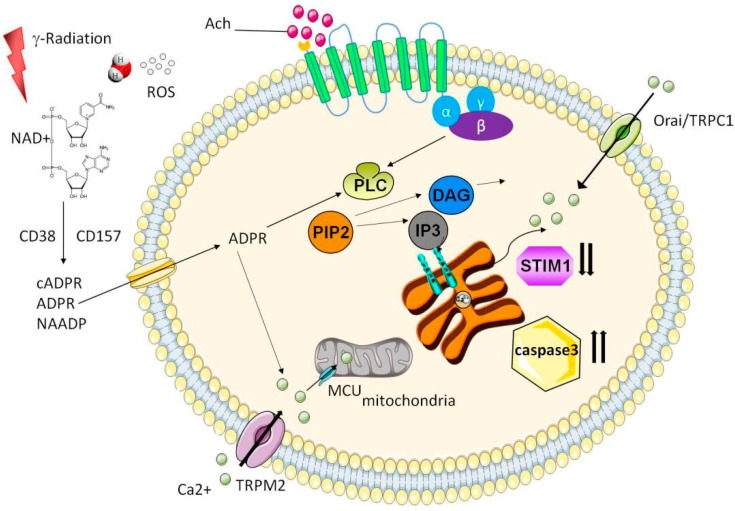
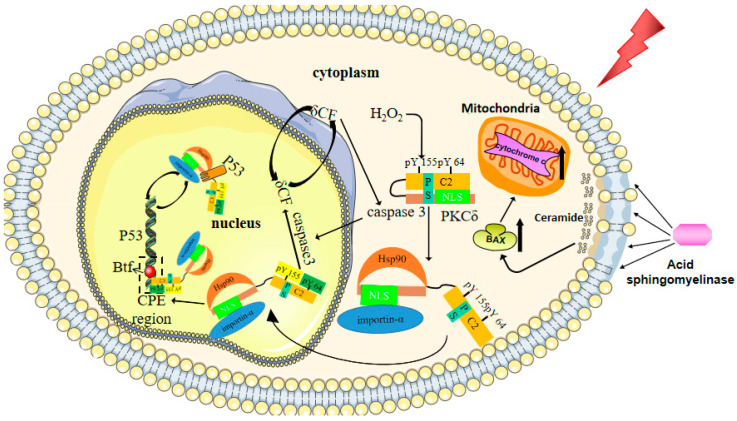
Radiation therapy is a common treatment for head and neck cancers. However, because of the presence of nerve structures (brain stem, spinal cord, and brachial plexus), salivary glands (SGs), mucous membranes, and swallowing muscles in the head and neck regions, radiotherapy inevitably causes damage to these normal tissues. Among them, SG injury is a serious adverse event, and its clinical manifestations include changes in taste, difficulty chewing and swallowing, oral infections, and dental caries. These clinical symptoms seriously reduce a patient's quality of life. Therefore, it is important to clarify the mechanism of SG injury caused by radiotherapy. Although the mechanism of radiation-induced SG injury has not yet been determined, recent studies have shown that the mechanisms of calcium signaling, microvascular injury, cellular senescence, and apoptosis are closely related to oxidative stress. In this article, we review the mechanism by which radiotherapy causes oxidative stress and damages the SGs. In addition, we discuss effective methods to prevent and treat radiation-induced SG damage.
放射治疗是头颈部癌症的常见治疗方法。然而,由于头颈部区域存在神经结构(脑干、脊髓和臂丛神经)、唾液腺(SGs)、黏膜和吞咽肌肉,放射治疗不可避免地会对这些正常组织造成损伤。其中,唾液腺损伤是一种严重的不良事件,其临床表现包括味觉改变、咀嚼和吞咽困难、口腔感染和龋齿。这些临床症状严重降低了患者的生活质量。因此,阐明放射治疗导致唾液腺损伤的机制很重要。尽管辐射诱导唾液腺损伤的机制尚未确定,但最近的研究表明,钙信号传导、微血管损伤、细胞衰老和凋亡机制与氧化应激密切相关。在本文中,我们综述了放射治疗引起氧化应激并损害唾液腺的机制。此外,我们还讨论了预防和治疗辐射诱导唾液腺损伤的有效方法。