Chen Xingchi, Liu Chang, Muok Laureana, Zeng Changchun, Li Yan
Department of Chemical and Biomedical Engineering, FAMU-FSU College of Engineering, Florida State University, Tallahassee, FL 32310, USA.
The High-Performance Materials Institute, Florida State University, Tallahassee, FL 32310, USA.
Cells. 2021 Nov 15;10(11):3183. doi: 10.3390/cells10113183.
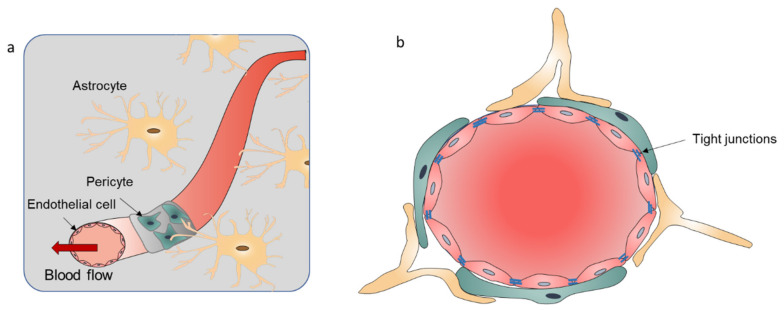
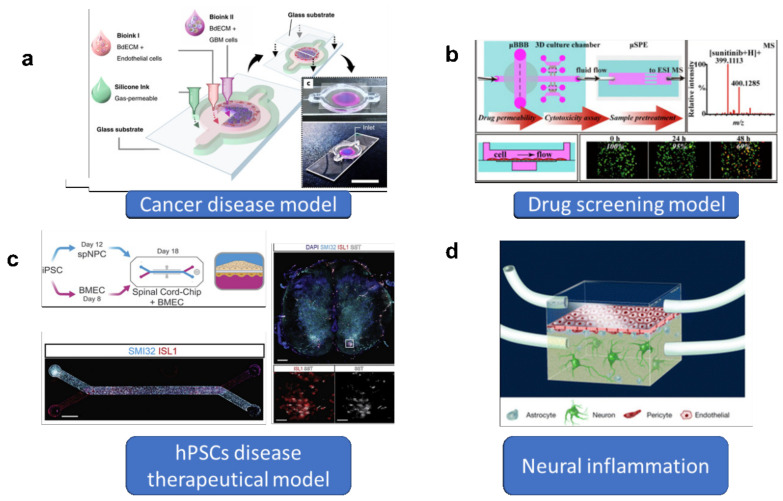
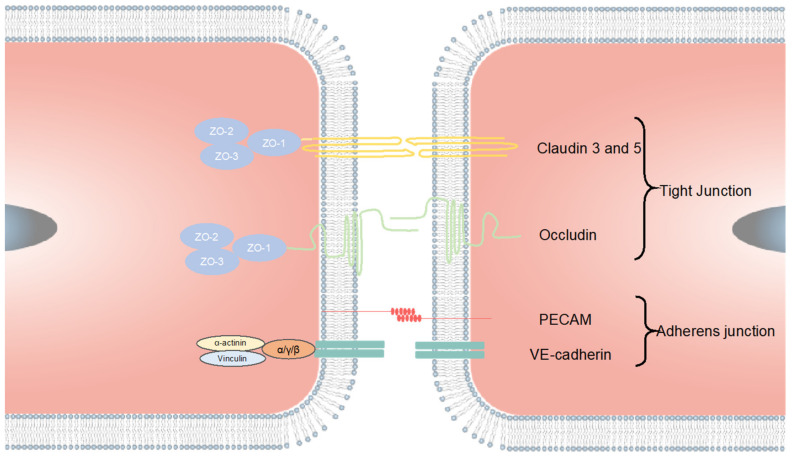
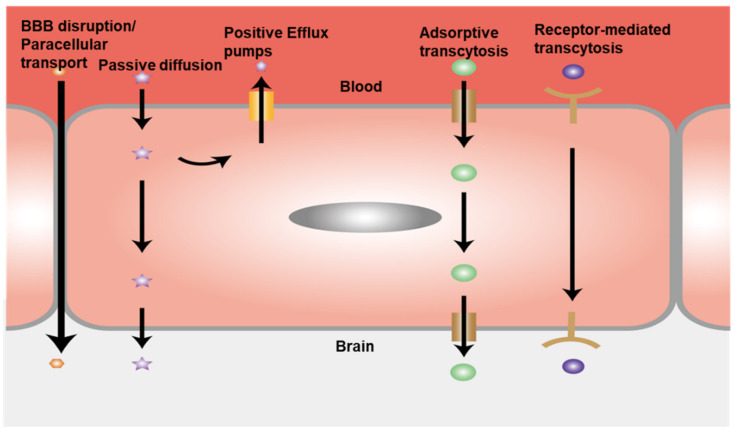
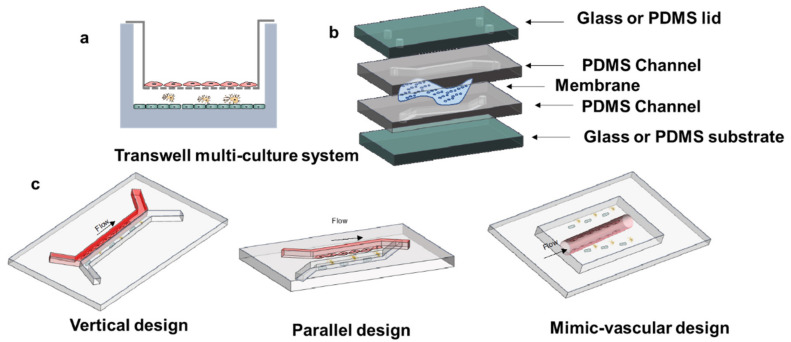
The blood-brain barrier (BBB) is a vital structure for maintaining homeostasis between the blood and the brain in the central nervous system (CNS). Biomolecule exchange, ion balance, nutrition delivery, and toxic molecule prevention rely on the normal function of the BBB. The dysfunction and the dysregulation of the BBB leads to the progression of neurological disorders and neurodegeneration. Therefore, in vitro BBB models can facilitate the investigation for proper therapies. As the demand increases, it is urgent to develop a more efficient and more physiologically relevant BBB model. In this review, the development of the microfluidics platform for the applications in neuroscience is summarized. This article focuses on the characterizations of in vitro BBB models derived from human stem cells and discusses the development of various types of in vitro models. The microfluidics-based system and BBB-on-chip models should provide a better platform for high-throughput drug-screening and targeted delivery.
血脑屏障(BBB)是中枢神经系统(CNS)中维持血液与大脑之间稳态的重要结构。生物分子交换、离子平衡、营养物质输送以及有毒分子的预防均依赖于血脑屏障的正常功能。血脑屏障功能障碍和失调会导致神经系统疾病和神经退行性变的进展。因此,体外血脑屏障模型有助于研究合适的治疗方法。随着需求的增加,迫切需要开发一种更高效且更具生理相关性的血脑屏障模型。在这篇综述中,总结了微流控平台在神经科学应用中的发展。本文重点介绍了源自人类干细胞的体外血脑屏障模型的特性,并讨论了各种类型体外模型的发展。基于微流控的系统和芯片上的血脑屏障模型应为高通量药物筛选和靶向递送提供更好的平台。