Pottoo Faheem Hyder, Salahuddin Mohammed, Khan Firdos Alam, Alomar Fadhel, Al Dhamen Marwa Abdullah, Alhashim Abrar Fouad, Alqattan Hawra Hussain, Gomaa Mohamed S, Alomary Mohammad N
Department of Pharmacology, College of Clinical Pharmacy, Imam Abdulrahman Bin Faisal University, P.O. Box 1982, Dammam 31441, Saudi Arabia.
Department of Clinical Pharmacy Research, Institute for Research and Medical Consultations, Imam Abdulrahman Bin Faisal University, P.O. Box 1982, Dammam 31441, Saudi Arabia.
Pharmaceuticals (Basel). 2021 Nov 8;14(11):1132. doi: 10.3390/ph14111132.
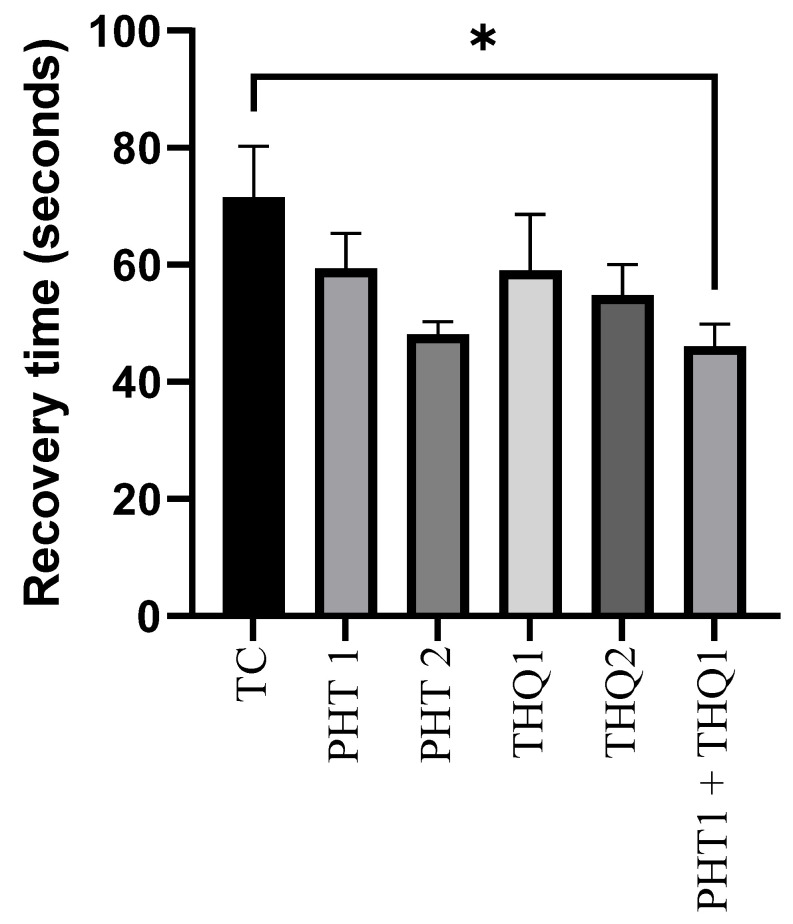
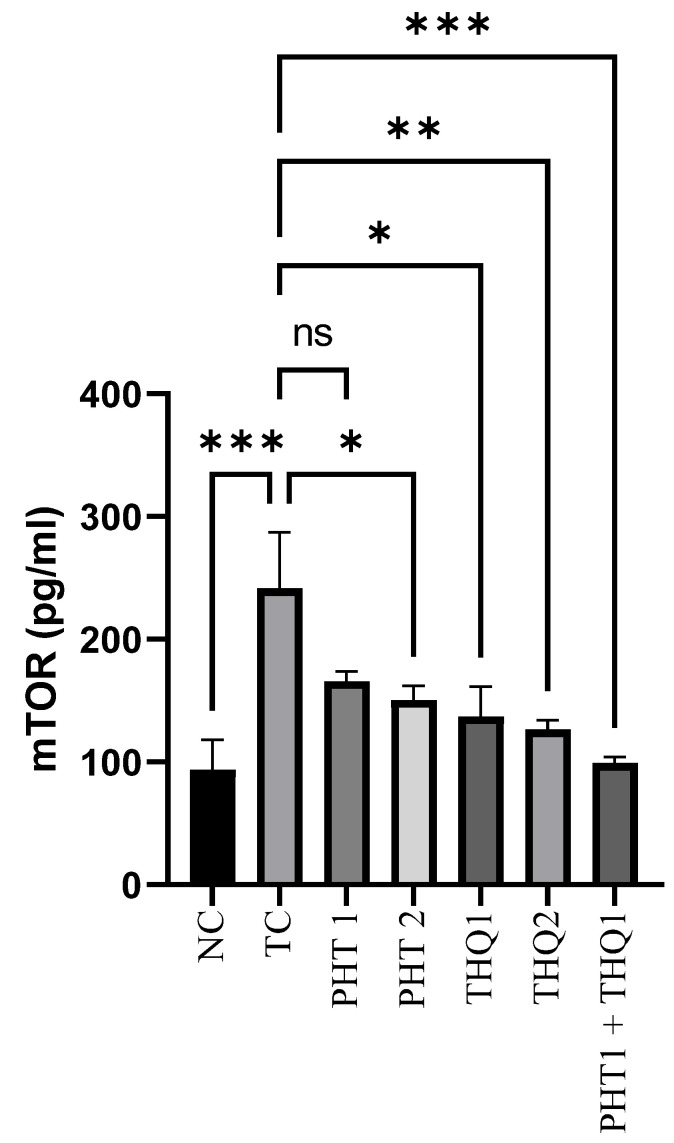
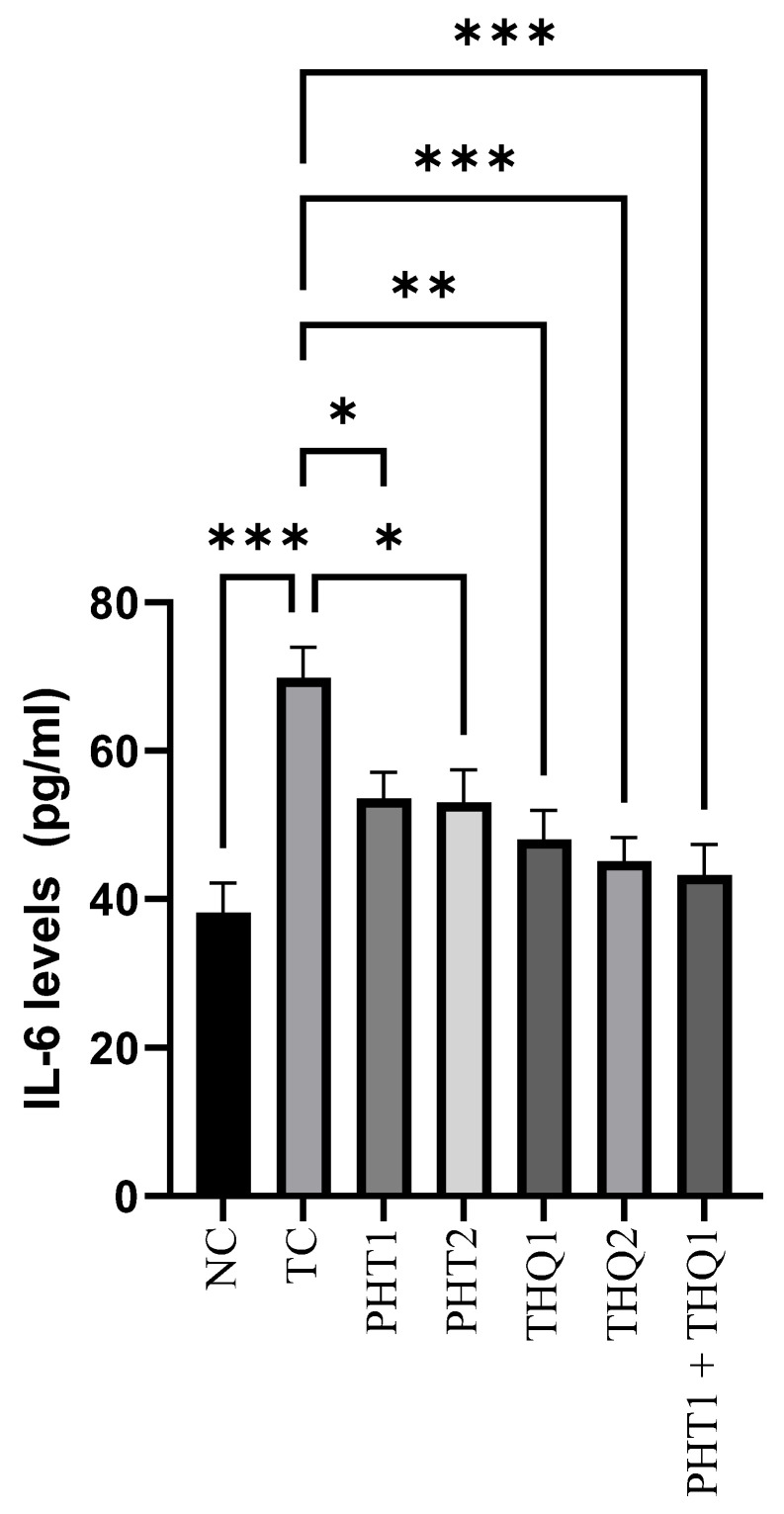
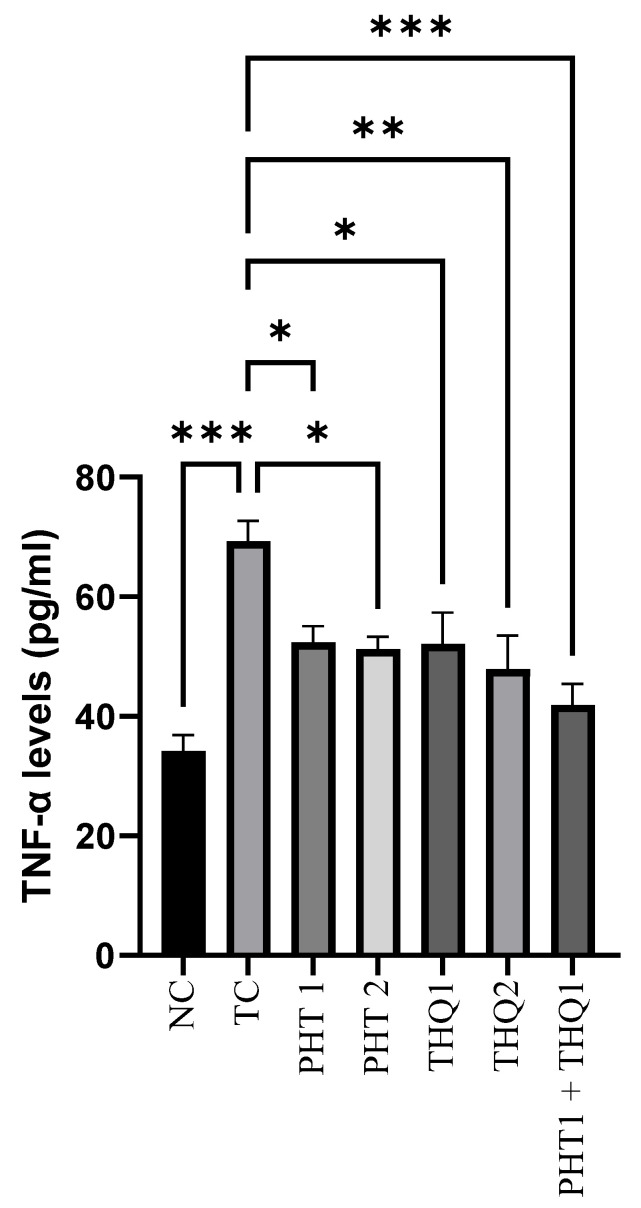
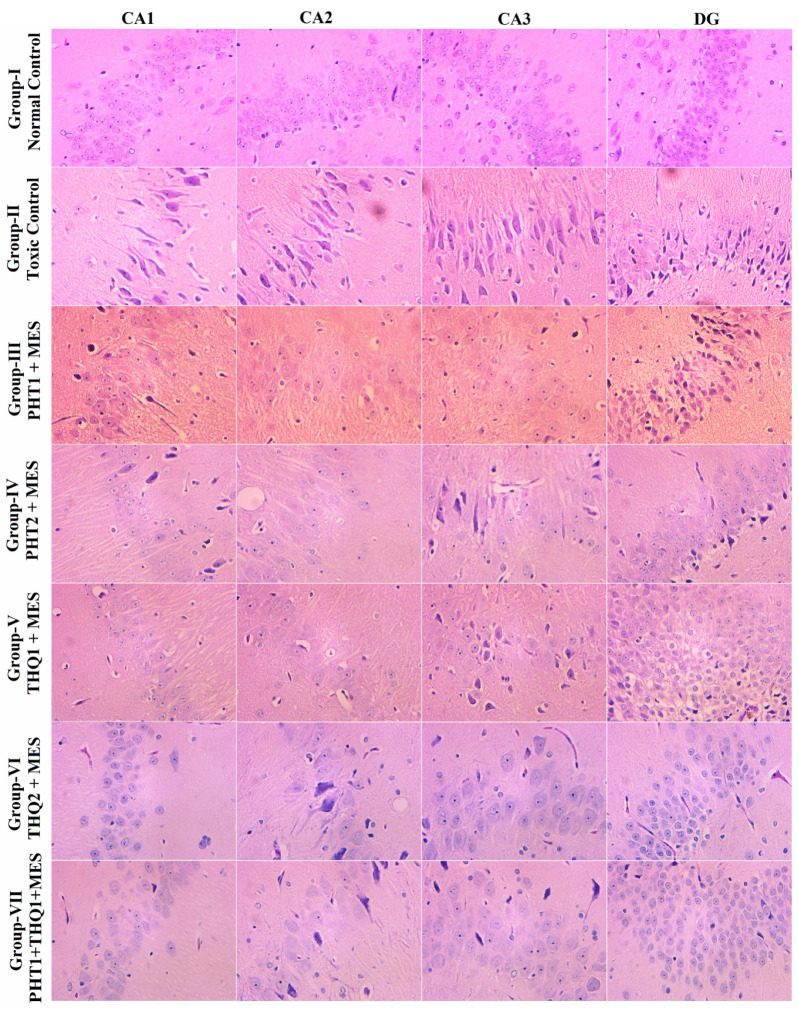
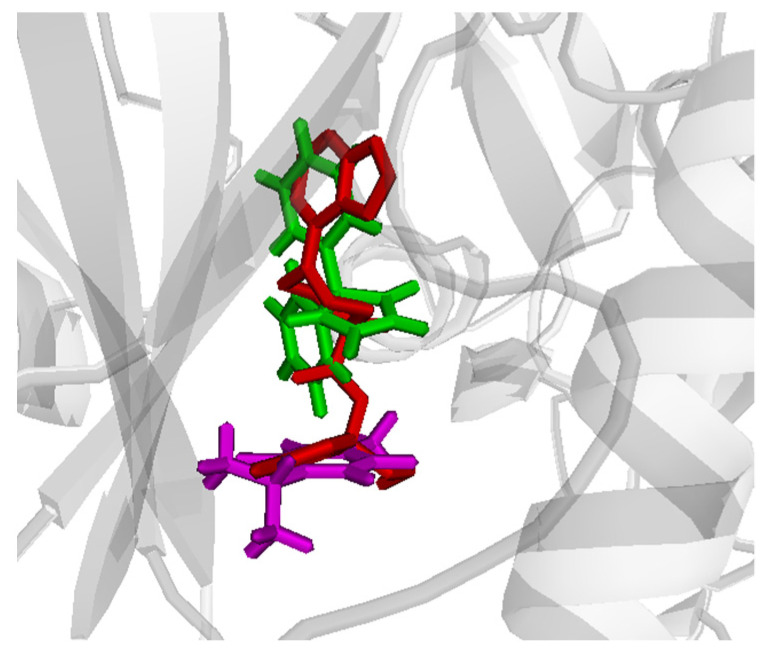
Epilepsy is a chronic neurodegenerative disease characterized by multiple seizures, hereto 35% of patients remain poor responders. Phenytoin (PHT; 20 and 40 mg/kg) and thymoquinone (THQ; 40 and 80 mg/kg) were given alone and as a low dose combination for 14 days (p.o), prior to challenge with maximal electroshock (MES; 180 mA, 220 V, 0.2 s). Apart from observing convulsions, hippocampal mTOR, IL-1β, IL-6 and TNF-α levels were measured. Hippocampal histomorphological analysis was also conducted. In vitro cell line studies and molecular docking studies were run in parallel. The results revealed the synergistic potential of the novel duo-drug combination regimen: PHT (20 mg/kg) and THQ (40 mg/kg) against MES-induced convulsions. MES amplified signaling through mTOR, and inflated the levels of proinflammatory markers (IL-1β, IL-6 and TNF-α), which was significantly averted ( < 0.001) with the said drug combination. The computational studies revealed that PHT and THQ cooperatively bind the active site on Akt (upstream target of m-TOR) and establish a good network of intermolecular interactions, which indicates the sequential inhibition of PI3K/Akt/m-TOR signaling with the combination. The combination also increased cell viability by 242.81% compared to 85.66% viability from the the toxic control. The results suggest that the PHT and THQ in combination possesses excellent anticonvulsant and neuroprotective effects.
癫痫是一种慢性神经退行性疾病,其特征为多次发作,迄今为止,35%的患者对治疗反应不佳。在接受最大电休克(MES;180 mA,220 V,0.2 s)刺激之前,单独给予苯妥英(PHT;20和40 mg/kg)和百里醌(THQ;40和80 mg/kg)以及低剂量组合给药14天(口服)。除了观察惊厥外,还测量了海马体中mTOR、IL-1β、IL-6和TNF-α的水平。还进行了海马体组织形态学分析。同时开展了体外细胞系研究和分子对接研究。结果揭示了新型双药联合方案:PHT(20 mg/kg)和THQ(40 mg/kg)对MES诱导惊厥的协同作用潜力。MES通过mTOR放大信号,并提高促炎标志物(IL-1β、IL-6和TNF-α)的水平,而上述药物组合可显著避免这种情况(<0.001)。计算研究表明,PHT和THQ协同结合Akt(m-TOR的上游靶点)上的活性位点,并建立良好的分子间相互作用网络,这表明该组合可对PI3K/Akt/m-TOR信号进行顺序抑制。与毒性对照的85.66%的存活率相比,该组合还使细胞存活率提高了242.81%。结果表明,PHT和THQ联合使用具有出色的抗惊厥和神经保护作用。