Popa Marius Stelian, Frone Adriana Nicoleta, Radu Ionut Cristian, Stanescu Paul Octavian, Truşcă Roxana, Rădiţoiu Valentin, Nicolae Cristian Andi, Gabor Augusta Raluca, Panaitescu Denis Mihaela
Institute for Research & Development in Chemistry and Petrochemistry-ICECHIM, 202 SplaiulIndependentei, 060021 Bucharest, Romania.
Faculty of Applied Chemistry and Materials Science, University Politehnica of Bucharest, 1-7 Gh. Polizu Street, 011061 Bucharest, Romania.
Polymers (Basel). 2021 Nov 17;13(22):3970. doi: 10.3390/polym13223970.
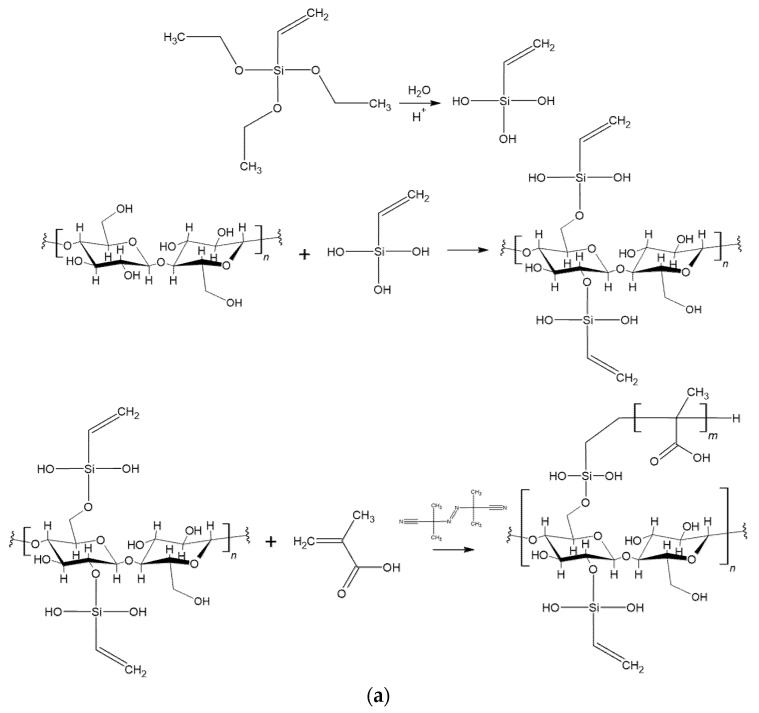
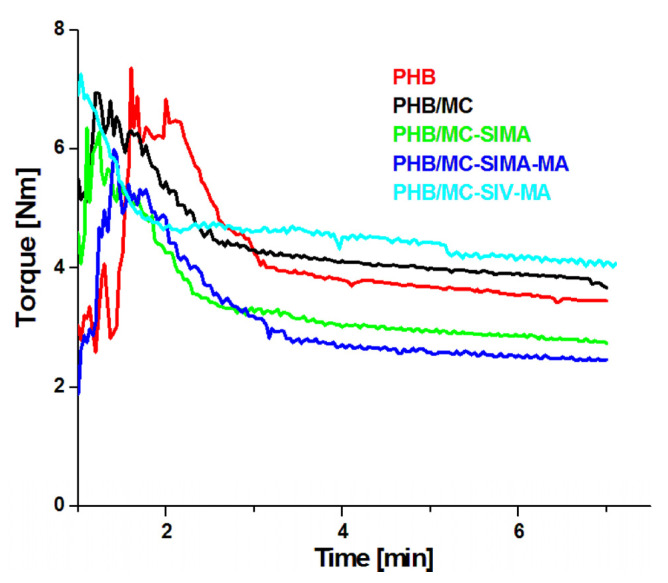
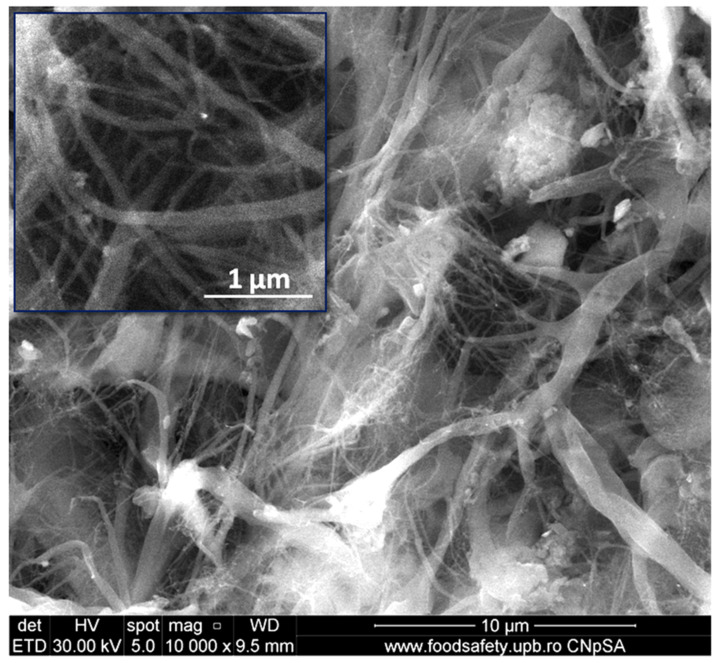
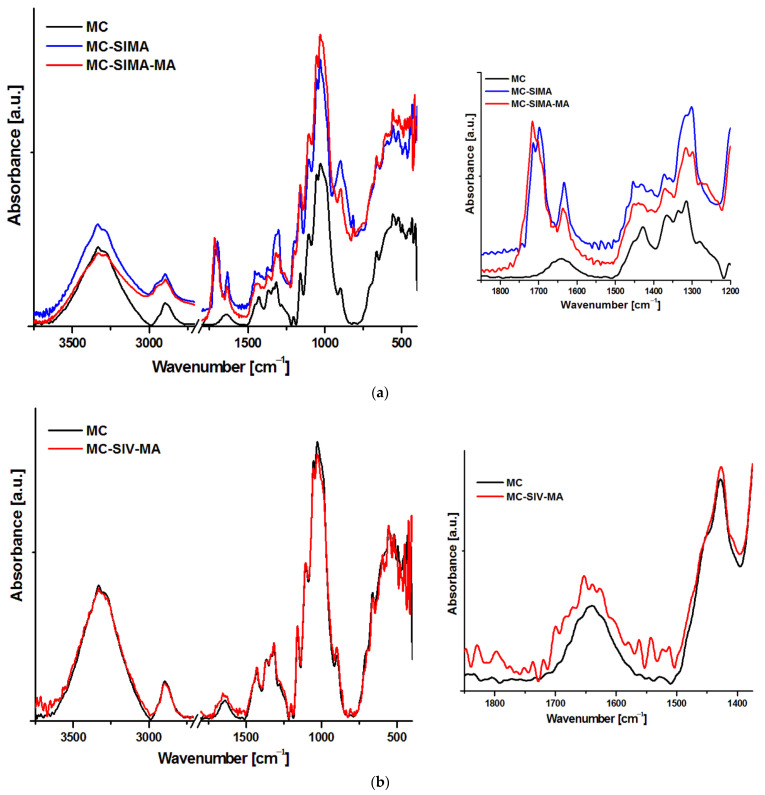
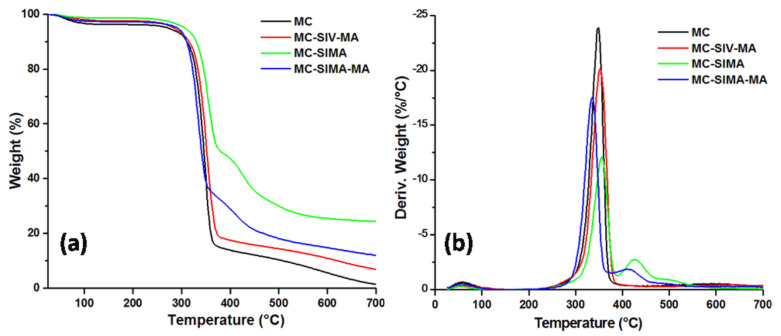
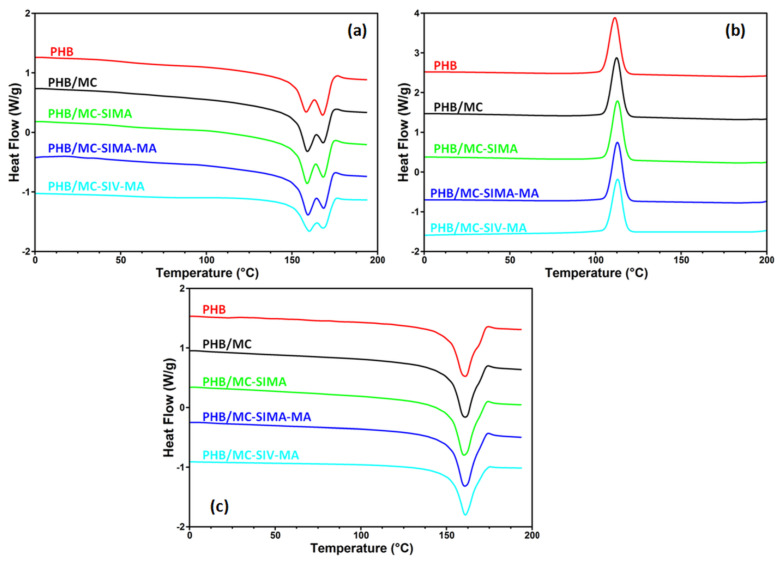
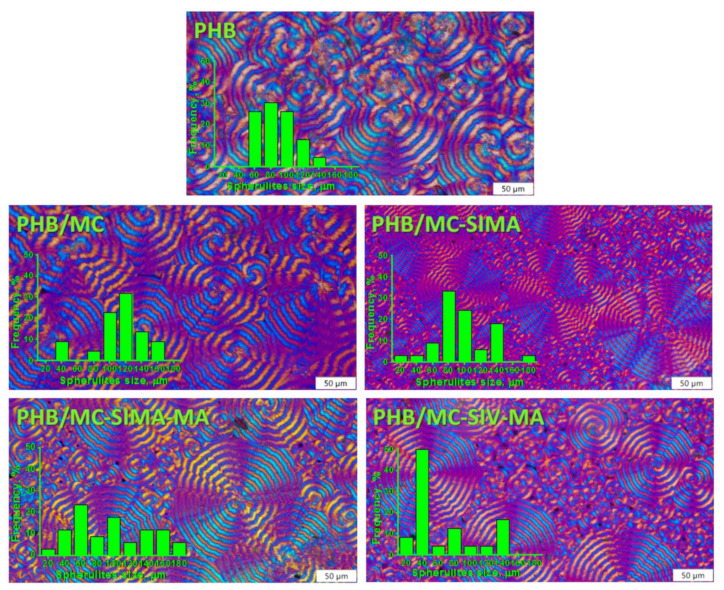
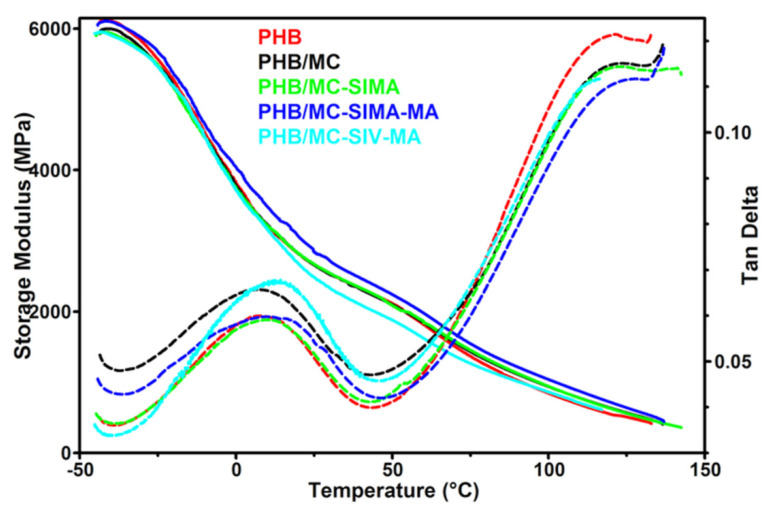
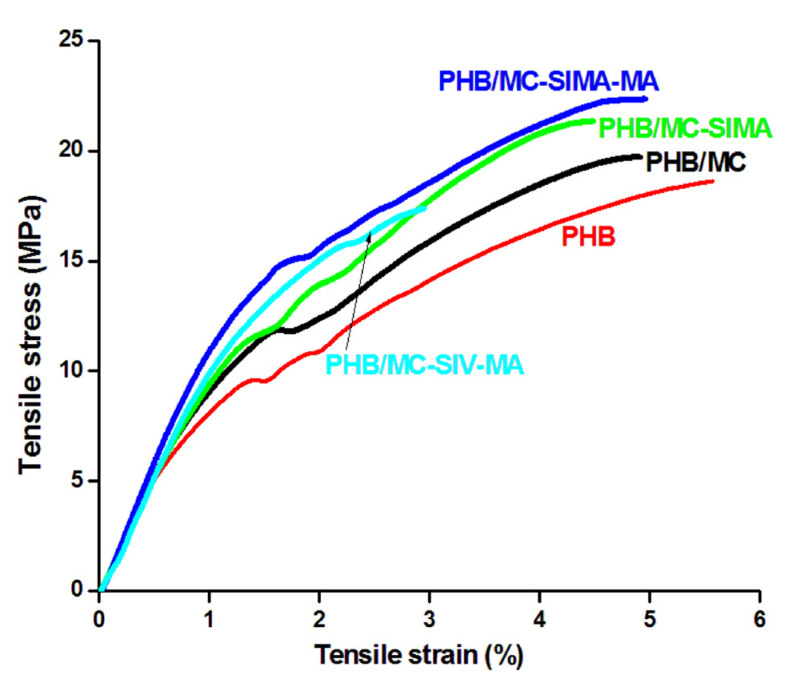
This work proposes a new method for obtaining poly(3-hydroxybutyrate) (PHB)/microfibrillated cellulose (MC) composites with more balanced properties intended for the substitution of petroleum-based polymers in packaging and engineering applications. To achieve this, the MC surface was adjusted by a new chemical route to enhance its compatibility with the PHB matrix: (i) creating active sites on the surface of MC with γ-methacryloxypropyltrimethoxysilane (SIMA) or vinyltriethoxysilane (SIV), followed by (ii) the graft polymerization of methacrylic acid (MA). The high efficiency of the SIMA-MA treatment and the lower efficiency in the case of SIV-MA were proven by the changes observed in the Fourier transform infrared FTIR spectra of celluloses. All modified celluloses and the PHB composites containing them showed good thermal stability close to the processing temperature of PHB. SIMA-modified celluloses acted as nucleating agents in PHB, increasing its crystallinity and favoring the formation of smaller spherulites. A uniform dispersion of SIMA-modified celluloses in PHB as a result of the good compatibility between the two phases was observed by scanning electron microscopy and many agglomerations of fibers in the composite with unmodified MC. The dual role of SIMA-MA treatment, as both compatibilizer and plasticizer, was pointed out by mechanical and rheological measurements. This new method to modify MC and obtain PHB/MC composites with more balanced stiffness-toughness properties could be a solution to the high brittleness and poor processability of PHB-based materials.
这项工作提出了一种新方法,用于获得具有更平衡性能的聚(3-羟基丁酸酯)(PHB)/微纤化纤维素(MC)复合材料,旨在替代包装和工程应用中基于石油的聚合物。为实现这一目标,通过一种新的化学途径对MC表面进行了调整,以增强其与PHB基体的相容性:(i)用γ-甲基丙烯酰氧基丙基三甲氧基硅烷(SIMA)或乙烯基三乙氧基硅烷(SIV)在MC表面创建活性位点,随后(ii)进行甲基丙烯酸(MA)的接枝聚合。纤维素的傅里叶变换红外(FTIR)光谱中观察到的变化证明了SIMA-MA处理的高效率以及SIV-MA处理效率较低的情况。所有改性纤维素及其包含的PHB复合材料在接近PHB加工温度时均表现出良好的热稳定性。SIMA改性纤维素在PHB中充当成核剂,提高其结晶度并有利于形成较小的球晶。通过扫描电子显微镜观察到,由于两相之间良好的相容性,SIMA改性纤维素在PHB中均匀分散,而未改性MC的复合材料中纤维存在许多团聚现象。机械和流变学测量指出了SIMA-MA处理作为增容剂和增塑剂的双重作用。这种改性MC并获得具有更平衡的刚度-韧性性能的PHB/MC复合材料的新方法,可能是解决基于PHB材料高脆性和加工性能差问题的一种方案。