Moraes Fernanda C, Pichon Chantal, Letourneur Didier, Chaubet Frédéric
LVTS, INSERM U1148, Université Sorbonne Paris Nord, Université de Paris, 75018 Paris, France.
Centre de Biophysique Moléculaire, CNRS UPR4301, Université d'Orléans, 45071 Orléans, France.
Pharmaceutics. 2021 Nov 9;13(11):1901. doi: 10.3390/pharmaceutics13111901.
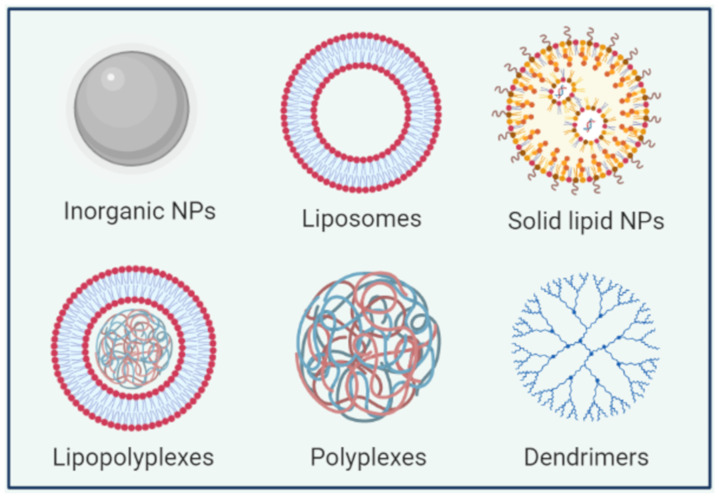
MicroRNAs (miRNAs) are short (~21-23 nucleotides), non-coding endogenous RNA molecules that modulate gene expression at the post-transcriptional level via the endogenous RNA interference machinery of the cell. They have emerged as potential biopharmaceuticals candidates for the treatment of various diseases, including cancer, cardiovascular and metabolic diseases. However, in order to advance miRNAs therapeutics into clinical settings, their delivery remains a major challenge. Different types of vectors have been investigated to allow the delivery of miRNA in the diseased tissue. In particular, non-viral delivery systems have shown important advantages such as versatility, low cost, easy fabrication and low immunogenicity. Here, we present a general overview of the main types of non-viral vectors developed for miRNA delivery, with their advantages, limitations and future perspectives.
微小RNA(miRNA)是短链(约21 - 23个核苷酸)的非编码内源性RNA分子,通过细胞的内源性RNA干扰机制在转录后水平调节基因表达。它们已成为治疗各种疾病(包括癌症、心血管疾病和代谢疾病)的潜在生物制药候选物。然而,为了将miRNA疗法推进到临床应用中,其递送仍然是一个主要挑战。人们已经研究了不同类型的载体以实现miRNA在患病组织中的递送。特别是,非病毒递送系统已显示出重要优势,如多功能性、低成本、易于制备和低免疫原性。在此,我们概述了为miRNA递送而开发的主要类型的非病毒载体,包括它们的优势、局限性和未来前景。