Zaknoon Fadia, Meir Ohad, Mor Amram
Department of Biotechnology and Food Engineering, Technion-Israel Institute of Technology, Haifa 3200003, Israel.
Pharmaceutics. 2021 Nov 17;13(11):1947. doi: 10.3390/pharmaceutics13111947.
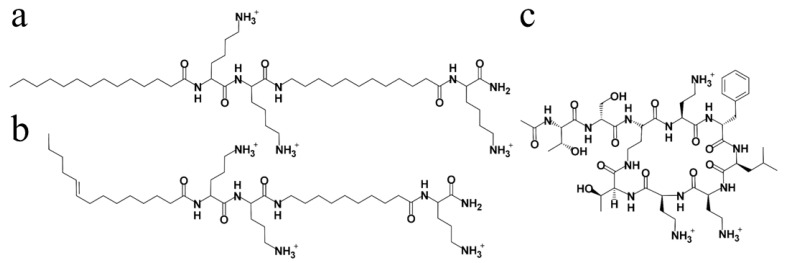
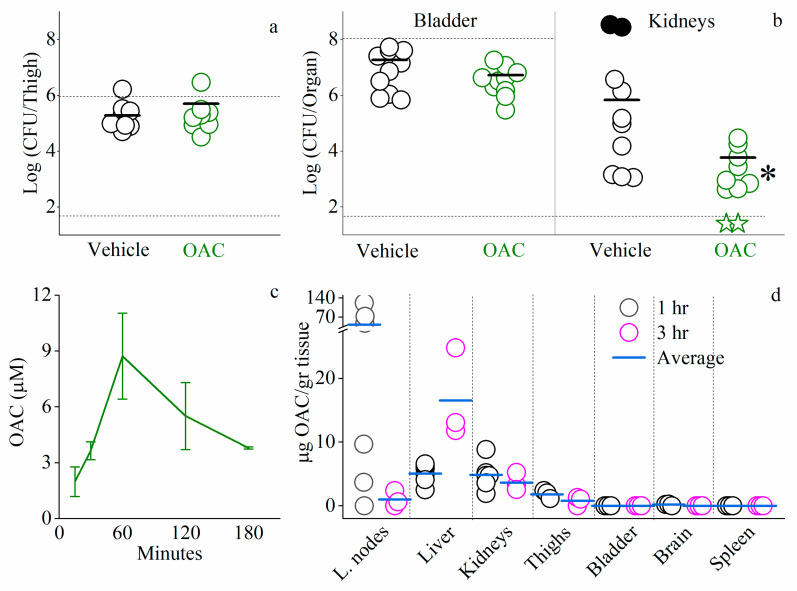
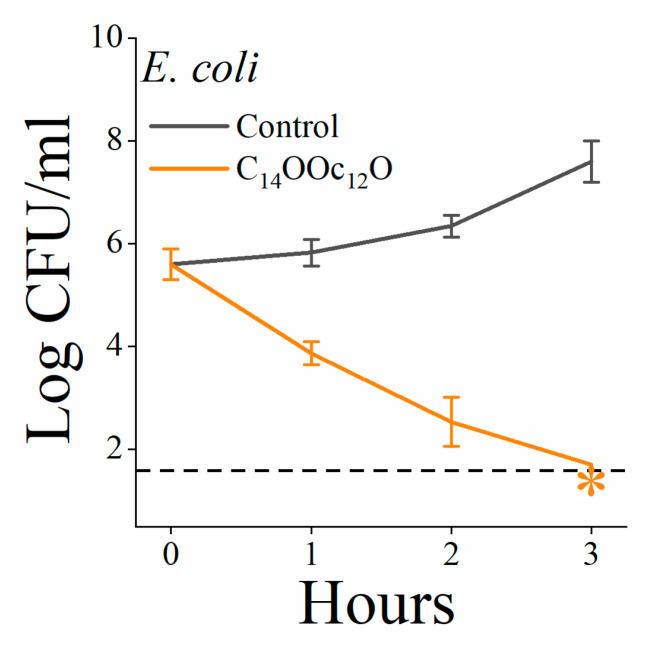
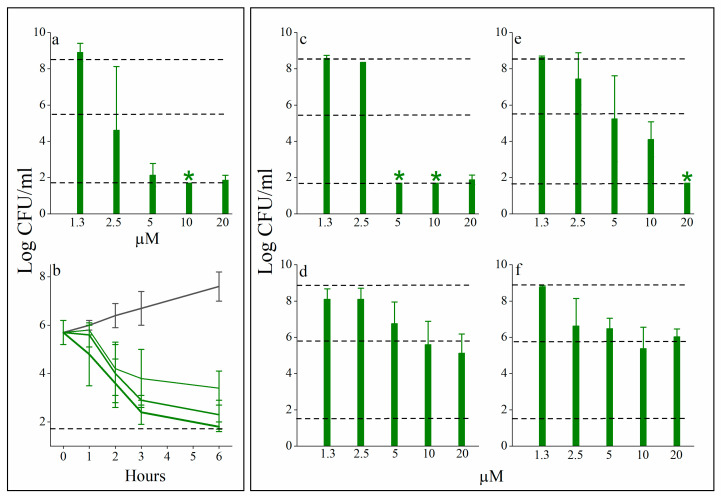
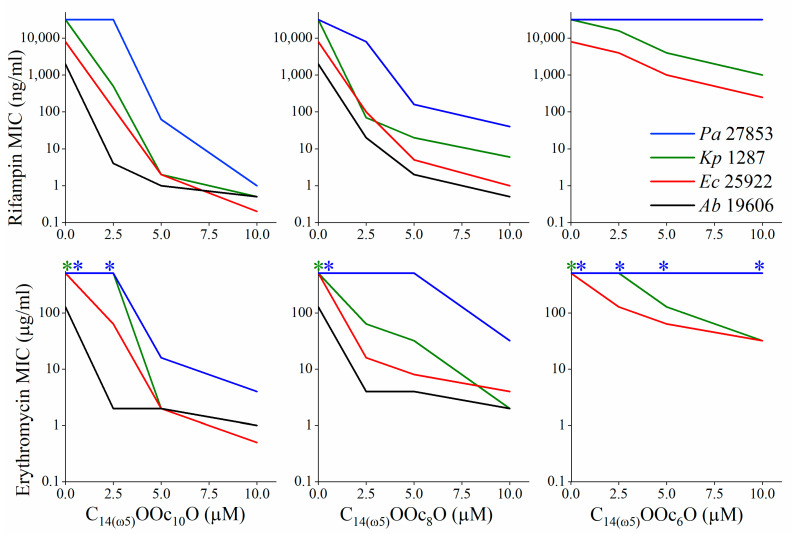
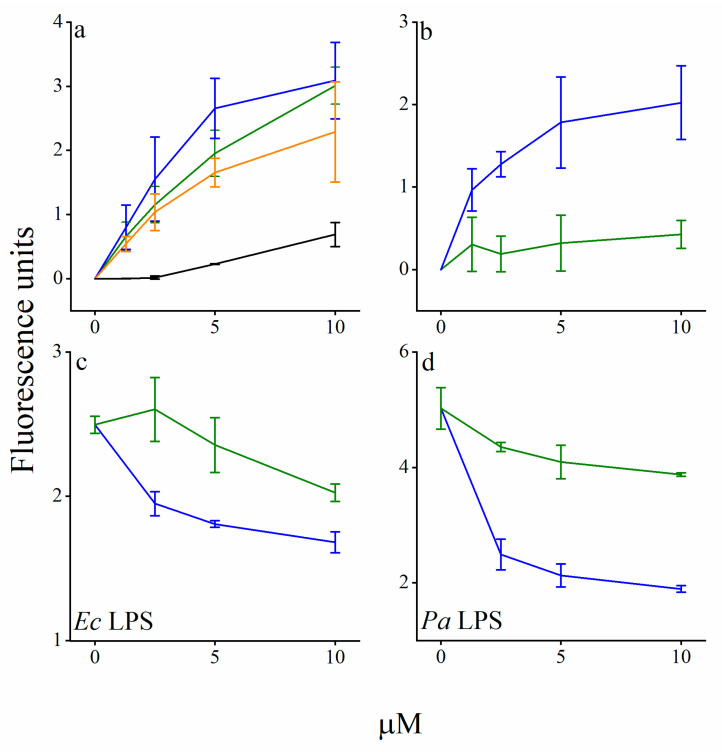
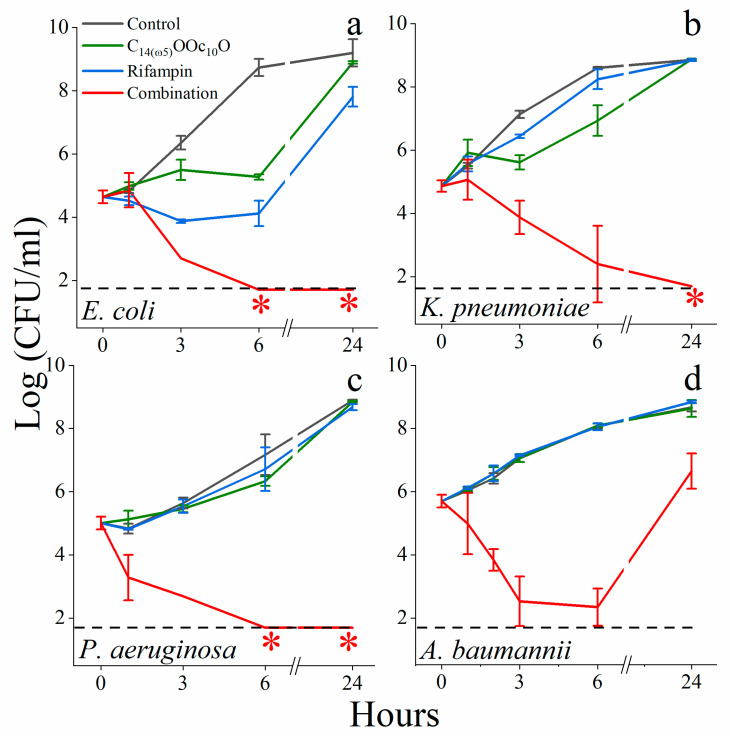
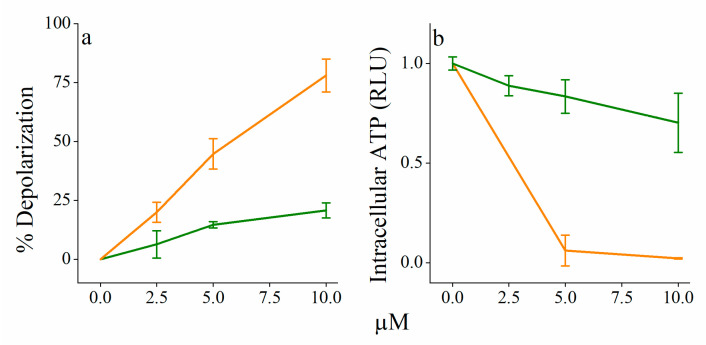
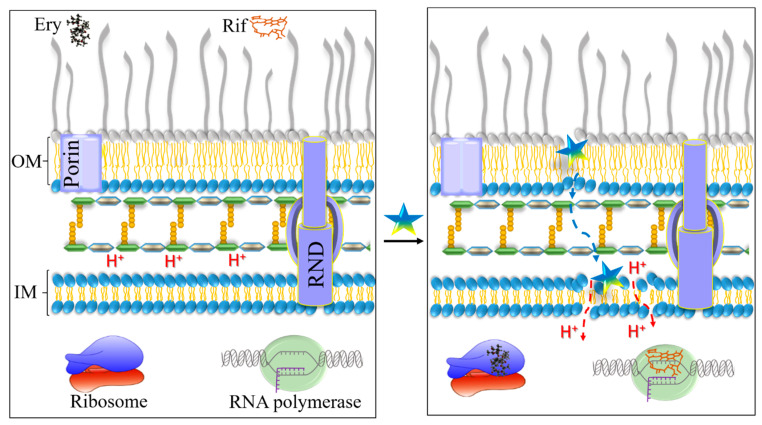
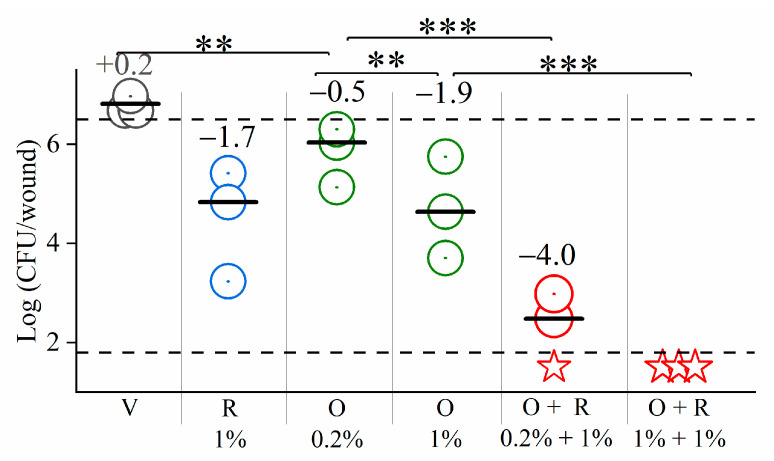
We describe the design and attributes of a linear pentapeptide-like derivative (COOcO) screened for its ability to elicit bactericidal competences of plasma constituents against Gram-negative bacteria (GNB). In simpler culture media, the lipopeptide revealed high aptitudes to sensitize resilient GNB to hydrophobic and/or efflux-substrate antibiotics, whereas in their absence, COOcO only briefly delayed bacterial proliferation. Instead, at low micromolar concentrations, the lipopeptide has rapidly lowered bacterial proton and ATP levels, although significantly less than upon treatment with its bactericidal analog. Mechanistic studies support a two-step scenario providing a plausible explanation for the lipopeptide's biological outcomes against GNB: initially, COOcO permeabilizes the outer membrane similarly to polymyxin B, albeit in a manner not necessitating as much LPS-binding affinity. Subsequently, COOcO would interact with the inner membrane gently yet intensively enough to restrain membrane-protein functions such as drug efflux and/or ATP generation, while averting the harsher inner membrane perturbations that mediate the fatal outcome associated with bactericidal peers. Preliminary in vivo studies where skin wound infections were introduced in mice, revealed a significant efficacy in affecting bacterial viability upon topical treatment with creams containing COOcO, whereas synergistic combination therapies were able to secure the pathogen's eradication. Further, capitalizing on the finding that COOcO plasma-potentiating concentrations were attainable in mice blood at sub-maximal tolerated doses, we used a urinary tract infection model to acquire evidence for the lipopeptide's systemic capacity to reduce the kidney's bacterial loads. Collectively, the data establish the role of COOcO as a compelling antibacterial potentiator and suggest its drug-like potential.
我们描述了一种线性五肽样衍生物(COOcO)的设计和特性,该衍生物因其能够引发血浆成分对革兰氏阴性菌(GNB)的杀菌能力而被筛选。在较简单的培养基中,脂肽显示出使耐药GNB对疏水性和/或外排底物抗生素敏感的高能力,而在没有这些抗生素的情况下,COOcO仅短暂延迟细菌增殖。相反,在低微摩尔浓度下,脂肽迅速降低了细菌的质子和ATP水平,尽管明显低于用其杀菌类似物处理时的水平。机制研究支持一个两步的情景,为脂肽对GNB的生物学结果提供了一个合理的解释:最初,COOcO与多粘菌素B类似地使外膜通透性增加,尽管其方式不需要那么高的脂多糖结合亲和力。随后,COOcO会与内膜温和但强烈地相互作用,以抑制膜蛋白功能,如药物外排和/或ATP生成,同时避免介导与杀菌同类物相关的致命结果的更严重的内膜扰动。在小鼠身上引入皮肤伤口感染的初步体内研究表明,用含有COOcO的乳膏进行局部治疗时,对影响细菌活力具有显著疗效,而联合协同治疗能够确保病原体的根除。此外,利用在小鼠血液中以次最大耐受剂量可达到COOcO增强血浆浓度这一发现,我们使用尿路感染模型获得了脂肽降低肾脏细菌负荷的全身能力的证据。总体而言,这些数据确立了COOcO作为一种引人注目的抗菌增效剂的作用,并表明了其类似药物的潜力。