Kalenichenko Daria, Nifontova Galina, Karaulov Alexander, Sukhanova Alyona, Nabiev Igor
Laboratoire de Recherche en Nanosciences, LRN-EA4682, Université de Reims Champagne-Ardenne, 51100 Reims, France.
Laboratory of Nano-Bioengineering, Institute for Physics and Engineering in Biomedicine (PhysBio), National Research Nuclear University MEPhI (Moscow Engineering Physics Institute), 115409 Moscow, Russia.
Nanomaterials (Basel). 2021 Nov 13;11(11):3055. doi: 10.3390/nano11113055.
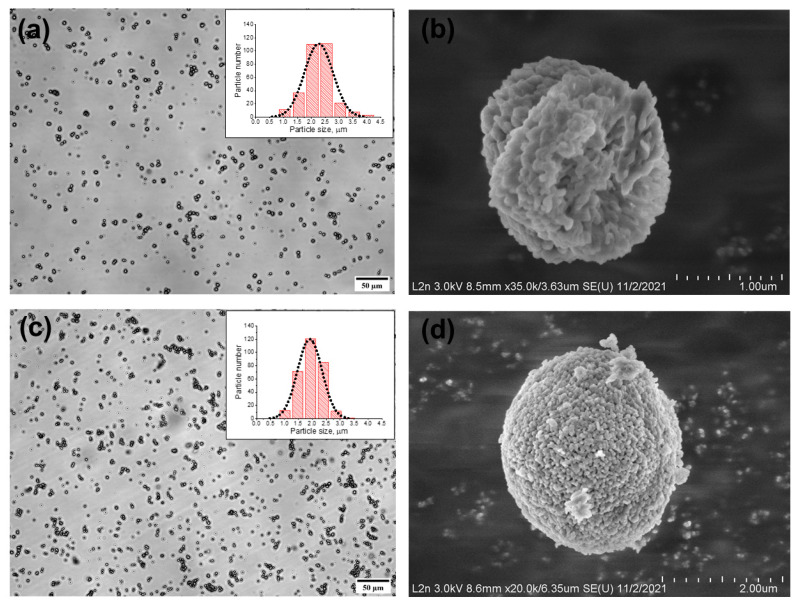
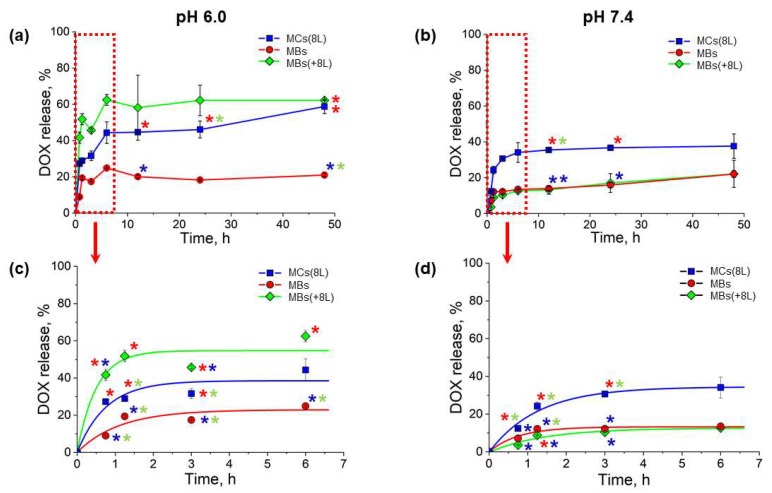
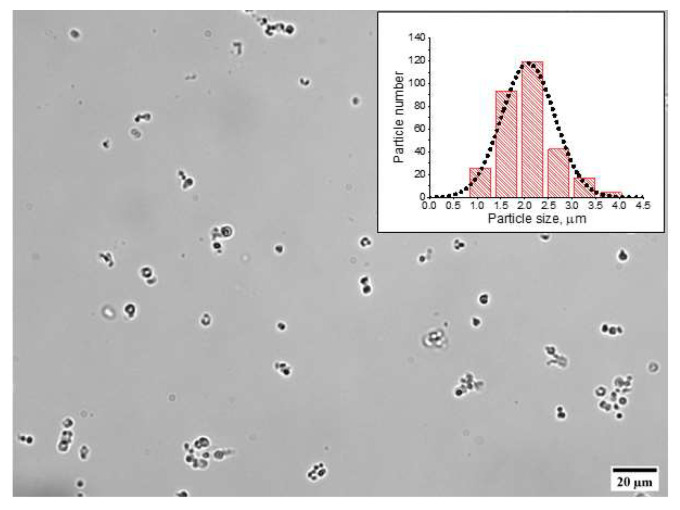
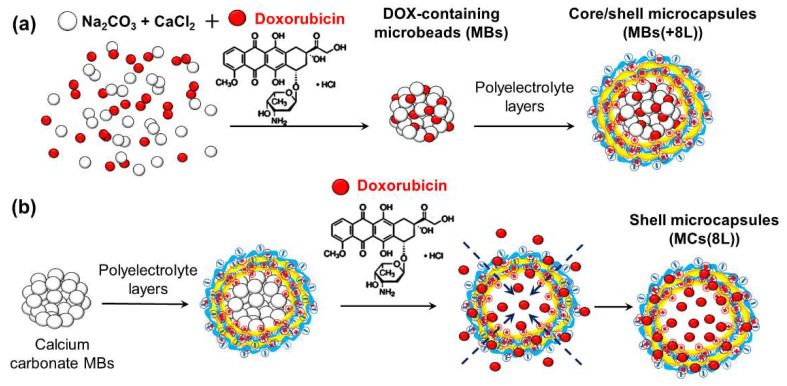
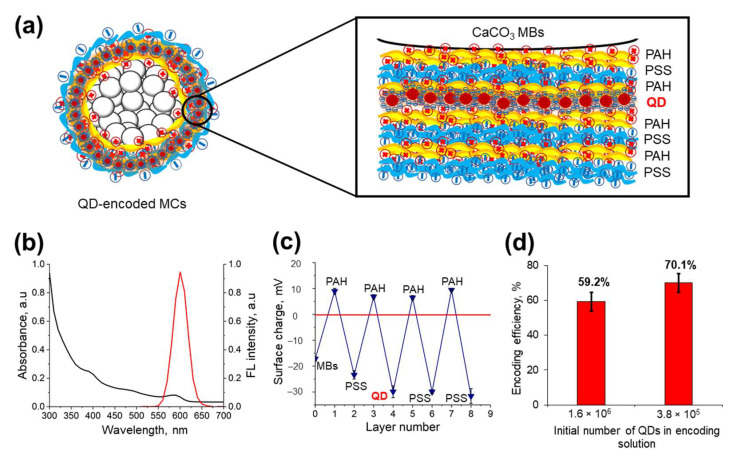
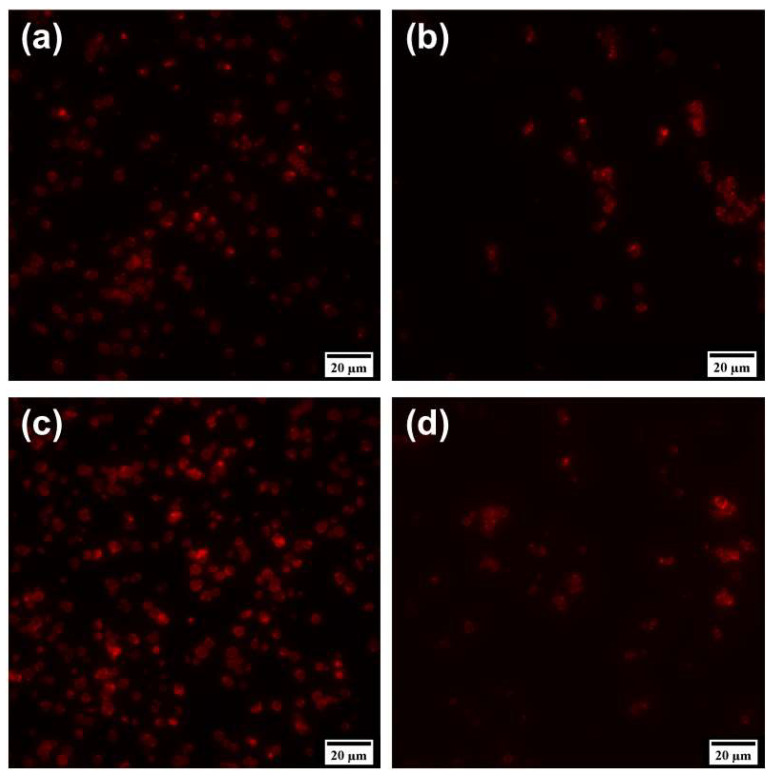
The engineering of delivery systems for drugs and contrasting labels ensuring the simultaneous imaging and treatment of malignant tumors is an important hurdle in developing new tools for cancer therapy and diagnosis. Polyelectrolyte microcapsules (MCs), formed by nanosized interpolymer complexes, represent a promising platform for the designing of multipurpose agents, functionalized with various components, including high- and low-molecular-weight substances, metal nanoparticles, and organic fluorescent dyes. Here, we have developed size-homogenous MCs with different structures (core/shell and shell types) and microbeads containing doxorubicin (DOX) as a model anticancer drug, and fluorescent semiconductor nanocrystals (quantum dots, QDs) as fluorescent nanolabels. In this study, we suggest approaches to the encapsulation of DOX at different stages of the MC synthesis and describe the optimal conditions for the optical encoding of MCs with water-soluble QDs. The results of primary characterization of the designed microcarriers, including particle analysis, the efficacy of DOX and QDs encapsulation, and the drug release kinetics are reported. The polyelectrolyte MCs developed here ensure a modified (prolonged) release of DOX, under conditions close to normal and tumor tissues; they possess a bright fluorescence that paves the way to their exploitation for the delivery of antitumor drugs and fluorescence imaging.
用于药物和对比标记的递送系统的工程设计,以确保对恶性肿瘤进行同步成像和治疗,这是开发癌症治疗和诊断新工具的一个重要障碍。由纳米级聚合物间复合物形成的聚电解质微胶囊(MCs),是设计多功能试剂的一个有前景的平台,这些试剂用各种成分进行功能化,包括高分子量和低分子量物质、金属纳米颗粒和有机荧光染料。在此,我们开发了具有不同结构(核/壳和壳型)的尺寸均一的MCs以及含有阿霉素(DOX)作为模型抗癌药物和荧光半导体纳米晶体(量子点,QDs)作为荧光纳米标记的微珠。在本研究中,我们提出了在MC合成的不同阶段封装DOX的方法,并描述了用水溶性QDs对MCs进行光学编码的最佳条件。报告了所设计的微载体的初步表征结果,包括颗粒分析、DOX和QDs的封装效率以及药物释放动力学。这里开发的聚电解质MCs在接近正常组织和肿瘤组织的条件下确保了DOX的改性(延长)释放;它们具有明亮的荧光,为其用于抗肿瘤药物递送和荧光成像铺平了道路。