Abbott Nutrition Research and Development, Asia-Pacific Center, Singapore, 138668, Singapore.
Statistical Services, Cognizant Technologies Solution Pvt. Ltd., Mumbai, India.
Sci Rep. 2021 Nov 29;11(1):23071. doi: 10.1038/s41598-021-02274-3.
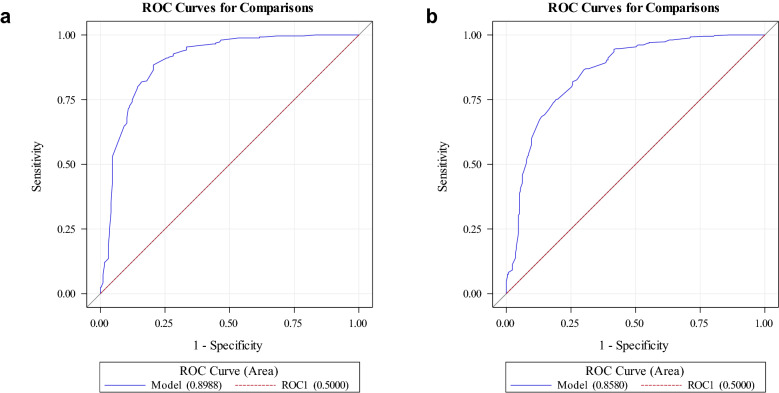
The population is rapidly aging worldwide, and there is an age-related decline in muscle mass. Therefore, it is important to examine the prevalence and associated factors of low appendicular skeletal muscle mass index (ASMI) in older adults. The objectives of this cross-sectional study were (i) to determine the prevalence of low ASMI (ASM/height) and (ii) to identify factors associated with low ASMI. This study included 1211 community-dwelling adults aged ≥ 65 years. Low ASMI was defined as < 7.0 kg/m in males and < 5.7 kg/m in females (bioelectrical impedance analysis). Gender-specific cut-off values of calf circumference for low ASMI were determined. The prevalence of low ASMI in the overall cohort was 59.9%, i.e., 57.0% among males and 61.8% among females, with no significant difference between genders (P = 0.1068). The prevalence of low ASMI was 81.3% in individuals at risk of malnutrition compared to 20.6% in their counterparts with normal nutritional status (P < 0.0001). Participants with low ASMI were older, had lower physical activity scores, and greater likelihood of hospitalization in prior 6 months compared with normal ASMI (all P < 0.0001). Low ASMI was associated with risk of malnutrition (odds ratio: 3.58 for medium risk, odds ratio: 12.50 for high risk), older age, smoking, drinking, smaller calf circumference, and lower bone mass (all P ≤ 0.0328). Cut-off values of calf circumference for low ASMI for males was 33.4 cm and for females was 32.2 cm. In conclusion, we found that low ASMI was highly prevalent among community-dwelling older adults at risk of malnutrition. Other significant factors associated with low ASMI were age, smoking, drinking, calf circumference, and bone mass. Screening community-dwelling older adults for risk of malnutrition can prevent or delay onset of low ASMI.
全球人口老龄化迅速,肌肉量随年龄增长而减少。因此,检查老年人四肢骨骼肌质量指数(ASM/身高)低的患病率和相关因素很重要。本横断面研究的目的是:(i)确定低 ASMI(ASM/身高)的患病率;(ii)确定与低 ASMI 相关的因素。本研究纳入了 1211 名居住在社区的 65 岁以上成年人。低 ASMI 定义为男性<7.0kg/m,女性<5.7kg/m(生物电阻抗分析)。确定了低 ASMI 的小腿围性别特异性截断值。总体队列中低 ASMI 的患病率为 59.9%,即男性为 57.0%,女性为 61.8%,性别间无显著差异(P=0.1068)。与营养状况正常的对照组相比,有营养不良风险的个体中低 ASMI 的患病率为 81.3%,而营养状况正常的对照组为 20.6%(P<0.0001)。与正常 ASMI 相比,低 ASMI 组参与者年龄较大,身体活动评分较低,且在过去 6 个月内住院的可能性更大(均 P<0.0001)。低 ASMI 与营养不良风险相关(中危的比值比:3.58,高危的比值比:12.50),与年龄较大、吸烟、饮酒、小腿围较小和骨量较低有关(均 P≤0.0328)。男性低 ASMI 的小腿围截断值为 33.4cm,女性为 32.2cm。总之,我们发现有营养不良风险的社区居住老年人中低 ASMI 患病率很高。与低 ASMI 相关的其他重要因素是年龄、吸烟、饮酒、小腿围和骨量。对社区居住的老年人进行营养不良风险筛查可以预防或延迟低 ASMI 的发生。