Centre for Biological Timing, Faculty of Biology Medicine and Health, University of Manchester, Manchester, United Kingdom.
Division of Neuroscience and Experimental Psychology, Faculty of Biology Medicine and Health, University of Manchester, Manchester, United Kingdom.
Elife. 2021 Nov 30;10:e68179. doi: 10.7554/eLife.68179.
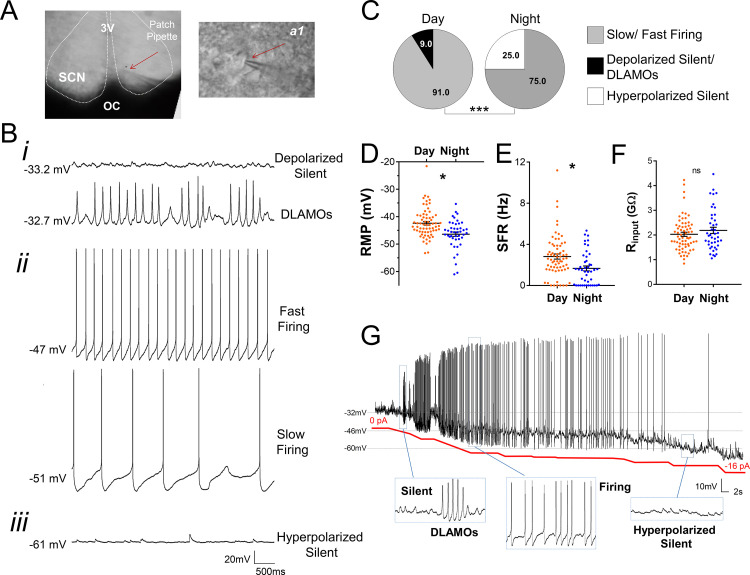
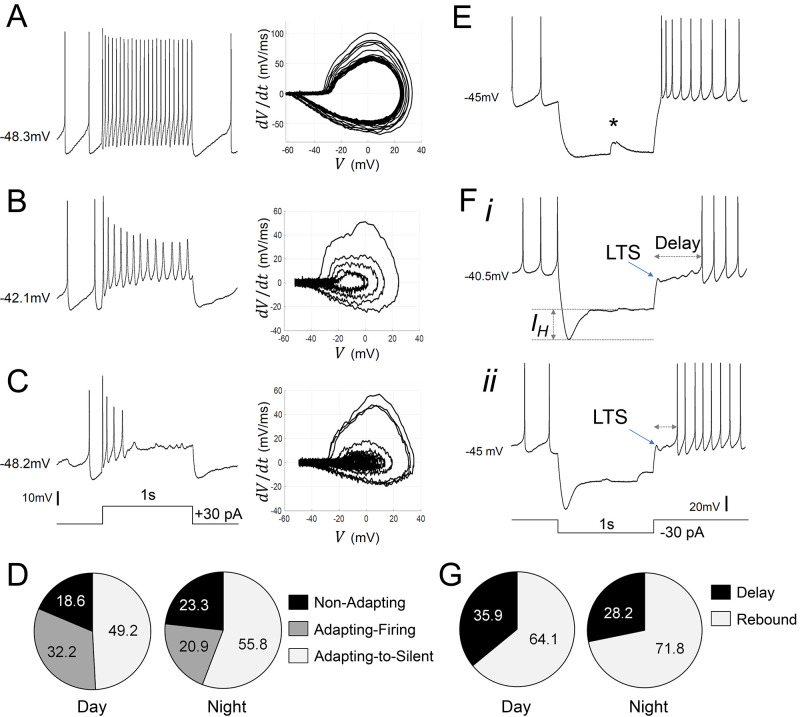
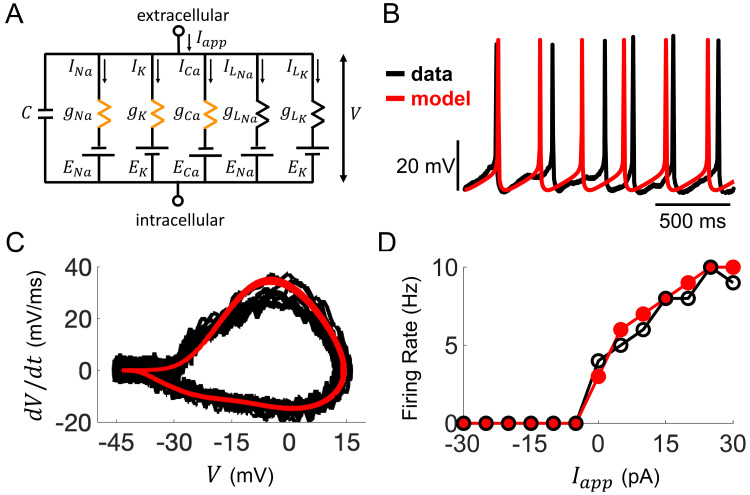
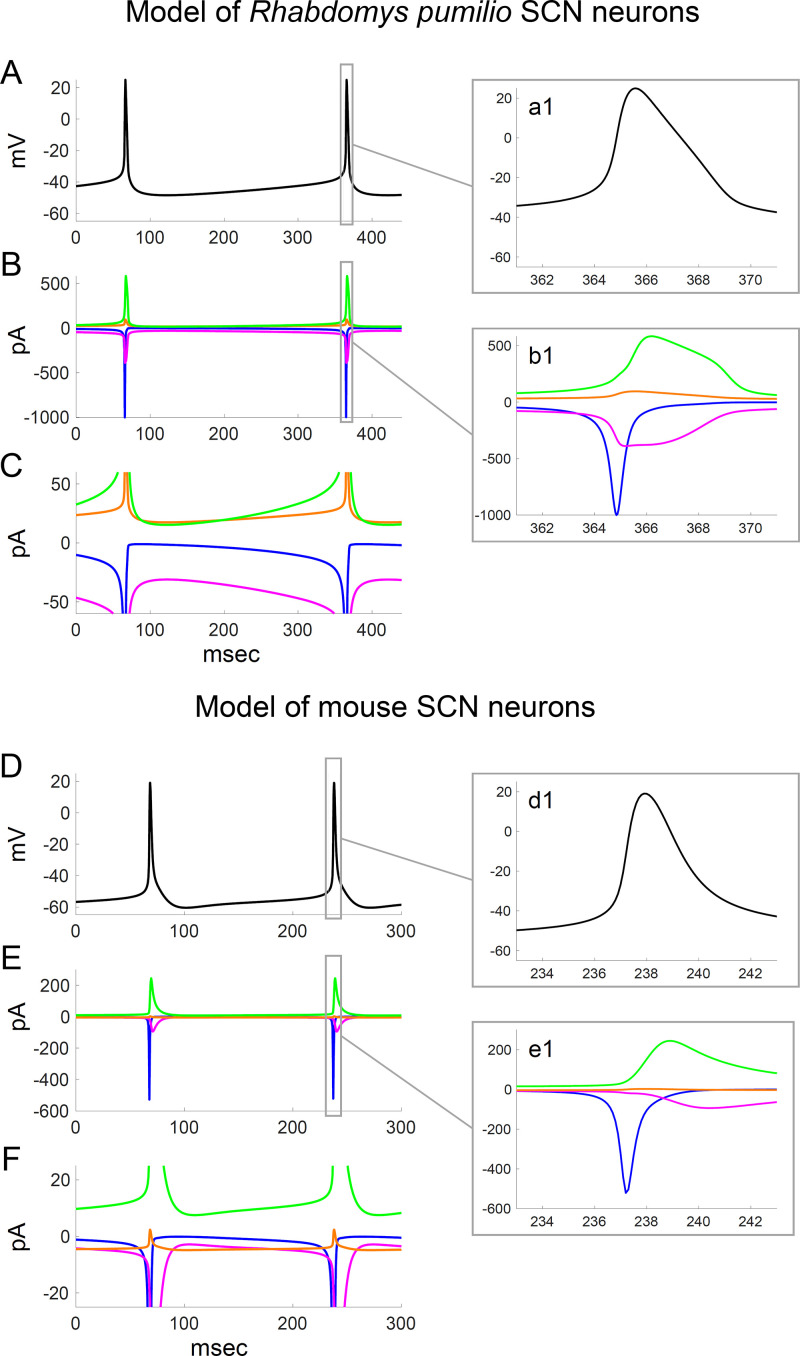
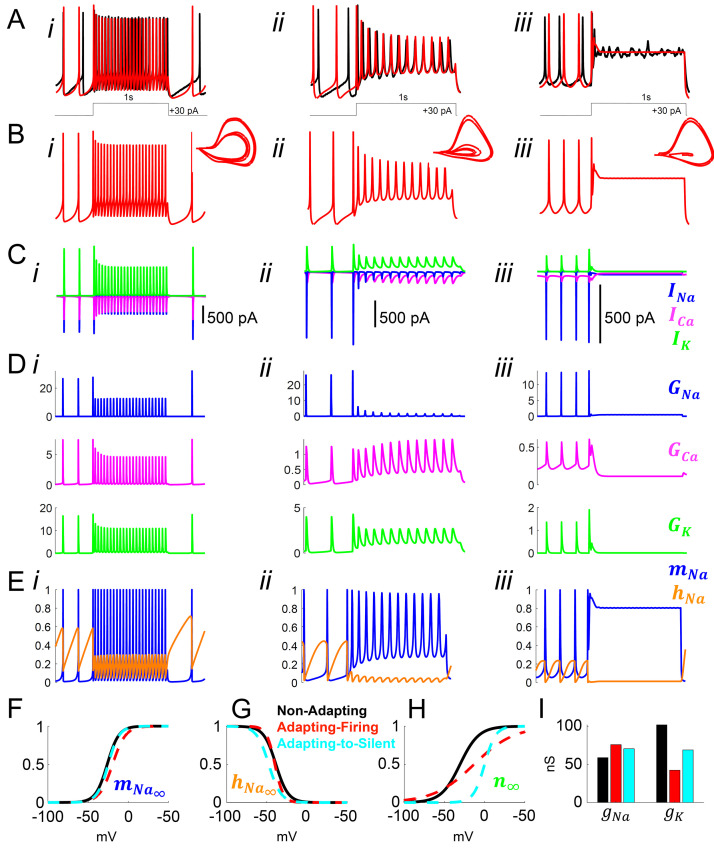
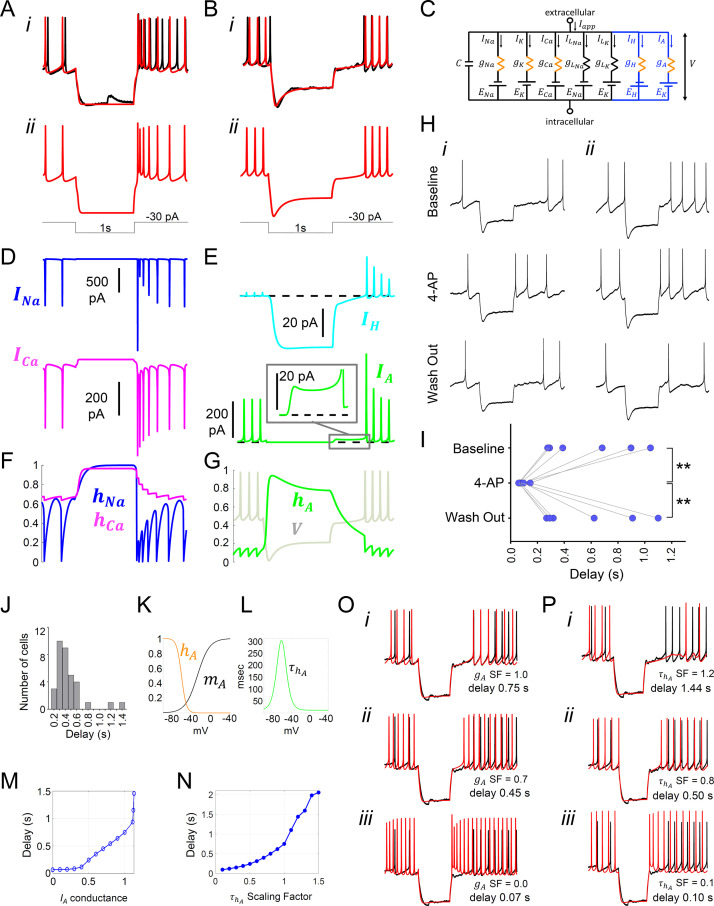
Circadian rhythms in mammals are orchestrated by a central clock within the suprachiasmatic nuclei (SCN). Our understanding of the electrophysiological basis of SCN activity comes overwhelmingly from a small number of nocturnal rodent species, and the extent to which these are retained in day-active animals remains unclear. Here, we recorded the spontaneous and evoked electrical activity of single SCN neurons in the diurnal rodent , and developed cutting-edge data assimilation and mathematical modeling approaches to uncover the underlying ionic mechanisms. As in nocturnal rodents, SCN neurons were more excited during daytime hours. By contrast, the evoked activity of neurons included a prominent suppressive response that is not present in the SCN of nocturnal rodents. Our modeling revealed and subsequent experiments confirmed transient subthreshold A-type potassium channels as the primary determinant of this response, and suggest a key role for this ionic mechanism in optimizing SCN function to accommodate 's diurnal niche.
哺乳动物的昼夜节律由视交叉上核(SCN)内的中央时钟协调。我们对 SCN 活动的电生理基础的理解主要来自少数几种夜间活动的啮齿动物物种,而这些物种在白天活动的动物中保留的程度尚不清楚。在这里,我们记录了昼行性啮齿动物 SCN 单个神经元的自发和诱发电活动,并开发了前沿的数据同化和数学建模方法来揭示潜在的离子机制。与夜间活动的啮齿动物一样,SCN 神经元在白天更兴奋。相比之下,神经元的诱发活动包括一个突出的抑制反应,而在夜间活动的啮齿动物的 SCN 中不存在这种反应。我们的模型揭示了随后的实验证实了短暂的阈下 A 型钾通道是这种反应的主要决定因素,并表明这种离子机制在优化 SCN 功能以适应的昼夜生态位方面发挥着关键作用。