Department of Physiology and Neuroscience, Keck School of Medicine of the University of Southern California, Los Angeles, CA.
The Zilkha Neurogenetic Institute, Keck School of Medicine of the University of Southern California, Los Angeles, CA.
J Exp Med. 2022 Jan 3;219(1). doi: 10.1084/jem.20211372. Epub 2021 Nov 30.
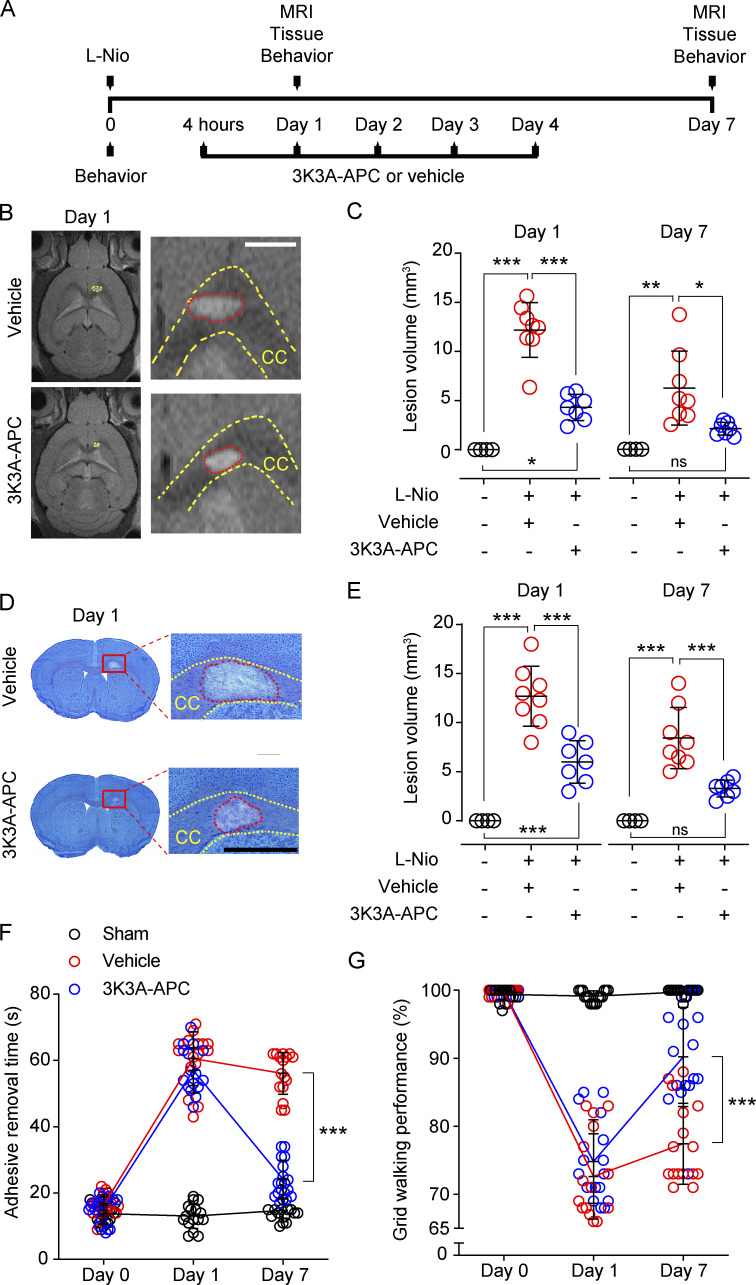
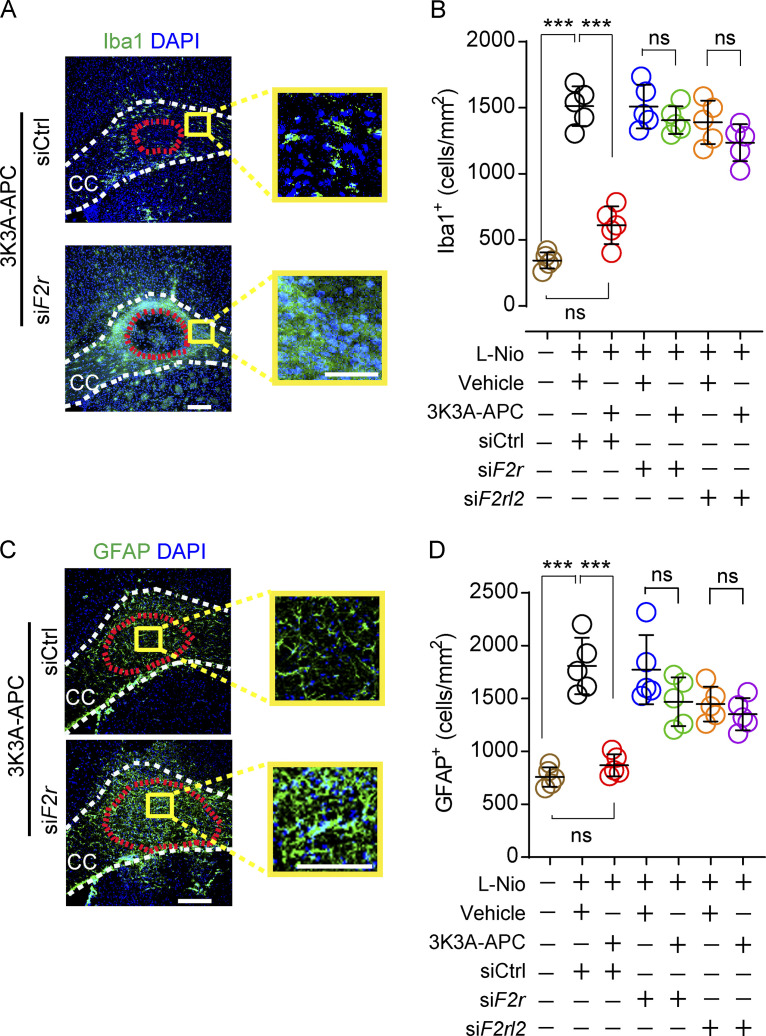
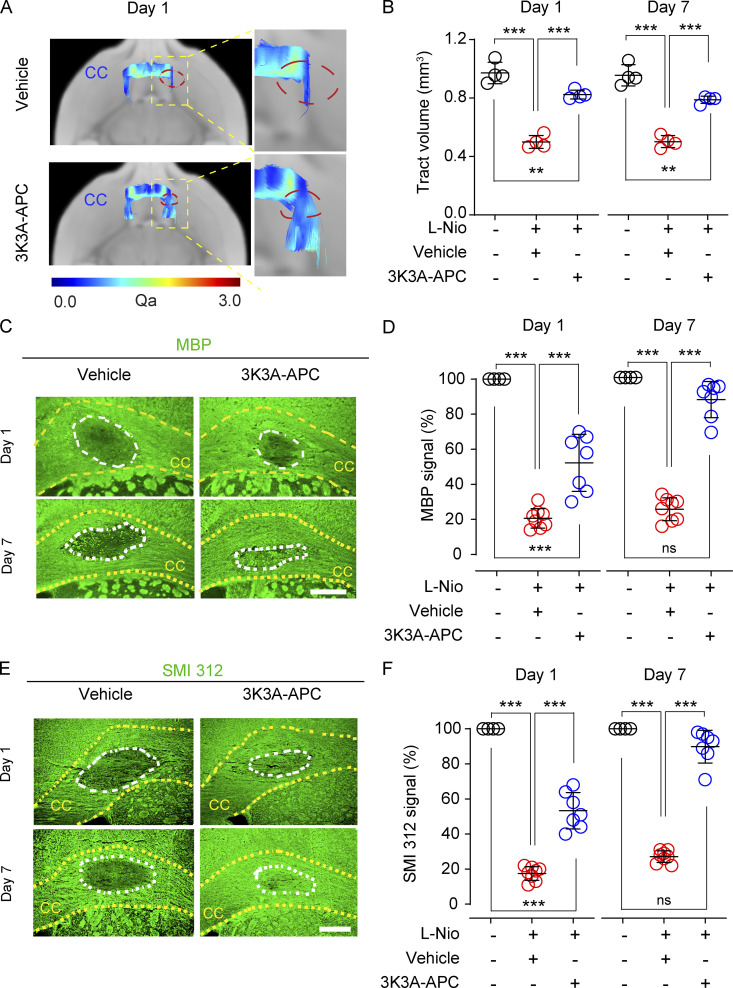
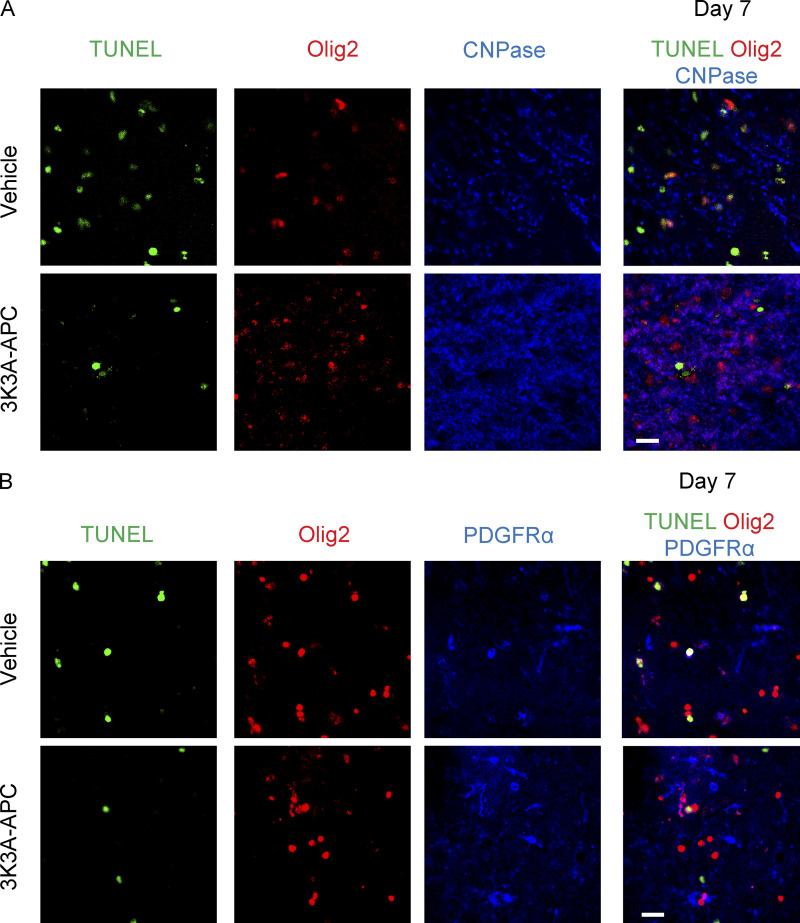
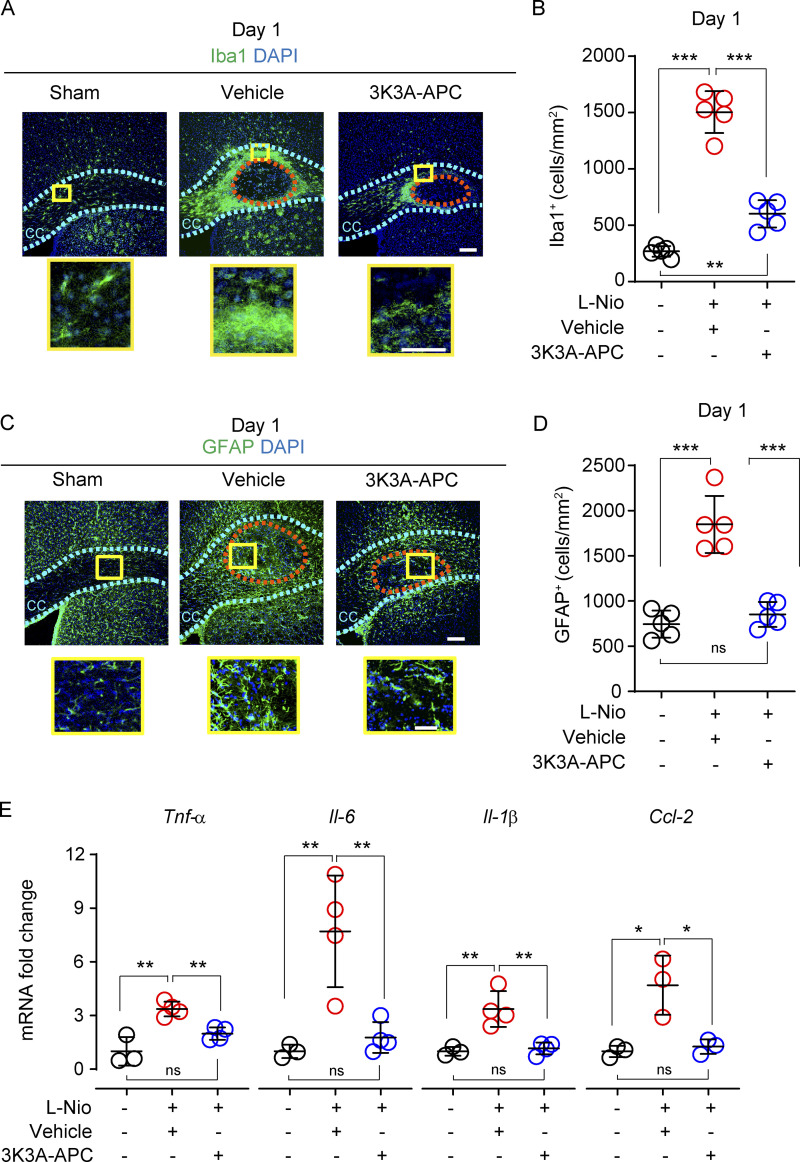
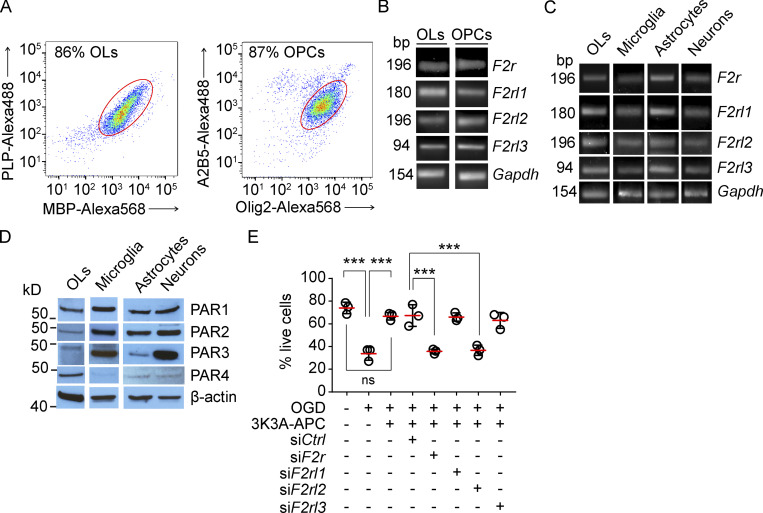
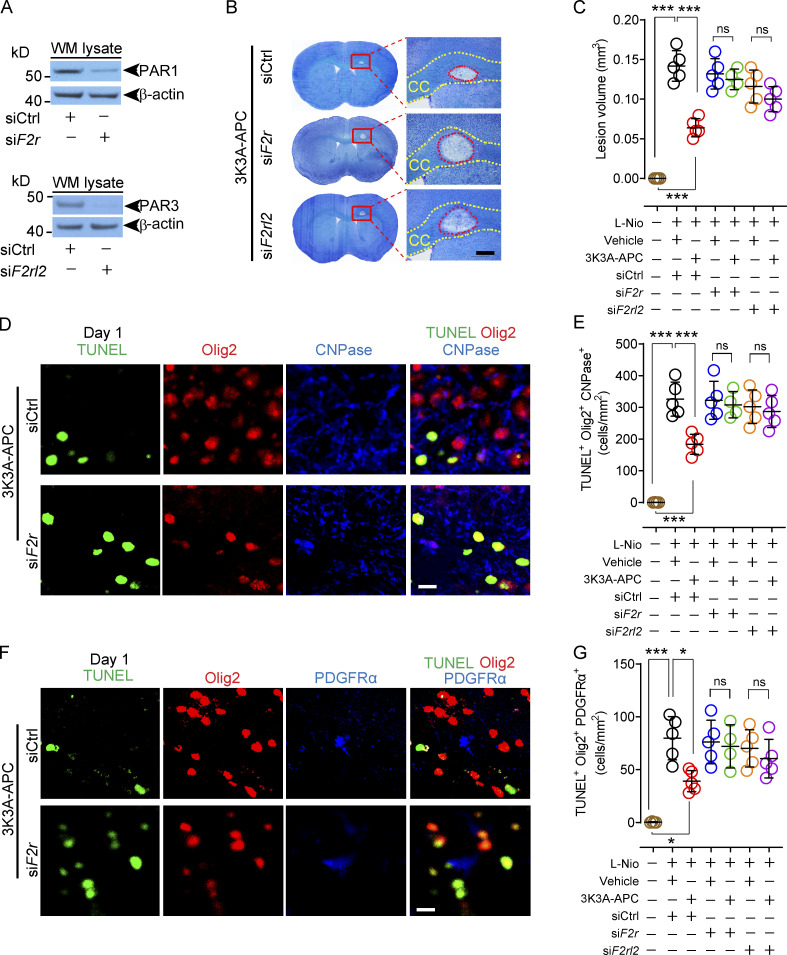
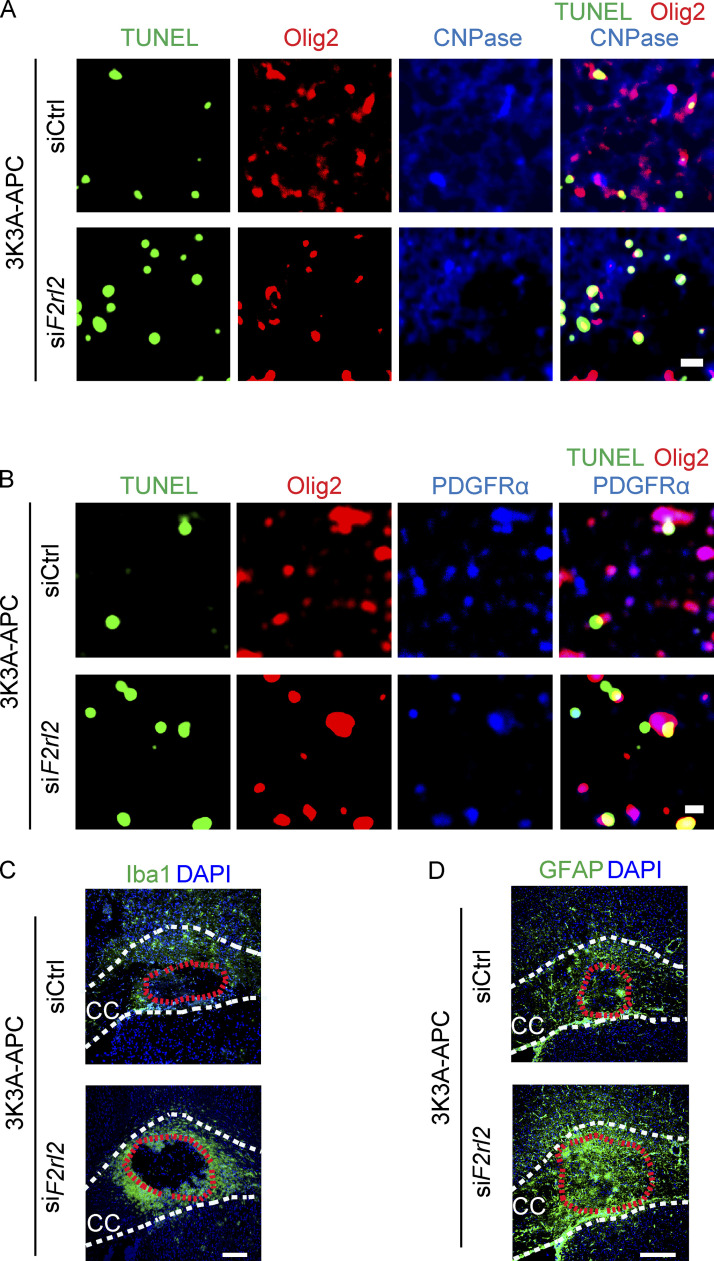
Subcortical white matter (WM) stroke accounts for 25% of all strokes and is the second leading cause of dementia. Despite such clinical importance, we still do not have an effective treatment for ischemic WM stroke, and the mechanisms of WM postischemic neuroprotection remain elusive. 3K3A-activated protein C (APC) is a signaling-selective analogue of endogenous blood protease APC that is currently in development as a neuroprotectant for ischemic stroke patients. Here, we show that 3K3A-APC protects WM tracts and oligodendrocytes from ischemic injury in the corpus callosum in middle-aged mice by activating protease-activated receptor 1 (PAR1) and PAR3. We show that PAR1 and PAR3 were also required for 3K3A-APC's suppression of post-WM stroke microglia and astrocyte responses and overall improvement in neuropathologic and functional outcomes. Our data provide new insights into the neuroprotective APC pathway in the WM and illustrate 3K3A-APC's potential for treating WM stroke in humans, possibly including multiple WM strokes that result in vascular dementia.
皮质下白质(WM)卒中占所有卒中的 25%,是痴呆的第二大主要病因。尽管具有如此重要的临床意义,但我们仍然没有针对缺血性 WM 卒中的有效治疗方法,WM 缺血后神经保护的机制仍不清楚。3K3A 激活的蛋白 C(APC)是内源性血液蛋白酶 APC 的信号选择性类似物,目前正在开发用于缺血性卒中患者的神经保护剂。在这里,我们表明 3K3A-APC 通过激活蛋白酶激活受体 1(PAR1)和 PAR3 来保护胼胝体中的 WM 束和少突胶质细胞免受缺血性损伤。我们表明,PAR1 和 PAR3 也是 3K3A-APC 抑制 WM 卒中后小胶质细胞和星形胶质细胞反应以及整体改善神经病理学和功能结果所必需的。我们的数据为 WM 中的神经保护 APC 途径提供了新的见解,并说明了 3K3A-APC 治疗人类 WM 卒中的潜力,可能包括导致血管性痴呆的多次 WM 卒中。