Department of Immunology, School of Medicine, Tehran University of Medical Sciences, Tehran, Iran.
Shefa Neuroscience Research Center, Khatam Alanbia Hospital, Tehran, Iran.
PLoS One. 2021 Dec 2;16(12):e0260360. doi: 10.1371/journal.pone.0260360. eCollection 2021.
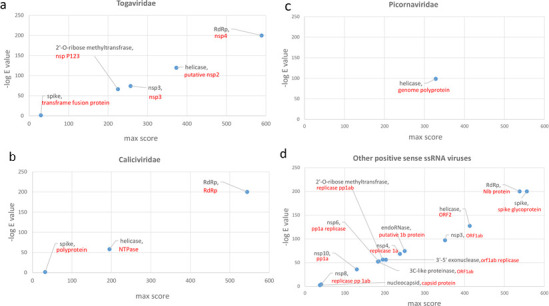
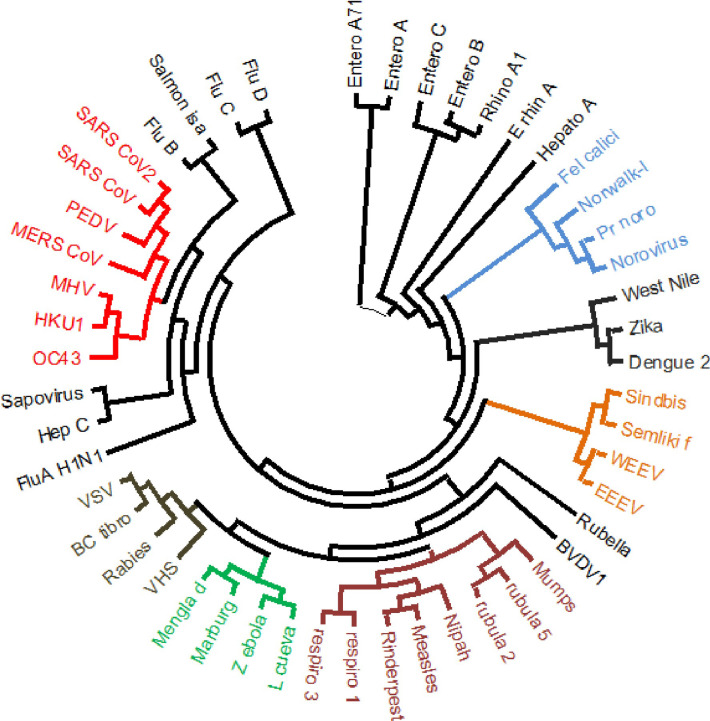
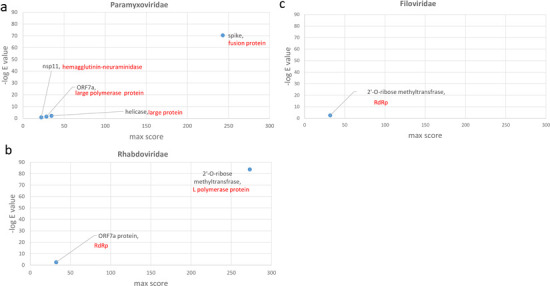
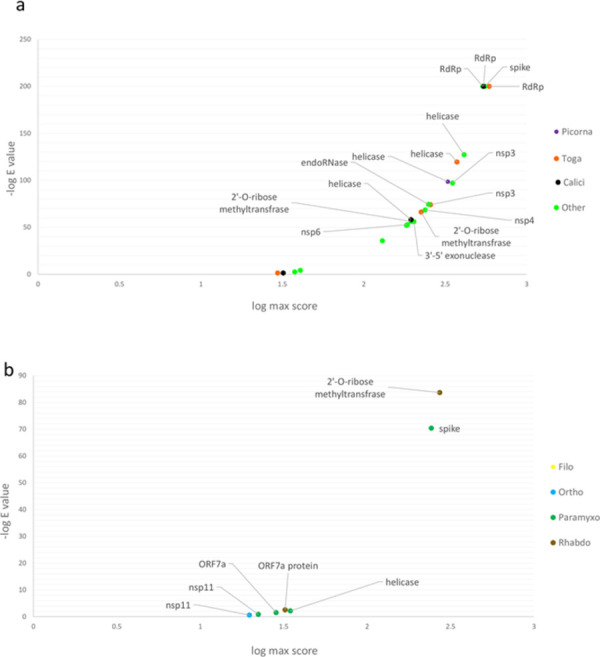
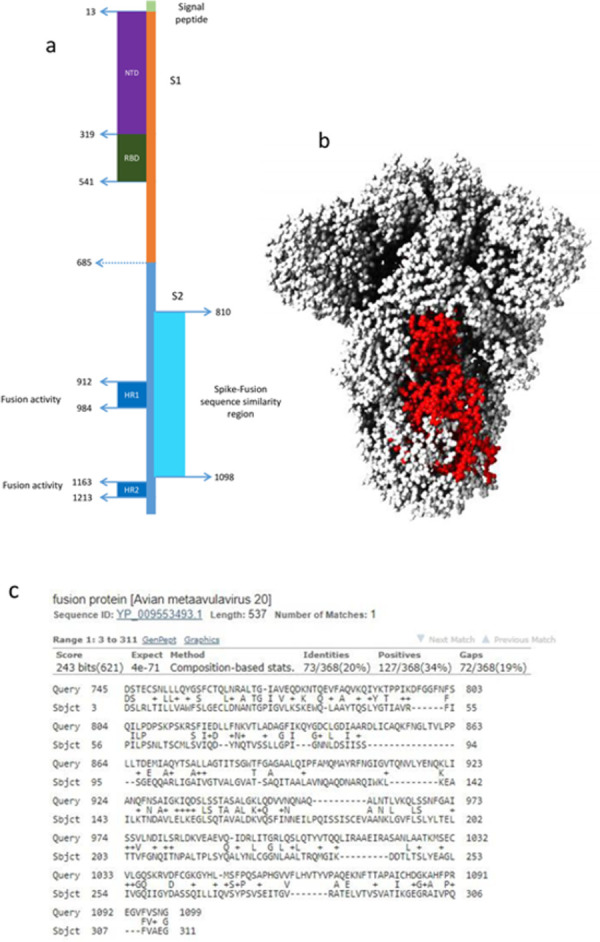
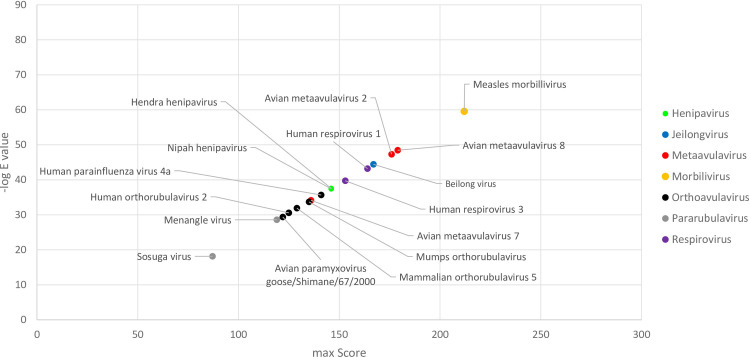
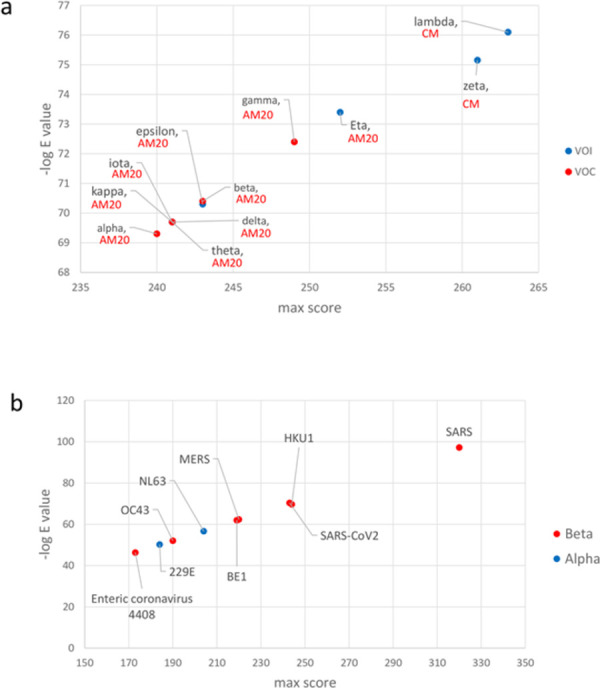
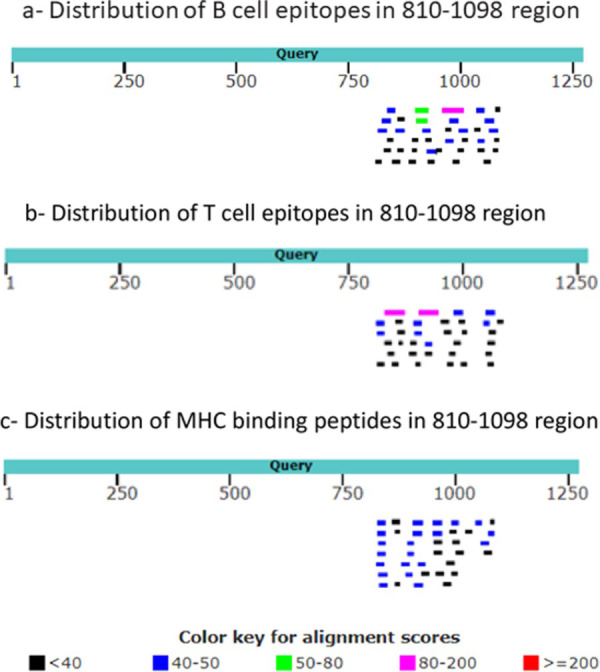
Recent emergence of SARS-CoV-2 and associated COVID-19 pandemic have posed a great challenge for the scientific community. In this study, we performed bioinformatic analyses on SARS-CoV-2 protein sequences, trying to unravel potential molecular similarities between this newly emerged pathogen with non-coronavirus ssRNA viruses. Comparing the proteins of SARS-CoV-2 with non-coronavirus positive and negative strand ssRNA viruses revealed multiple sequence similarities between SARS-CoV-2 and non-coronaviruses, including similarities between RNA-dependent RNA-polymerases and helicases (two highly-conserved proteins). We also observed similarities between SARS-CoV-2 surface (i.e. spike) protein with paramyxovirus fusion proteins. This similarity was restricted to a segment of spike protein S2 subunit which is involved in cell fusion. We next analyzed spike proteins from SARS-CoV-2 "variants of concern" (VOCs) and "variants of interests" (VOIs) and found that some of these variants show considerably higher spike-fusion similarity with paramyxoviruses. The 'spike-fusion' similarity was also observed for some pathogenic coronaviruses other than SARS-CoV-2. Epitope analysis using experimentally verified data deposited in Immune Epitope Database (IEDB) revealed that several B cell epitopes as well as T cell and MHC binding epitopes map within the spike-fusion similarity region. These data indicate that there might be a degree of convergent evolution between SARS-CoV-2 and paramyxovirus surface proteins which could be of pathogenic and immunological importance.
最近出现的严重急性呼吸综合征冠状病毒 2 型(SARS-CoV-2)及其相关的 COVID-19 大流行给科学界带来了巨大挑战。在本研究中,我们对 SARS-CoV-2 蛋白序列进行了生物信息学分析,试图揭示这种新出现的病原体与非冠状病毒 ssRNA 病毒之间潜在的分子相似性。比较 SARS-CoV-2 与非冠状病毒正链和负链 ssRNA 病毒的蛋白发现,SARS-CoV-2 与非冠状病毒之间存在多种序列相似性,包括 RNA 依赖的 RNA 聚合酶和解旋酶(两种高度保守的蛋白)之间的相似性。我们还观察到 SARS-CoV-2 表面(即刺突)蛋白与副粘病毒融合蛋白之间的相似性。这种相似性仅限于刺突蛋白 S2 亚基的一个参与细胞融合的片段。接下来,我们分析了来自 SARS-CoV-2“关注变异株”(VOCs)和“感兴趣变异株”(VOIs)的刺突蛋白,发现其中一些变异株与副粘病毒的刺突融合具有相当高的相似性。除 SARS-CoV-2 外,其他一些致病性冠状病毒也观察到了“刺突融合”的相似性。使用 Immune Epitope Database(IEDB)中验证的实验数据进行表位分析表明,几个 B 细胞表位以及 T 细胞和 MHC 结合表位都位于刺突融合相似区域内。这些数据表明,SARS-CoV-2 和副粘病毒表面蛋白之间可能存在一定程度的趋同进化,这可能具有致病性和免疫学意义。