Department of Medicine, University of Connecticut Health, Farmington, Connecticut, United States of America.
Unité de Biologie des Spirochètes, Department of Microbiology, Institut Pasteur, Paris, France.
PLoS Pathog. 2021 Dec 2;17(12):e1009078. doi: 10.1371/journal.ppat.1009078. eCollection 2021 Dec.
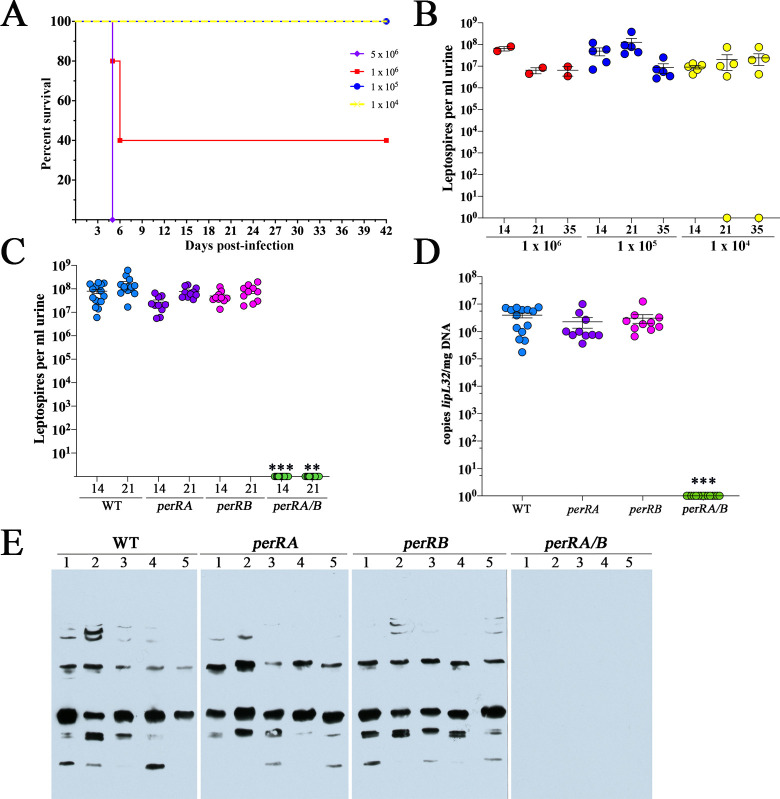
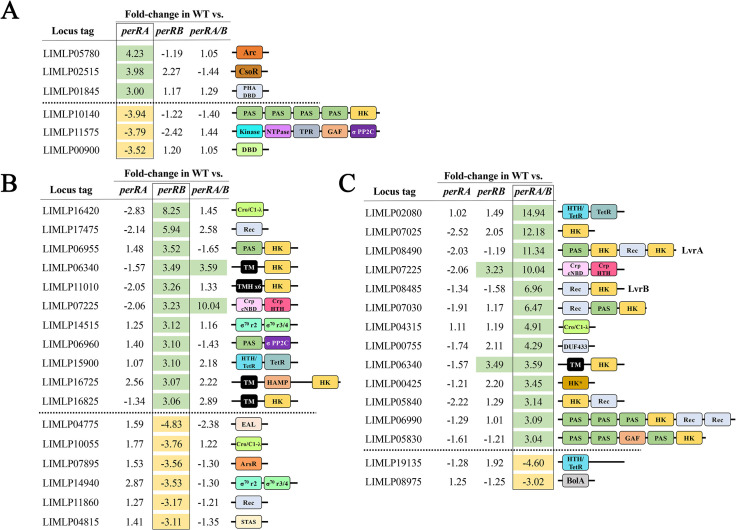
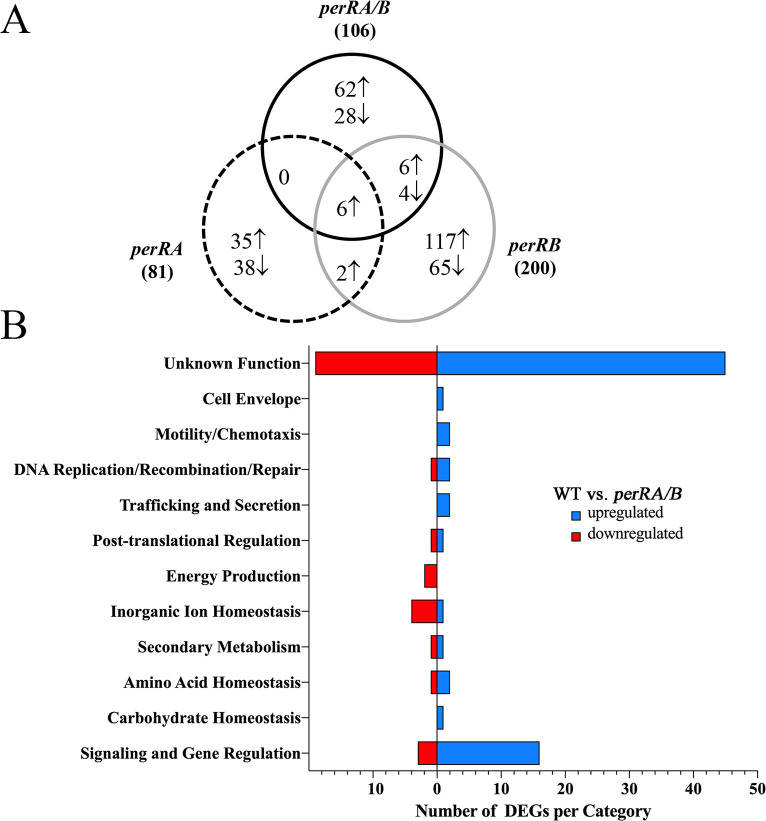
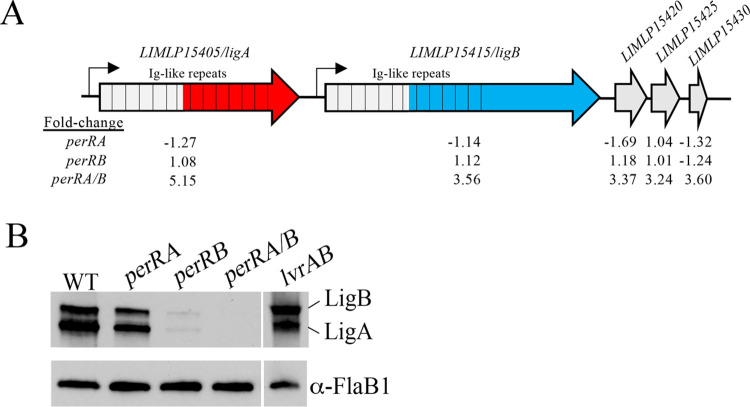
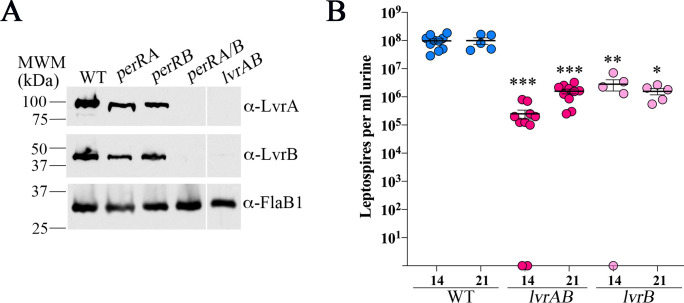
Leptospira interrogans, the causative agent of most cases of human leptospirosis, must respond to myriad environmental signals during its free-living and pathogenic lifestyles. Previously, we compared L. interrogans cultivated in vitro and in vivo using a dialysis membrane chamber (DMC) peritoneal implant model. From these studies emerged the importance of genes encoding the Peroxide responsive regulators PerRA and PerRB. First described in in Bacillus subtilis, PerRs are widespread in Gram-negative and -positive bacteria, where regulate the expression of gene products involved in detoxification of reactive oxygen species and virulence. Using perRA and perRB single and double mutants, we establish that L. interrogans requires at least one functional PerR for infectivity and renal colonization in a reservoir host. Our finding that the perRA/B double mutant survives at wild-type levels in DMCs is noteworthy as it demonstrates that the loss of virulence is not due to a metabolic lesion (i.e., metal starvation) but instead reflects dysregulation of virulence-related gene products. Comparative RNA-Seq analyses of perRA, perRB and perRA/B mutants cultivated within DMCs identified 106 genes that are dysregulated in the double mutant, including ligA, ligB and lvrA/B sensory histidine kinases. Decreased expression of LigA and LigB in the perRA/B mutant was not due to loss of LvrAB signaling. The majority of genes in the perRA and perRB single and double mutant DMC regulons were differentially expressed only in vivo, highlighting the importance of host signals for regulating gene expression in L. interrogans. Importantly, the PerRA, PerRB and PerRA/B DMC regulons each contain multiple genes related to environmental sensing and/or transcriptional regulation. Collectively, our data suggest that PerRA and PerRB are part of a complex regulatory network that promotes host adaptation by L. interrogans within mammals.
问号钩端螺旋体是大多数人类钩端螺旋体病的病原体,它必须在自由生活和致病生活方式中对无数环境信号做出反应。以前,我们使用透析膜室(DMC)腹膜植入模型比较了在体外和体内培养的问号钩端螺旋体。从这些研究中出现了编码过氧化物反应调节剂 PerRA 和 PerRB 的基因的重要性。PerRs 最初在枯草芽孢杆菌中被描述,在革兰氏阴性和阳性细菌中广泛存在,它们调节与活性氧解毒和毒力相关的基因产物的表达。使用 perRA 和 perRB 单突变体和双突变体,我们确定至少有一种功能性 PerR 是问号钩端螺旋体在储存宿主中感染和肾脏定殖所必需的。我们发现 perRA/B 双突变体在 DMC 中以野生型水平存活是值得注意的,因为这表明毒力丧失不是由于代谢缺陷(即金属饥饿),而是反映了与毒力相关的基因产物的失调。在 DMC 中培养的 perRA、perRB 和 perRA/B 突变体的比较 RNA-Seq 分析确定了 106 个在双突变体中失调的基因,包括 ligA、ligB 和 lvrA/B 感觉组氨酸激酶。perRA/B 突变体中 LigA 和 LigB 的表达减少不是由于 LvrAB 信号的丧失。perRA 和 perRB 单突变体和双突变体 DMC 调控子中的大多数基因仅在体内差异表达,突出了宿主信号对调节问号钩端螺旋体基因表达的重要性。重要的是,PerRA、PerRB 和 perRA/B DMC 调控子都包含多个与环境感应和/或转录调节相关的基因。总的来说,我们的数据表明 PerRA 和 PerRB 是一个复杂的调节网络的一部分,该网络通过促进哺乳动物体内的宿主适应来促进问号钩端螺旋体的生长。