Institut Pasteur, Université de Paris, Biologie des Spirochètes, F-75015 Paris, France.
Université de Paris, Sorbonne Paris Cité, F-75015 Paris, France.
PLoS Pathog. 2021 Dec 2;17(12):e1009087. doi: 10.1371/journal.ppat.1009087. eCollection 2021 Dec.
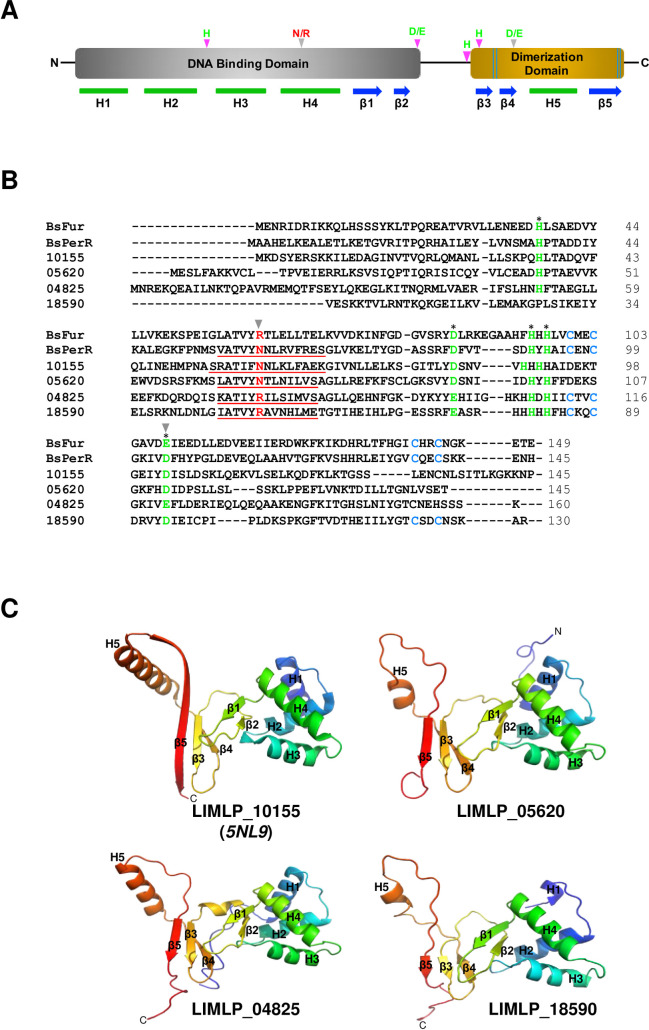
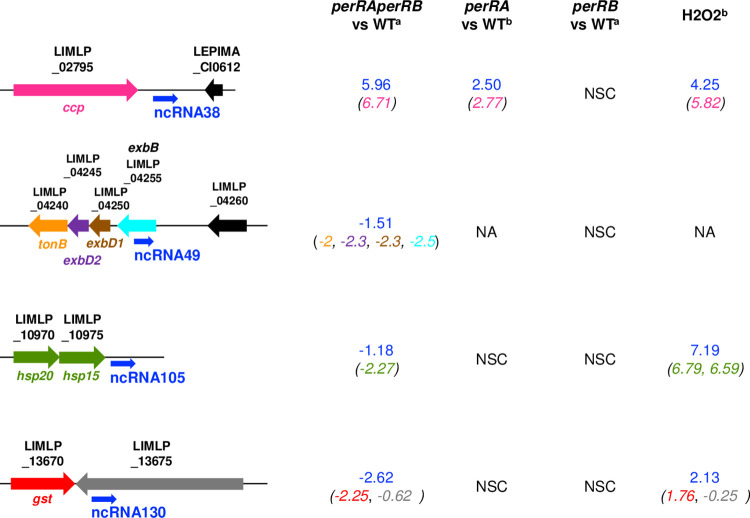
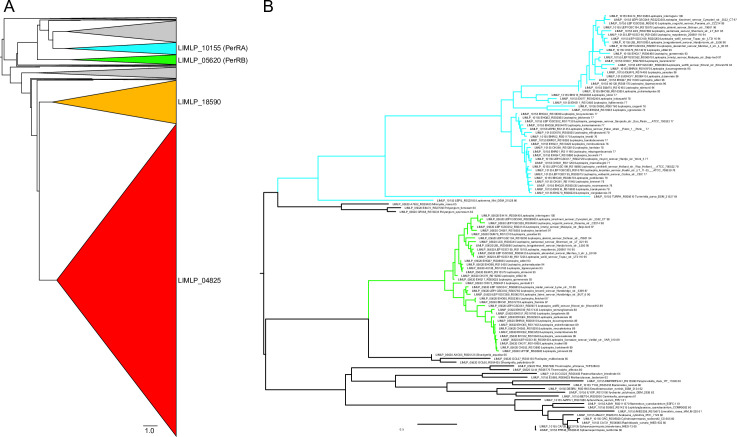
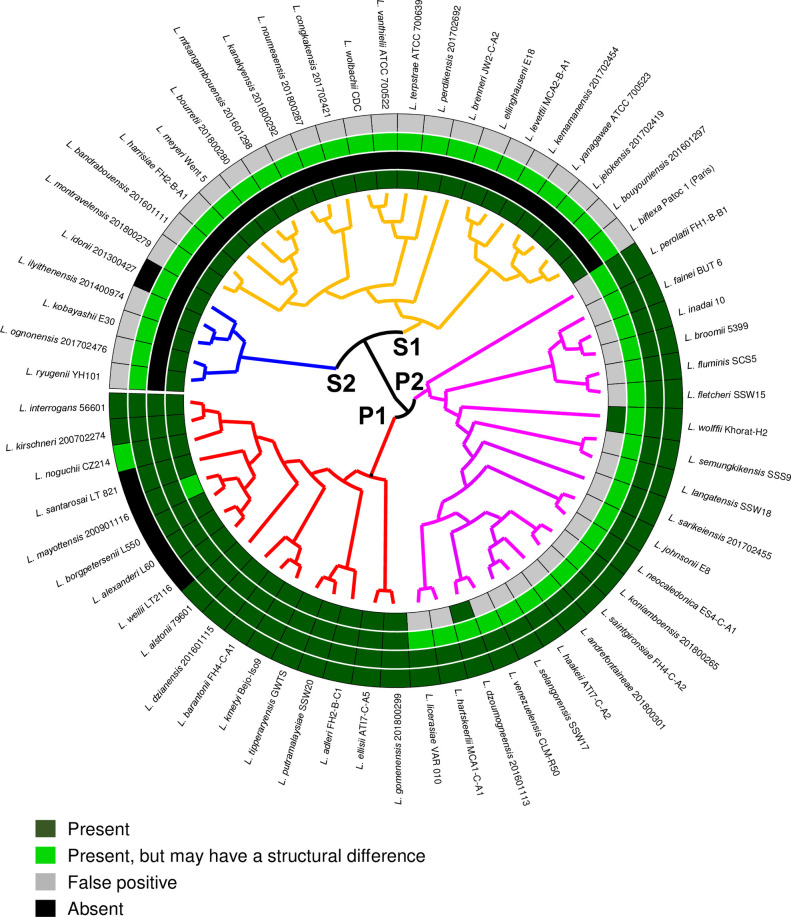
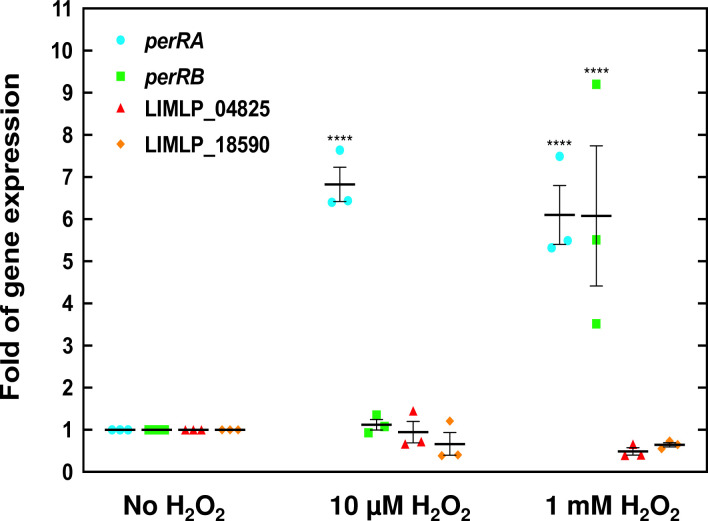
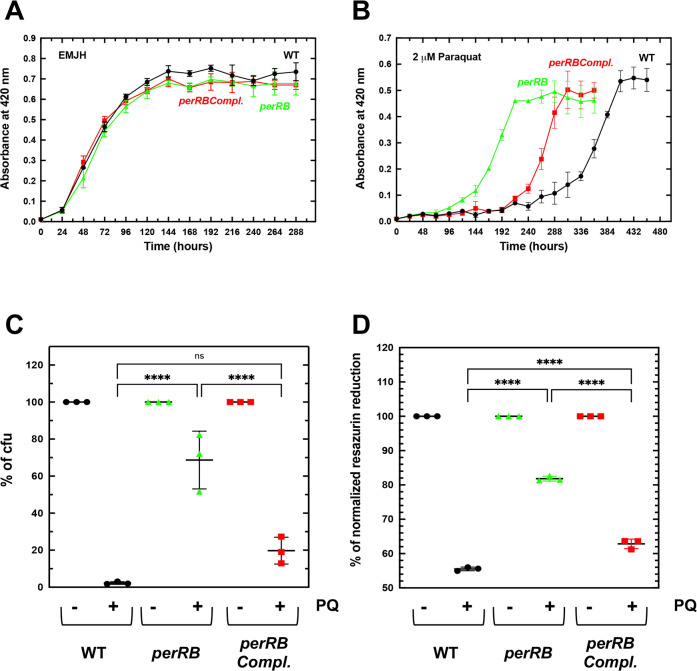
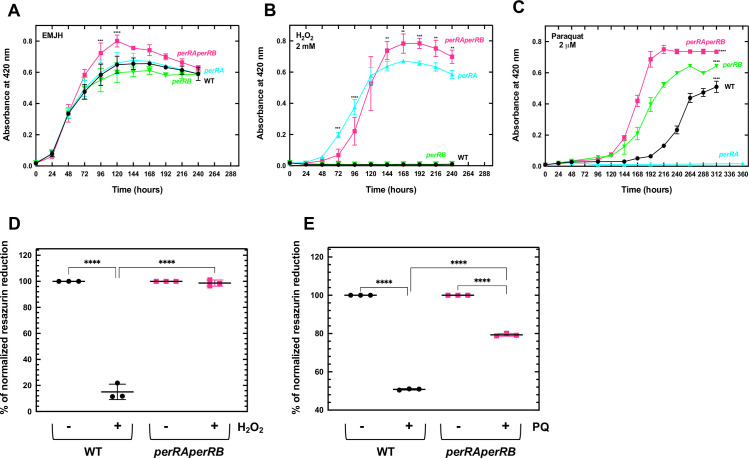
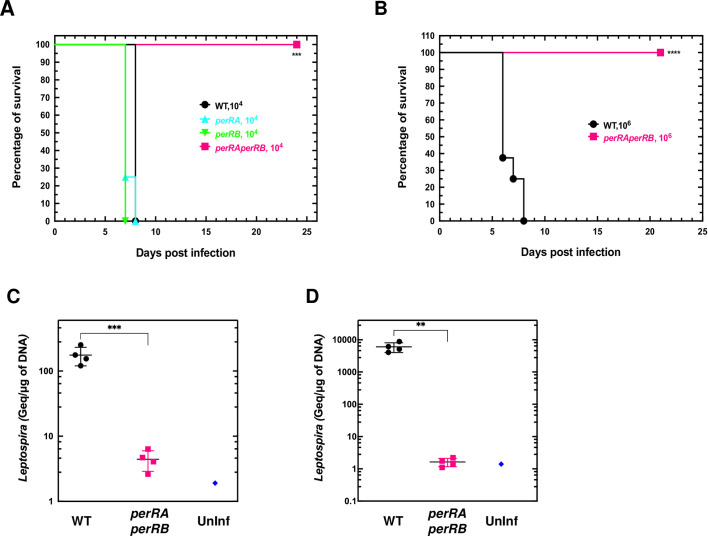
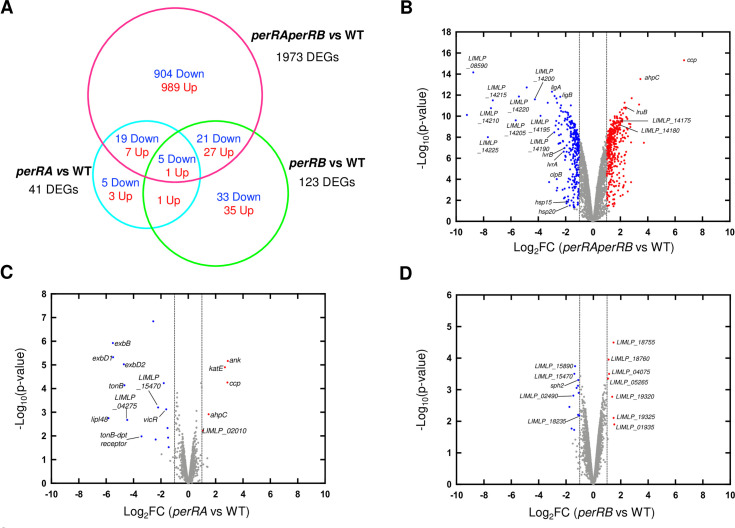
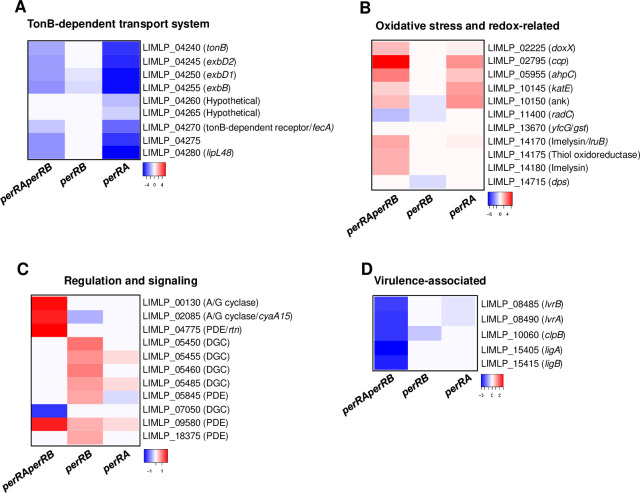
Pathogenic Leptospira are the causative agents of leptospirosis, the most widespread zoonotic infectious disease. Leptospirosis is a potentially severe and life-threatening emerging disease with highest burden in sub-tropical areas and impoverished populations. Mechanisms allowing pathogenic Leptospira to survive inside a host and induce acute leptospirosis are not fully understood. The ability to resist deadly oxidants produced by the host during infection is pivotal for Leptospira virulence. We have previously shown that genes encoding defenses against oxidants in L. interrogans are repressed by PerRA (encoded by LIMLP_10155), a peroxide stress regulator of the Fur family. In this study, we describe the identification and characterization of another putative PerR-like regulator (LIMLP_05620) in L. interrogans. Protein sequence and phylogenetic analyses indicated that LIMLP_05620 displayed all the canonical PerR amino acid residues and is restricted to pathogenic Leptospira clades. We therefore named this PerR-like regulator PerRB. In L. interrogans, the PerRB regulon is distinct from that of PerRA. While a perRA mutant had a greater tolerance to peroxide, inactivating perRB led to a higher tolerance to superoxide, suggesting that these two regulators have a distinct function in the adaptation of L. interrogans to oxidative stress. The concomitant inactivation of perRA and perRB resulted in a higher tolerance to both peroxide and superoxide and, unlike the single mutants, a double perRAperRB mutant was avirulent. Interestingly, this correlated with major changes in gene and non-coding RNA expression. Notably, several virulence-associated genes (clpB, ligA/B, and lvrAB) were repressed. By obtaining a double mutant in a pathogenic Leptospira strain, our study has uncovered an interplay of two PerRs in the adaptation of Leptospira to oxidative stress with a putative role in virulence and pathogenicity, most likely through the transcriptional control of a complex regulatory network.
致病性钩端螺旋体是钩端螺旋体病的病原体,这是最广泛流行的人畜共患传染病。钩端螺旋体病是一种潜在的严重和危及生命的新发传染病,在亚热带地区和贫困人群中负担最重。导致致病性钩端螺旋体在宿主体内存活并引发急性钩端螺旋体病的机制尚未完全阐明。钩端螺旋体抵抗感染过程中宿主产生的致命氧化剂的能力对其毒力至关重要。我们之前已经表明,L. interrogans 中编码抗氧化剂防御的基因受到 Fur 家族过氧化物应激调节剂 PerRA(由 LIMLP_10155 编码)的抑制。在这项研究中,我们描述了在 L. interrogans 中另一种假定的 PerR 样调节剂(LIMLP_05620)的鉴定和特征。蛋白质序列和系统发育分析表明,LIMLP_05620 显示出所有典型的 PerR 氨基酸残基,并且仅限于致病性钩端螺旋体进化枝。因此,我们将这种 PerR 样调节剂命名为 PerRB。在 L. interrogans 中,PerRB 调控组与 PerRA 不同。虽然 perRA 突变体能更好地耐受过氧化物,但失活 perRB 会导致对超氧化物的耐受性更高,表明这两个调节剂在 L. interrogans 适应氧化应激方面具有不同的功能。同时失活 perRA 和 perRB 会导致对过氧化物和超氧化物的耐受性更高,与单个突变体不同,双 perRAperRB 突变体无毒力。有趣的是,这与基因和非编码 RNA 表达的重大变化相关。值得注意的是,几个毒力相关基因(clpB、ligA/B 和 lvrAB)被抑制。通过在致病性钩端螺旋体菌株中获得双突变体,我们的研究揭示了两种 PerR 在钩端螺旋体适应氧化应激中的相互作用,这可能通过对复杂调控网络的转录控制在毒力和致病性中发挥作用。