INRS-Institut Armand-Frappier, Bacterial Symbionts Evolution, Laval, Quebec, Canada.
Institut Pasteur, Biology of Spirochetes unit, Paris, France.
PLoS Negl Trop Dis. 2019 May 23;13(5):e0007270. doi: 10.1371/journal.pntd.0007270. eCollection 2019 May.
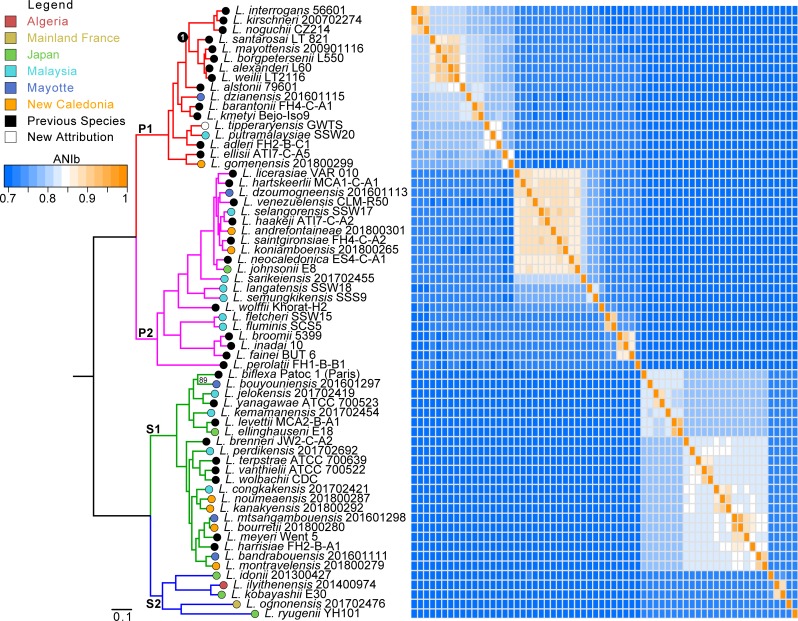
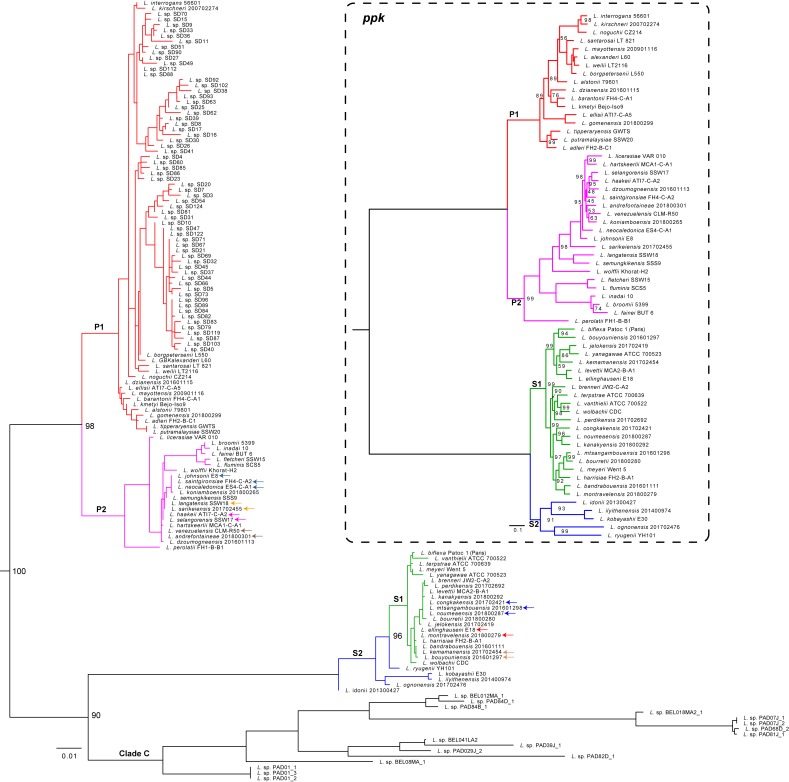
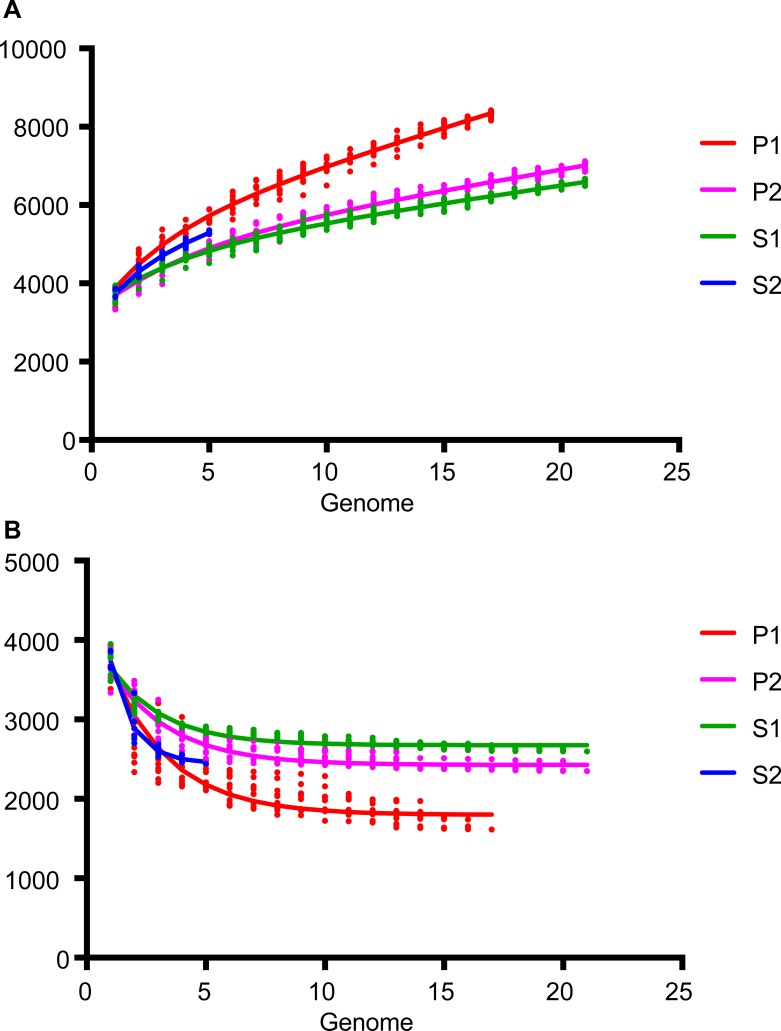
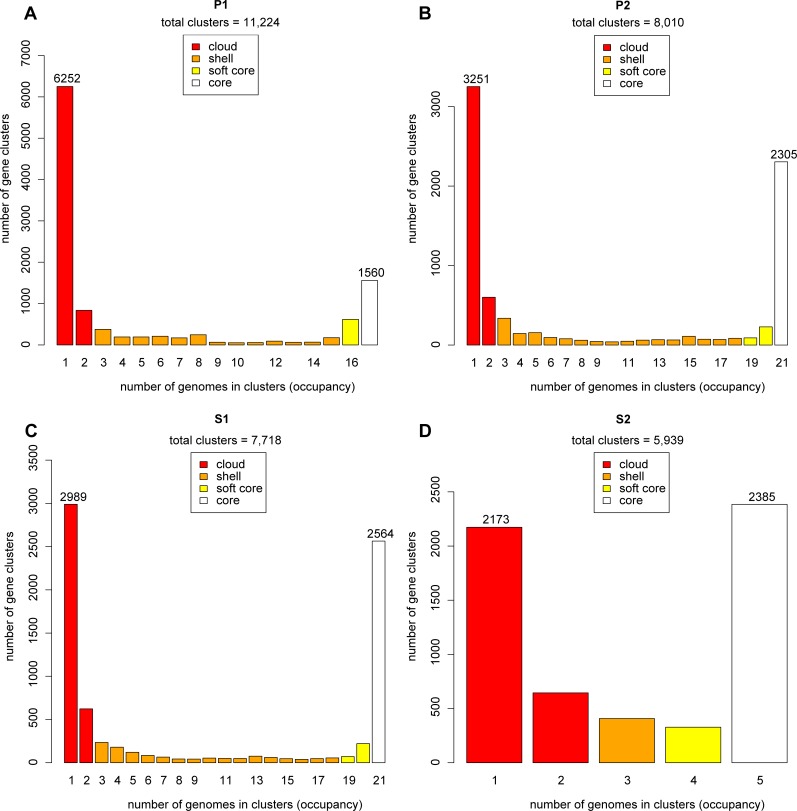
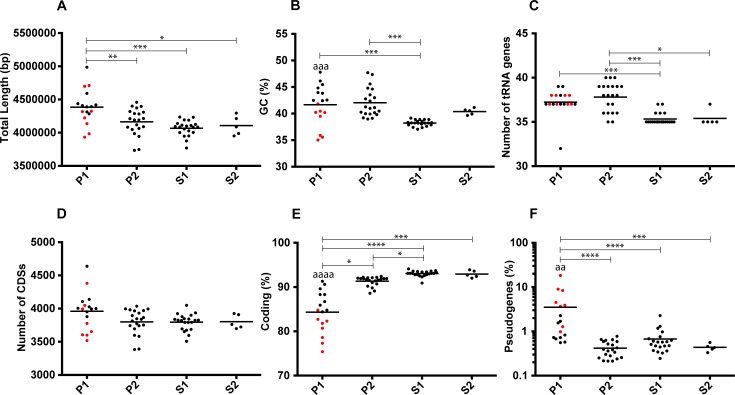
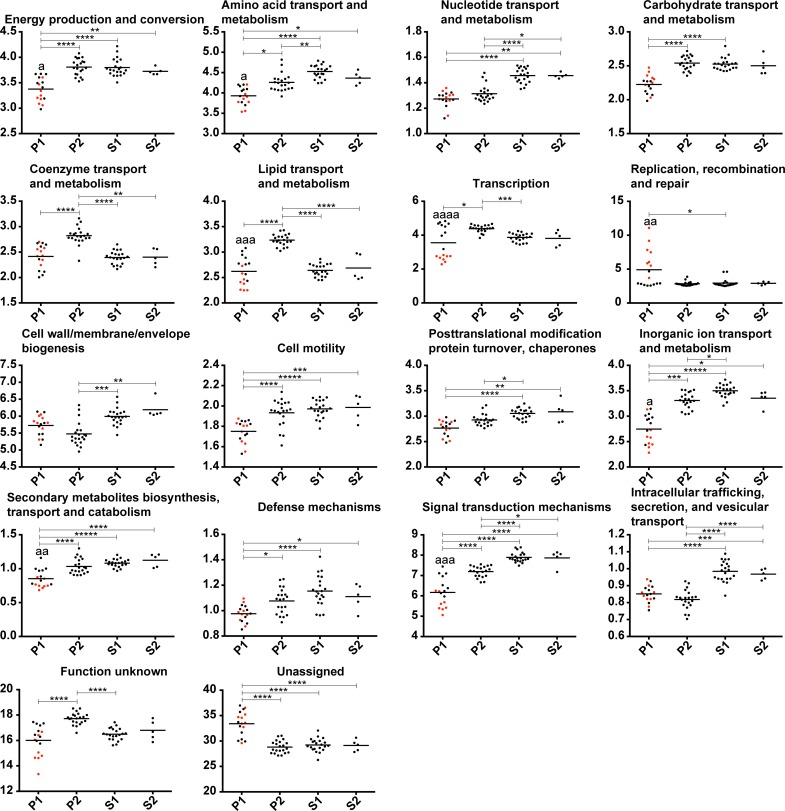
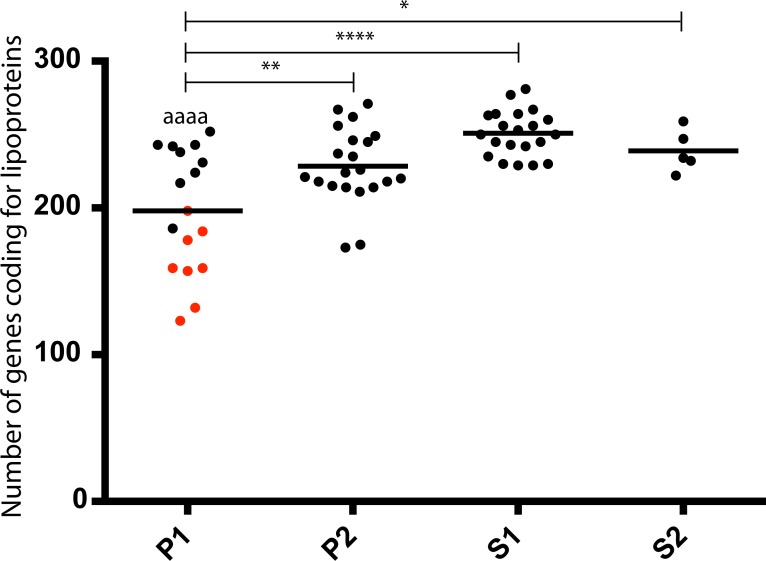
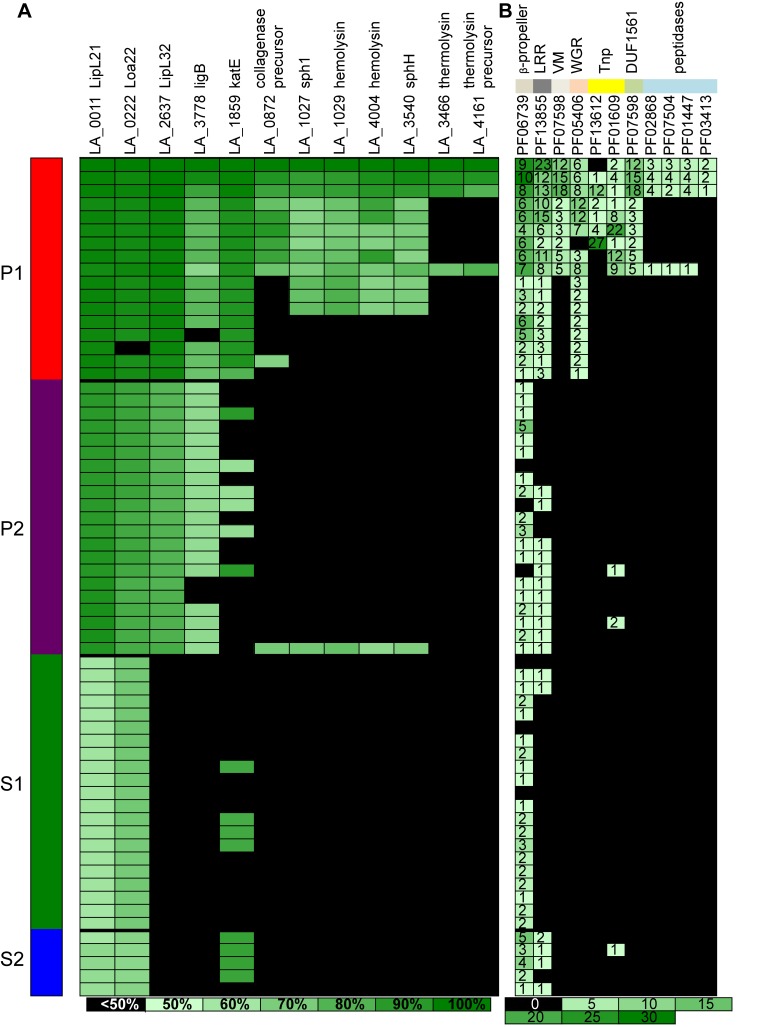
The causative agents of leptospirosis are responsible for an emerging zoonotic disease worldwide. One of the major routes of transmission for leptospirosis is the natural environment contaminated with the urine of a wide range of reservoir animals. Soils and surface waters also host a high diversity of non-pathogenic Leptospira and species for which the virulence status is not clearly established. The genus Leptospira is currently divided into 35 species classified into three phylogenetic clusters, which supposedly correlate with the virulence of the bacteria. In this study, a total of 90 Leptospira strains isolated from different environments worldwide including Japan, Malaysia, New Caledonia, Algeria, mainland France, and the island of Mayotte in the Indian Ocean were sequenced. A comparison of average nucleotide identity (ANI) values of genomes of the 90 isolates and representative genomes of known species revealed 30 new Leptospira species. These data also supported the existence of two clades and 4 subclades. To avoid classification that strongly implies assumption on the virulence status of the lineages, we called them P1, P2, S1, S2. One of these subclades has not yet been described and is composed of Leptospira idonii and 4 novel species that are phylogenetically related to the saprophytes. We then investigated genome diversity and evolutionary relationships among members of the genus Leptospira by studying the pangenome and core gene sets. Our data enable the identification of genome features, genes and domains that are important for each subclade, thereby laying the foundation for refining the classification of this complex bacterial genus. We also shed light on atypical genomic features of a group of species that includes the species often associated with human infection, suggesting a specific and ongoing evolution of this group of species that will require more attention. In conclusion, we have uncovered a massive species diversity and revealed a novel subclade in environmental samples collected worldwide and we have redefined the classification of species in the genus. The implication of several new potentially infectious Leptospira species for human and animal health remains to be determined but our data also provide new insights into the emergence of virulence in the pathogenic species.
钩端螺旋体病的病原体是一种正在全球流行的人畜共患疾病的主要病因。钩端螺旋体病的主要传播途径之一是受广泛宿主动物尿液污染的自然环境。土壤和地表水也存在大量非致病性的钩端螺旋体和尚未明确其毒力状态的物种。钩端螺旋体属目前分为 35 个种,分为三个系统发育群,这些种可能与细菌的毒力相关。在这项研究中,共对来自日本、马来西亚、新喀里多尼亚、阿尔及利亚、法国本土和印度洋马约特岛等不同环境的 90 株钩端螺旋体分离株进行了测序。对 90 株分离株的全基因组平均核苷酸同一性(ANI)值与已知种的代表基因组进行比较,发现了 30 个新的钩端螺旋体种。这些数据还支持了两个进化枝和 4 个子进化枝的存在。为了避免分类强烈暗示谱系毒力状态的假设,我们将它们称为 P1、P2、S1、S2。其中一个子进化枝尚未被描述,由 Leptospira idonii 和 4 个新种组成,与腐生菌在系统发育上有关。然后,我们通过研究泛基因组和核心基因集,研究了钩端螺旋体属成员的基因组多样性和进化关系。我们的数据能够确定每个子进化枝的重要基因组特征、基因和结构域,从而为完善这个复杂细菌属的分类奠定了基础。我们还揭示了一组包括常与人类感染相关的种的非典型基因组特征,这表明该组种正在经历特定和持续的进化,需要更多的关注。总之,我们在全球范围内采集的环境样本中发现了大量的种多样性,并揭示了一个新的子进化枝,重新定义了该属的种分类。几种新的潜在感染性钩端螺旋体种对人类和动物健康的影响仍有待确定,但我们的数据也为致病性种的毒力出现提供了新的见解。