Zhang Zilong, Cui Feifei, Cao Chen, Wang Qingsuo, Zou Quan
Institute of Fundamental and Frontier Sciences, University of Electronic Science and Technology of China, Chengdu, 610054, China; Yangtze Delta Region Institute (Quzhou), University of Electronic Science and Technology of China, Quzhou, 324000, China.
Yangtze Delta Region Institute (Quzhou), University of Electronic Science and Technology of China, Quzhou, 324000, China.
Comput Biol Med. 2022 Jan;140:105092. doi: 10.1016/j.compbiomed.2021.105092. Epub 2021 Nov 29.
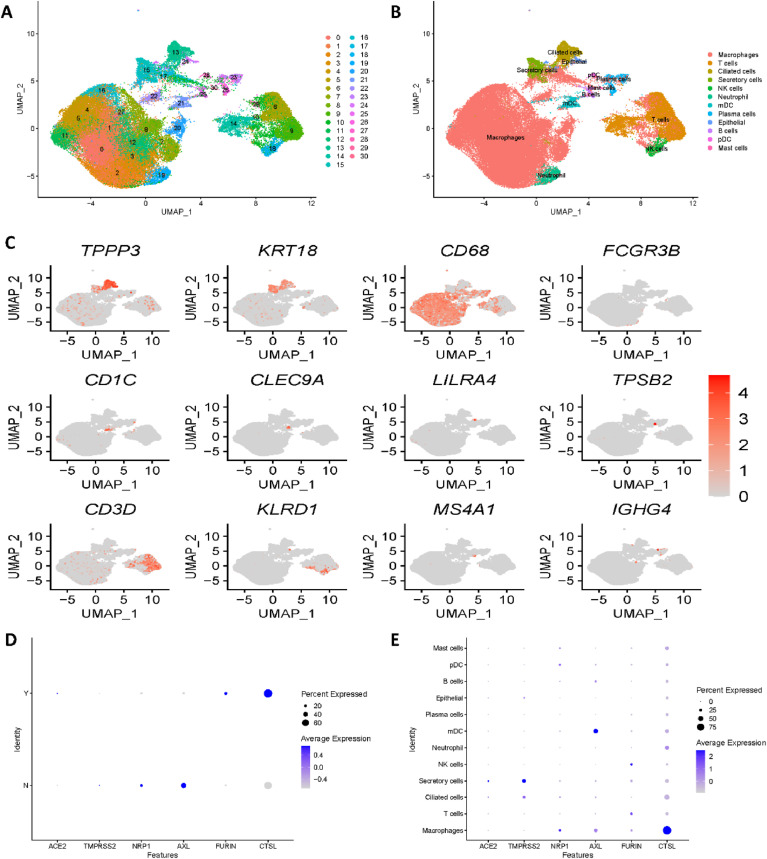
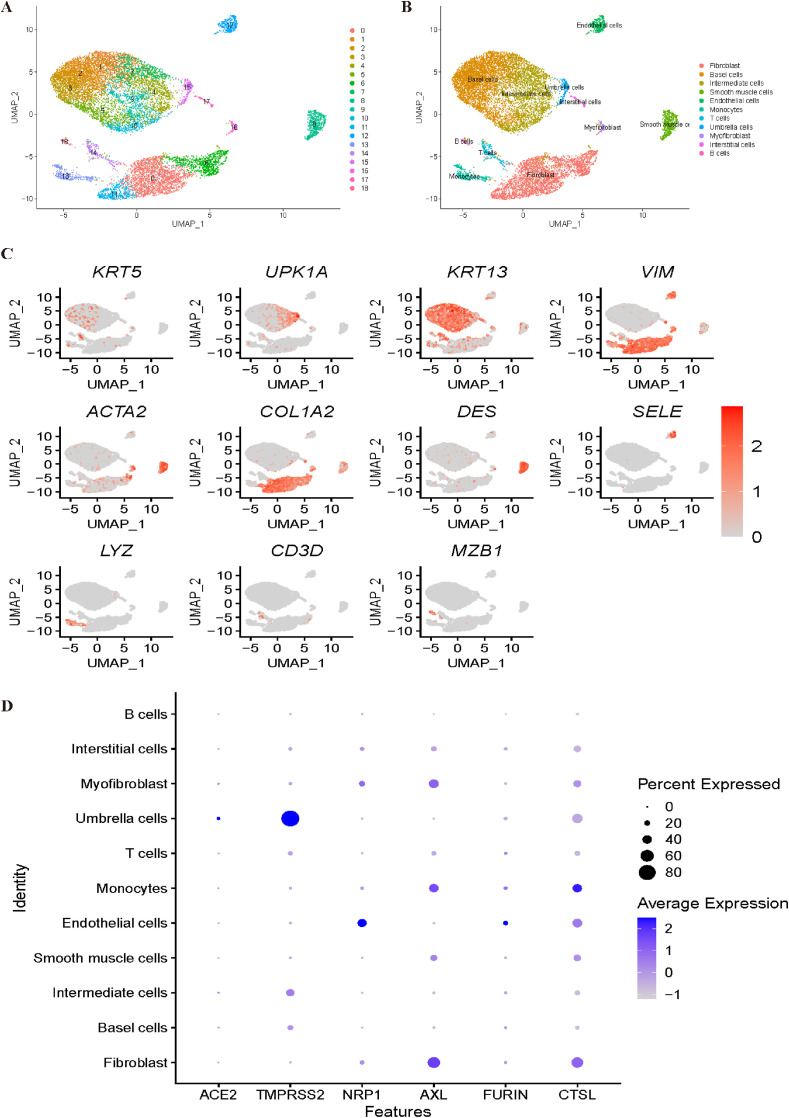
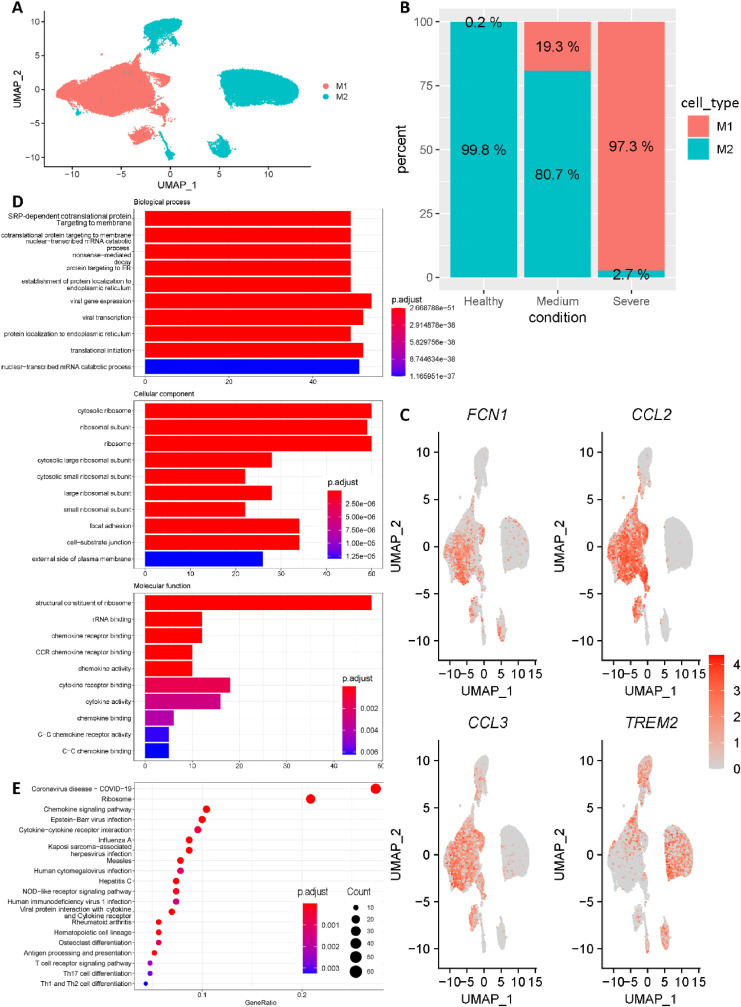
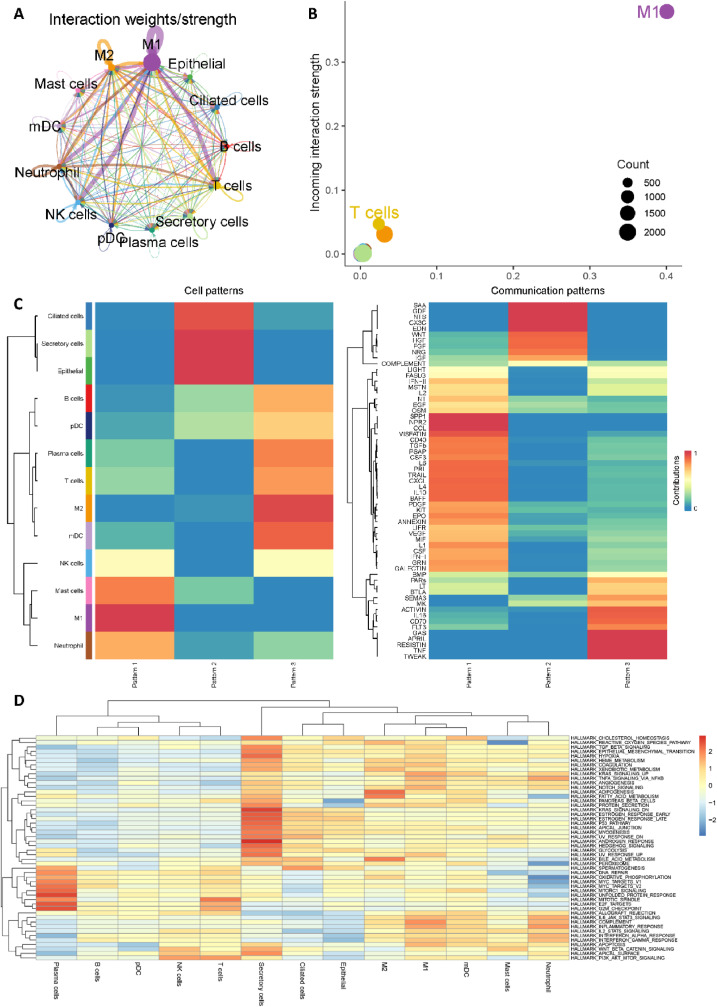
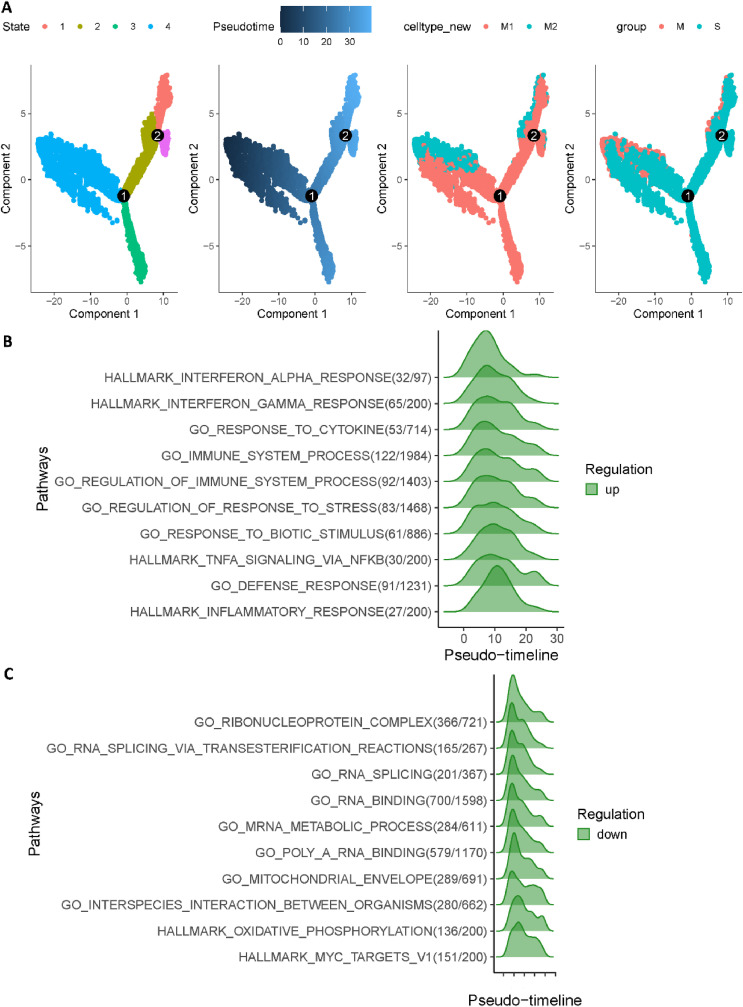
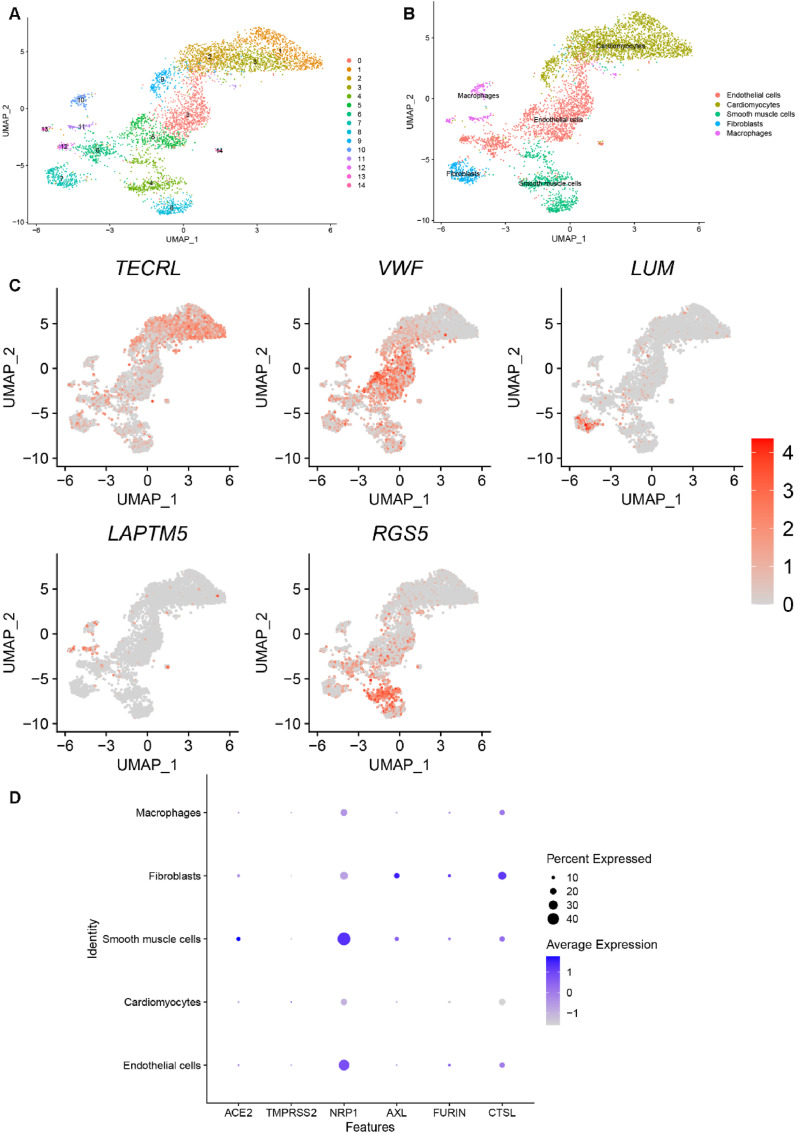
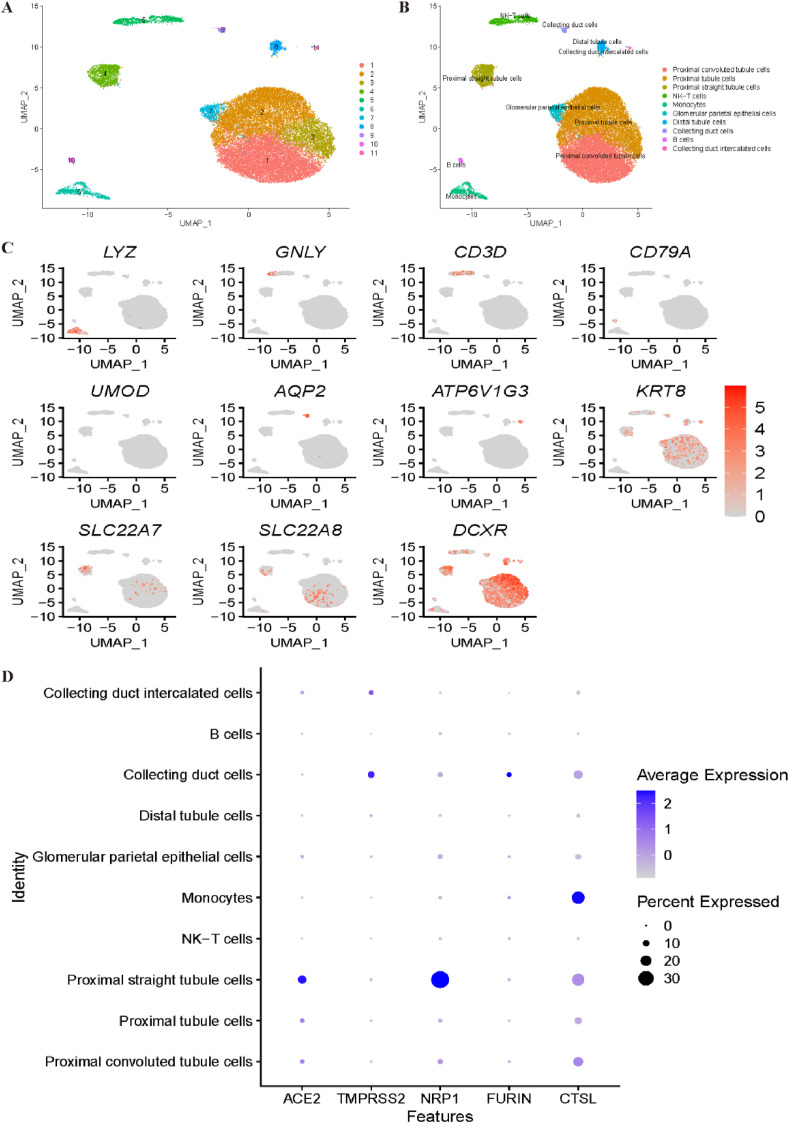
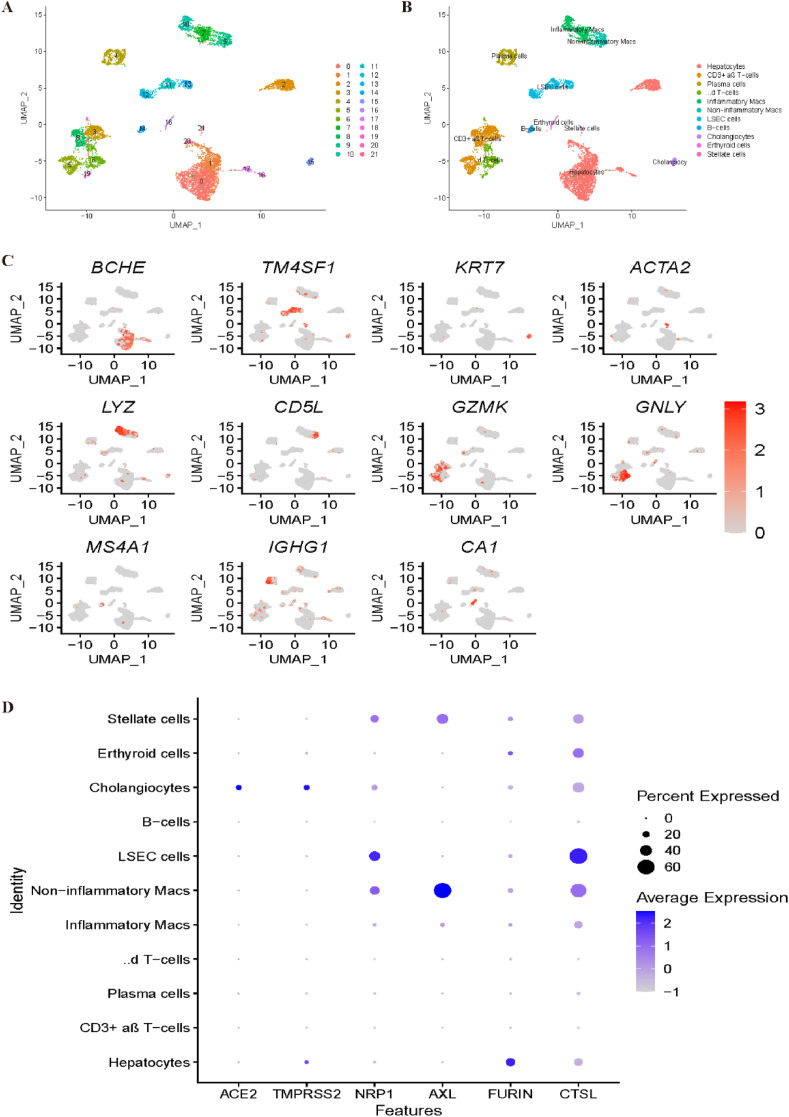
Severe acute respiratory syndrome coronavirus 2 (SARS-CoV-2) has caused a global pandemic of coronavirus disease 2019 (COVID-19) since December 2019 that has led to more than 160 million confirmed cases, including 3.3 million deaths. To understand the mechanism by which SARS-CoV-2 invades human cells and reveal organ-specific susceptible cell types for COVID-19, we conducted comprehensive bioinformatic analysis using public single-cell RNA sequencing datasets. Utilizing the expression information of six confirmed COVID-19 receptors (ACE2, TMPRSS2, NRP1, AXL, FURIN and CTSL), we demonstrated that macrophages are the most likely cells that may be associated with SARS-CoV-2 pathogenesis in lung. Besides the widely reported 'chemokine storm', we identified ribosome related pathways that may also be potential therapeutic target for COVID-19 lung infection patients. Moreover, cell-cell communication analysis and trajectory analysis revealed that M1-like macrophages showed the highest relation to severe COVID-19 patients. And we also demonstrated that up-regulation of chemokine pathways generally lead to severe symptoms, while down-regulation of ribosome and RNA activity related pathways are more likely to be mild. Other organ-specific susceptible cell type analyses could also provide potential targets for COVID-19 therapy. This work can provide clues for understanding the pathogenesis of COVID-19 and contribute to understanding the mechanism by which SARS-CoV-2 invades human cells.
自2019年12月以来,严重急性呼吸综合征冠状病毒2(SARS-CoV-2)引发了2019冠状病毒病(COVID-19)的全球大流行,已导致超过1.6亿例确诊病例,其中包括330万例死亡病例。为了解SARS-CoV-2侵入人体细胞的机制,并揭示COVID-19的器官特异性易感细胞类型,我们使用公开的单细胞RNA测序数据集进行了全面的生物信息学分析。利用六种已确认的COVID-19受体(ACE2、TMPRSS2、NRP1、AXL、FURIN和CTSL)的表达信息,我们证明巨噬细胞是最有可能与肺部SARS-CoV-2发病机制相关的细胞。除了广泛报道的“细胞因子风暴”外,我们还确定了核糖体相关途径,这些途径也可能是COVID-19肺部感染患者的潜在治疗靶点。此外,细胞间通讯分析和轨迹分析显示,M1样巨噬细胞与重症COVID-19患者的关系最为密切。我们还证明,趋化因子途径的上调通常会导致严重症状,而核糖体和RNA活性相关途径的下调更可能导致症状较轻。其他器官特异性易感细胞类型分析也可为COVID-19治疗提供潜在靶点。这项工作可为理解COVID-19的发病机制提供线索,并有助于了解SARS-CoV-2侵入人体细胞的机制。