Kleinbrink Erica L, Gomez-Lopez Nardhy, Ju Donghong, Done Bogdan, Goustin Anton-Scott, Tarca Adi L, Romero Roberto, Lipovich Leonard
Center for Molecular Medicine and Genetics, Wayne State University, Detroit, MI, United States.
Perinatology Research Branch, Division of Obstetrics and Maternal-Fetal Medicine, Division of Intramural Research, Eunice Kennedy Shriver National Institute of Child Health and Human Development, National Institutes of Health, U.S. Department of Health and Human Services, Detroit, MI, United States.
Front Genet. 2021 Nov 22;12:760849. doi: 10.3389/fgene.2021.760849. eCollection 2021.
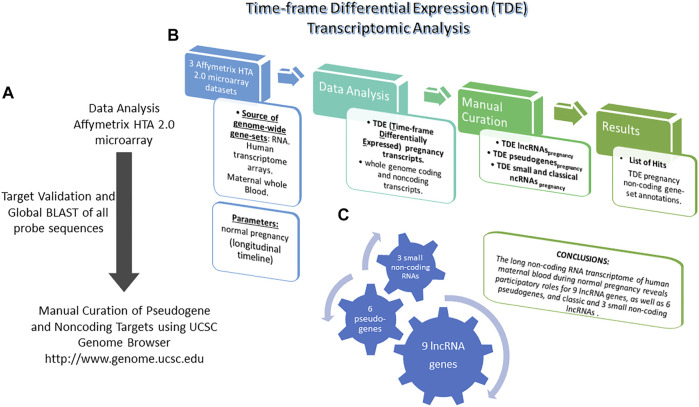
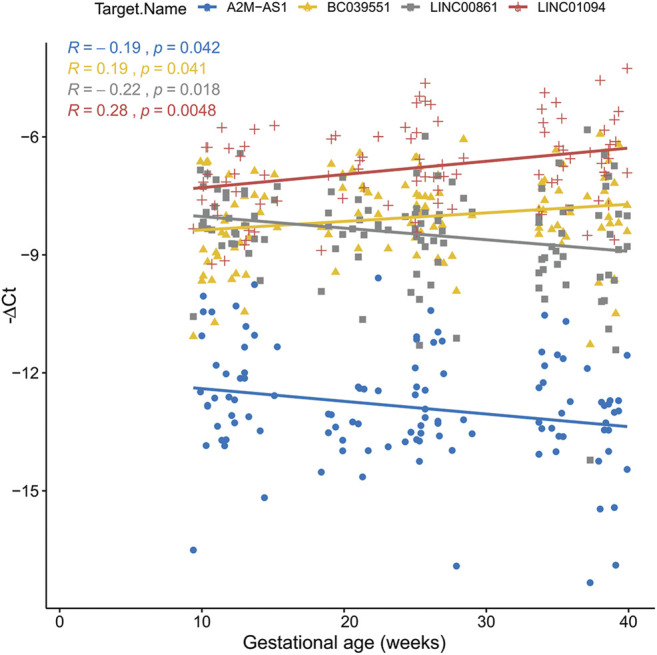
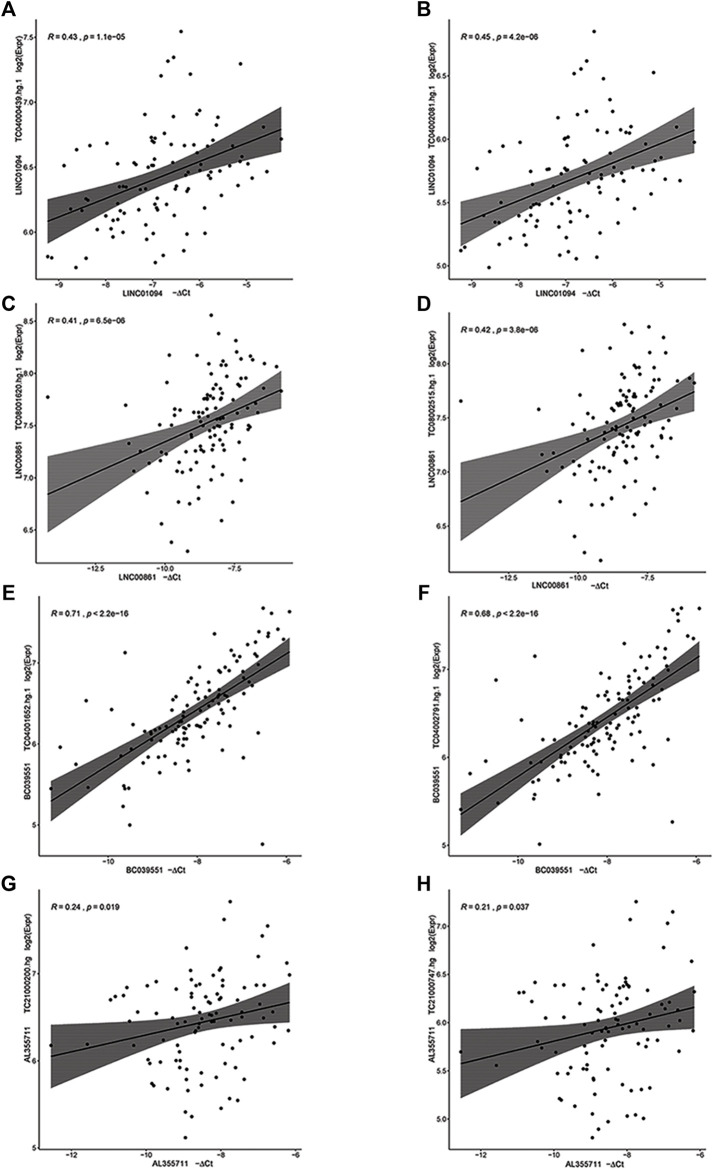
In the post-genomic era, our understanding of the molecular regulators of physiologic and pathologic processes in pregnancy is expanding at the whole-genome level. Longitudinal changes in the known protein-coding transcriptome during normal pregnancy, which we recently reported (Gomez-Lopez et al., 2019), have improved our definition of the major operant networks, yet pregnancy-related functions of the non-coding RNA transcriptome remain poorly understood. A key finding of the ENCODE (Encyclopedia of DNA Elements) Consortium, the successor of the Human Genome Project, was that the human genome contains approximately 60,000 genes, the majority of which do not encode proteins. The total transcriptional output of non-protein-coding RNA genes, collectively referred to as the non-coding transcriptome, is comprised mainly of long non-coding RNA (lncRNA) transcripts (Derrien et al., 2012). Although the ncRNA transcriptome eclipses its protein-coding counterpart in abundance, it has until recently lacked a comprehensive, unbiased, genome-scale characterization over the timecourse of normal human pregnancy. Here, we annotated, characterized, and selectively validated the longitudinal changes in the non-coding transcriptome of maternal whole blood during normal pregnancy to term. We identified nine long non-coding RNAs (lncRNAs), including long intergenic non-coding RNAs (lincRNAs) as well as lncRNAs antisense to or otherwise in the immediate vicinity of protein-coding genes, that were differentially expressed with advancing gestation in normal pregnancy: , (expressed mainly in the placenta), , , , , , and . By cross-referencing our dataset against major public pseudogene catalogs, we also identified six transcribed pseudogenes that were differentially expressed over time during normal pregnancy in maternal blood: , , two () (), , and We also identified three non-coding RNAs belonging to other classes that were modulated during gestation: the microRNA the small nucleolar RNA (snoRNA) , and the small Cajal-body specific ncRNA The expression profiles of most hits were broadly suggestive of functions in pregnancy. These time-dependent changes of the non-coding transcriptome during normal pregnancy, which may confer specific regulatory impacts on their protein-coding gene targets, will facilitate a deeper molecular understanding of pregnancy and lncRNA-mediated molecular pathways at the maternal-fetal interface and of how these pathways impact maternal and fetal health.
在后基因组时代,我们对妊娠生理和病理过程分子调节因子的理解在全基因组水平上不断扩展。我们最近报道了正常妊娠期间已知蛋白质编码转录组的纵向变化(戈麦斯 - 洛佩斯等人,2019年),这改进了我们对主要作用网络的定义,但非编码RNA转录组与妊娠相关的功能仍知之甚少。人类基因组计划的后续项目ENCODE(DNA元件百科全书)联盟的一项关键发现是,人类基因组包含约60,000个基因,其中大多数不编码蛋白质。非蛋白质编码RNA基因的总转录输出,统称为非编码转录组,主要由长链非编码RNA(lncRNA)转录本组成(德里安等人,2012年)。尽管ncRNA转录组在数量上超过了其蛋白质编码对应物,但直到最近,它在正常人类妊娠过程中仍缺乏全面、无偏差的全基因组规模表征。在这里,我们注释、表征并选择性验证了正常妊娠至足月期间母体全血非编码转录组的纵向变化。我们鉴定出9种长链非编码RNA(lncRNA),包括长链基因间非编码RNA(lincRNA)以及与蛋白质编码基因反义或紧邻的lncRNA,它们在正常妊娠中随孕周增加而差异表达:,(主要在胎盘中表达),,,,,,和。通过将我们的数据集与主要的公共假基因目录进行交叉引用,我们还鉴定出6个转录假基因,它们在正常妊娠期间母体血液中随时间差异表达:,,两个()(),,和我们还鉴定出3种属于其他类别的非编码RNA在妊娠期间受到调节:微小RNA,小核仁RNA(snoRNA),以及小卡哈尔体特异性ncRNA大多数命中的表达谱广泛暗示了其在妊娠中的功能。正常妊娠期间非编码转录组的这些时间依赖性变化,可能对其蛋白质编码基因靶点产生特定的调节影响,这将有助于更深入地从分子层面理解妊娠以及母胎界面处lncRNA介导的分子途径,以及这些途径如何影响母婴健康。