Bruno Stefania Paola, Paolini Alessandro, D'Oria Valentina, Sarra Angelo, Sennato Simona, Bordi Federico, Masotti Andrea
Research Laboratories, Children's Hospital Bambino Gesù-IRCCS, Rome, Italy.
Microscopy Center, University of L'Aquila, L'Aquila, Italy.
Front Nutr. 2021 Nov 24;8:778998. doi: 10.3389/fnut.2021.778998. eCollection 2021.
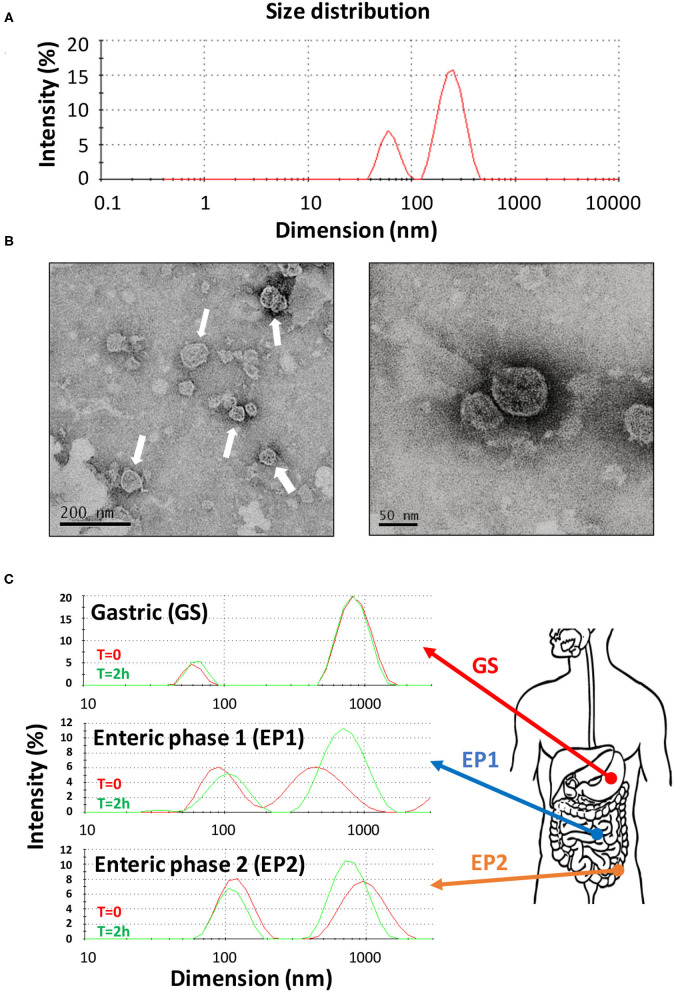
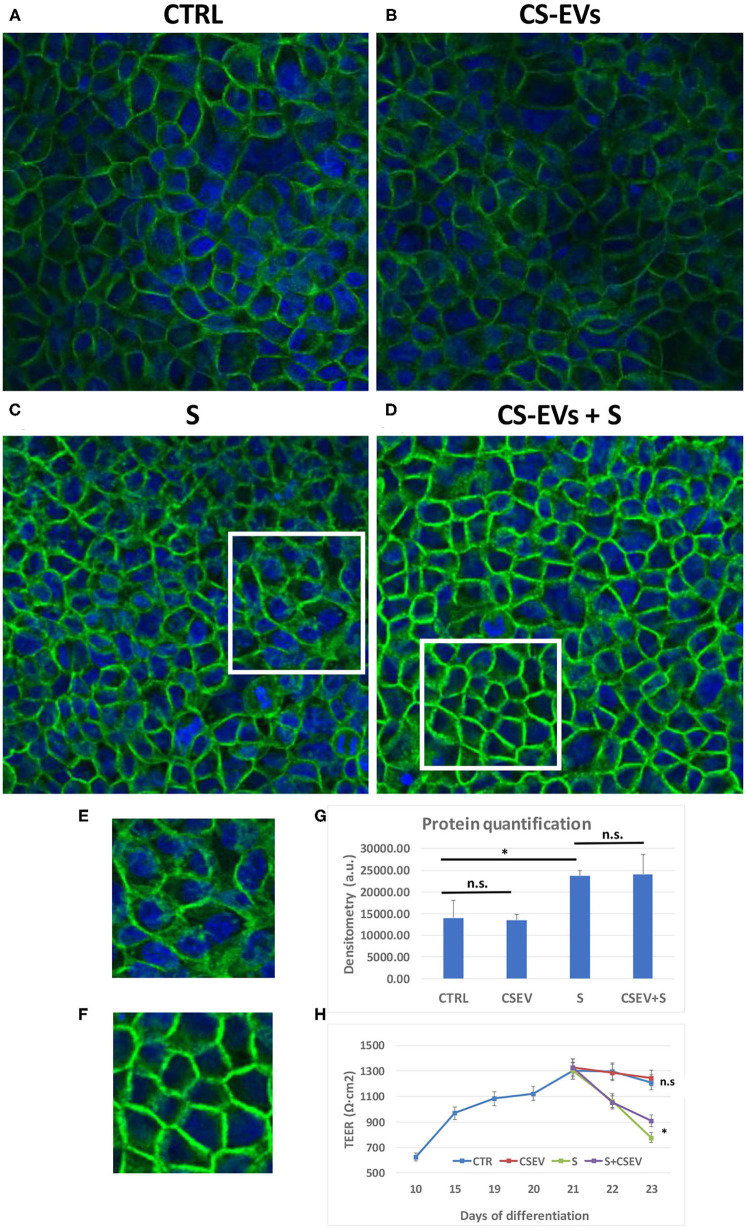
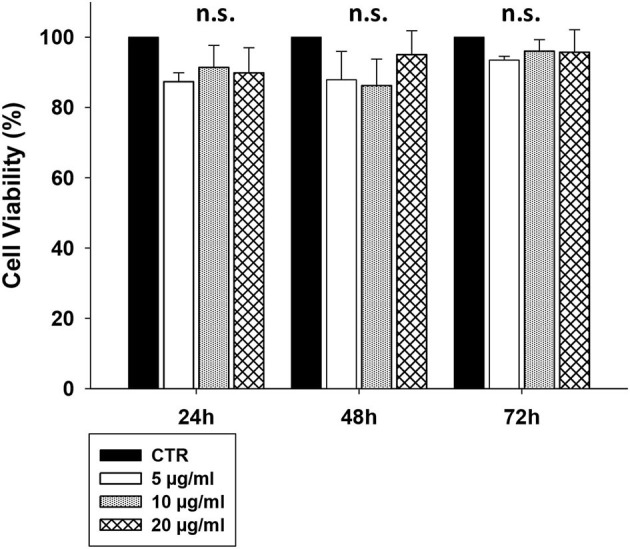
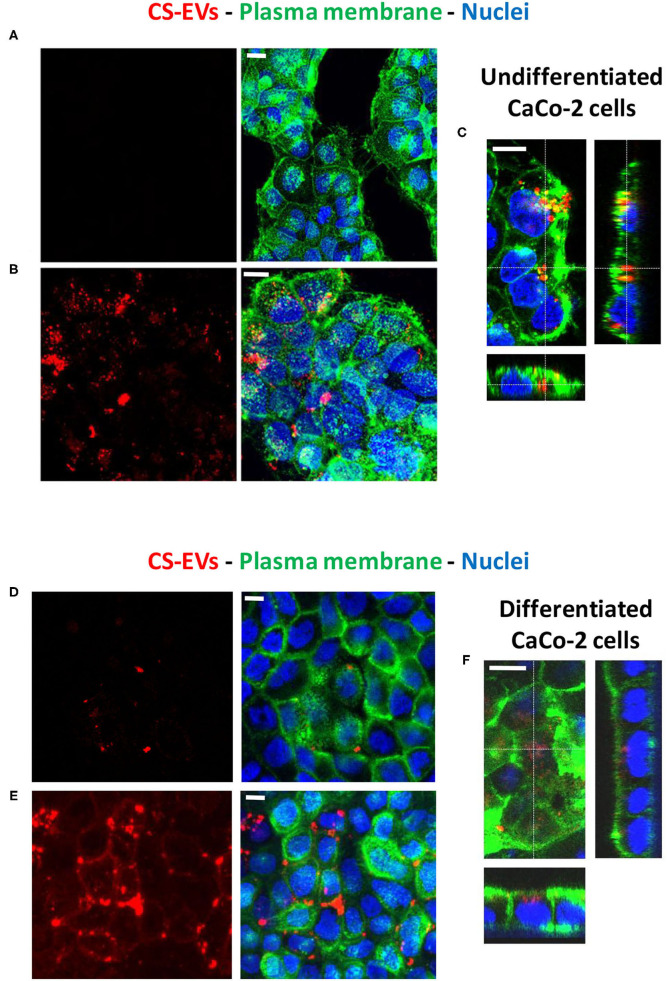
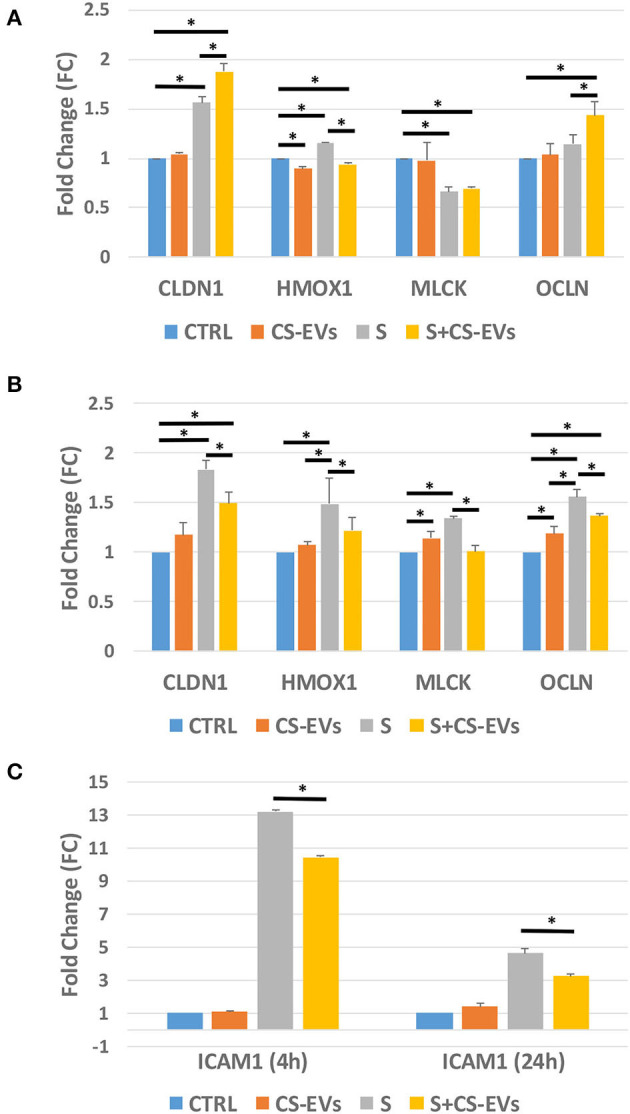
It is widely acknowledged that mammalian exosomes (or extracellular vesicles), have a key role in intercellular communication, owing to the presence of various bioactive molecules such as lipids, proteins, and microRNAs within their inner compartment. Most recently, the discovery of extracellular vesicles isolated from edible plants (such as vegetables and fruits) and their similarity in terms of size and content with exosomes has opened new perspectives on possible intercellular communication and regulation of important biological processes in which these vesicles are involved. It is also well-known that a balanced diet rich of fruits and vegetables (i.e., the Mediterranean diet) can contribute to maintain a "healthy gut" by preserving the intestinal epithelial barrier integrity and avoid that inflammatory stimuli that can alter homeostasis. In our study, we optimized a method to isolate extracellular vesicles from the orange juice (CS-EVs), and we characterized their morphology and behavior when in contact with the intestinal epithelium. We showed that CS-EVs are stable in a simulated gastrointestinal environment and are absorbed by intestinal cells without toxic effects, as expected. Furthermore, we demonstrated that CS-EVs can alter the gene expression of several genes involved in inflammation (i.e., and ) and tight junctions (i.e., , and ), contributing to limit inflammatory stimuli and restore a functional barrier by increasing the tight junction OCLN protein. Therefore, our study emphasizes the relevant role of fruit-derived extracellular vesicles in modulating important biological processes and maintaining a healthy intestinal epithelium, ultimately promoting human health and well-being.
人们普遍认为,哺乳动物外泌体(或细胞外囊泡)在细胞间通讯中起关键作用,这是因为其内部含有脂质、蛋白质和微小RNA等各种生物活性分子。最近,从可食用植物(如蔬菜和水果)中分离出的细胞外囊泡及其在大小和内容物方面与外泌体的相似性,为这些囊泡所涉及的细胞间通讯和重要生物过程的调节开辟了新的视角。众所周知,富含水果和蔬菜的均衡饮食(即地中海饮食)可以通过保持肠道上皮屏障的完整性来维持“健康的肠道”,并避免可能改变体内平衡的炎症刺激。在我们的研究中,我们优化了一种从橙汁中分离细胞外囊泡(CS-EVs)的方法,并对其与肠上皮接触时的形态和行为进行了表征。正如预期的那样,我们发现CS-EVs在模拟胃肠道环境中是稳定的,并且能被肠细胞吸收而无毒性作用。此外,我们证明CS-EVs可以改变几种参与炎症(即 和 )和紧密连接(即 、 和 )的基因的表达,通过增加紧密连接蛋白OCLN来限制炎症刺激并恢复功能性屏障。因此,我们的研究强调了水果来源的细胞外囊泡在调节重要生物过程和维持健康肠上皮方面的相关作用,最终促进人类健康和福祉。