Institute of Chemistry, University of Campinas, CP 6154, Campinas, São Paulo, Brazil.
Faculty of Pharmaceutical Sciences, University of Campinas, Campinas, São Paulo, Brazil.
mBio. 2021 Feb 9;12(1):e03393-20. doi: 10.1128/mBio.03393-20.
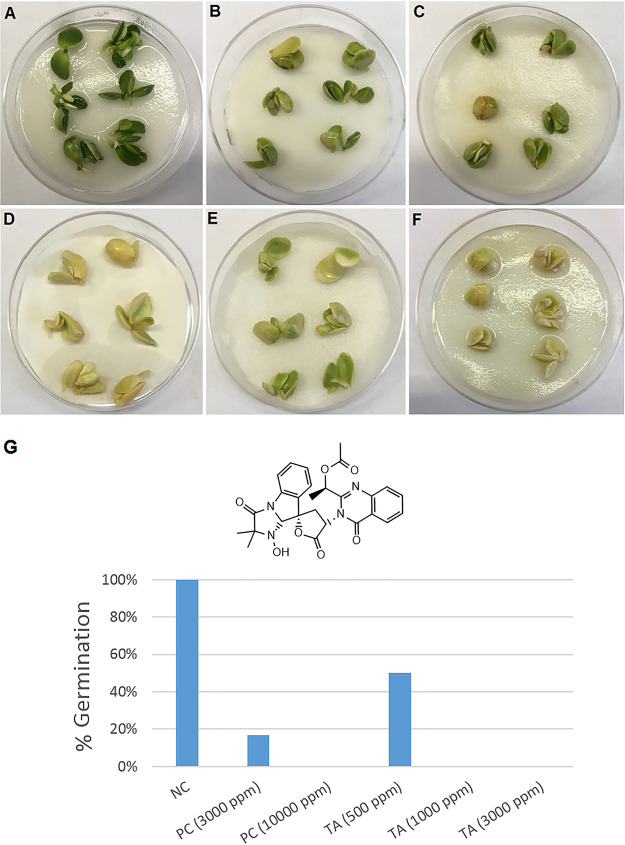
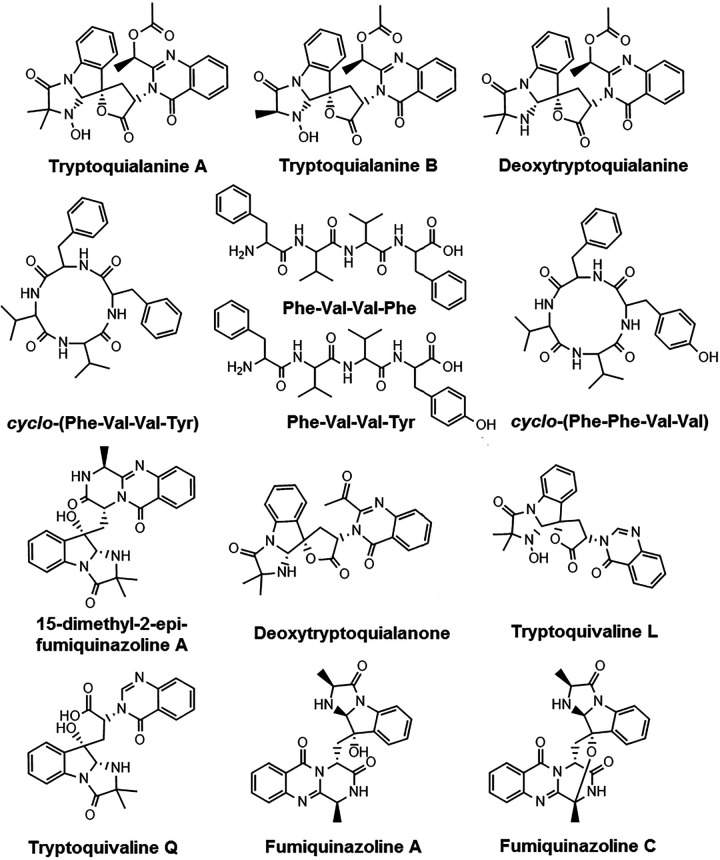
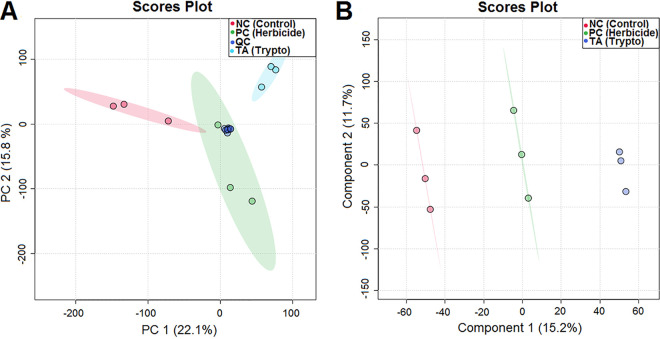
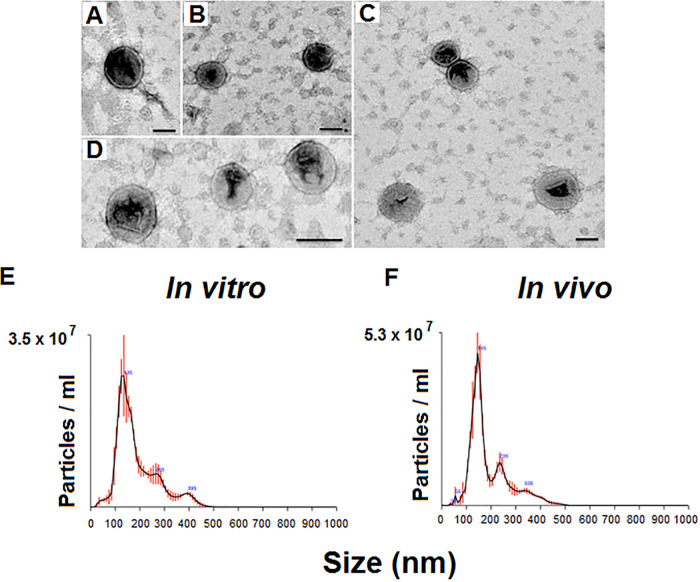
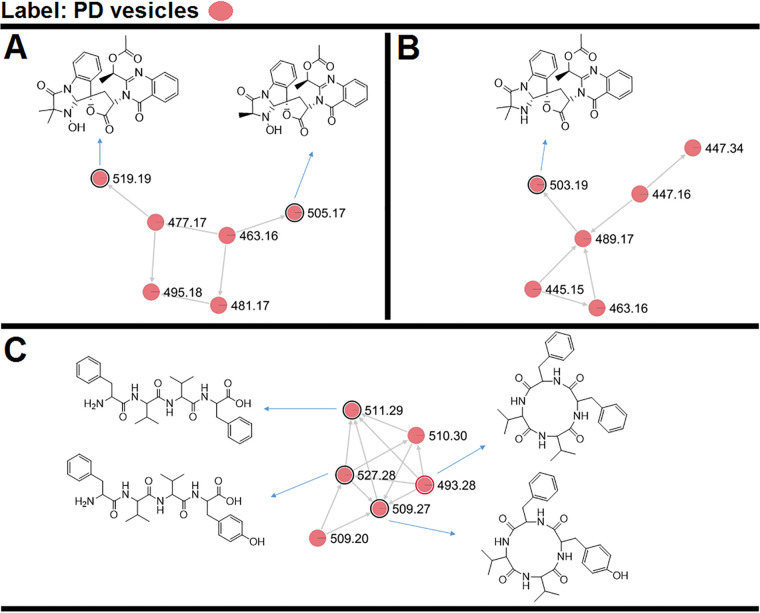
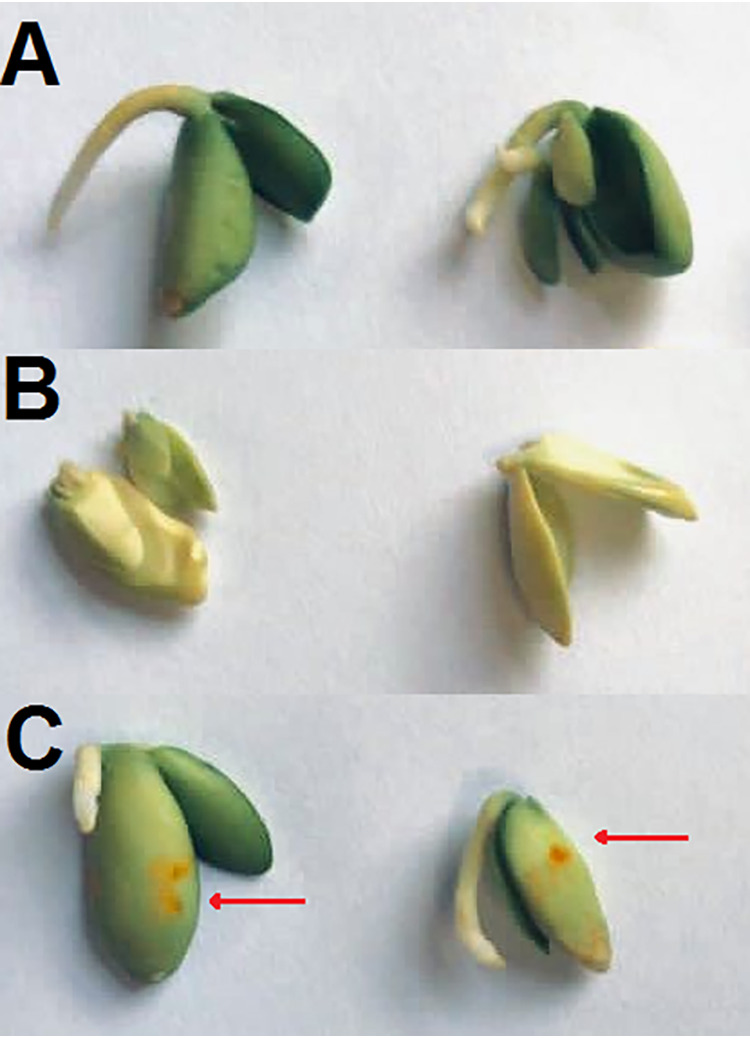
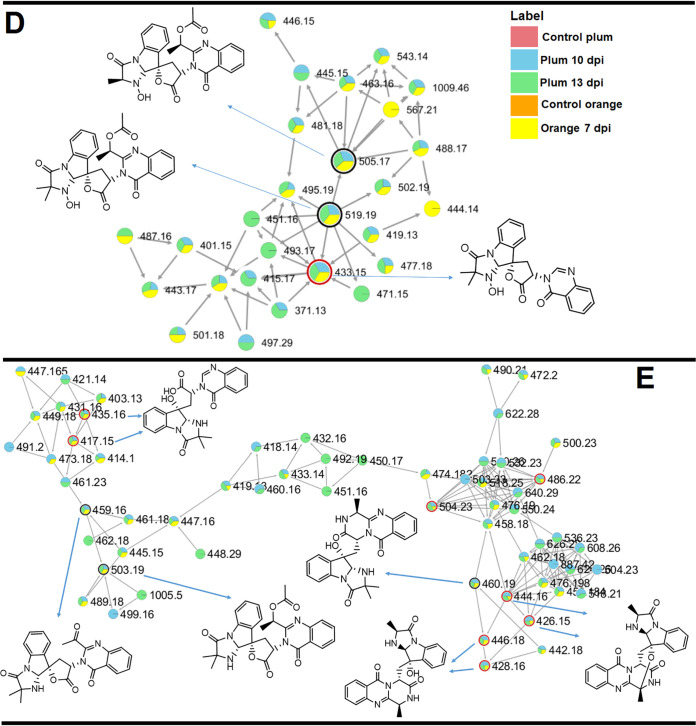
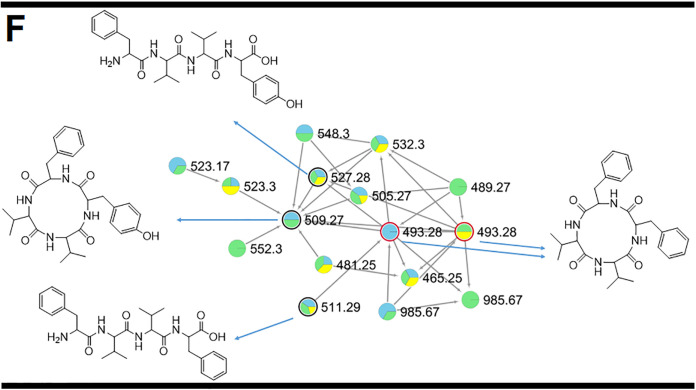
is the most aggressive pathogen of citrus fruits. Tryptoquialanines are major indole alkaloids produced by It is unknown if tryptoquialanines are involved in the damage of citrus fruits caused by To investigate the pathogenic roles of tryptoquialanines, we initially asked if tryptoquialanines could affect the germination of seeds. Exposure of the citrus seeds to tryptoquialanine A resulted in a complete inhibition of germination and an altered metabolic response. Since this phytotoxic effect requires the extracellular export of tryptoquialanine A, we investigated the mechanisms of extracellular delivery of this alkaloid in We detected extracellular vesicles (EVs) released by both in culture and during infection of citrus fruits. Compositional analysis of EVs produced during infection revealed the presence of a complex cargo, which included tryptoquialanines and the mycotoxin fungisporin. The EVs also presented phytotoxicity activity and caused damage to the tissues of citrus seeds. Through molecular networking, it was observed that the metabolites present in the EVs are produced in all of its possible hosts. Our results reveal a novel phytopathogenic role of EVs and tryptoquialanine A, implying that this alkaloid is exported in EVs during plant infection. During the postharvest period, citrus fruits can be affected by phytopathogens such as , which causes green mold disease and is responsible for up to 90% of total citrus losses. Chemical fungicides are widely used to prevent green mold disease, leading to concerns about environmental and health risks. To develop safer alternatives to control phytopathogens, it is necessary to understand the molecular basis of infection during the host-pathogen interaction. In the model, the virulence strategies are poorly known. Here, we describe the production of phytotoxic extracellular vesicles (EVs) by during the infection of citrus fruits. We also characterized the secondary metabolites in the cargo of EVs and found in this set of molecules an inhibitor of seed germination. Since EVs and secondary metabolites have been related to virulence mechanisms in other host-pathogen interactions, our data are important for the comprehension of how causes damage to its primary hosts.
是柑橘果实最具侵略性的病原体。色胺烷生物碱是 产生的主要吲哚生物碱。目前尚不清楚色胺烷生物碱是否参与了 对柑橘果实造成的损害。为了研究色胺烷生物碱的致病作用,我们最初询问色胺烷生物碱 A 是否会影响 种子的萌发。暴露于色胺烷生物碱 A 的柑橘种子导致完全抑制萌发和代谢反应改变。由于这种植物毒性效应需要色胺烷生物碱 A 的细胞外输出,因此我们研究了这种生物碱在 中的细胞外输送机制。我们检测到 在培养过程中和感染柑橘果实过程中释放的细胞外囊泡 (EVs)。感染过程中产生的 EVs 的组成分析表明存在复杂的货物,其中包括色胺烷生物碱和真菌毒素 fungisporin。EVs 还具有植物毒性活性,并导致柑橘种子组织受损。通过分子网络,观察到存在于 中的代谢物存在于其所有可能的宿主中。我们的结果揭示了 EVs 和色胺烷生物碱 A 的新的植物病原作用,这意味着该生物碱在植物感染过程中以 EVs 的形式输出。在采后期间,柑橘果实可能会受到 等植物病原体的影响,导致青霉病,造成柑橘总损失的 90%。化学杀菌剂被广泛用于预防青霉病,导致对环境和健康风险的担忧。为了开发更安全的替代品来控制植物病原体,有必要了解宿主-病原体相互作用过程中的分子基础。在 模型中,毒力策略知之甚少。在这里,我们描述了 在感染柑橘果实过程中产生植物毒性细胞外囊泡 (EVs)。我们还对 EVs 货物中的次生代谢物进行了表征,并在这组分子中发现了一种种子萌发抑制剂。由于 EVs 和次生代谢物与其他宿主-病原体相互作用中的毒力机制有关,因此我们的数据对于理解 如何对其主要宿主造成损害非常重要。