Liu Jingliang, Zhong Yifan, Luo Xin M, Ma Yanfei, Liu Jianxin, Wang Haifeng
College of Animal Science, Zhejiang University, The Key Laboratory of Molecular Animal Nutrition, Ministry of Education, Hangzhou, China.
Department of Biomedical Sciences and Pathobiology, Virginia Tech, Blacksburg, VA, United States.
Front Nutr. 2021 Nov 24;8:784681. doi: 10.3389/fnut.2021.784681. eCollection 2021.
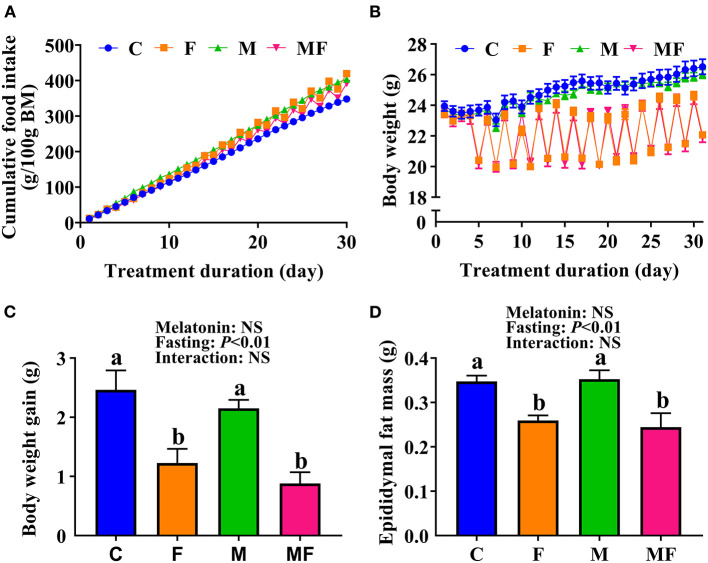
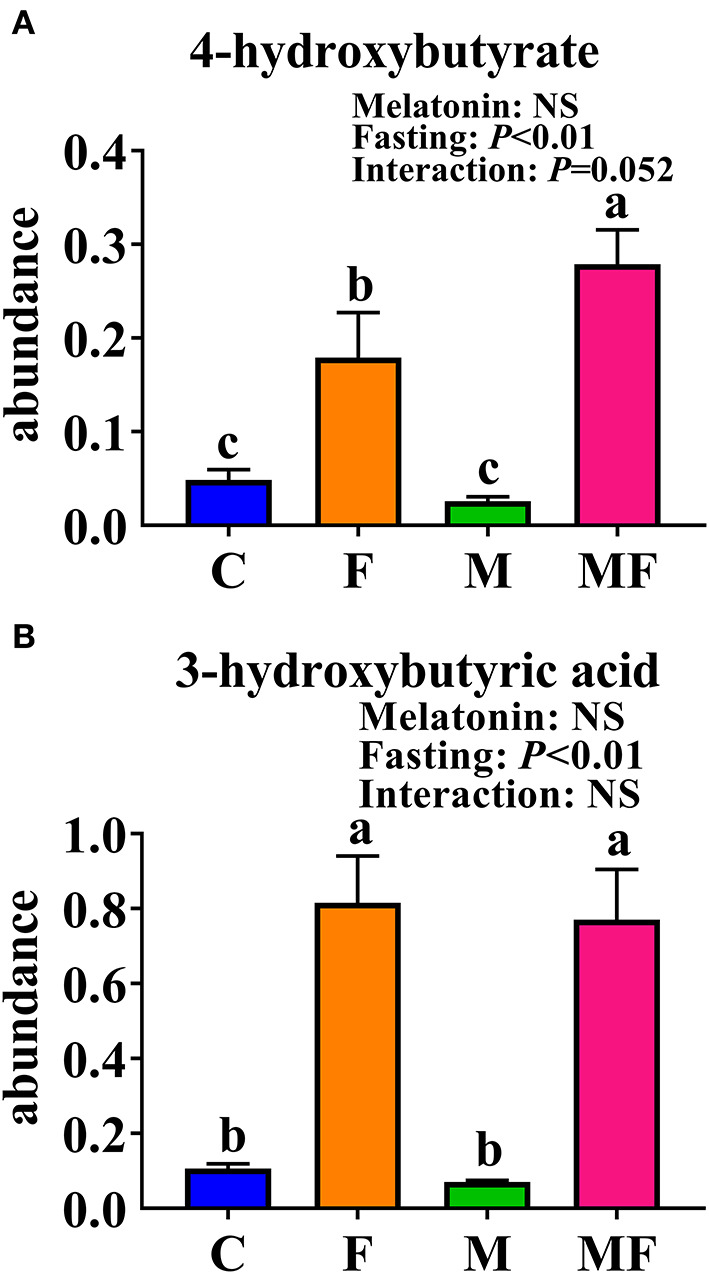
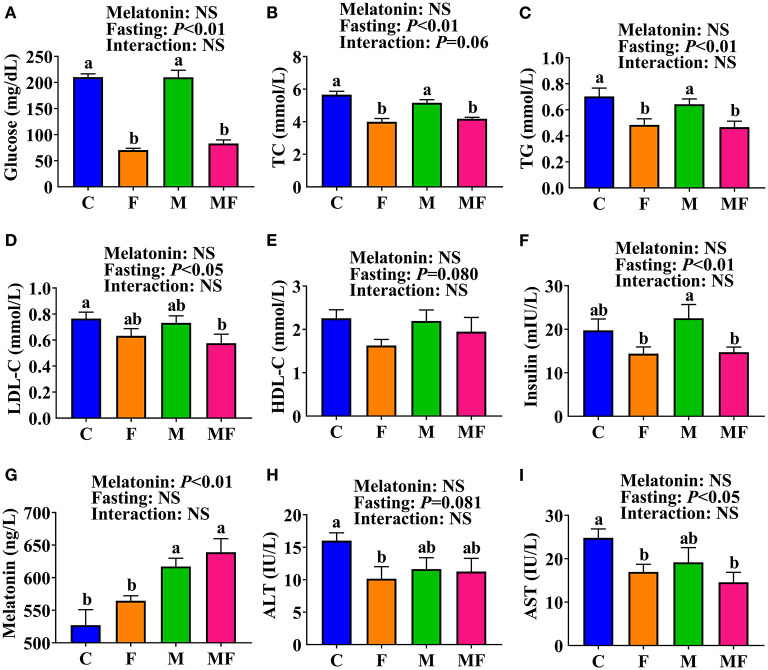
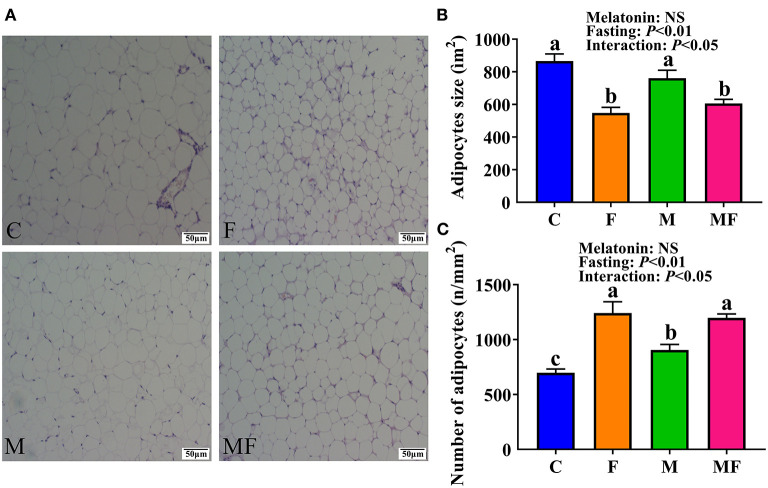
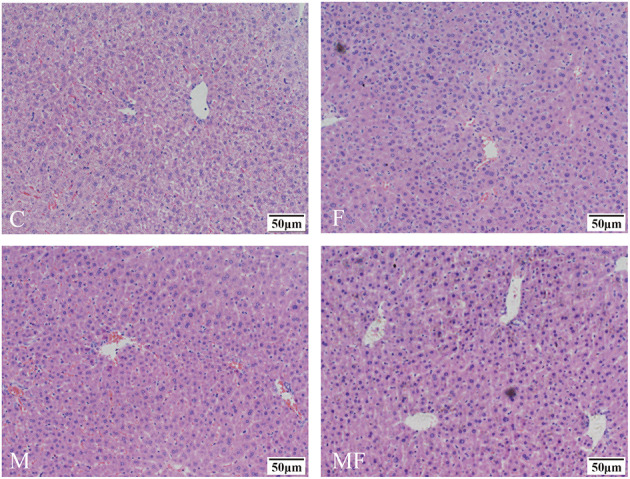
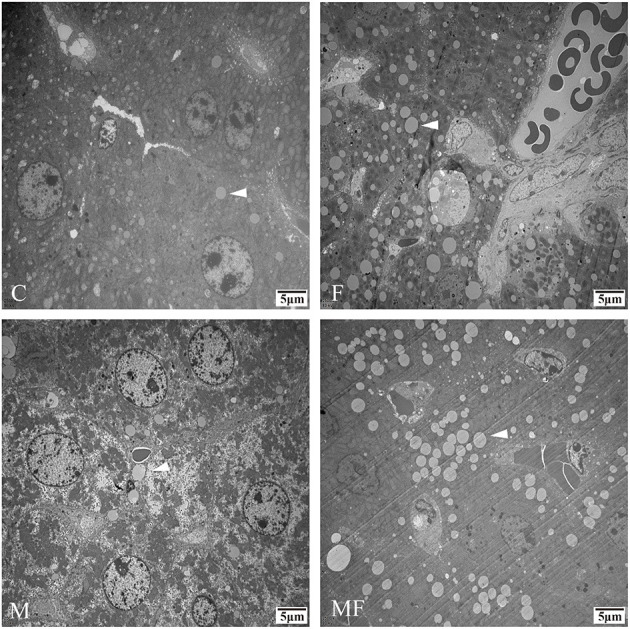
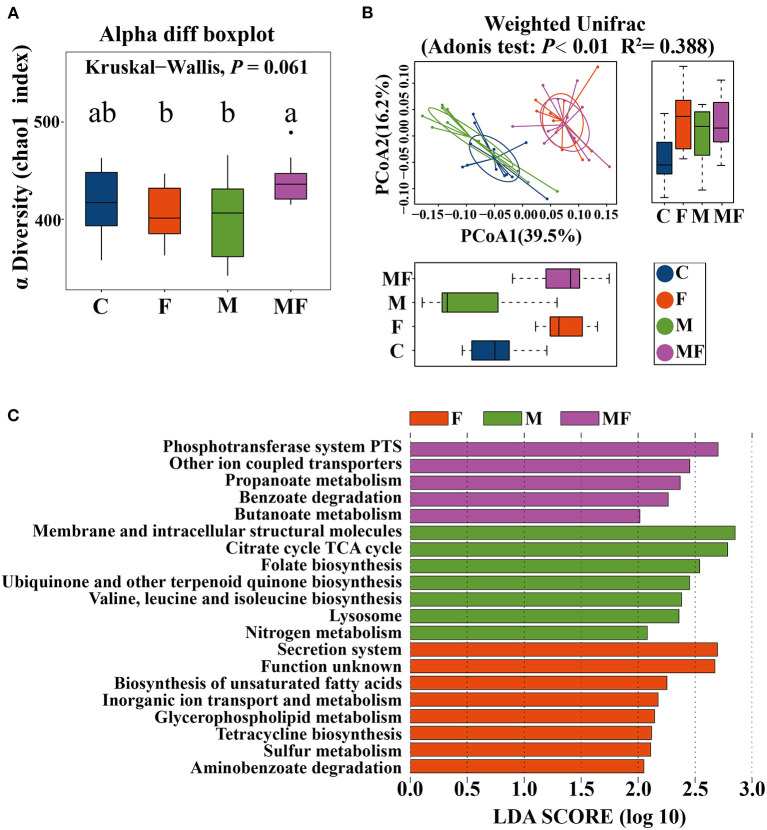
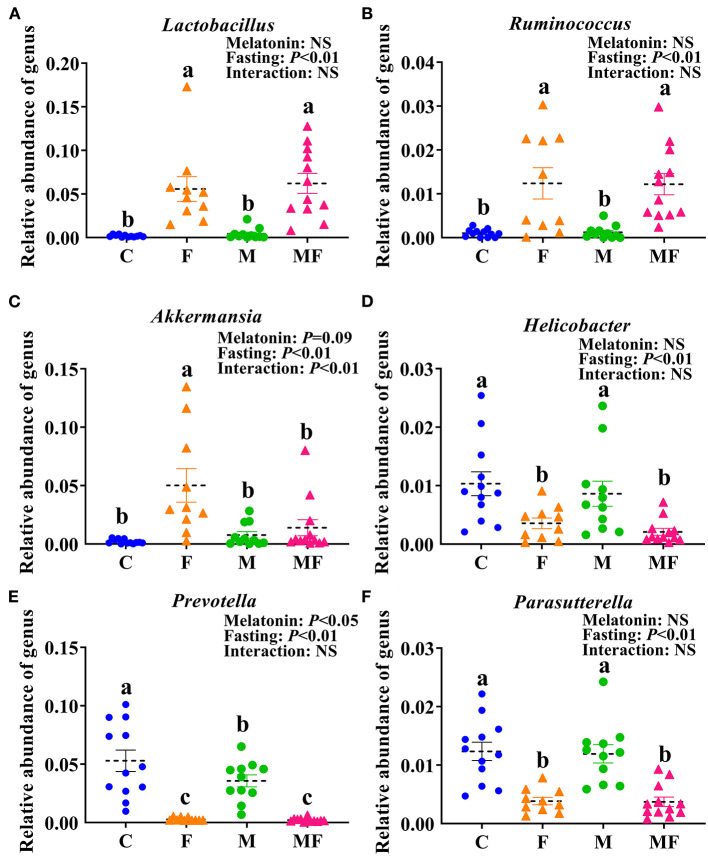
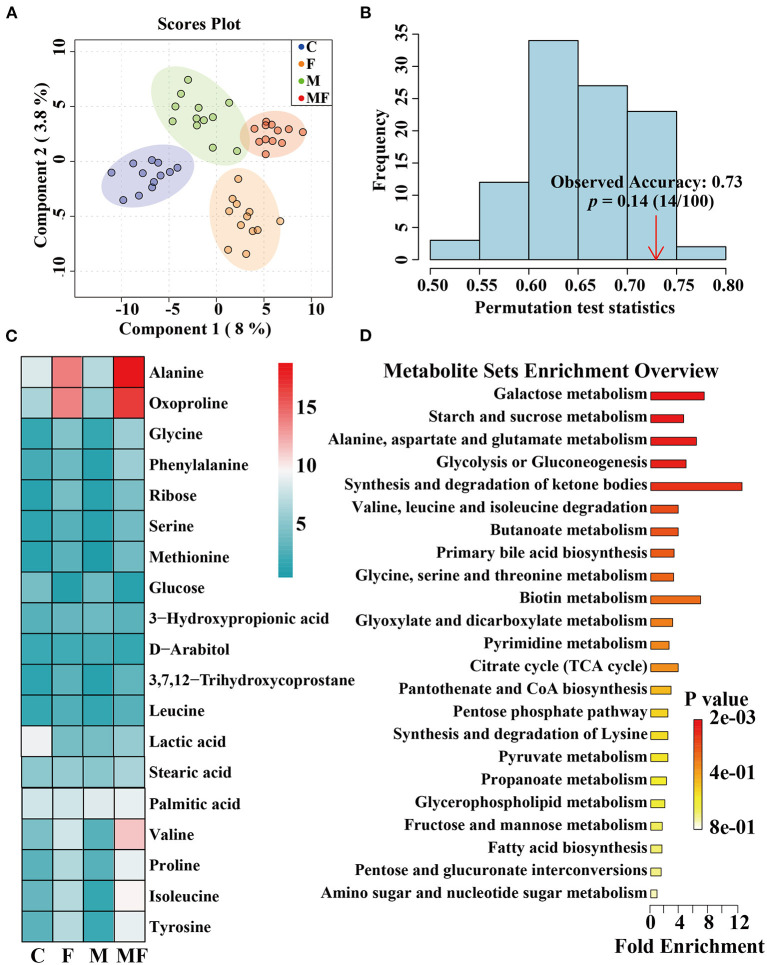
Intermittent fasting (IF) can reduce energy intake and body weight (BW). Melatonin has many known functions, which include reducing appetite and preventing excessive weight gain. This study aimed to investigate the effects of IF on body fat and the gut microbiota and metabolome as well as a potential interaction with melatonin. Male C57BL/6J mice (23.0 ± 0.9 g, 6 wk old) were randomly assigned into four groups (12 mice/group): control (C), intermittent fasting (F), melatonin (M), and intermittent fasting plus melatonin (MF). The C and M groups mice were provided with access to food and water, while the F and MF groups underwent alternative-day feed deprivation (15 cycles total). Melatonin was administered in the drinking water of the M and MF groups. Blood, epididymal fat, liver tissue, and intestinal tissue and contents were collected for lab measurements, histology, and microbiota and metabolome analysis. Main effects and interactions were tested by 2-factor ANOVA. IF significantly reduced BW gain and serum glucose, total cholesterol (TC) and triglyceride (TG) levels. Adipocyte size significantly decreased with IF, then the number of adipocytes per square millimeter significantly increased ( < 0.05). Compared to the C group, the M and MF groups had significantly higher serum melatonin levels (17 and 21%, respectively), although melatonin monotherapy had no effect on serum parameters and adipocytes. There was no interaction between IF and melatonin on BW gain and serum parameters except for on adipocyte area and number per square millimeter, and bacterial abundance, and the levels of the intestinal metabolites alanine, valine and isoleucine. IF changed the intestinal microbiota structure, with the F and MF groups clearly separating from the C and M groups. Metabolomic analysis showed that there was obvious separation between all four groups. IF, but neither melatonin nor the interaction between IF and melatonin, could alter intestinal microbiota and metabolism and prevent obesity by reducing BW gain, serum glucose, TC, and TG, and adipocyte size in mice.
间歇性禁食(IF)可以减少能量摄入和体重(BW)。褪黑素具有多种已知功能,包括降低食欲和防止体重过度增加。本研究旨在探讨间歇性禁食对体脂、肠道微生物群和代谢组的影响,以及与褪黑素的潜在相互作用。将雄性C57BL/6J小鼠(23.0±0.9克,6周龄)随机分为四组(每组12只小鼠):对照组(C)、间歇性禁食组(F)、褪黑素组(M)和间歇性禁食加褪黑素组(MF)。C组和M组小鼠可自由获取食物和水,而F组和MF组进行隔日禁食(共15个周期)。在M组和MF组的饮用水中添加褪黑素。收集血液、附睾脂肪、肝脏组织、肠道组织及内容物用于实验室测量、组织学检查以及微生物群和代谢组分析。通过双因素方差分析检验主要效应和相互作用。间歇性禁食显著降低了体重增加以及血清葡萄糖、总胆固醇(TC)和甘油三酯(TG)水平。间歇性禁食使脂肪细胞大小显著减小,随后每平方毫米的脂肪细胞数量显著增加(P<0.05)。与C组相比,M组和MF组的血清褪黑素水平显著更高(分别为17%和21%),尽管褪黑素单一疗法对血清参数和脂肪细胞没有影响。除了对脂肪细胞面积和每平方毫米数量、细菌丰度以及肠道代谢物丙氨酸、缬氨酸和异亮氨酸水平有影响外,间歇性禁食和褪黑素在体重增加和血清参数方面没有相互作用。间歇性禁食改变了肠道微生物群结构,F组和MF组与C组和M组明显分离。代谢组学分析表明,所有四组之间存在明显分离。间歇性禁食,但不是褪黑素,也不是间歇性禁食与褪黑素之间的相互作用,可以通过降低小鼠的体重增加、血清葡萄糖、TC和TG以及脂肪细胞大小来改变肠道微生物群和代谢并预防肥胖。