Md Shadab, Abdullah Samaa, Alhakamy Nabil A, Alharbi Waleed S, Ahmad Javed, Shaik Rasheed A, Ansari Mohammad Javed, Ibrahim Ibrahim M, Ali Javed
Department of Pharmaceutics, Faculty of Pharmacy, King Abdulaziz University, Jeddah 21589, Saudi Arabia.
Center of Excellence for Drug Research & Pharmaceutical Industries, King Abdulaziz University, Jeddah 21589, Saudi Arabia.
Gels. 2021 Dec 20;7(4):276. doi: 10.3390/gels7040276.
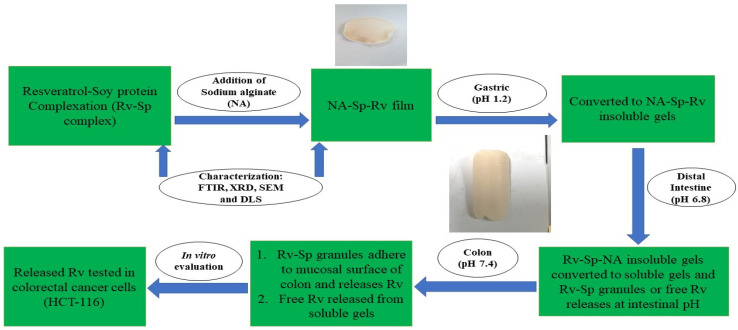
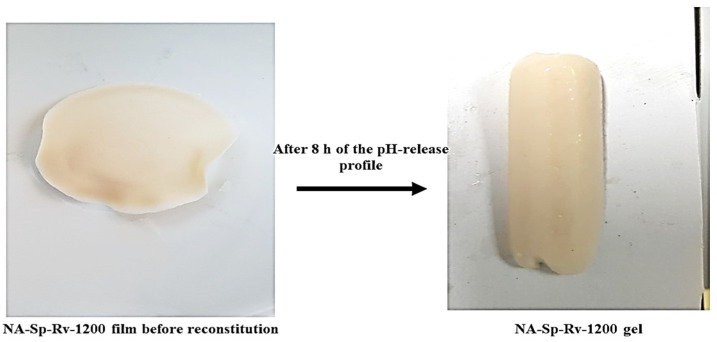
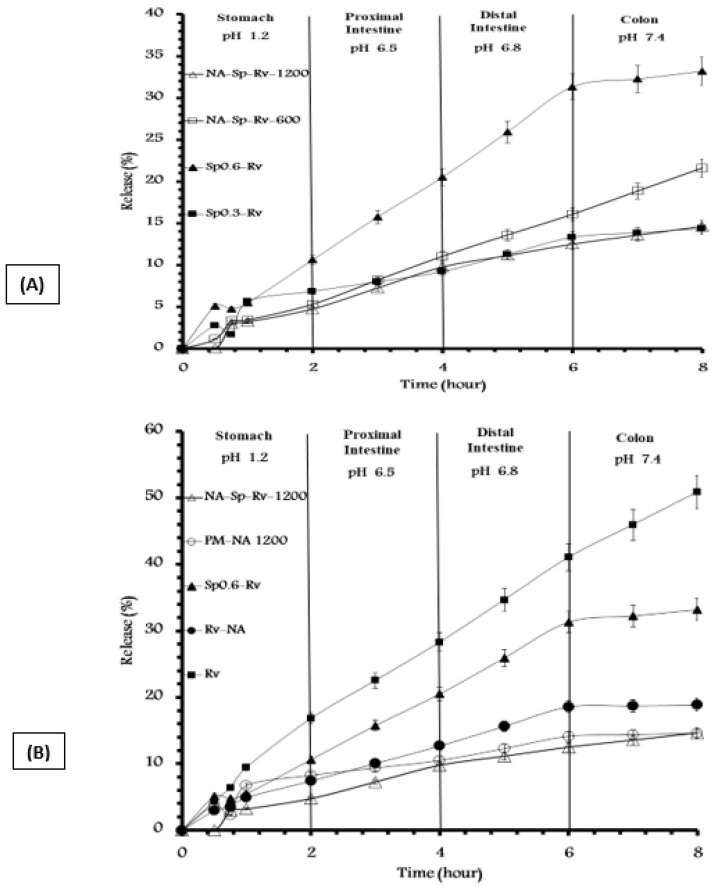
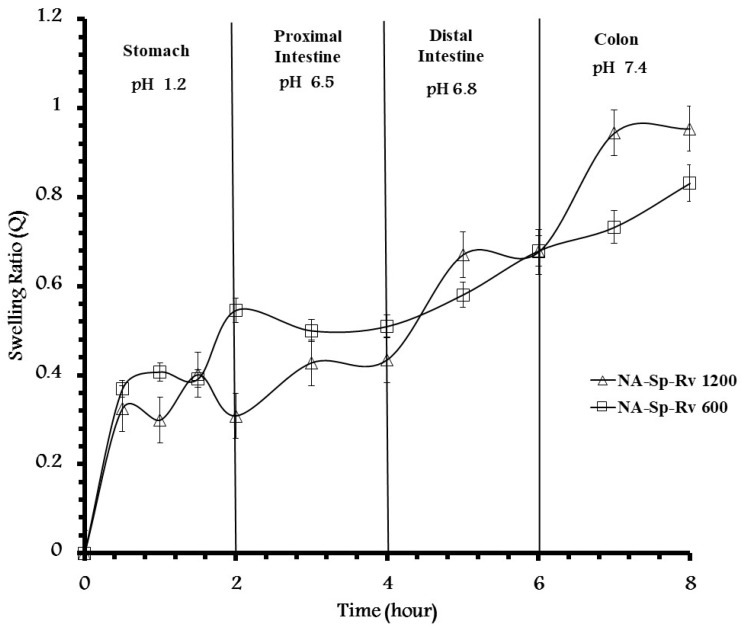
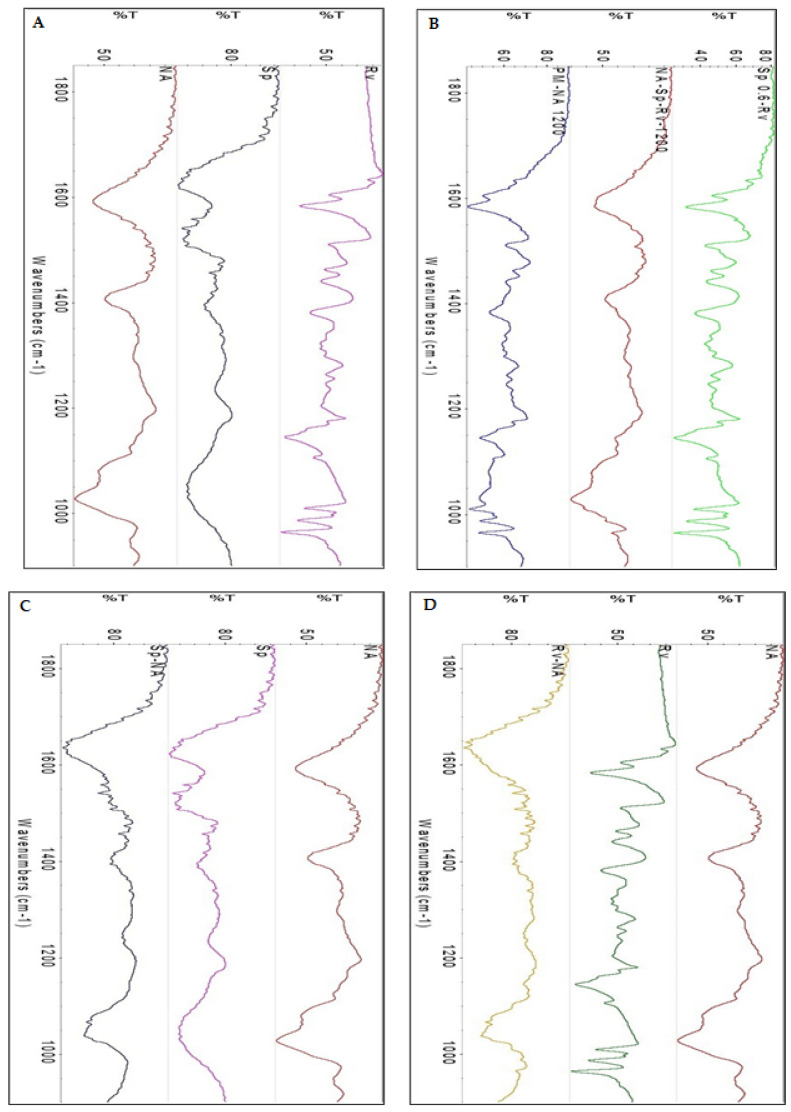
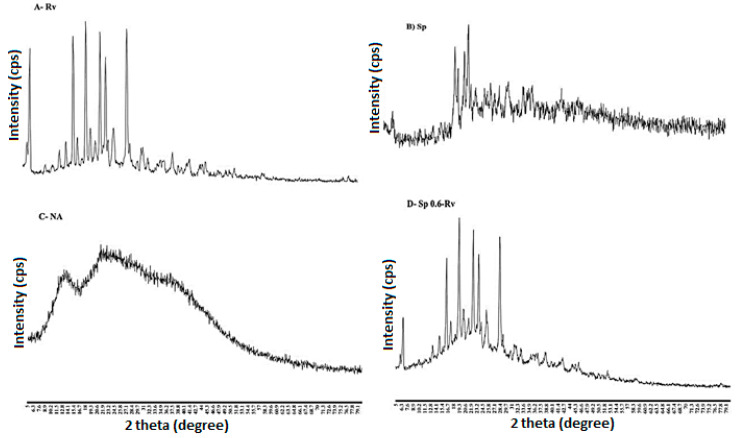
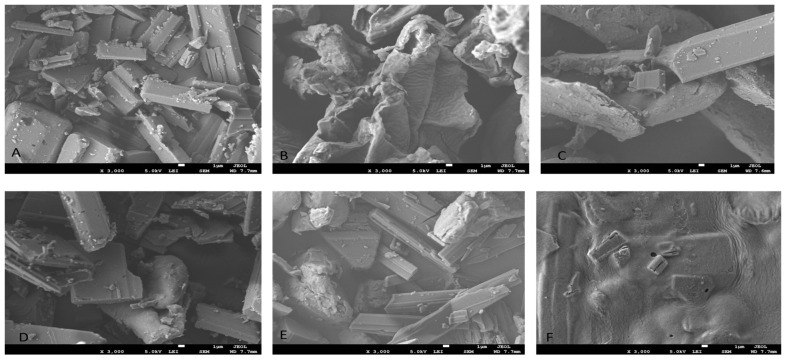
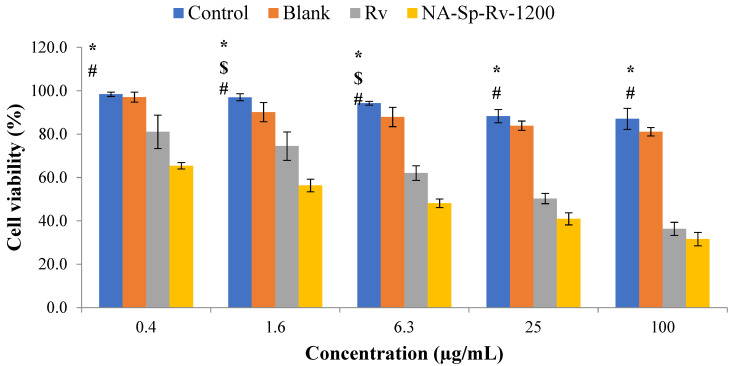
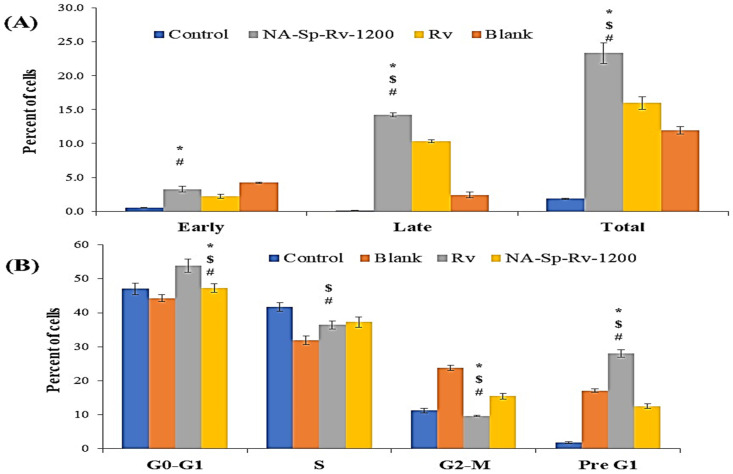
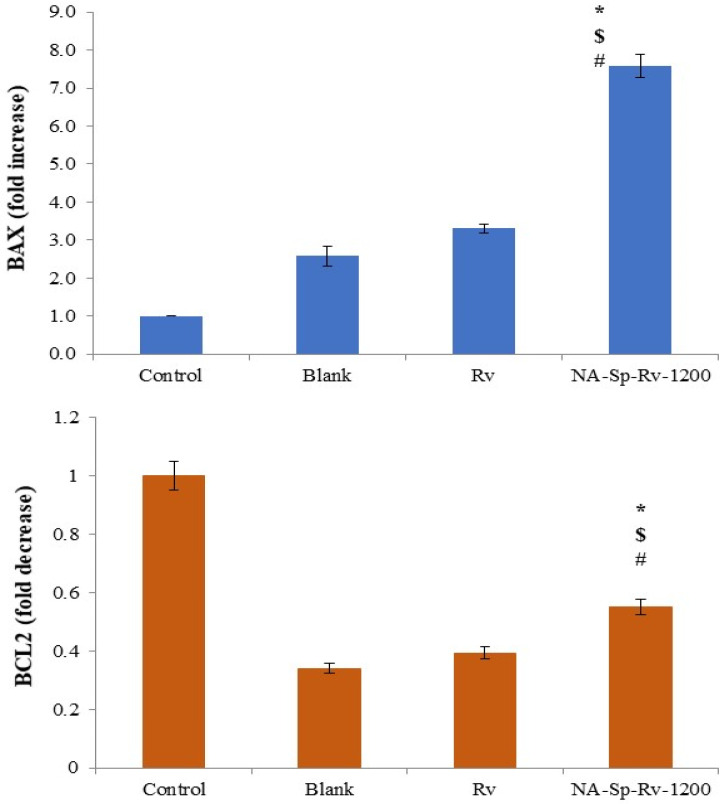
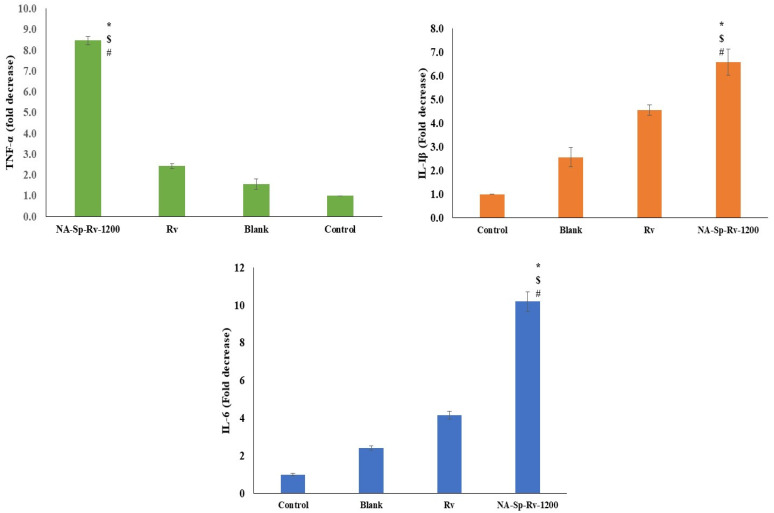
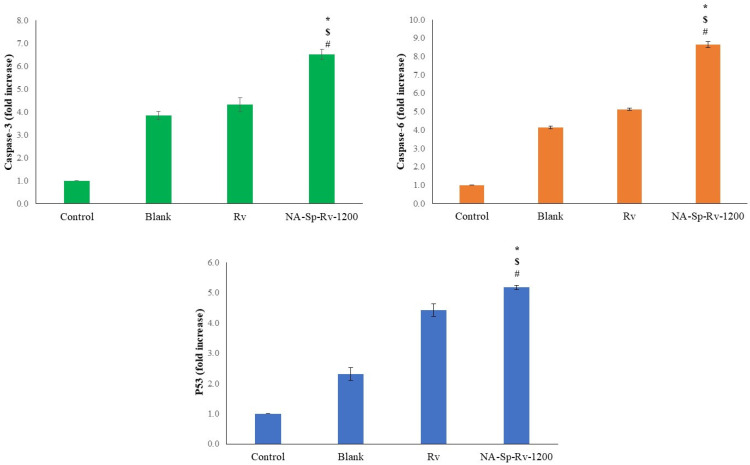
This study aimed to develop and evaluate sustained-release (SR) long-acting oral nanocomposites in-situ gelling films of resveratrol (Rv) to treat colorectal cancer. In these formulations, Rv-Soy protein (Rv-Sp) wet granules were prepared by the kneading method and then encapsulated in the sodium alginate (NA) dry films. The prepared nanocomposite in-situ gels films were characterized using dynamic light scattering, Fourier-transform infrared spectroscopy, X-ray diffraction, and scanning electron microscopy. The optimized formulations were further evaluated based on drug encapsulation efficiency, pH-drug release profile, swelling study, and storage time effects. The optimized formulation was tested for its anticancer activity against colorectal cancer cells using the cytotoxicity assessment, apoptosis testing, cell cycle analysis, gene expression analysis, and protein estimation by the reverse-transcriptase polymerase chain reaction and enzyme-linked immunosorbent assay methods, respectively. The optimum film showed encapsulation efficiency of 97.87% ± 0.51 and drug release of 14.45% ± 0.043 after 8 h. All physiochemical characterizations confirmed, reasoned, and supported the drug release experiment's findings and the encapsulation assay. The Rv nanocomposite formulation showed concentration-dependent cytotoxicity enhanced apoptotic activity as compared to free Rv ( < 0.05). In addition, Rv nanocomposite formulation caused a significant increase in Bcl-2-associated protein X () and a decrease in expression of B-cell lymphoma 2, interleukin 1 beta, IL-6, and tumor necrosis factor-alpha (, , , and respectively) compared to that of free Rv in HCT-116 cells. These results suggest that long-acting Rv nanocomposite gels could be a promising agent for colorectal cancer treatment.
本研究旨在开发并评估白藜芦醇(Rv)的缓释长效口服纳米复合原位凝胶膜用于治疗结直肠癌。在这些制剂中,通过捏合法制备Rv-大豆蛋白(Rv-Sp)湿颗粒,然后将其包封于海藻酸钠(NA)干膜中。使用动态光散射、傅里叶变换红外光谱、X射线衍射和扫描电子显微镜对制备的纳米复合原位凝胶膜进行表征。基于药物包封效率、pH-药物释放曲线、溶胀研究和储存时间影响,对优化后的制剂进行进一步评估。分别使用细胞毒性评估、凋亡检测、细胞周期分析、基因表达分析以及逆转录酶聚合酶链反应和酶联免疫吸附测定法对蛋白质进行评估,测试优化后的制剂对结肠癌细胞的抗癌活性。最佳膜在8小时后的包封效率为97.87%±0.51,药物释放率为14.45%±0.043。所有理化表征均证实、推理并支持了药物释放实验的结果和包封测定。与游离Rv相比,Rv纳米复合制剂表现出浓度依赖性细胞毒性增强的凋亡活性(P<0.05)。此外,与HCT-116细胞中的游离Rv相比,Rv纳米复合制剂导致Bcl-2相关蛋白X(Bax)显著增加,而B细胞淋巴瘤2、白细胞介素1β、IL-6和肿瘤坏死因子-α(分别为Bcl-2、IL-1β、IL-6和TNF-α)的表达降低。这些结果表明,长效Rv纳米复合凝胶可能是一种有前景的结直肠癌治疗药物。