Research Centre of Life Science and Healthcare, China Beacons Institute, University of Nottingham Ningbo China, 199 Taikang East Road, Ningbo 315100, Zhejiang, China.
Department of Mechanical, Materials and Manufacturing Engineering, University of Nottingham Ningbo China, 199 Taikang East Road, Ningbo 315100, Zhejiang, China.
Ultrason Sonochem. 2022 Jan;82:105887. doi: 10.1016/j.ultsonch.2021.105887. Epub 2021 Dec 22.
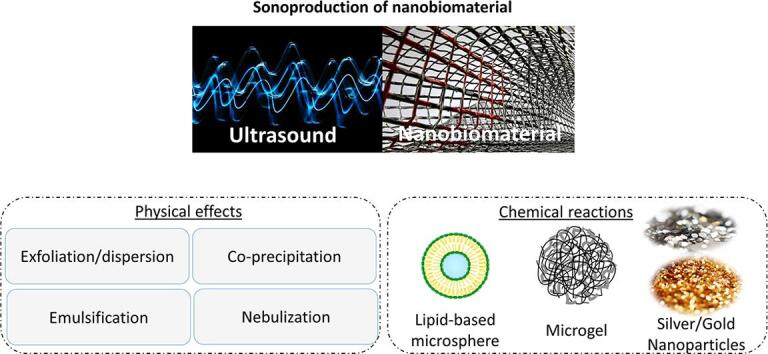
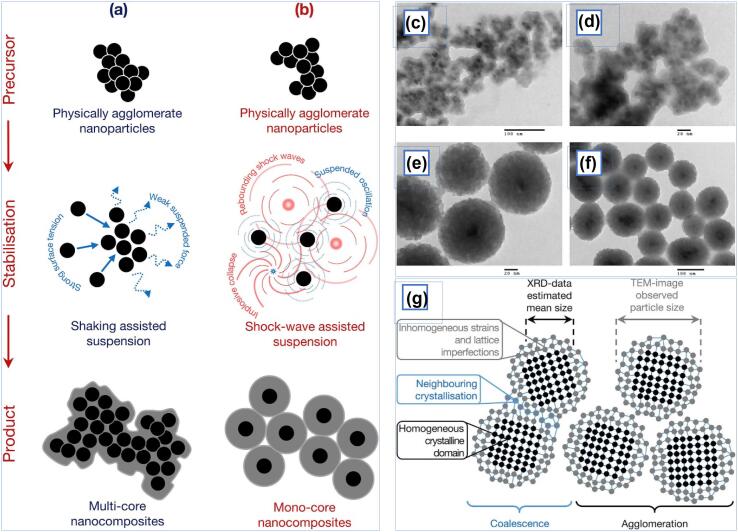
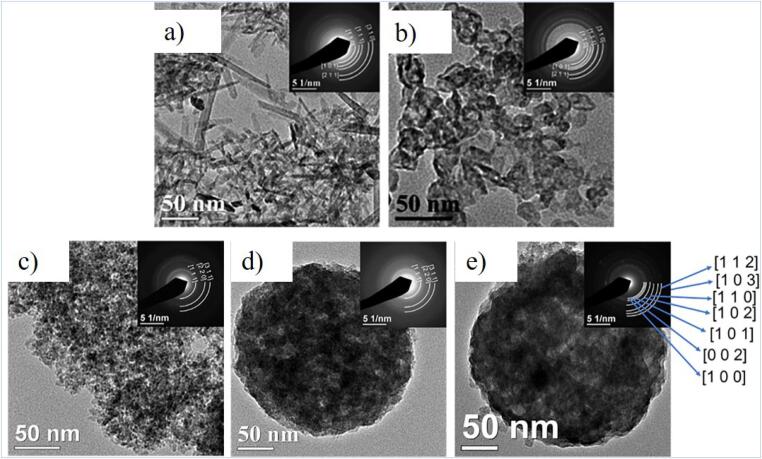
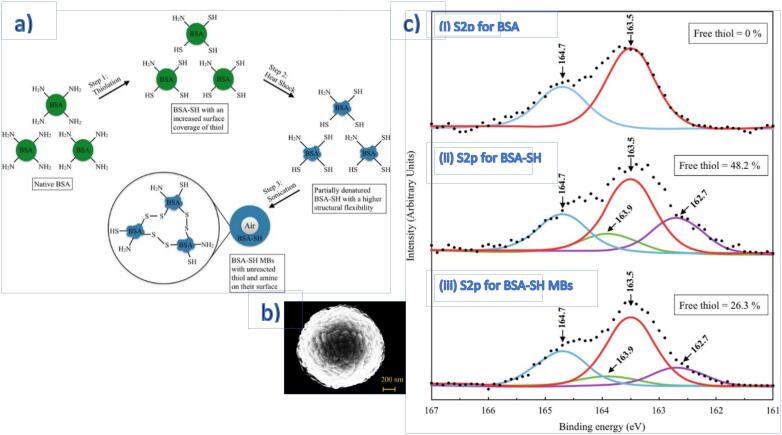
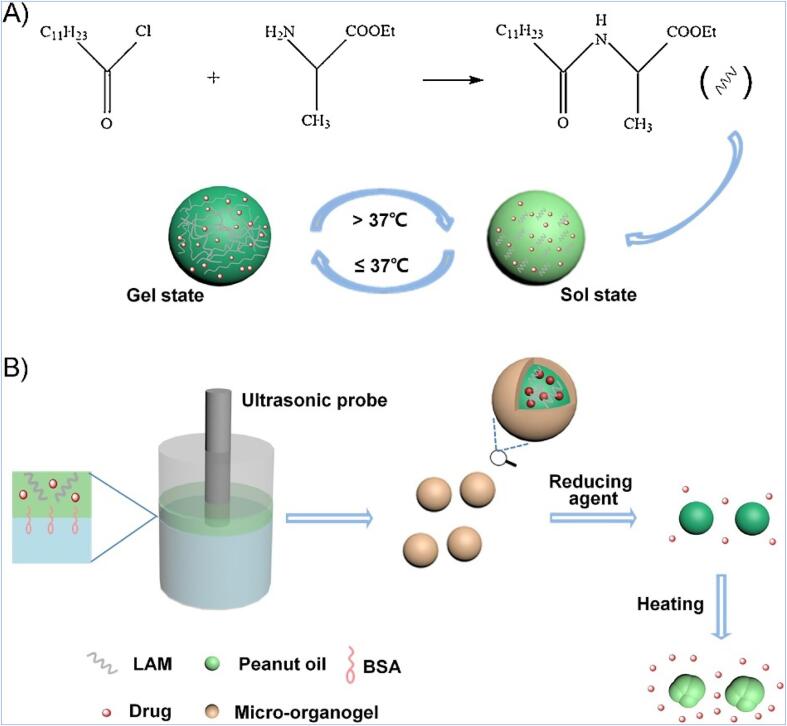
Ultrasound (US) demonstrates remarkable potential in synthesising nanomaterials, particularly nanobiomaterials targeted towards biomedical applications. This review briefly introduces existing top-down and bottom-up approaches for nanomaterials synthesis and their corresponding synthesis mechanisms, followed by the expounding of US-driven nanomaterials synthesis. Subsequently, the pros and cons of sono-nanotechnology and its advances in the synthesis of nanobiomaterials are drawn based on recent works. US-synthesised nanobiomaterials have improved properties and performance over conventional synthesis methods and most essentially eliminate the need for harsh and expensive chemicals. The sonoproduction of different classes and types of nanobiomaterials such as metal and superparamagnetic nanoparticles (NPs), lipid- and carbohydrate-based NPs, protein microspheres, microgels and other nanocomposites are broadly categorised based on the physical and/or chemical effects induced by US. This review ends on a good note and recognises US-driven synthesis as a pragmatic solution to satisfy the growing demand for nanobiomaterials, nonetheless some technical challenges are highlighted.
超声(US)在合成纳米材料方面展现出了显著的潜力,尤其是针对生物医学应用的纳米生物材料。本文简要介绍了现有的自上而下和自下而上的纳米材料合成方法及其相应的合成机制,随后阐述了超声驱动的纳米材料合成。接下来,根据最近的研究工作,讨论了声纳纳米技术的优缺点及其在纳米生物材料合成方面的进展。与传统的合成方法相比,超声合成的纳米生物材料具有更好的性能和性能,最重要的是消除了对苛刻和昂贵化学品的需求。基于超声诱导的物理和/或化学效应,广泛地对不同类型和类型的纳米生物材料(如金属和超顺磁纳米粒子(NPs)、脂质和碳水化合物基 NPs、蛋白质微球、微凝胶和其他纳米复合材料)进行了分类。本文以积极的态度结束,并认识到超声驱动的合成是满足对纳米生物材料日益增长的需求的一种实用解决方案,但也强调了一些技术挑战。