College of Medicine and Biological Information Engineering, Northeastern University, Shenyang, China; Key Laboratory of Intelligent Computing in Medical Image, Ministry of Education, Northeastern University, Shenyang, China.
College of Medicine and Biological Information Engineering, Northeastern University, Shenyang, China.
Comput Biol Med. 2022 Feb;141:105182. doi: 10.1016/j.compbiomed.2021.105182. Epub 2021 Dec 29.
Chest computed tomography (CT) is crucial in the diagnosis of coronavirus disease 2019 (COVID-19). However, the persistent pandemic and similar CT manifestations between COVID-19 and community-acquired pneumonia (CAP) raise methodological requirements.
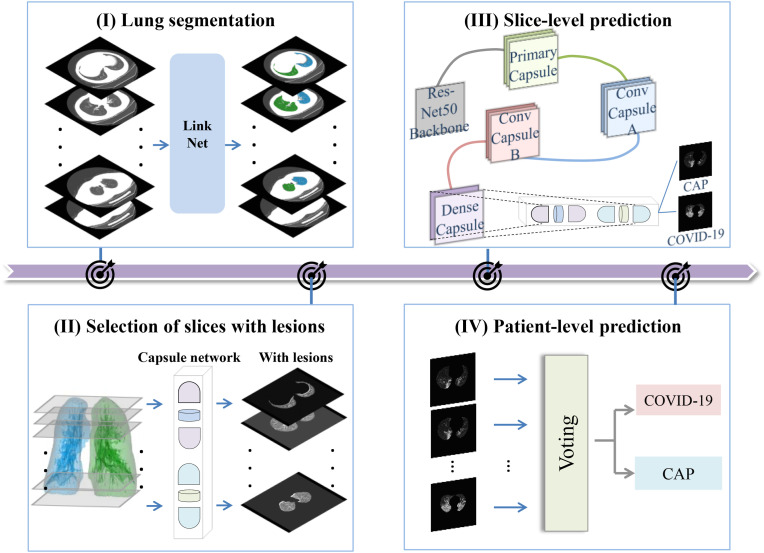
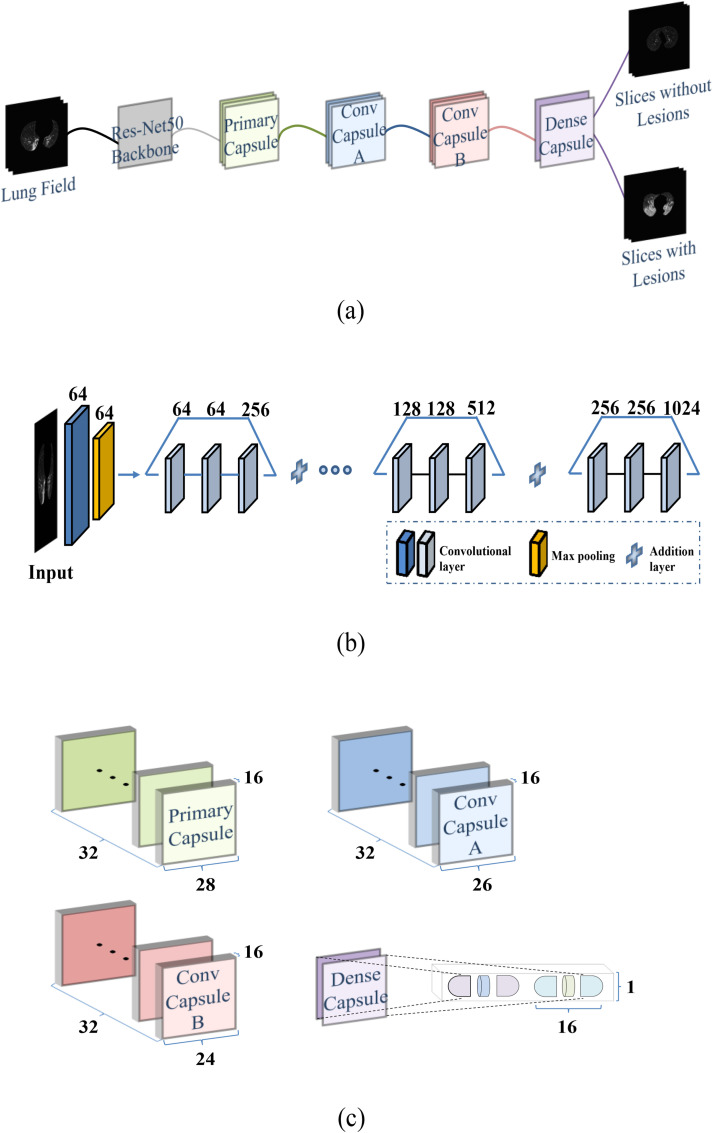
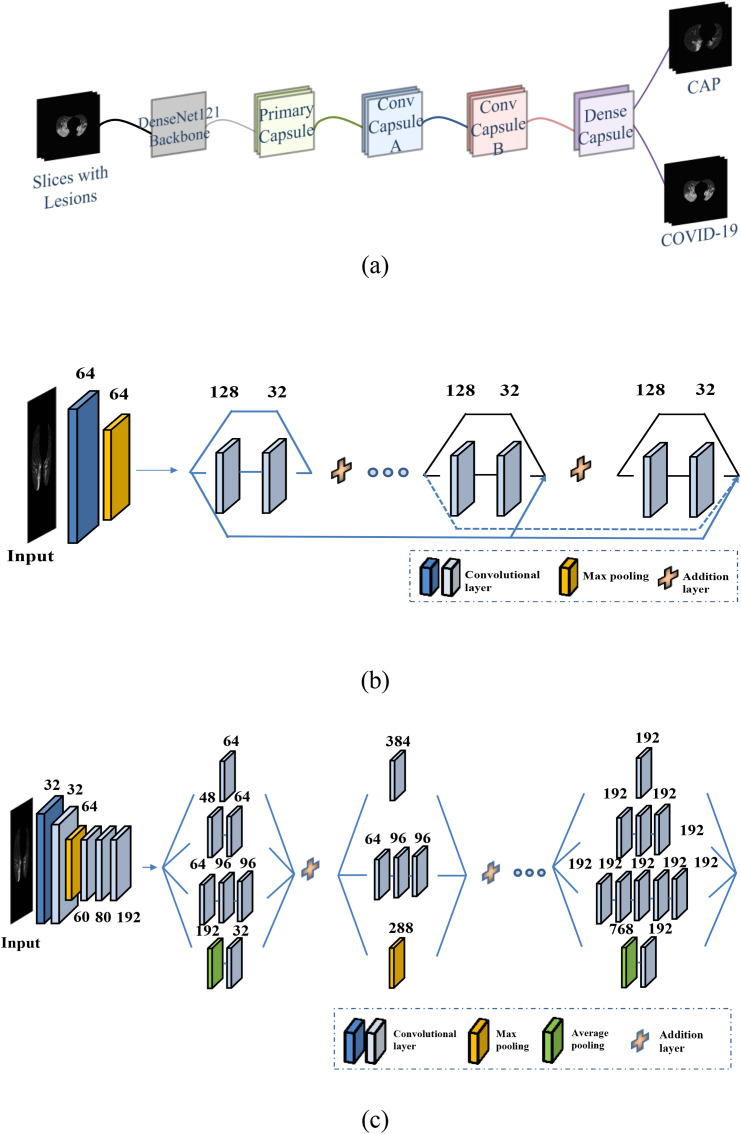
A fully automatic pipeline of deep learning is proposed for distinguishing COVID-19 from CAP using CT images. Inspired by the diagnostic process of radiologists, the pipeline comprises four connected modules for lung segmentation, selection of slices with lesions, slice-level prediction, and patient-level prediction. The roles of the first and second modules and the effectiveness of the capsule network for slice-level prediction were investigated. A dataset of 326 CT scans was collected to train and test the pipeline. Another public dataset of 110 patients was used to evaluate the generalization capability.
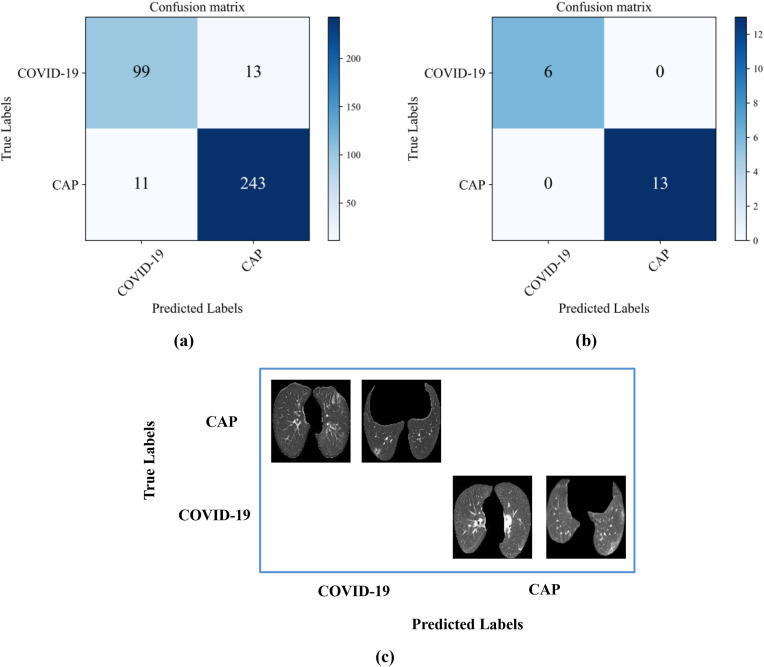
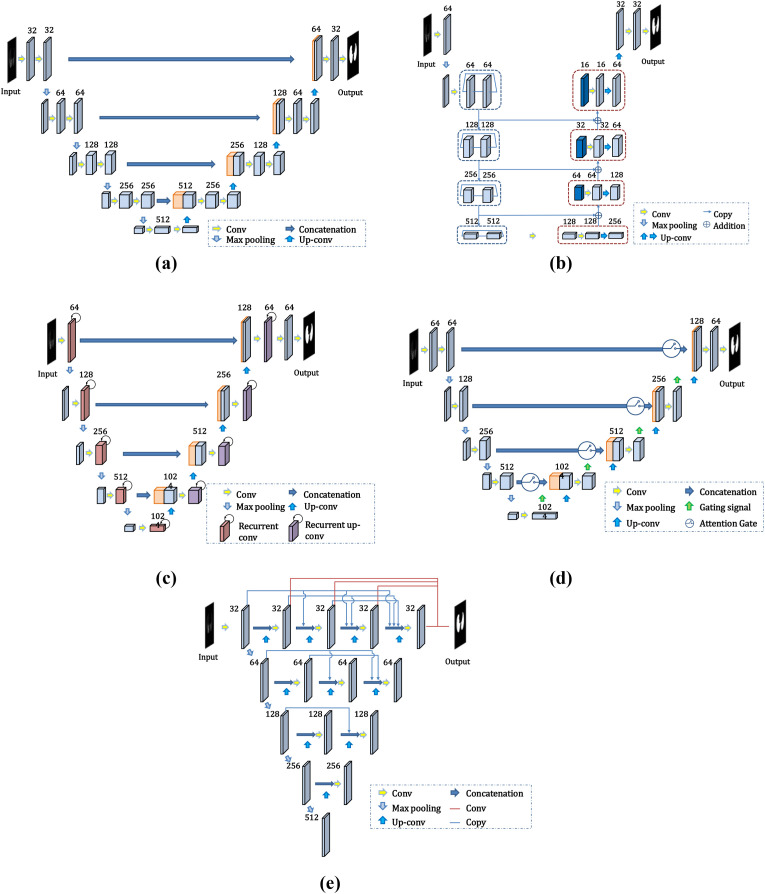
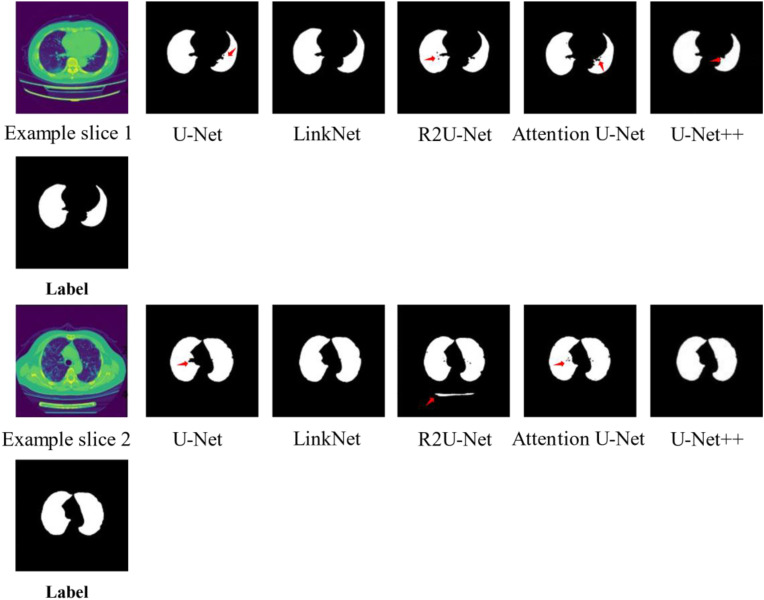
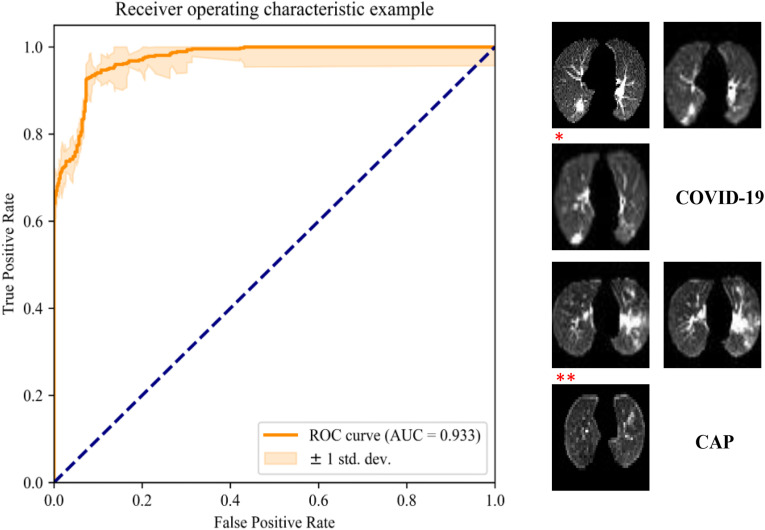
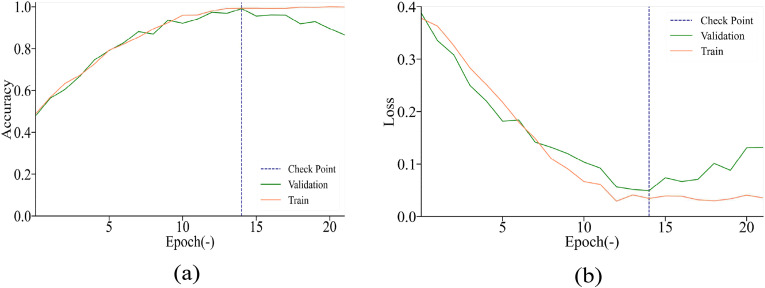
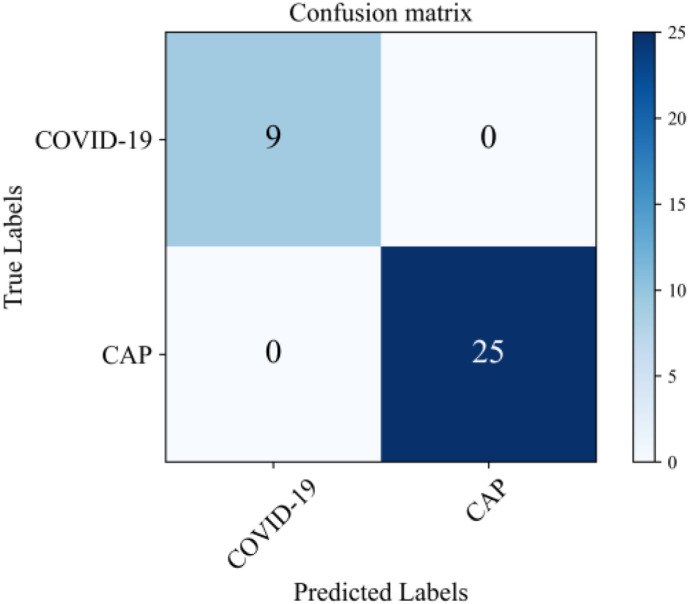
LinkNet exhibited the largest intersection over union (0.967) and Dice coefficient (0.983) for lung segmentation. For the selection of slices with lesions, the capsule network with the ResNet50 block achieved an accuracy of 92.5% and an area under the curve (AUC) of 0.933. The capsule network using the DenseNet121 block demonstrated better performance for slice-level prediction, with an accuracy of 97.1% and AUC of 0.992. For both datasets, the prediction accuracy of our pipeline was 100% at the patient level.
The proposed fully automatic deep learning pipeline of deep learning can distinguish COVID-19 from CAP via CT images rapidly and accurately, thereby accelerating diagnosis and augmenting the performance of radiologists. This pipeline is convenient for use by radiologists and provides explainable predictions.
胸部计算机断层扫描(CT)在 2019 年冠状病毒病(COVID-19)的诊断中至关重要。然而,COVID-19 与社区获得性肺炎(CAP)之间持续的大流行和类似的 CT 表现提出了方法学要求。
提出了一种使用 CT 图像区分 COVID-19 和 CAP 的深度学习全自动流水线。受放射科医生诊断过程的启发,该流水线由四个连接的模块组成,用于肺部分割、病变切片选择、切片级预测和患者级预测。研究了第一个和第二个模块的作用以及胶囊网络在切片级预测中的有效性。收集了 326 例 CT 扫描的数据集用于训练和测试流水线。另一个包含 110 例患者的公共数据集用于评估泛化能力。
LinkNet 在肺部分割方面表现出最大的交并比(0.967)和 Dice 系数(0.983)。对于病变切片的选择,使用 ResNet50 块的胶囊网络实现了 92.5%的准确率和 0.933 的 AUC。使用 DenseNet121 块的胶囊网络在切片级预测方面表现出更好的性能,准确率为 97.1%,AUC 为 0.992。对于两个数据集,我们的流水线在患者级别上的预测准确率均为 100%。
所提出的使用 CT 图像通过深度学习的全自动深度学习流水线可以快速准确地区分 COVID-19 和 CAP,从而加速诊断并增强放射科医生的性能。该流水线便于放射科医生使用,并提供可解释的预测。