True Robert H
International Society Hair Restoration Surgery, Hair Restoration Surgery, True and Dorin Medical Group, New York, New York, United States.
Indian J Plast Surg. 2021 Dec 20;54(4):435-440. doi: 10.1055/s-0041-1739247. eCollection 2021 Oct.
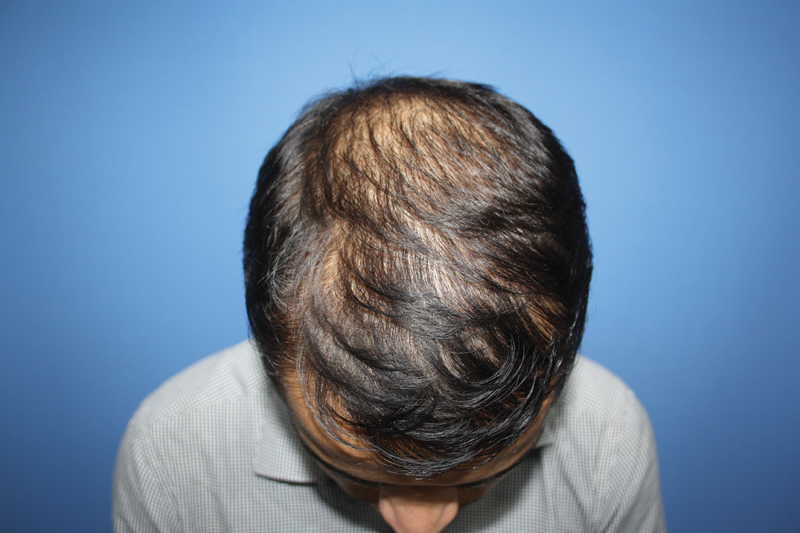
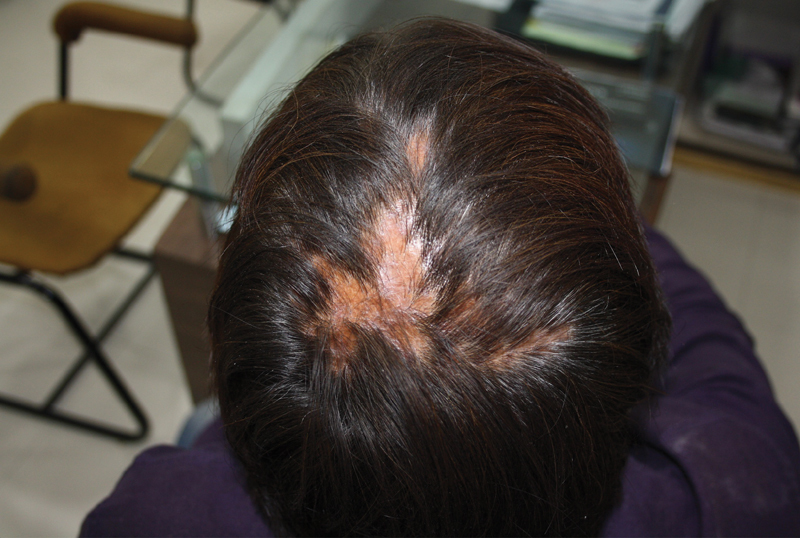
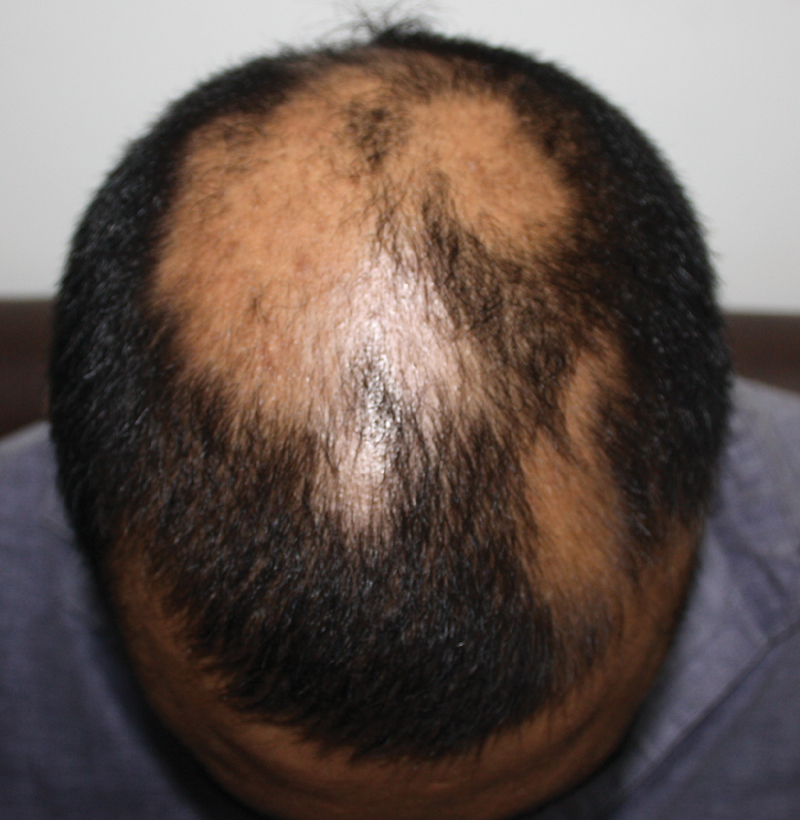
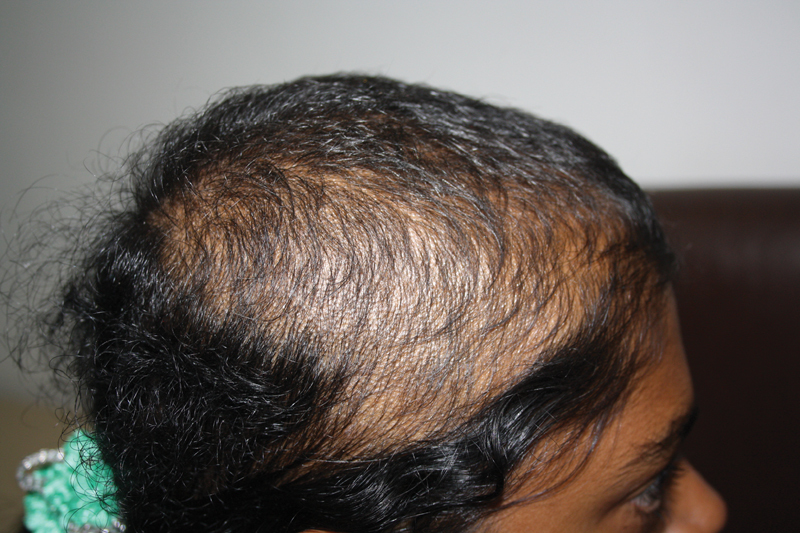
Patterned hair loss which includes both male pattern hair loss (MPHL) or androgenic alopecia (AGA) and female pattern hair loss (FPHL) is the most common indication for hair transplant surgery. However, not all such patients are candidates for hair transplants. There are eight conditions that cause patients to not be appropriate candidates. These are: diffuse unpatterned alopecia (DUPA), cicatricial alopecia (CA), patients with unstable hair loss, patients with insufficient hair loss, very young patients, patients with unrealistic expectations, patients with psychologic disorders such as body dysmorphic disorder (BDD) and trichotillomania, and patients who are medically unfit. In addition, there are patients who are poor candidates and who should undergo hair transplantation only if they understand and accept limited results. The key to identifying these patients involves performing careful and detailed history and examination at the time of consultation.
包括男性型脱发(MPHL)或雄激素性脱发(AGA)以及女性型脱发(FPHL)在内的瘢痕性脱发是植发手术最常见的适应症。然而,并非所有此类患者都适合进行植发。有八种情况会导致患者不适合成为植发对象。这些情况包括:弥漫性非瘢痕性脱发(DUPA)、瘢痕性脱发(CA)、脱发不稳定的患者、脱发不足的患者、非常年轻的患者、期望不切实际的患者、患有心理障碍如躯体变形障碍(BDD)和拔毛癖的患者,以及身体状况不适合的患者。此外,还有一些患者不太适合,只有在他们理解并接受有限效果的情况下才应进行植发。识别这些患者的关键在于在咨询时进行仔细和详细的病史询问及检查。