Program in Molecular, Cellular, and Developmental Biology, Department of Molecular Biosciences, University of Kansas, Lawrence, KS, 66045, USA.
Department of Cell and Developmental Biology and Department of Biological Sciences, Vanderbilt University, Nashville, TN, 37203, USA.
BMC Genomics. 2022 Jan 6;23(1):13. doi: 10.1186/s12864-021-08217-6.
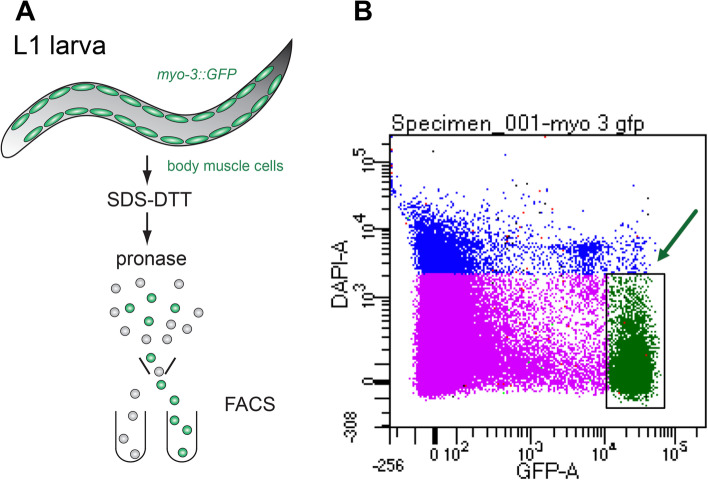
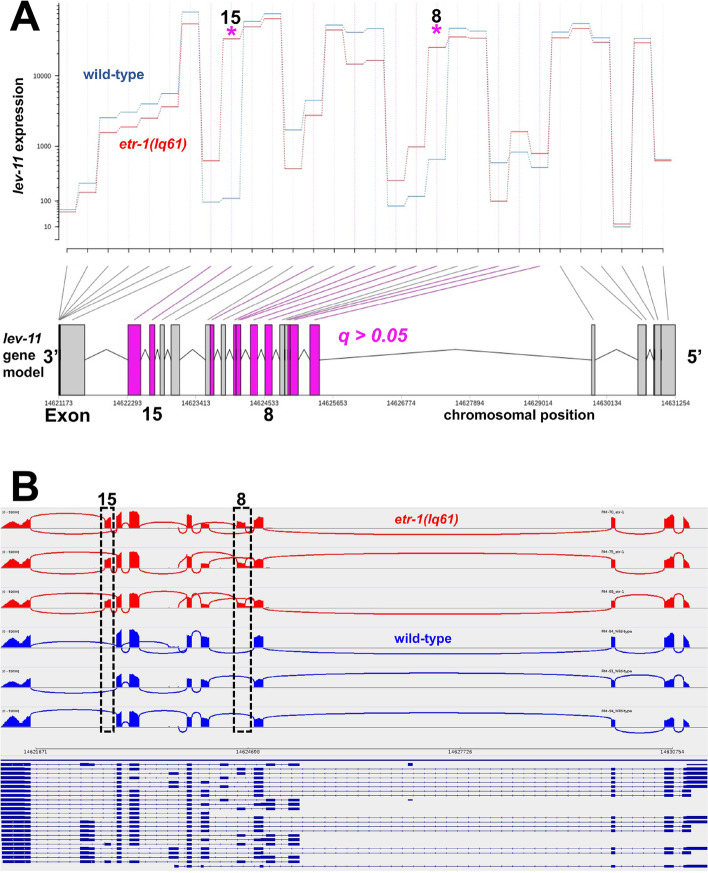
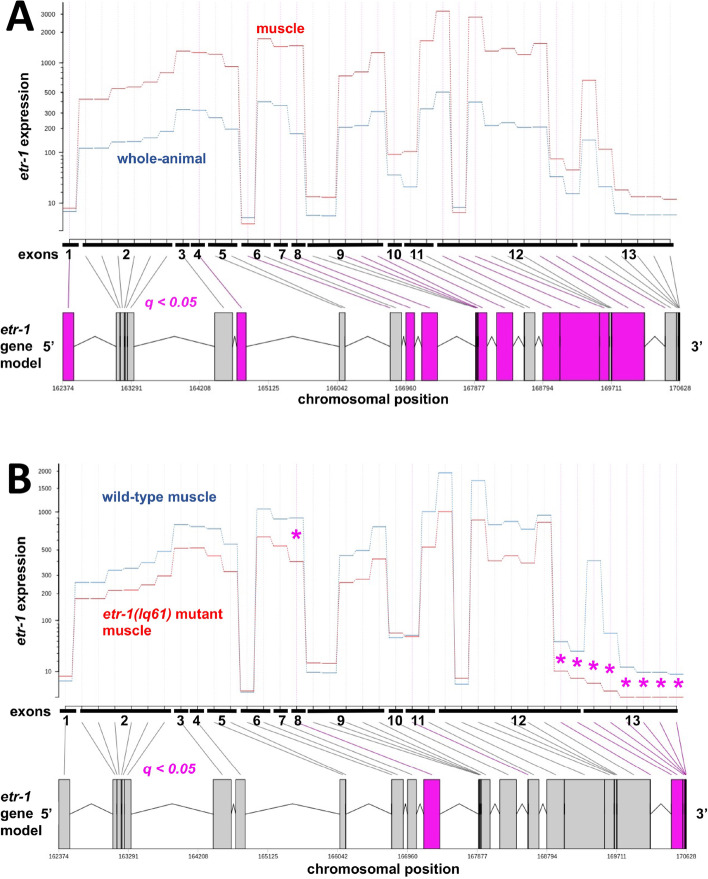
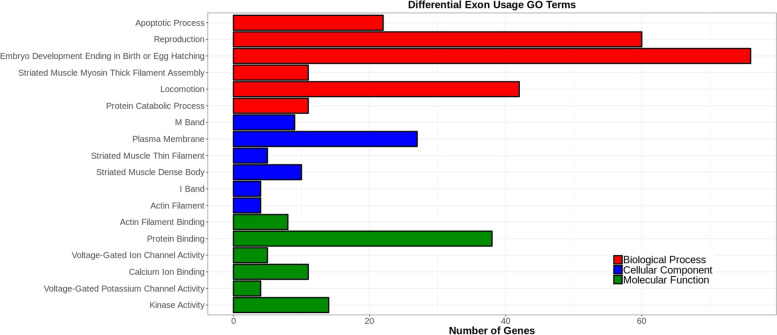
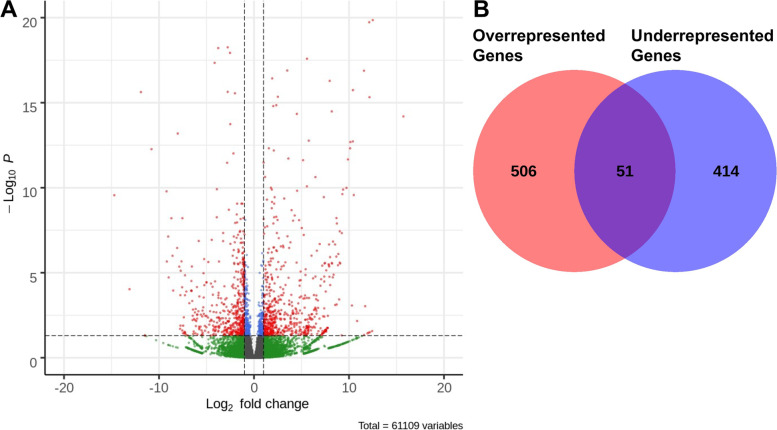
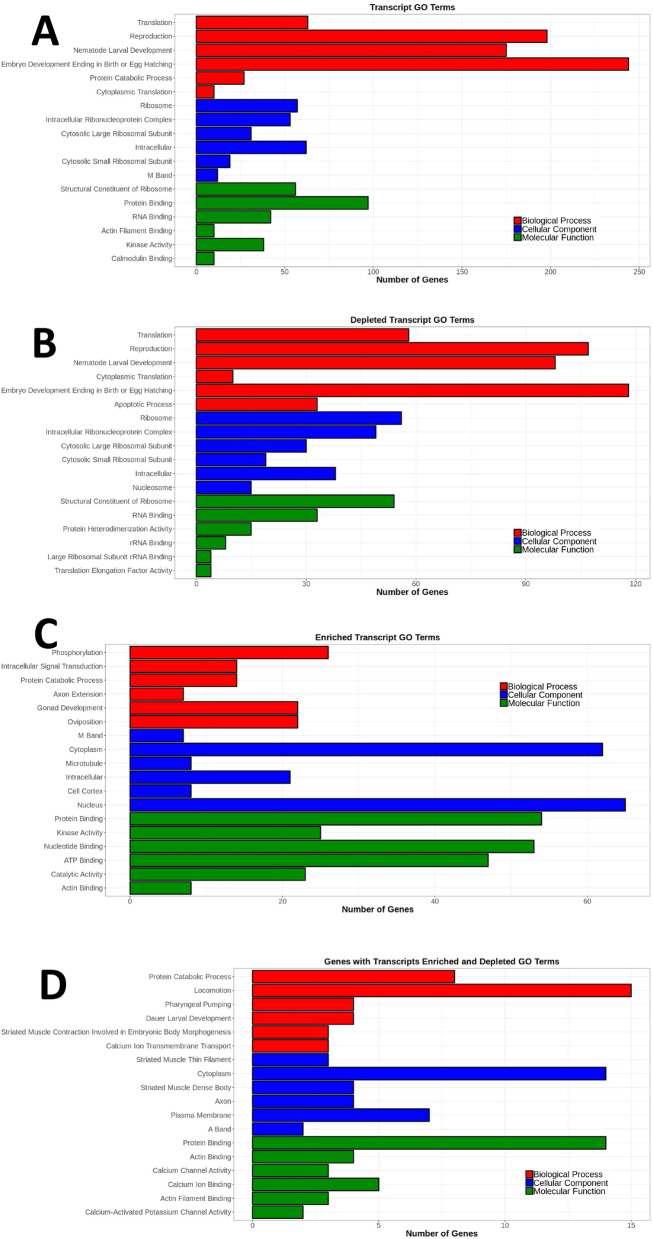
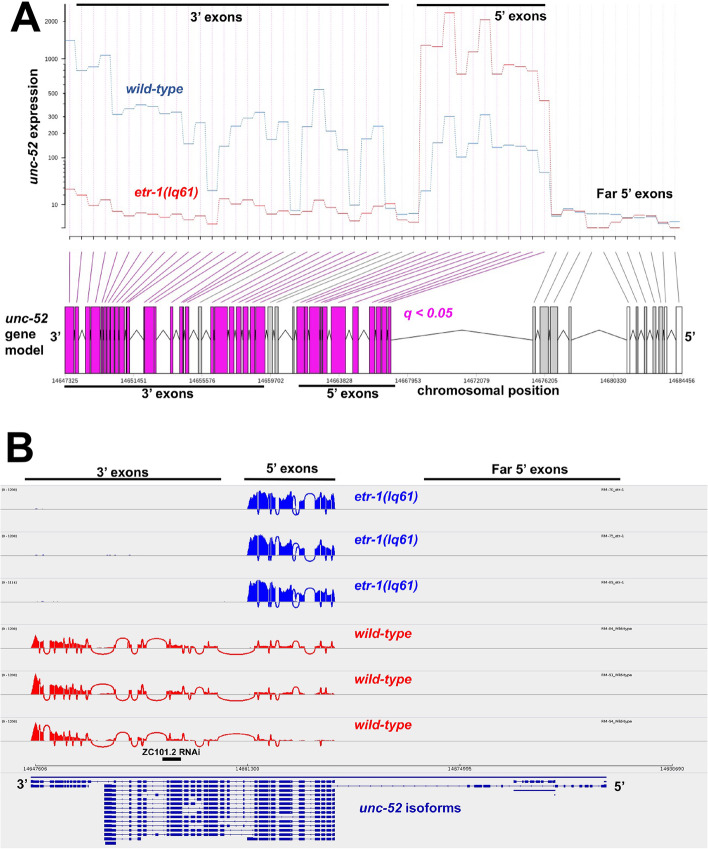
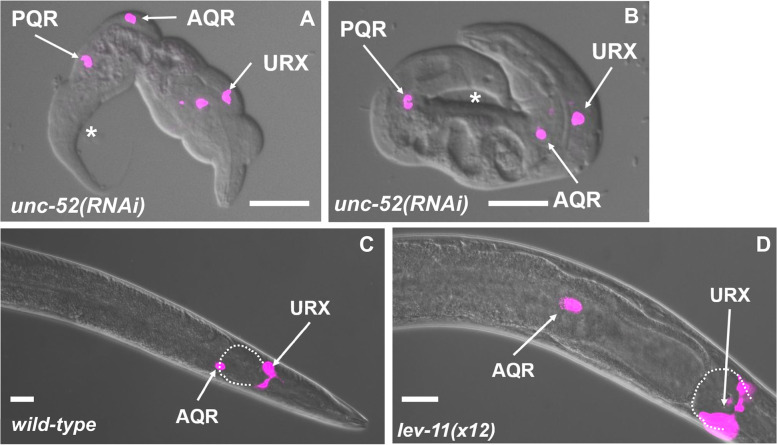
Migration of neuroblasts and neurons from their birthplace is central to the formation of neural circuits and networks. ETR-1 is the Caenorhabditis elegans homolog of the CELF1 (CUGBP, ELAV-like family 1) RNA-processing factor involved in neuromuscular disorders. etr-1 regulates body wall muscle differentiation. Our previous work showed that etr-1 in muscle has a non-autonomous role in neuronal migration, suggesting that ETR-1 is involved in the production of a signal emanating from body wall muscle that controls neuroblast migration and that interacts with Wnt signaling. etr-1 is extensively alternatively-spliced, and we identified the viable etr-1(lq61) mutant, caused by a stop codon in alternatively-spliced exon 8 and only affecting etr-1 isoforms containing exon 8. We took advantage of viable etr-1(lq61) to identify potential RNA targets of ETR-1 in body wall muscle using a combination of fluorescence activated cell sorting (FACS) of body wall muscles from wild-type and etr-1(lq61) and subsequent RNA-seq. This analysis revealed genes whose splicing and transcript levels were controlled by ETR-1 exon 8 isoforms, and represented a broad spectrum of genes involved in muscle differentiation, myofilament lattice structure, and physiology. Genes with transcripts underrepresented in etr-1(lq61) included those involved in ribosome function and translation, similar to potential CELF1 targets identified in chick cardiomyocytes. This suggests that at least some targets of ETR-1 might be conserved in vertebrates, and that ETR-1 might generally stimulate translation in muscles. As proof-of-principle, a functional analysis of a subset of ETR-1 targets revealed genes involved in AQR and PQR neuronal migration. One such gene, lev-11/tropomyosin, requires ETR-1 for alternative splicing, and another, unc-52/perlecan, requires ETR-1 for the production of long isoforms containing 3' exons. In sum, these studies identified gene targets of ETR-1/CELF1 in muscles, which included genes involved in muscle development and physiology, and genes with novel roles in neuronal migration.
神经母细胞和神经元从其发源地迁移对于神经网络的形成至关重要。ETR-1 是秀丽隐杆线虫中与神经肌肉疾病相关的 CELF1(CUGBP、ELAV 样家族 1)RNA 加工因子的同源物。etr-1 调节体壁肌肉分化。我们之前的工作表明,肌肉中的 etr-1 在神经元迁移中具有非自主性作用,这表明 ETR-1 参与了一种源自体壁肌肉的信号的产生,该信号控制神经母细胞的迁移,并与 Wnt 信号相互作用。etr-1 广泛地进行选择性剪接,我们鉴定了可行的 etr-1(lq61)突变体,该突变体由选择性剪接外显子 8 中的终止密码子引起,仅影响包含外显子 8 的 etr-1 同工型。我们利用可行的 etr-1(lq61),通过对野生型和 etr-1(lq61)的体壁肌肉进行荧光激活细胞分选 (FACS),然后进行 RNA-seq,从而鉴定了体壁肌肉中 ETR-1 的潜在 RNA 靶标。该分析揭示了那些由 ETR-1 外显子 8 同工型控制剪接和转录水平的基因,这些基因代表了参与肌肉分化、肌丝晶格结构和生理学的广泛的基因。在 etr-1(lq61)中代表性不足的转录本的基因包括那些参与核糖体功能和翻译的基因,这与在鸡心肌细胞中鉴定的潜在 CELF1 靶标相似。这表明 ETR-1 的至少一些靶标可能在脊椎动物中保守,并且 ETR-1 可能普遍刺激肌肉中的翻译。作为原理证明,对 ETR-1 靶标的子集进行的功能分析揭示了参与 AQR 和 PQR 神经元迁移的基因。这样的基因之一,lev-11/原肌球蛋白,需要 ETR-1 进行选择性剪接,另一个基因,unc-52/ 蛋白聚糖,需要 ETR-1 产生包含 3'外显子的长同工型。总之,这些研究鉴定了肌肉中 ETR-1/CELF1 的基因靶标,其中包括参与肌肉发育和生理学的基因,以及在神经元迁移中具有新作用的基因。