Inflammation and Immune Mediated Diseases Laboratory of Anhui Province, Anhui Institute of Innovative Drugs, School of Pharmacy, Anhui Medical University, Hefei, 230032, China.
The Center for Scientific Research of Anhui Medical University, Hefei, 230032, China.
Theranostics. 2022 Jan 1;12(1):324-339. doi: 10.7150/thno.63735. eCollection 2022.
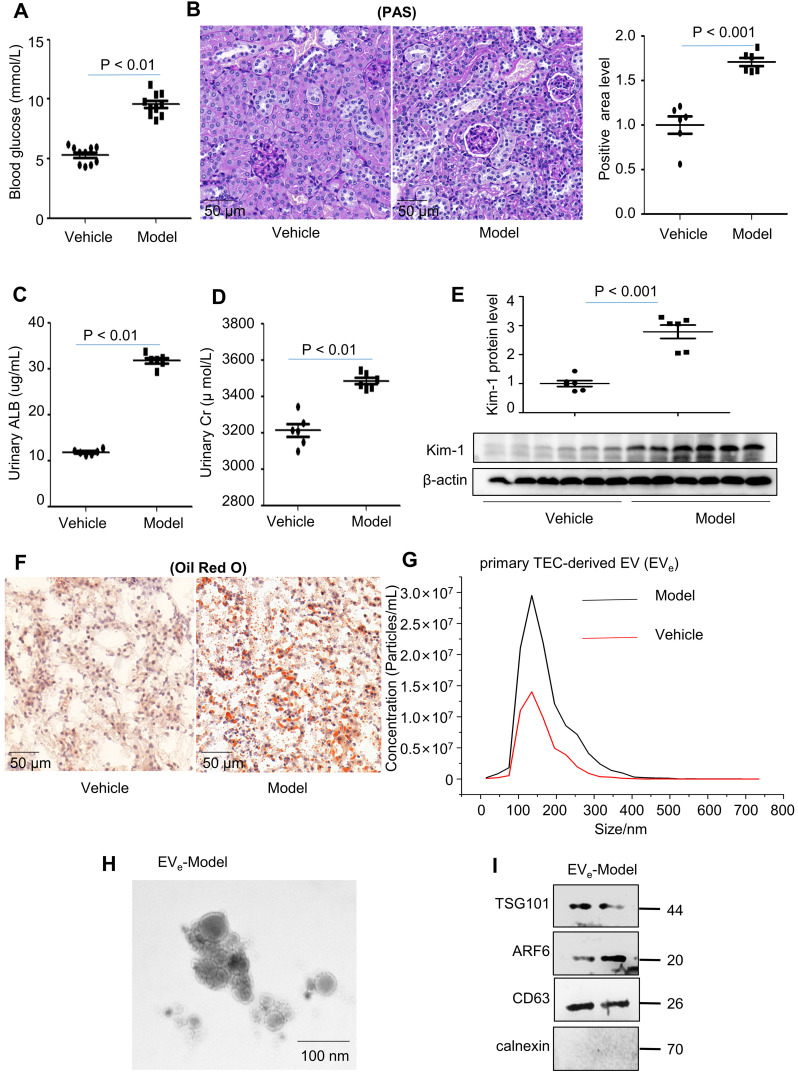
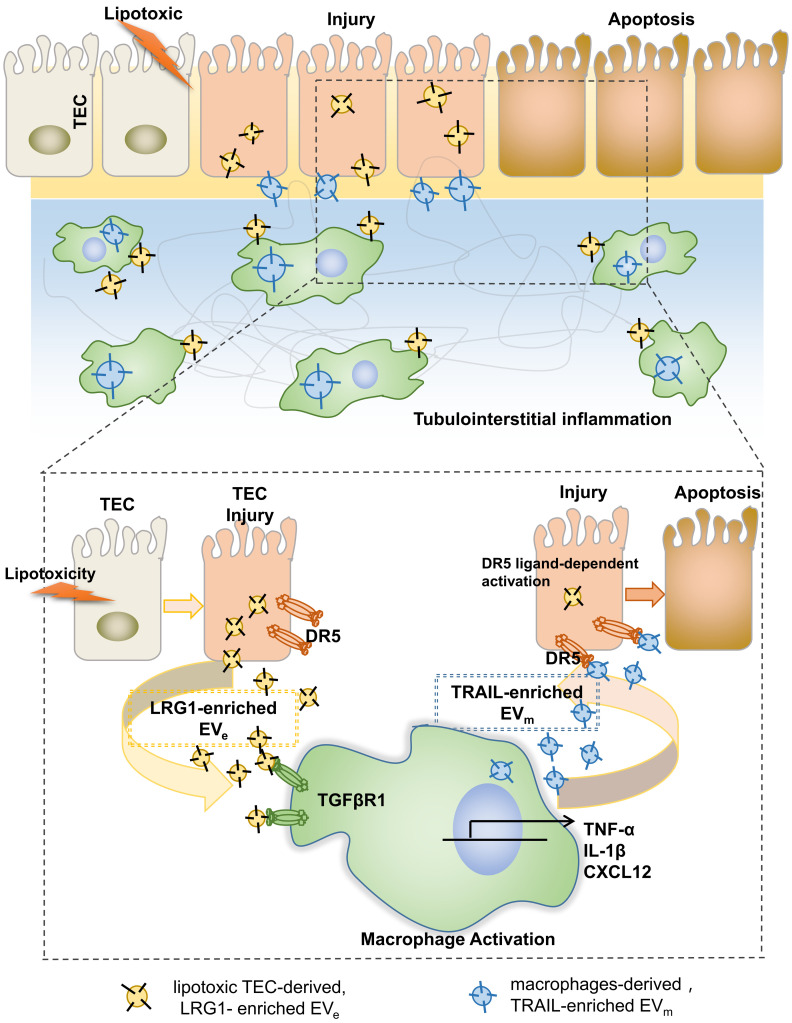
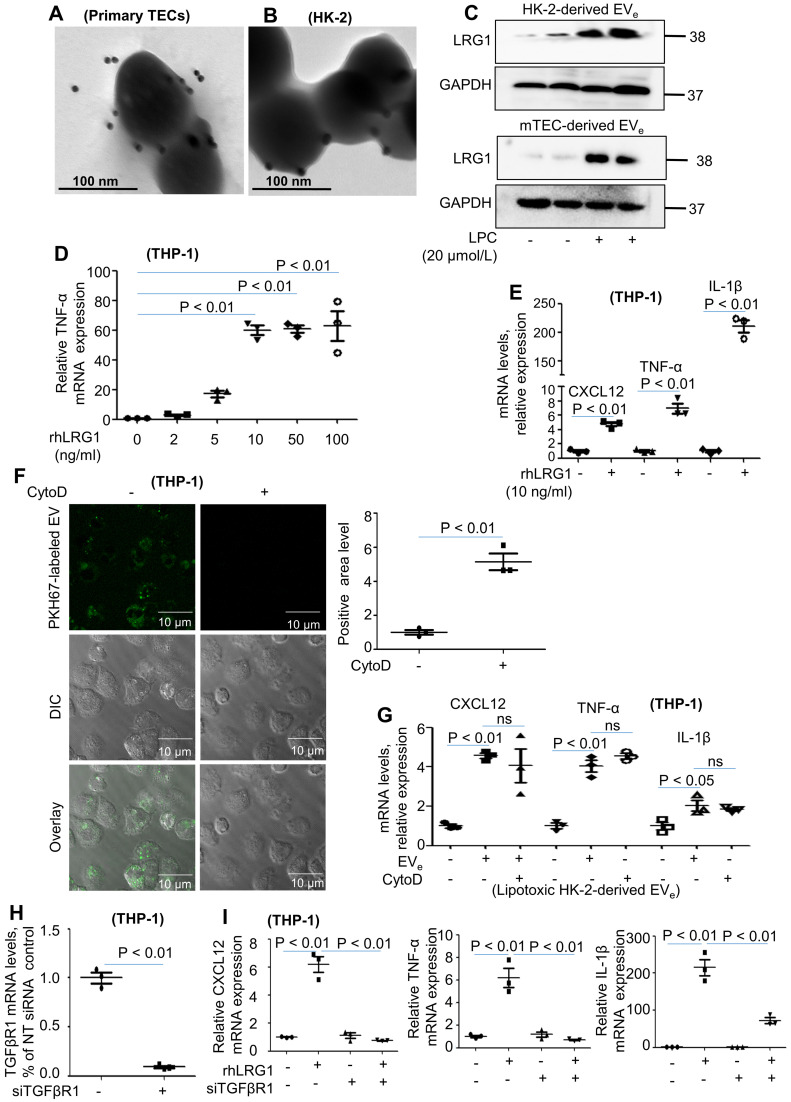
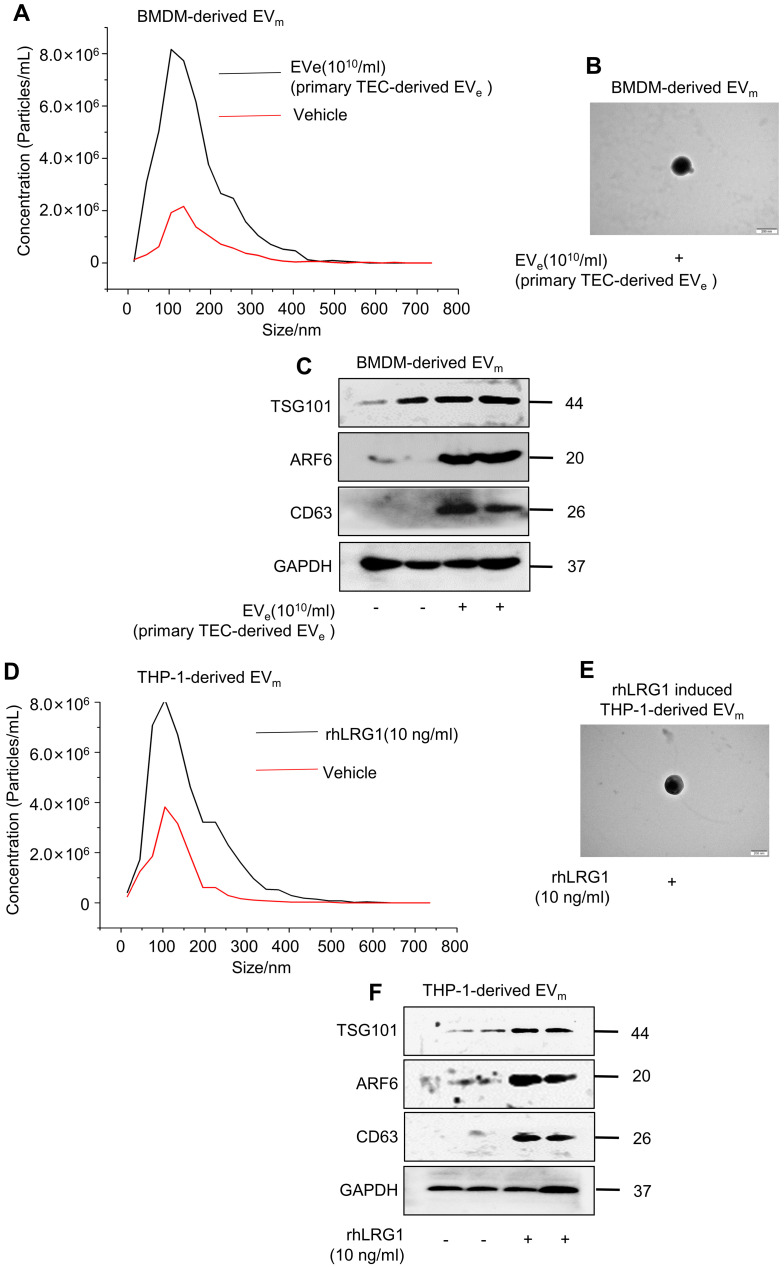
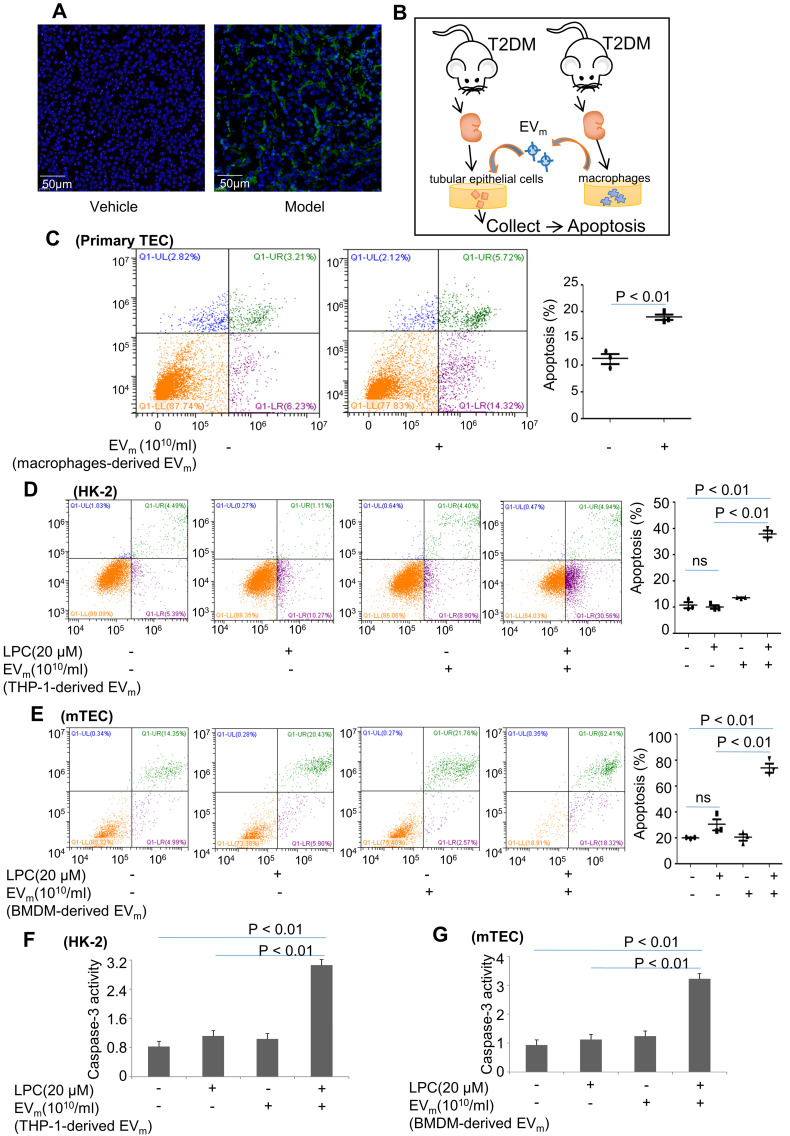
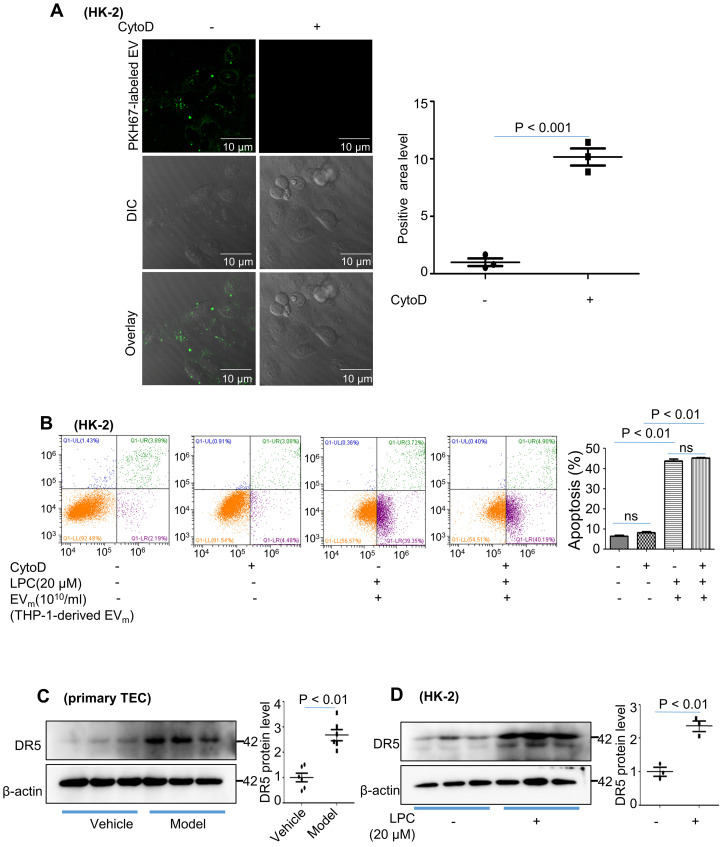
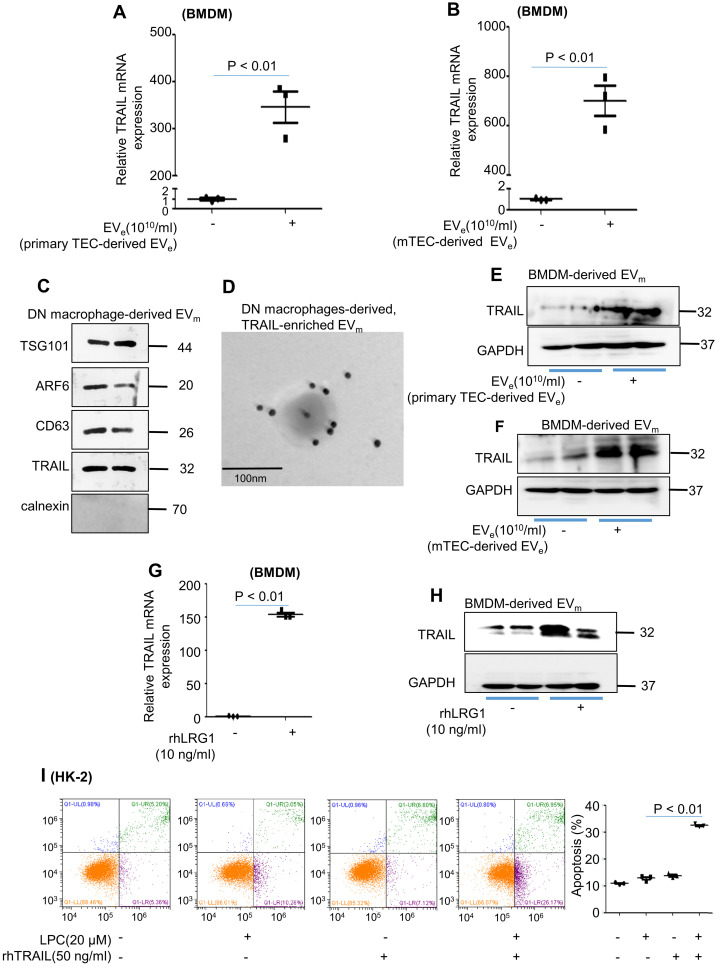
Macrophage infiltration around lipotoxic tubular epithelial cells (TECs) is a hallmark of diabetic nephropathy (DN). However, how these two types of cells communicate remains obscure. We previously demonstrated that LRG1 was elevated in the process of kidney injury. Here, we demonstrated that macrophage-derived, LRG1-enriched extracellular vesicles (EVs) exacerbated DN. We induced an experimental T2DM mouse model with a HFD diet for four months. Renal primary epithelial cells and macrophage-derived EVs were isolated from T2D mice by differential ultracentrifugation. To investigate whether lipotoxic TEC-derived EV (EV) activate macrophages, mouse bone marrow-derived macrophages (BMDMs) were incubated with EV. To investigate whether activated macrophage-derived EVs (EV) induce lipotoxic TEC apoptosis, EV were cocultured with primary renal tubular epithelial cells. Subsequently, we evaluated the effect of LRG1 in EV by investigating the apoptosis mechanism. We demonstrated that incubation of primary TECs of DN or HK-2 mTECs with lysophosphatidyl choline (LPC) increased the release of EV. Interestingly, TEC-derived EV activated an inflammatory phenotype in macrophages and induced the release of macrophage-derived EV. Furthermore, EV could induce apoptosis in TECs injured by LPC. Importantly, we found that leucine-rich α-2-glycoprotein 1 (LRG1)-enriched EV activated macrophages via a TGFβR1-dependent process and that tumor necrosis factor-related apoptosis-inducing ligand (TRAIL)-enriched EV induced apoptosis in injured TECs via a death receptor 5 (DR5)-dependent process. Our findings indicated a novel cell communication mechanism between tubular epithelial cells and macrophages in DN, which could be a potential therapeutic target.
脂肪毒性管状上皮细胞(TEC)周围的巨噬细胞浸润是糖尿病肾病(DN)的一个标志。然而,这两种细胞如何相互交流仍然不清楚。我们之前的研究表明,LRG1 在肾脏损伤过程中升高。在这里,我们证明了巨噬细胞衍生的富含 LRG1 的细胞外囊泡(EV)加剧了 DN。我们通过高脂肪饮食诱导了一个实验性 T2DM 小鼠模型,持续四个月。通过差速超速离心从 T2D 小鼠中分离出肾脏原代上皮细胞和巨噬细胞衍生的 EV。为了研究脂毒性 TEC 衍生的 EV(EV)是否激活巨噬细胞,用 EV 孵育小鼠骨髓来源的巨噬细胞(BMDM)。为了研究激活的巨噬细胞衍生的 EV(EV)是否诱导脂毒性 TEC 凋亡,将 EV 与原代肾小管上皮细胞共培养。随后,我们通过研究凋亡机制来评估 EV 中 LRG1 的作用。我们证明,用溶血磷脂酰胆碱(LPC)孵育 DN 或 HK-2 mTEC 的原代 TEC 会增加 EV 的释放。有趣的是,TEC 衍生的 EV 激活了巨噬细胞中的炎症表型,并诱导了巨噬细胞衍生的 EV 的释放。此外,EV 可诱导 LPC 损伤的 TEC 凋亡。重要的是,我们发现富含亮氨酸的α-2-糖蛋白 1(LRG1)的 EV 通过 TGFβR1 依赖性过程激活巨噬细胞,而富含肿瘤坏死因子相关凋亡诱导配体(TRAIL)的 EV 通过死亡受体 5(DR5)依赖性过程诱导损伤的 TEC 凋亡。我们的研究结果表明,DN 中肾小管上皮细胞和巨噬细胞之间存在一种新的细胞通讯机制,这可能是一个潜在的治疗靶点。