Chen Kelin, Li Guoge, Kang Xixiong, Liu Pinan, Qian Lingye, Shi Yijun, Osman Rasha Alsamani, Yang Zhijun, Zhang Guojun
Department of Clinical Diagnosis, Laboratory of Beijing Tiantan Hospital, Capital Medical University, Beijing, People's Republic of China.
NMPA Key Laboratory for Quality Control of In Vitro Diagnostics, Beijing, China.
Neuropsychiatr Dis Treat. 2021 Dec 21;17:3769-3780. doi: 10.2147/NDT.S339067. eCollection 2021.
Assessing the invasiveness of pituitary adenomas (PAs) is critical to making the best surgical and treatment plan. However, it is difficult to determine the invasiveness of pituitary adenomas based on current clinical methods, such as imaging and histological methods. The present article aims to investigate noninvasive methods to discover viable biomarkers for invasive pituitary adenomas and provide a basis for early intervention of pituitary adenomas.
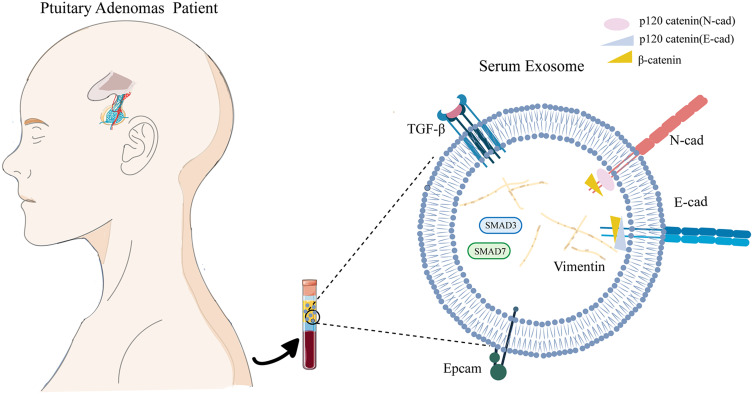
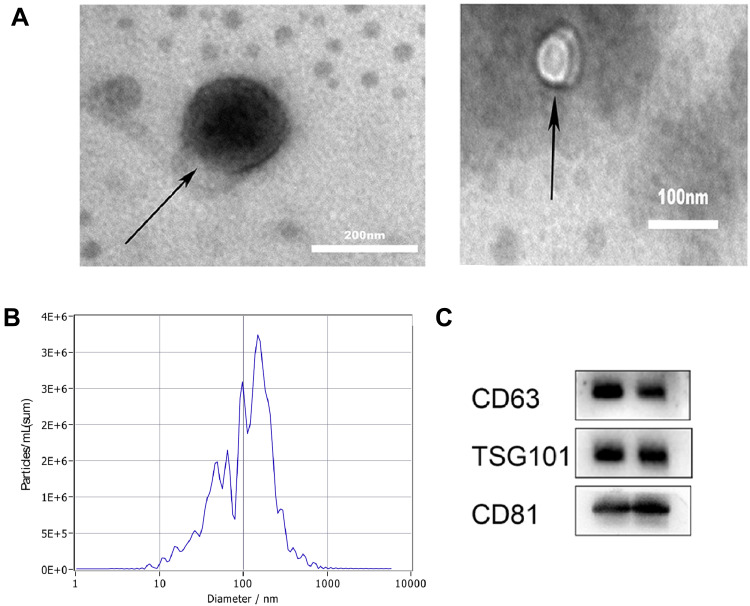
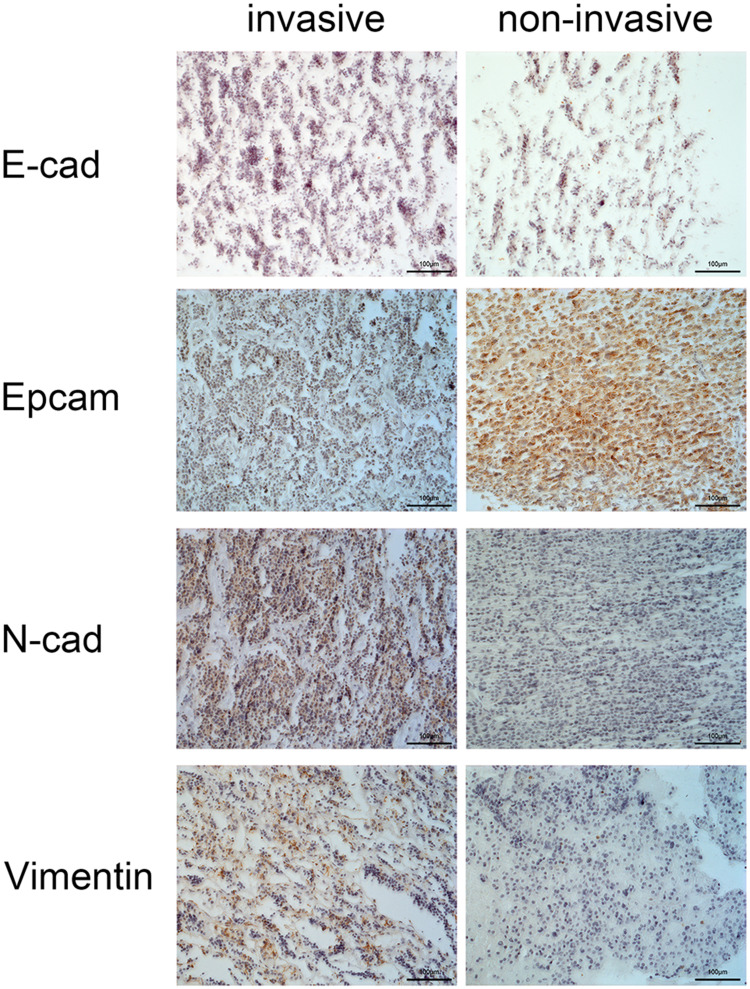
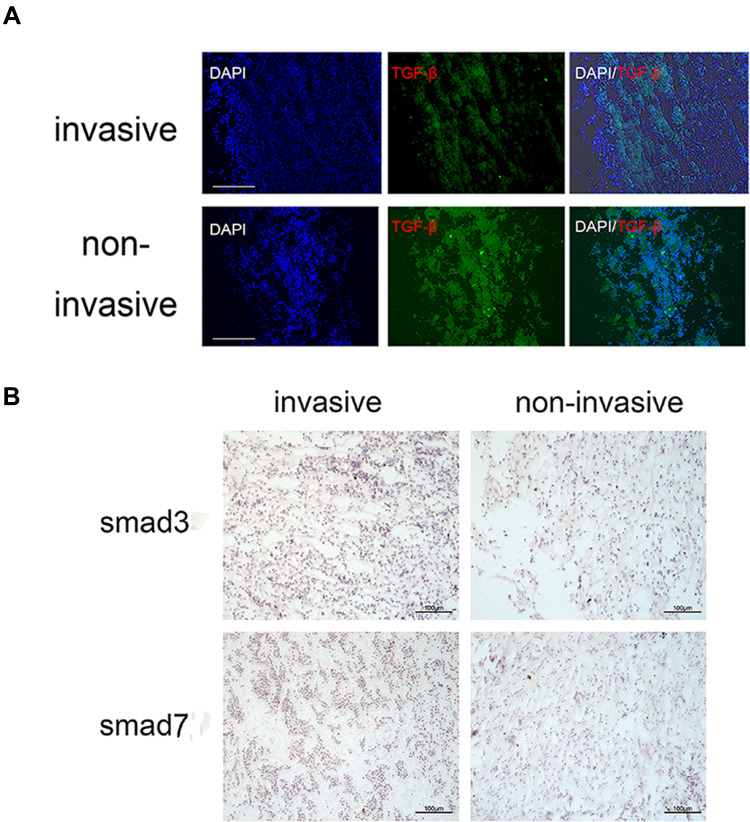
E-cadherin, N-cadherin, Epcam, TGF-β, Smad3, and Smad7 were detected in the tissues and exosomes in 10 cases of invasive PAs and 10 cases of noninvasive PAs by real-time quantitative reverse transcription polymerase chain reaction (qRT-PCR), Western blotting, and immunohistochemical analysis.
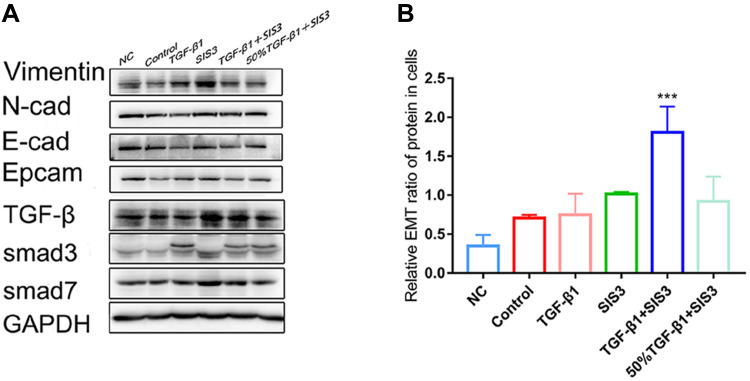
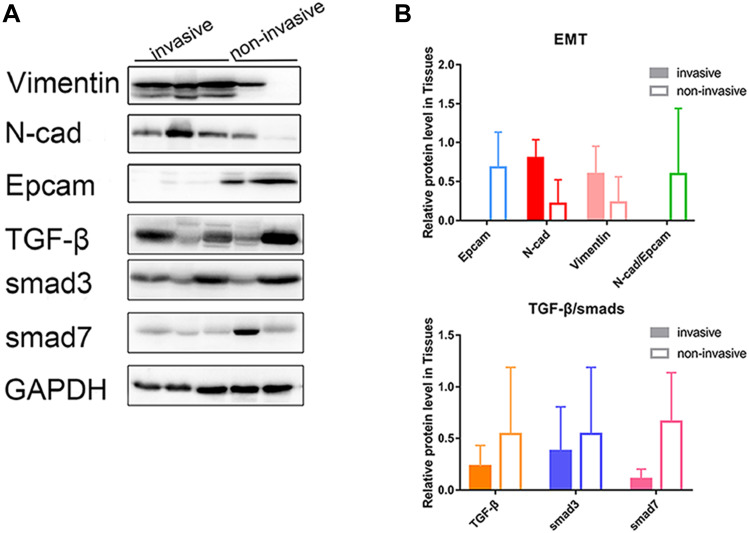
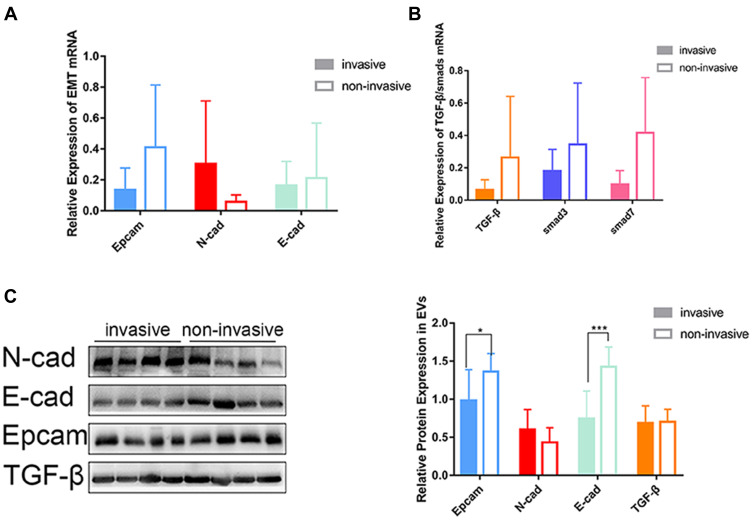
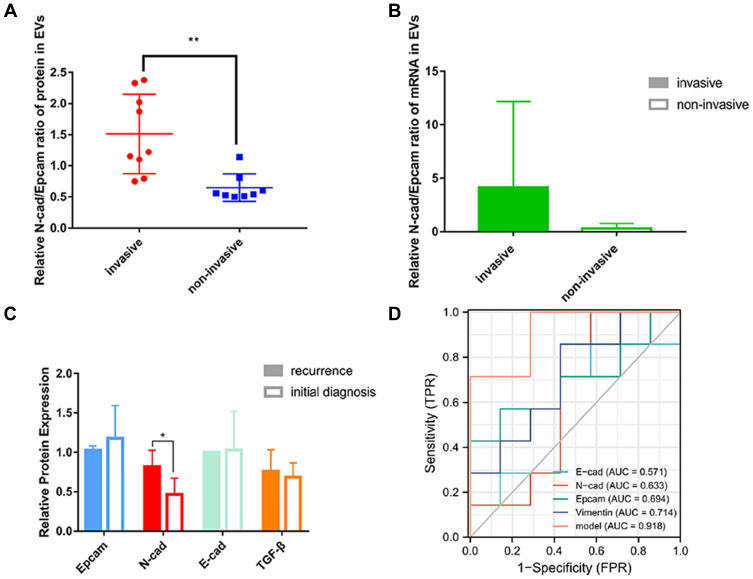
Compared with that in the noninvasive group, the expression of N-cad in the exosomes of the invasive group was significantly increased, and the expression of E-cad and Epcam was reduced. In the invasive group, the expression levels of TGF-β1 and Smad3 were reduced. These results were consistent across exosomes and groups. In further cell experiments, the EMT ratio in the SIS3 treatment group, and especially in the TGF-β1 plus SIS3 treatment group (P <0.001), was significantly increased, and the EMT ratio was significantly lower when one-half the dose of TGF-β and SIS3.
The results indicate that EMT-related biomarkers in serum exosomes can be potentially used for assessing the invasiveness of pituitary adenoma.
评估垂体腺瘤(PAs)的侵袭性对于制定最佳手术和治疗方案至关重要。然而,基于当前的临床方法,如影像学和组织学方法,很难确定垂体腺瘤的侵袭性。本文旨在研究非侵入性方法,以发现侵袭性垂体腺瘤的可行生物标志物,并为垂体腺瘤的早期干预提供依据。
通过实时定量逆转录聚合酶链反应(qRT-PCR)以及蛋白质免疫印迹法和免疫组织化学分析,检测10例侵袭性垂体腺瘤和10例非侵袭性垂体腺瘤组织及外泌体中的E-钙黏蛋白、N-钙黏蛋白、上皮细胞黏附分子(Epcam)、转化生长因子-β(TGF-β)、Smad3和Smad7。
与非侵袭组相比,侵袭组外泌体中N-钙黏蛋白的表达显著增加,E-钙黏蛋白和Epcam的表达降低。在侵袭组中,TGF-β1和Smad3的表达水平降低。这些结果在不同外泌体和组间具有一致性。在进一步的细胞实验中,SIS3治疗组,尤其是TGF-β1加SIS3治疗组(P<0.001)的上皮-间质转化(EMT)比例显著增加,而当TGF-β和SIS3剂量减半时,EMT比例显著降低。
结果表明血清外泌体中与EMT相关的生物标志物可能用于评估垂体腺瘤的侵袭性。