Chao Long, Jiao Chen, Liang Huixin, Xie Deqiao, Shen Lida, Liu Zhidong
College of Mechanical and Electrical Engineering, Nanjing University of Aeronautics and Astronautics, Nanjing, China.
State Key Laboratory of Pharmaceutical Biotechnology, Division of Sports Medicine and Adult Reconstructive Surgery, Department of Orthopedic Surgery, Nanjing Drum Tower Hospital, The Affiliated Hospital of Nanjing University Medical School, Nanjing, China.
Front Bioeng Biotechnol. 2021 Dec 21;9:779854. doi: 10.3389/fbioe.2021.779854. eCollection 2021.
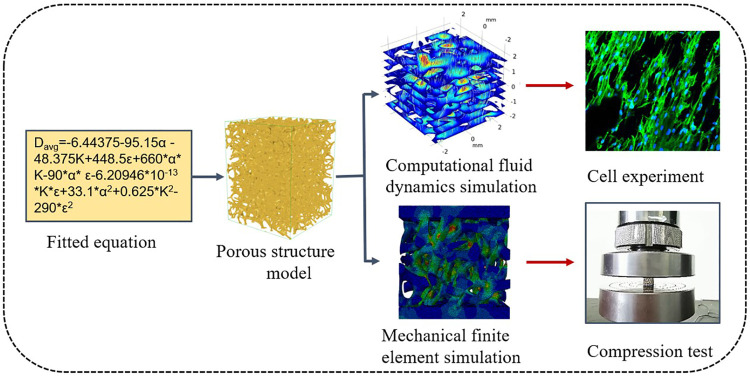
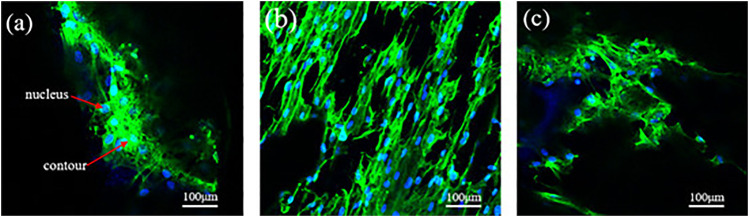
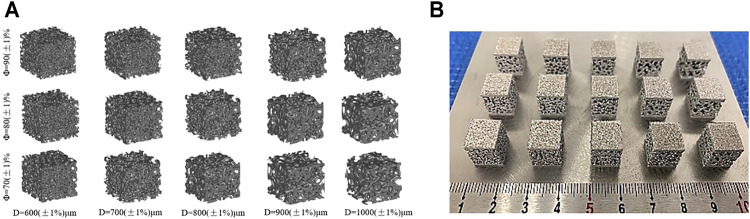
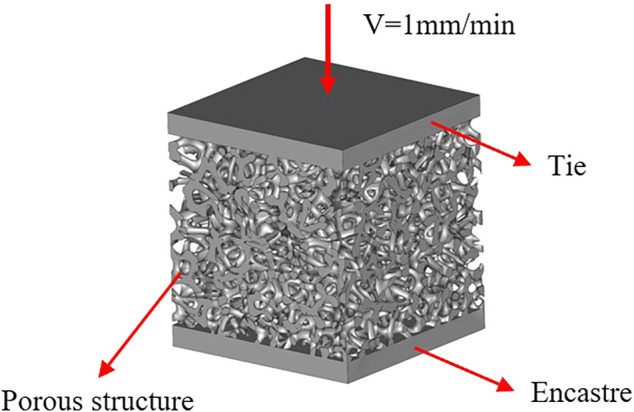
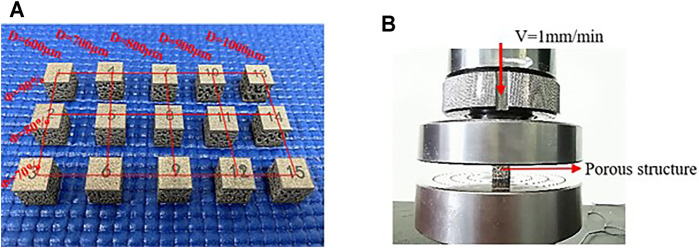
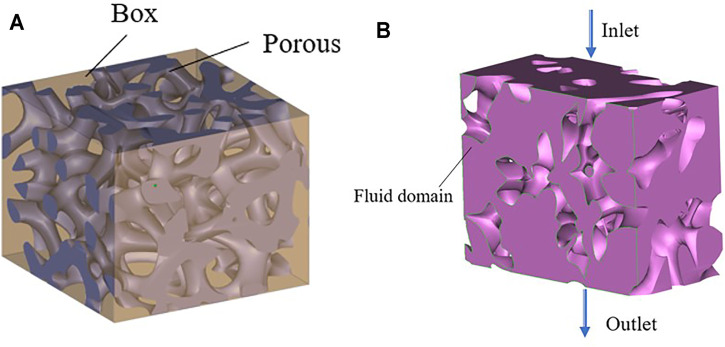
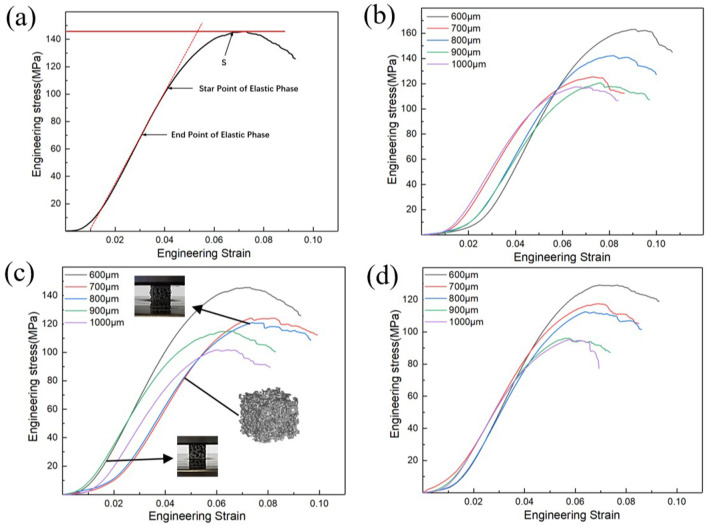
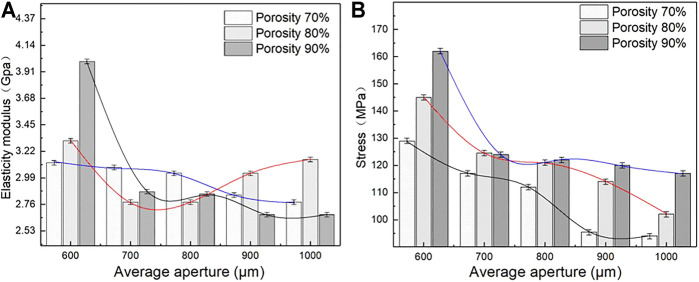
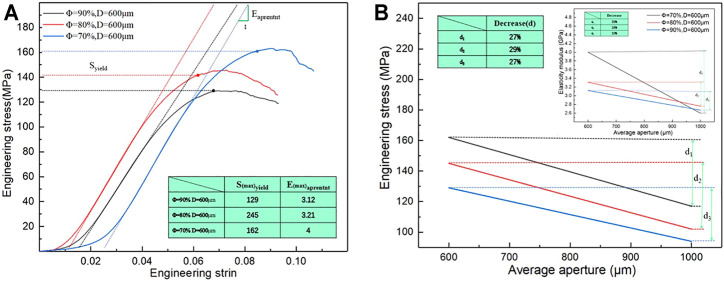
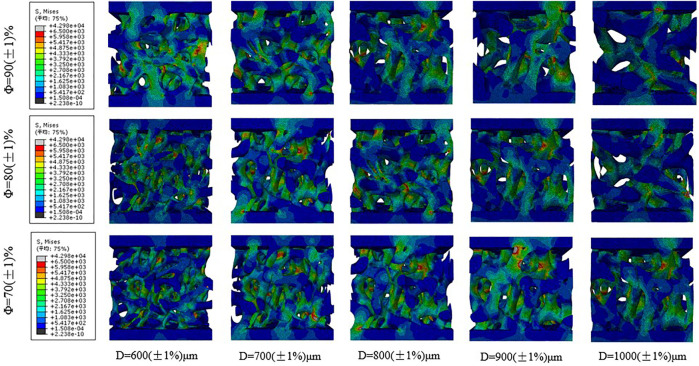
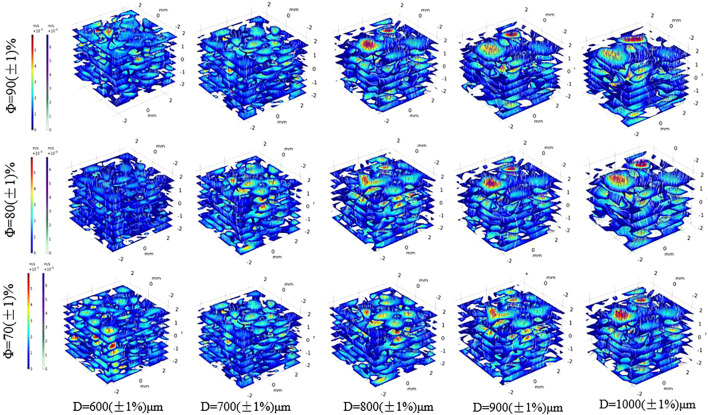
Human bone cells live in a complex environment, and the biomimetic design of porous structures attached to implants is in high demand. Porous structures based on Voronoi tessellation with biomimetic potential are gradually used in bone repair scaffolds. In this study, the mechanical properties and permeability of trabecular-like porous scaffolds with different porosity levels and average apertures were analyzed. The mechanical properties of bone-implant scaffolds were evaluated using finite element analysis and a mechanical compression experiment, and the permeability was studied by computational fluid dynamics. Finally, the attachment of cells was observed by confocal fluorescence microscope. The results show that the performance of porous structures can be controlled by the initial design of the microstructure and tissue morphology. A good structural design can accurately match the performance of the natural bone. The study of mechanical properties and permeability of the porous structure can help address several problems, including stress shielding and bone ingrowth in existing biomimetic bone structures, and will also promotes cell adhesion, migration, and eventual new bone attachment.
人类骨细胞生活在一个复杂的环境中,因此对附着于植入物的多孔结构进行仿生设计的需求很高。具有仿生潜力的基于Voronoi镶嵌的多孔结构逐渐被用于骨修复支架。在本研究中,分析了具有不同孔隙率水平和平均孔径的小梁状多孔支架的力学性能和渗透性。使用有限元分析和力学压缩实验评估骨植入支架的力学性能,并通过计算流体动力学研究渗透性。最后,通过共聚焦荧光显微镜观察细胞的附着情况。结果表明,多孔结构的性能可以通过微观结构和组织形态的初始设计来控制。良好的结构设计可以准确匹配天然骨的性能。对多孔结构的力学性能和渗透性的研究有助于解决几个问题,包括现有仿生骨结构中的应力屏蔽和骨长入,还将促进细胞粘附、迁移以及最终新骨的附着。