Department of Work Environment, University of Massachusetts Lowell, Lowell, MA 01854, USA.
Occupational Safety and Health Research Institute, Korea Occupational Safety and Health Agency, Ulsan 44429, Korea.
Int J Environ Res Public Health. 2022 Jan 3;19(1):499. doi: 10.3390/ijerph19010499.
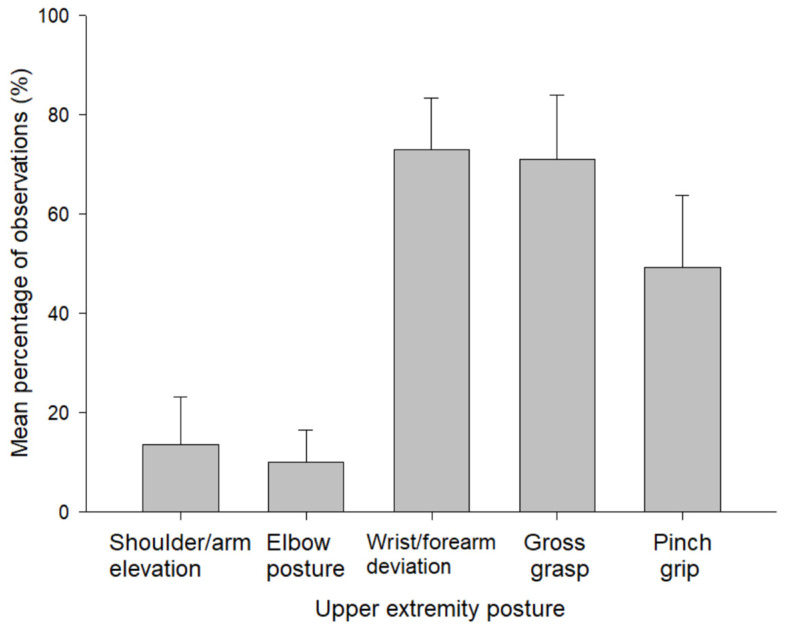
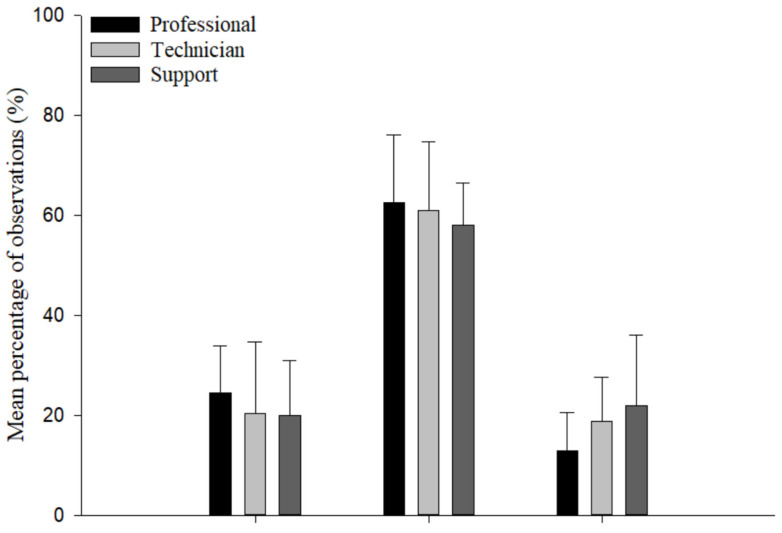
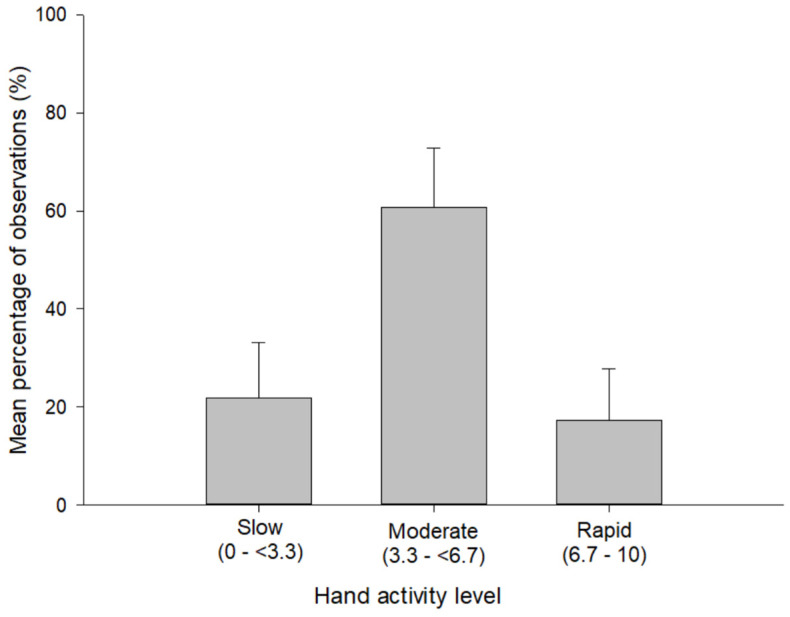
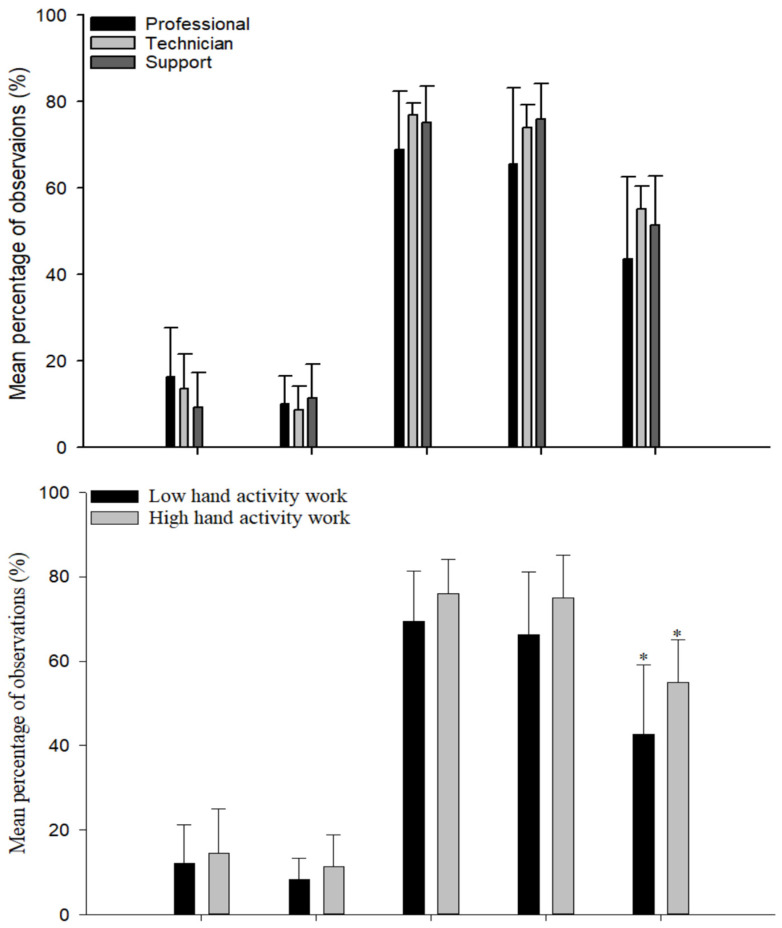
Exposure to ergonomic risk factors has been reported for laboratory workers over decades. However, these exposures are not well characterized with respect to the type of laboratory or work organization. This study compared biomechanical exposure to upper extremity (UE) postures and hand activity levels (HALs) in general hospital laboratories by job, work, and laboratory type. The study used observational data gathered using a revised version of the Posture, Activity, Tools, and Handling (PATH) method, generating frequencies of categorized exposures. Eighteen workers were observed in 11 job titles (seven laboratories) in a single hospital by two investigators over a 7 month period. A taxonomy was constructed to categorize the extent to which the laboratory operations were automated. Overall, there were markedly high exposures to postural strain for the distal UE, especially wrist/forearm deviation (73% of observations), gross grasp (71%), and pinch grip (49%). For the HAL categories, 61% of the observations were in the moderate range (3.3-<6.7). Shoulders and elbows tended to remain in the neutral postural range. Posture frequencies were similar among the job categories studied and laboratory types. HAL was higher when the hand was in a pinch grip. Manual operations represented a higher proportion of work time than semi-automated or automated operations. Biomechanical exposure can be documented more extensively and diversely when using the revised PATH approach along with the taxonomy, with respect to exposure variables, such as the type of job, work, or organization in the industry including the hospital laboratories.
几十年来,研究人员一直报告实验室工作者接触人体工程学风险因素的情况。然而,这些暴露情况并没有很好地根据实验室或工作组织的类型进行描述。本研究通过工作、工作场所和实验室类型比较了综合医院实验室中上肢(UE)姿势和手部活动水平(HAL)的生物力学暴露情况。该研究使用经过修订的姿势、活动、工具和处理(PATH)方法收集观察数据,生成分类暴露的频率。在 7 个月的时间里,两名研究人员在一家医院的 11 个不同岗位(7 个实验室)中观察了 18 名工人。构建了一个分类法来分类实验室操作的自动化程度。总体而言,远端 UE 的姿势应变暴露程度明显较高,尤其是手腕/前臂偏斜(73%的观察)、粗握(71%)和捏握(49%)。对于 HAL 类别,61%的观察结果处于中等范围(3.3-<6.7)。肩部和肘部倾向于保持中立姿势范围。在所研究的岗位类别和实验室类型中,姿势频率相似。当手处于捏握状态时,HAL 更高。手动操作占工作时间的比例高于半自动或自动化操作。使用经过修订的 PATH 方法和分类法,可以更广泛和多样化地记录生物力学暴露情况,包括医院实验室在内的行业中的工作类型、工作场所或组织等暴露变量。